By the Interior Design Desk Published: October 2024
Main Facts
The kitchen backsplash has undergone a quiet revolution. Once treated as a purely functional, perfunctory strip of tile or laminate designed to protect walls from water splashes and grease, the backsplash of 2027 has emerged as a central pillar of home architecture and interior design. Rather than being an afterthought selected at the tail-end of a renovation, today’s backsplashes are integrated into the master layout from the initial blueprint phase.
Leading interior designers note that the 2027 design landscape moves away from loud, attention-demanding statement pieces. Instead, the focus has shifted toward materials that emphasize quiet luxury, architectural continuity, tactile warmth, and historic authenticity. Whether through continuous natural stone slabs, large-format porcelain tiles, artisanal ceramics, floor-to-ceiling metro installations, sculptural millwork framing, or textured mosaics, the contemporary backsplash functions less like a wall covering and more like a bespoke piece of furniture or a fireplace surround.
Chronology: The Evolution of the Kitchen Backsplash
To understand where kitchen design stands in 2027, it helps to examine how the backsplash has evolved over the past century:
The Early 20th Century (The Sanitation Movement): Sparked by public health initiatives and the birth of modern domestic hygiene, Victorian sculleries and turn-of-the-century kitchens favored fully tiled walls. Crisp, white, and off-white subway tiles were run from floor to ceiling to ensure easy cleaning and a sterile, bright environment.
The Mid-to-Late 20th Century (The Functional Strip): As modular kitchen cabinetry took over suburban homes, the backsplash was condensed into a utilitarian 4-inch matching countertop guard or a modest 18-inch band wedged between the lower countertops and upper wall cabinets. Design took a back seat to mass-produced convenience.
The 2010s (The Statement Wall Era): The rise of open-plan living turned the kitchen into the heart of the home. Backsplashes grew in prominence, often defined by high-contrast, heavily veined marble slabs, vibrant geometric patterns, and trendy layouts like the ubiquitous herringbone tile. The backsplash became an aggressive focal point, frequently competing with cabinetry and countertops for visual dominance.
The 2020s (The Quiet Luxury Transition): As global design preferences shifted toward mindfulness, sustainability, and enduring aesthetics, the "loud statement" began to fatigue homeowners. The industry saw a pivot toward natural materials, seamless transitions, and budget-conscious engineering.
2027 and Beyond (The Architectural Integration): Today, the backsplash is conceptualized as an extension of the room’s architecture. It is curated for longevity, tactile depth, and contextual harmony, marrying historic reverence with modern technological advancements in stone-look porcelain and low-maintenance surfaces.
Supporting Data & Design Trends for 2027
Industry insights gathered from leading interior designers point to six definitive trends dominating the architectural and decorative landscape for the year ahead.
1. Continuing the Countertop
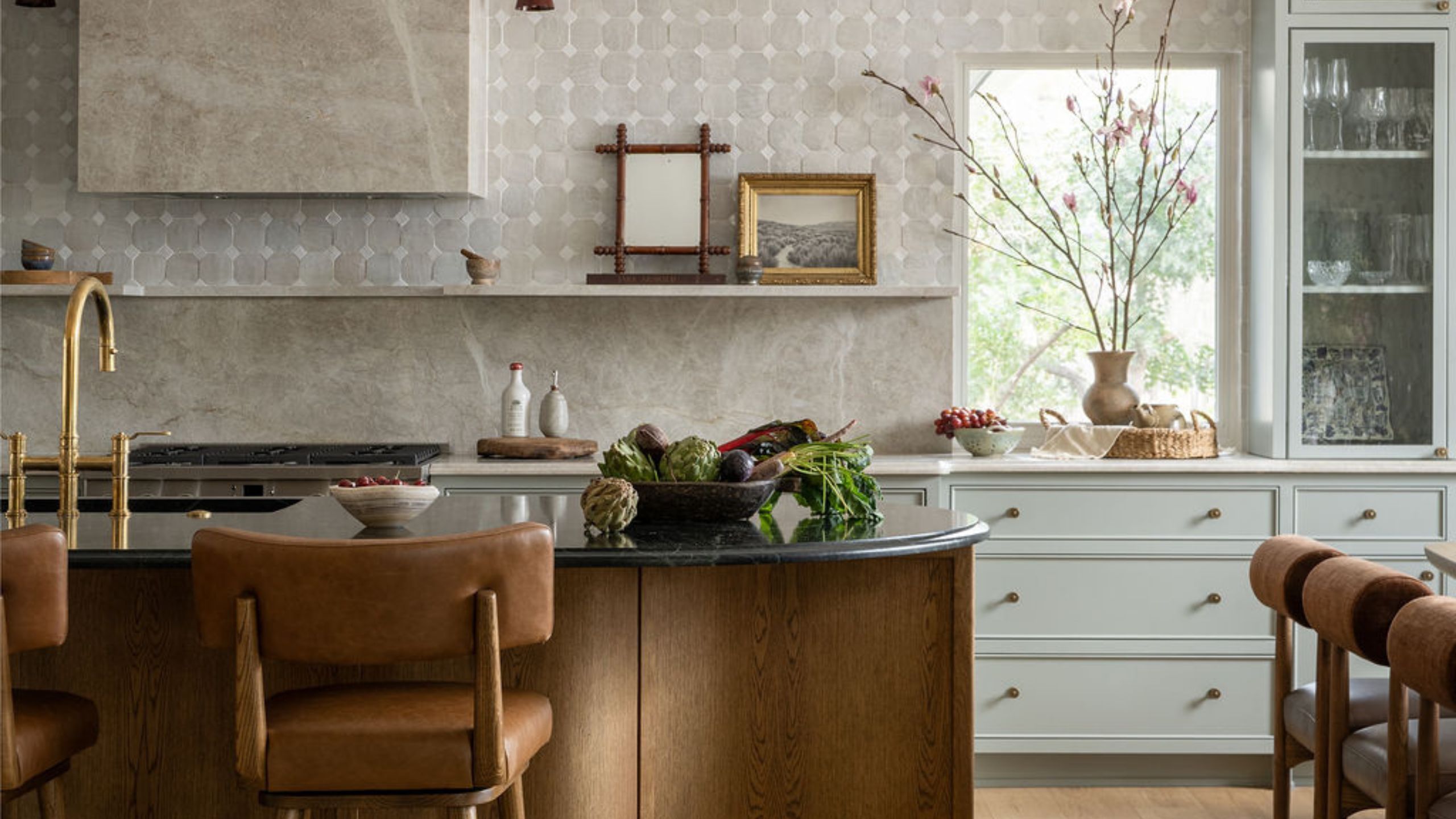
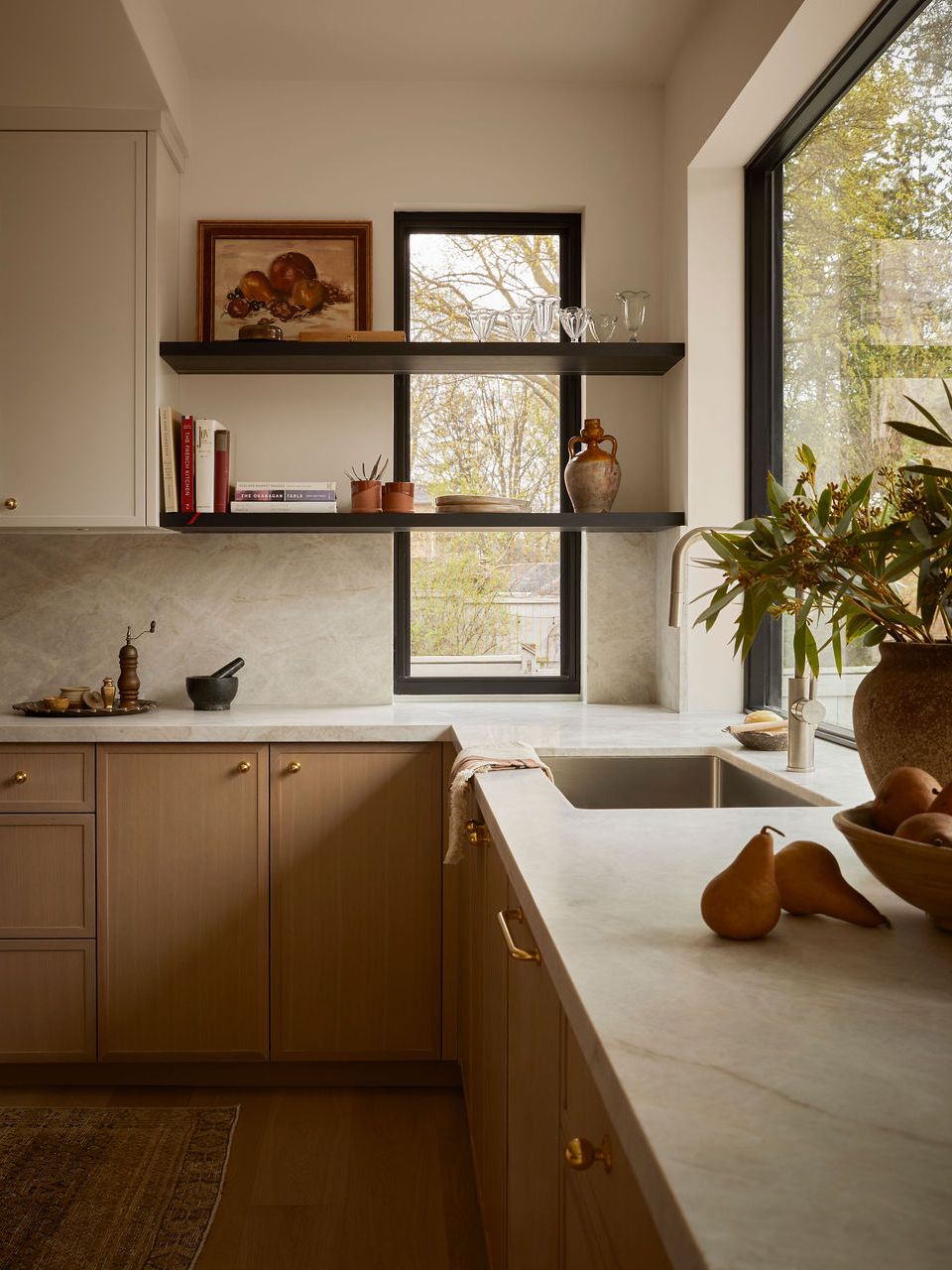
In alignment with the "quiet luxury" movement, blending boundaries has become paramount. Running the countertop material directly up the wall creates a seamless slab transition that calms the visual field.
The Materials: Designers like Lisa Worth of Worth Interior Design are utilizing durable natural stones like quartzite—which offers the distinct beauty of marble with superior scratch and acid resistance—or high-performance engineered stones.
The Benefits: Without grout lines, cleaning is expedited. Furthermore, a uniform stone backdrop allows custom cabinetry to take center stage, giving homeowners greater freedom to experiment with rich cabinet colors and complex wood grains.
2. Large Format Tiles
While full stone slabs are breathtaking, rising fabrication costs have prompted a pivot toward large-format porcelain and natural stone tiles.
The Specifications: Ruchi A Mohan of DesignbyRUCHI champions tiles sized at 18×24 or 24×24 inches. Because standard backsplashes measure between 18 and 24 inches in height, these large tiles fit the vertical space with minimal horizontal joinery.
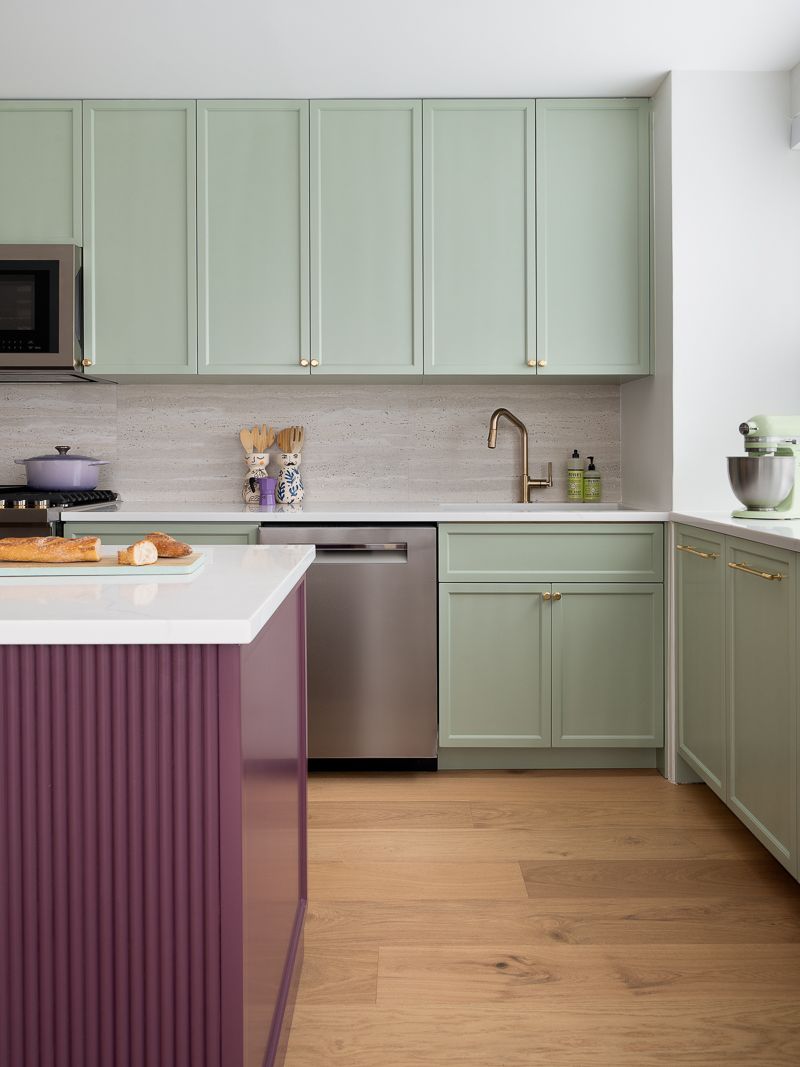
The Aesthetic: Modern manufacturing techniques allow porcelain to convincingly replicate travertine, quartzite, metals, and even mirrored finishes, offering a high-end architectural look at a fraction of the cost of full slabs.
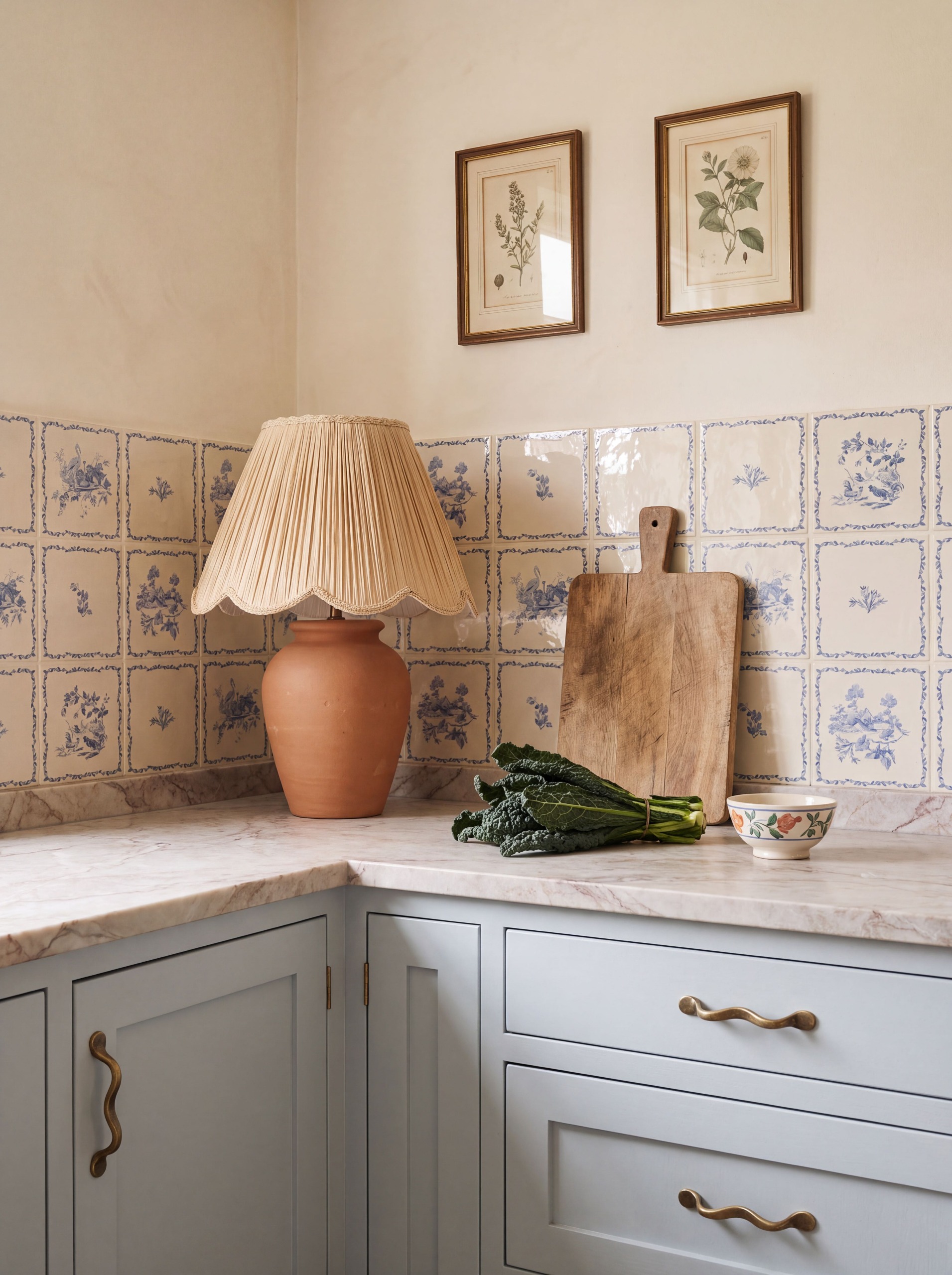
3. Artisanal and Heritage Tiles
Rejecting the cold perfection of mass-produced ceramics, homeowners are injecting soul and narrative into their kitchens through hand-crafted, time-worn tiles.
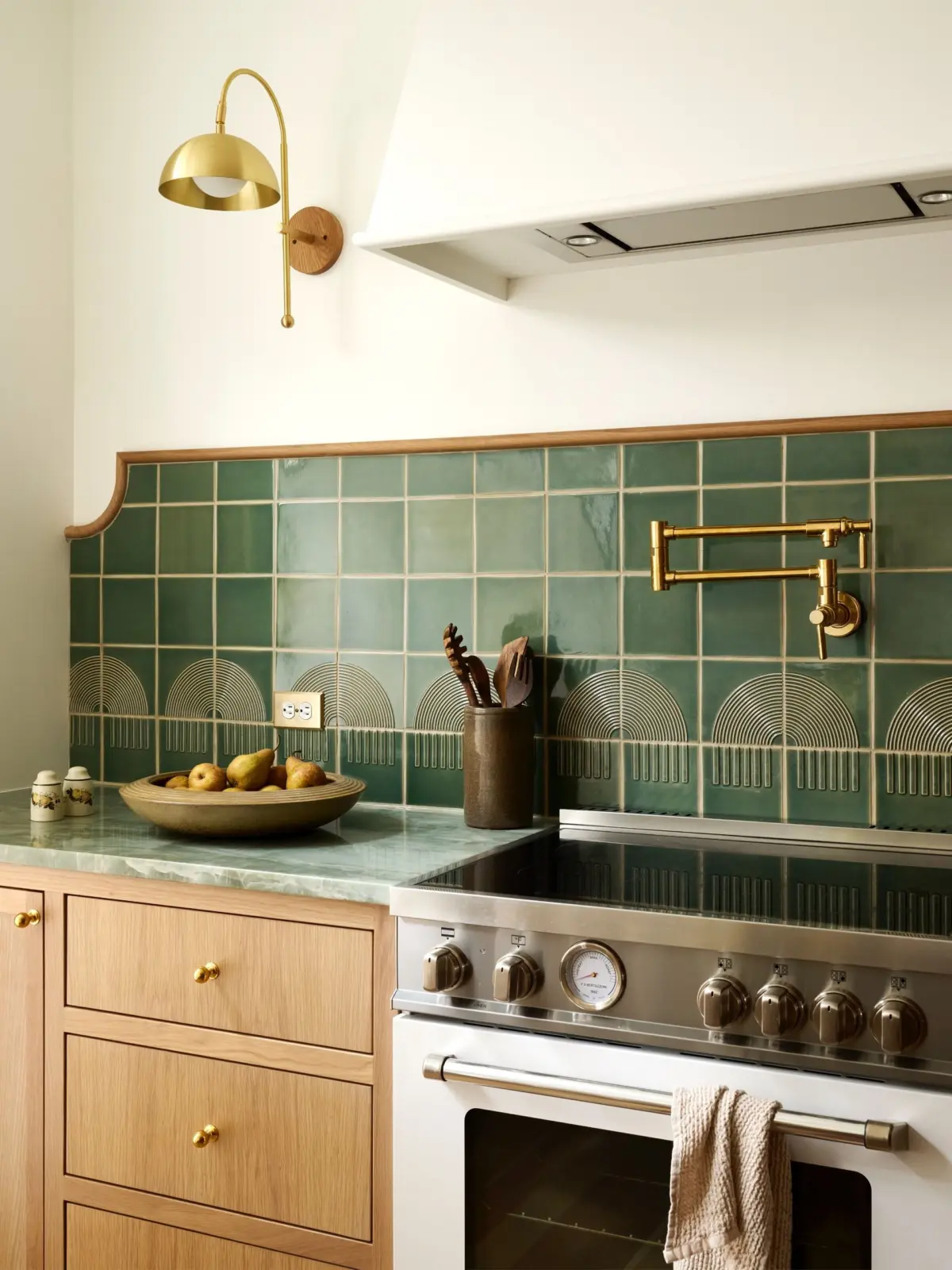
The Collaborations: Heritage brands are leading the charge. Ca’ Pietra has teamed up with fabric powerhouse Sanderson to translate iconic wallpaper archives into ceramic formats. Similarly, Bert & May has collaborated with designers like Chrisanna McArthur to produce hand-painted motifs rooted in historic craftsmanship.
The Appeal: Gianpiero Gaglione of Gianpiero Gaglione Interior Design notes that clients actively seek the warmth, minor imperfections, and artistic depth that only artisanal tiles can provide.
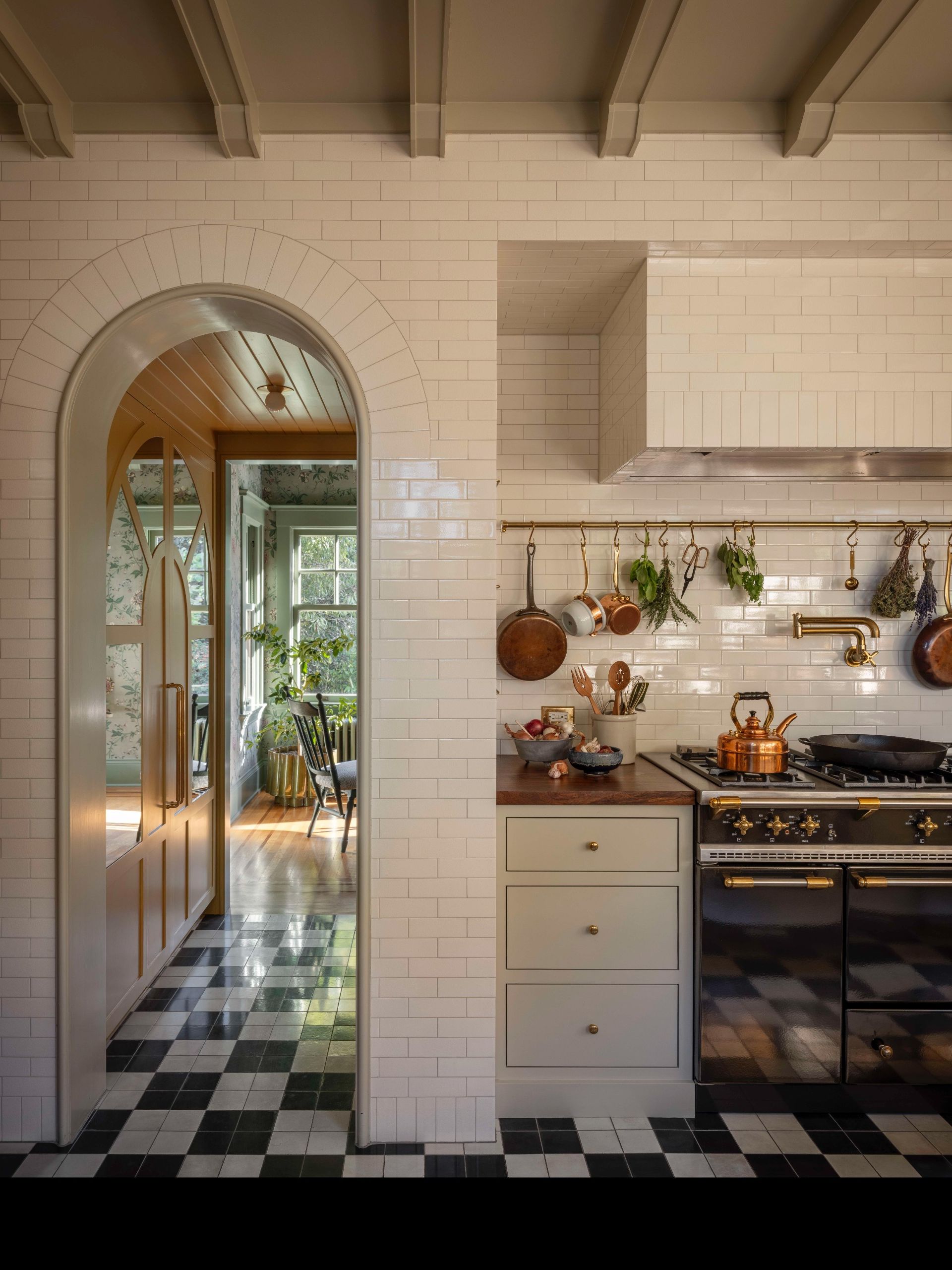
4. Top-to-Toe Metro Tiles
Subway tiles are experiencing a historic revival, moving past the standard under-cabinet band to encompass entire walls, range hoods, and ceiling transitions.
The Historical Anchor: Award-winning designer Jessica Helgerson points to historic European inspirations—such as the kitchen at the Musée Nissim de Camondo in Paris—as the blueprint for this look.
The Execution: By sticking to a classic brick-bond pattern in soft creams or off-whites (and deliberately avoiding trendy alternate patterns like herringbone), designers achieve a timeless, historically authentic aesthetic that eliminates the awkward question of where a backsplash should end on an open wall.
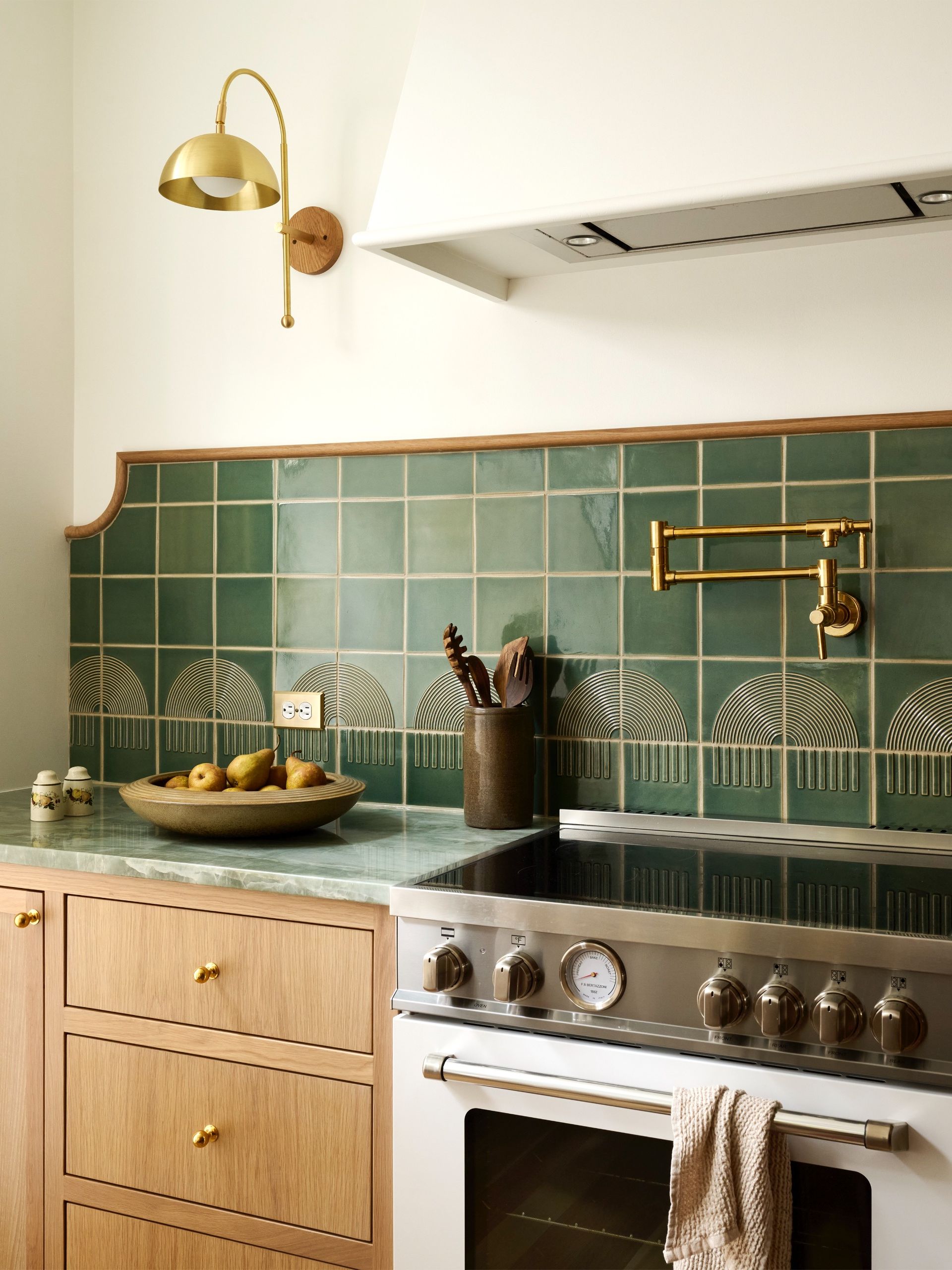
5. Sculptural and Architectural Designs
Treating backsplashes as millwork rather than protective shields is defining high-end custom builds in 2027.
The Approach: Sary Em of Rework Architecture and Design treats backsplashes with the same spatial consideration given to fireplace surrounds or custom built-ins. Edges are framed with materials like white oak to mirror surrounding cabinetry, and curves are introduced to echo architectural features like nearby windows or arched entryways.
The Result: The backsplash transitions from a protective sheet into an integrated sculptural focal point that anchors the kitchen’s spatial geometry.
6. Small Format Tiles on a Big Scale (Mosaics)
Moving away from large, high-contrast stone veining, designers are bringing texture back into focus through micro-patterns.
The Texture: Christina Cruz highlights a return to handcrafted mosaic backsplashes that introduce subtle, tactile interest without overwhelming the room.
The Integration: When paired with raw organic materials like soapstone, warm woods, and polished plaster, tonal mosaics provide a quiet layer of sophistication that ages gracefully over decades.
Official Perspectives & Expert Commentary
The shift toward architectural backsplashes is underpinned by a philosophy of intentionality and financial pragmatism. Industry leaders emphasize that the longevity of a kitchen relies heavily on how its elements interact over time.
"This backsplash look allows for more creative freedom with the cabinetry design and colorations," explains Lisa Worth. "When the backsplash contrasts with the countertop, it can become the main focal point… While eclecticism remains on trend, it’s important to remember that the cabinetry is the star of the show."
Addressing the economic realities of modern home renovations, Ruchi A Mohan points out that clever material substitution does not mean compromising on luxury.
“Longer term, the backsplash has a more visible impact on kitchen design than the stone itself,” Mohan notes. “Budget is always real, be it during current times or in the future; materials that provide a solution to budget and increase design impact are always in trend.”
Echoing the sentiment of heritage preservation, Jessica Helgerson underscores the importance of context:
“While this backsplash treatment obviously leans into a nostalgic look, it’s more about trying to rectify something that feels authentic to the house, so this is a design move we are more likely to do in a period property.”
Implications for Homeowners and the Design Industry
The 2027 backsplash trends carry significant implications for both residential construction and interior product manufacturing:
Shift in Trades and Labor: Installing continuous stone slabs, large-format porcelain without grout, or intricately framed sculptural backsplashes requires specialized tile setters and stone fabricators. The demand for master craftsmanship is driving up the value of skilled labor in kitchen remodeling.
Sustainability and Longevity: By prioritizing timeless designs—such as unadorned subway tiles, natural stone, and heritage ceramics—homeowners are moving away from fast-interior trends that require gut-renovations every decade. This aligns with broader consumer demands for sustainable, long-lasting home investments.
Cross-Industry Partnerships: The successful collaborations between fabric houses (like Sanderson) and tile manufacturers (like Ca’ Pietra) signal a blurring of lines across home decor sectors. Consumers can expect to see more unified collections where drapery, upholstery, and kitchen ceramics share cohesive artistic lineages.
Redefining Kitchen Value: As the backsplash is elevated to an architectural element, real estate valuation models will increasingly view custom kitchen millwork and integrated stonework as permanent architectural assets rather than superficial cosmetic upgrades.
Ultimately, the defining ethos of the 2027 kitchen backsplash is understated authenticity. The most successful designs are those that refuse to shout, instead offering a quiet, deeply personal dialogue with the architecture of the home and the lives of the people within it.