

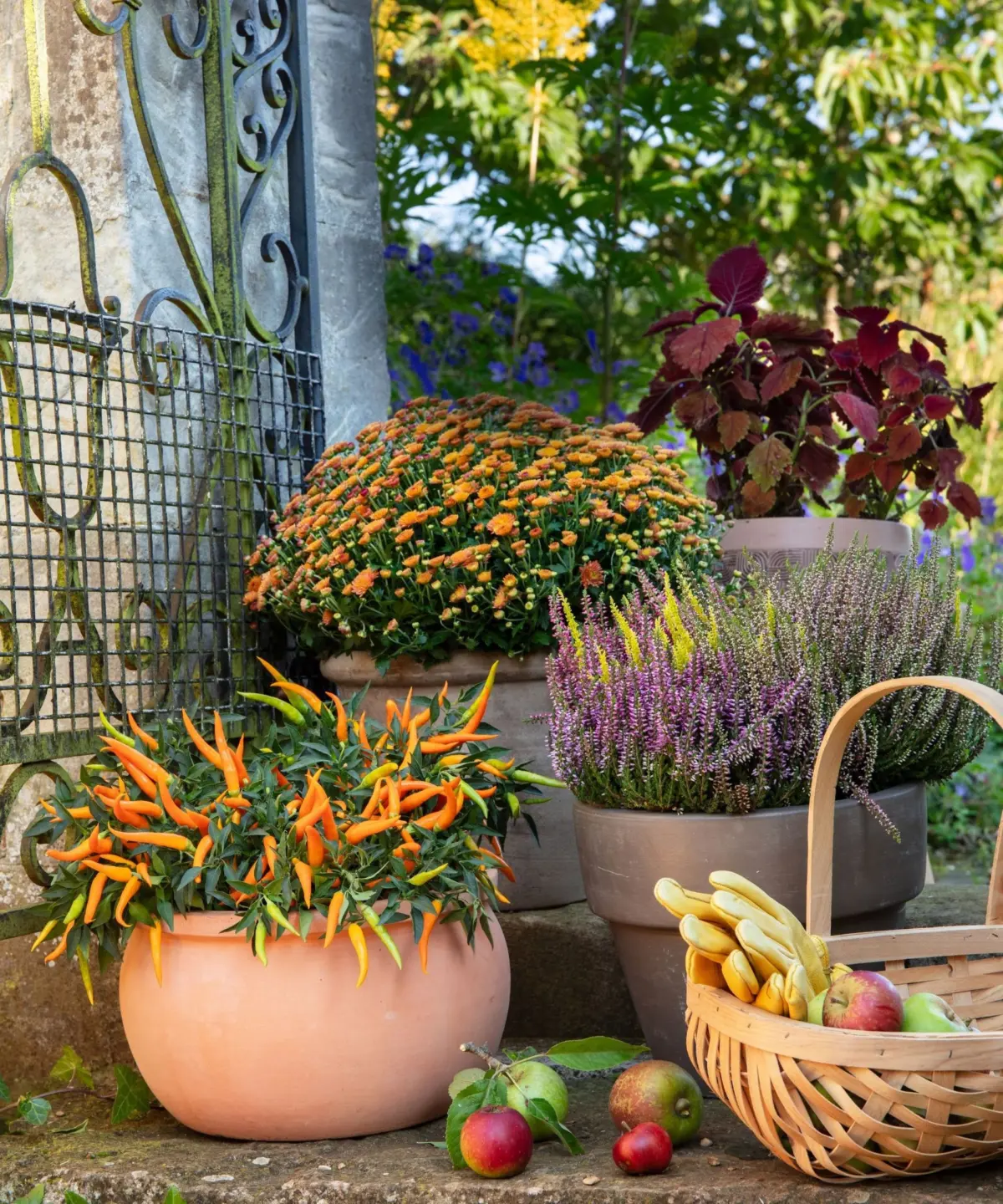
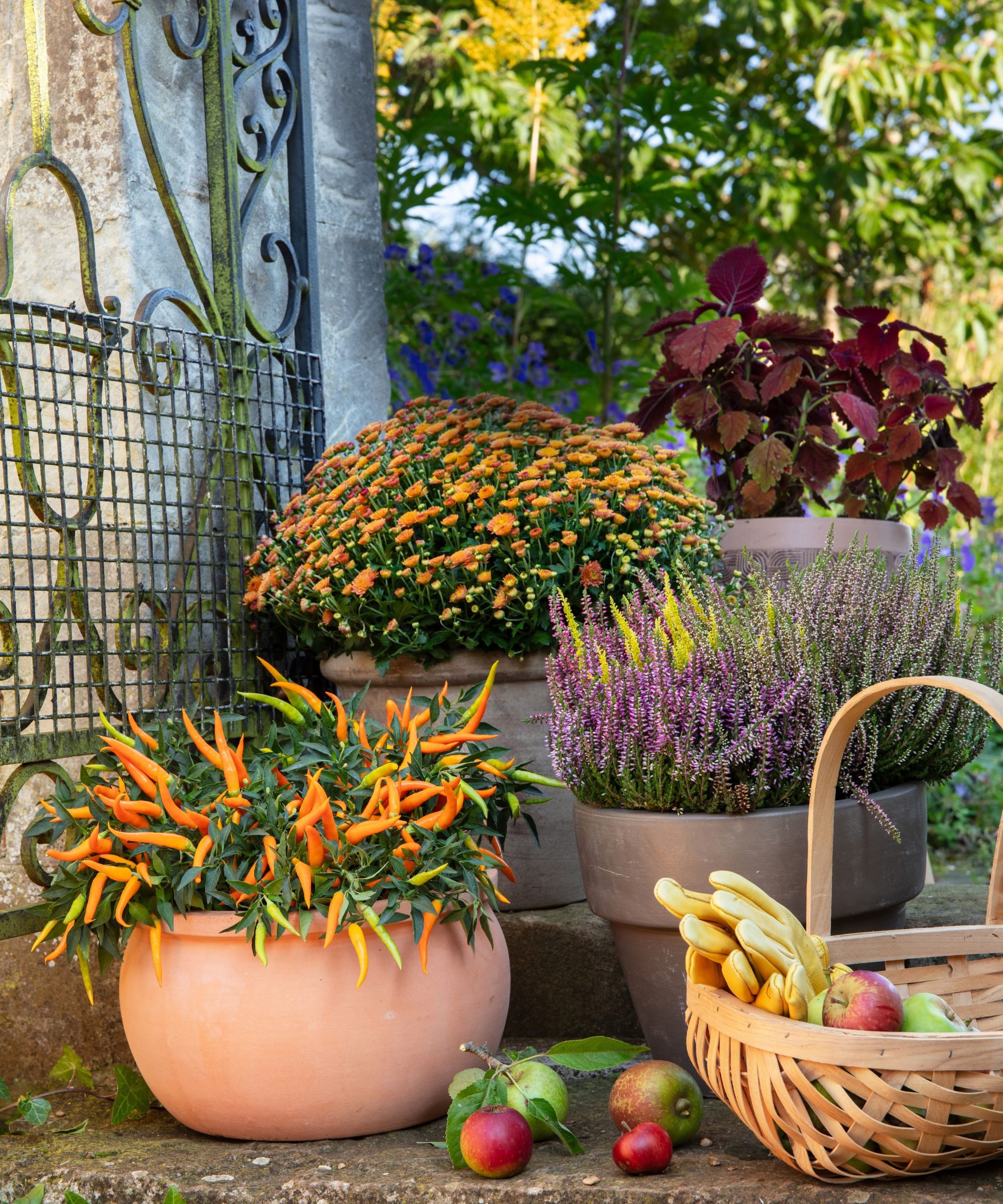
As the crisp air of autumn sweeps across neighborhoods, homeowners and garden enthusiasts alike turn their attention toward seasonal curb appeal. For decades, the ubiquitous autumn chrysanthemum has worn the crown as the undisputed king of fall porch planters. However, a vibrant, fiery contender is rapidly surging in popularity, poised to steal the spotlight. Ornamental peppers (Capsicum annuum varieties) are transforming front porches, patios, and containers nationwide with their stunning array of jewel-toned fruits, dynamic foliage, and unmatched seasonal resilience.
Combining these dramatic container favorites with the right companion plants and understanding their specific horticultural requirements can yield a porch display with serious "wow" factor—one that will retain its brilliant color and vitality for weeks, and potentially months, to come.
Main Facts: Understanding the Ornamental Pepper Phenomenon
Ornamental peppers are rapidly becoming the go-to element for modern fall container gardening, overtaking traditional mums due to their longevity, structural variety, and striking color transformations.
- Botanical Background: Belonging to the Solanaceae (nightshade) family—alongside culinary staples like tomatoes, potatoes, and edible chilis—ornamental peppers trace their evolutionary roots to the dry, sun-drenched regions of northern South America and southwestern North America.
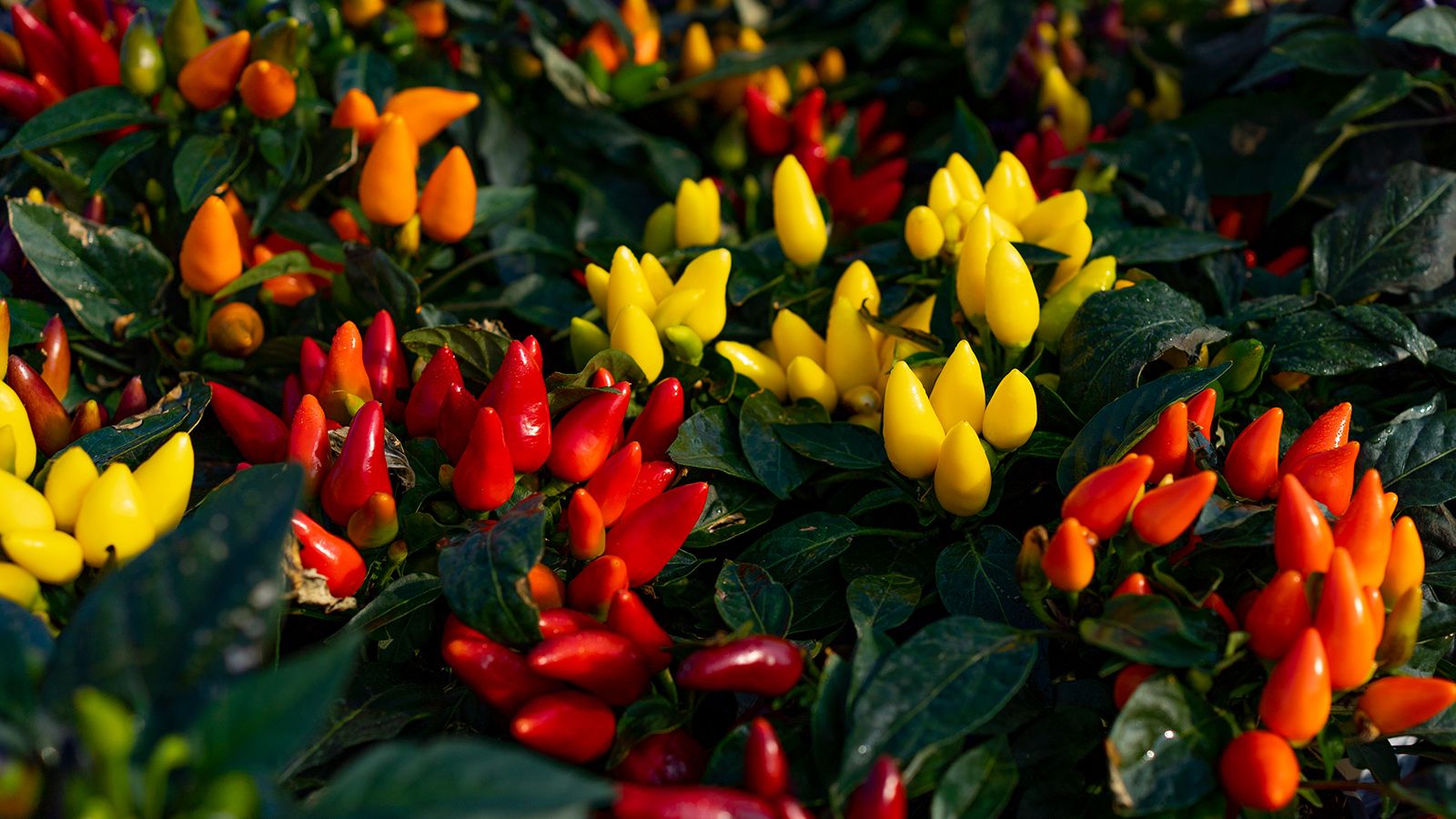
- The Visual Appeal: Unlike standard potted plants that bloom once and fade, ornamental peppers feature upright, flame-like fruits that continually change color as they mature. A single plant can simultaneously display shades of neon yellow, fiery orange, deep crimson, and rich purple.
- Hardiness: While typically treated as tender annuals hardy to 70°F (21°C), they thrive year-round in USDA Zones 9 through 11. In cooler climates, they serve as the ultimate high-impact autumn and Halloween porch statement piece.
- Container Versatility: Their compact root systems make them exceptionally well-suited for container culture, flourishing in everything from traditional terracotta pots and large textured statement planters to modern hanging baskets.
Chronology: The Seasonal Lifecycle of Fall Porch Displays
Planning, planting, and maintaining a show-stopping ornamental pepper container requires a well-timed approach to ensure peak visual impact throughout the autumn months.
Late Summer (Preparation and Planting)
- Soil & Drainage Setup: Gardeners begin assembling their displays in late August or early September. To replicate the dry, native conditions of the American Southwest, experts recommend utilizing high-quality potting mixes amended with 20% to 30% vermiculite or biochar to ensure optimal drainage.
- Container Selection: Porous materials like terracotta pots are prioritized to prevent moisture retention and root rot. Additionally, incorporating pot feet raises the containers off cold ground, preventing waterlogging during early autumn rains.
- Companion Integration: Ornamental peppers are paired with textural elements such as ornamental grasses, cascading heucheras, and contrasting flowers like quilled chrysanthemums and violas.
Mid-Autumn (Peak Display and Maintenance)
- Irrigation Adjustments: As temperatures drop, watering is carefully monitored. Containers are watered deeply only after the top two inches of compost have completely dried out.
- Nutritional Boosts: Every two to three weeks, growers apply a low-nitrogen, balanced liquid fertilizer (such as a 0-10-10 formulation) to stimulate vibrant fruit production over excessive foliage growth.
- Pest Vigilance: Warm, dry autumn days can occasionally trigger pest issues. Gardeners monitor for aphids and spider mites, treating flare-ups proactively with insecticidal soaps, neem oil, or a sharp blast from a garden hose.
Late Autumn to Winter (Transition)
- Hard Frost Management: As temperatures dip below freezing, tender annual varieties succumb to the frost. In warmer USDA zones (9–11), plants continue to thrive, while northern gardeners transition their porches to evergreen boughs, winterberries, and pumpkins.
Supporting Data & Variety Guide: Choosing the Right Cultivar
The secret to a successful ornamental pepper display lies in selecting the right variety to match your design aesthetic and space constraints. Botanists and horticulturists highlight several standout cultivars dominating the market:
1. ‘Chilly Chili’
- Characteristics: Features long, tapered fruits that point straight upward like vibrant yellow and green fingers before maturing into bright red. Because the plant holds multiple stages of maturity at once, it presents a multicolored palette simultaneously.
- Size: Compact, reaching roughly 10 inches (25 cm) in height.
- Best For: Small-to-medium front-porch pots where space is at a premium.
2. ‘Basket of Fire’
- Characteristics: An edible, moderately spicy ornamental pepper displaying stunning gradients of red, orange, cream, and yellow fruits across a single bush.
- Size: Reaches approximately 12 inches (30 cm) with a naturally cascading, spreading habit.
- Best For: Hanging baskets, window boxes, or positioned near the front edge of a large mixed container.
3. ‘Black Pearl’
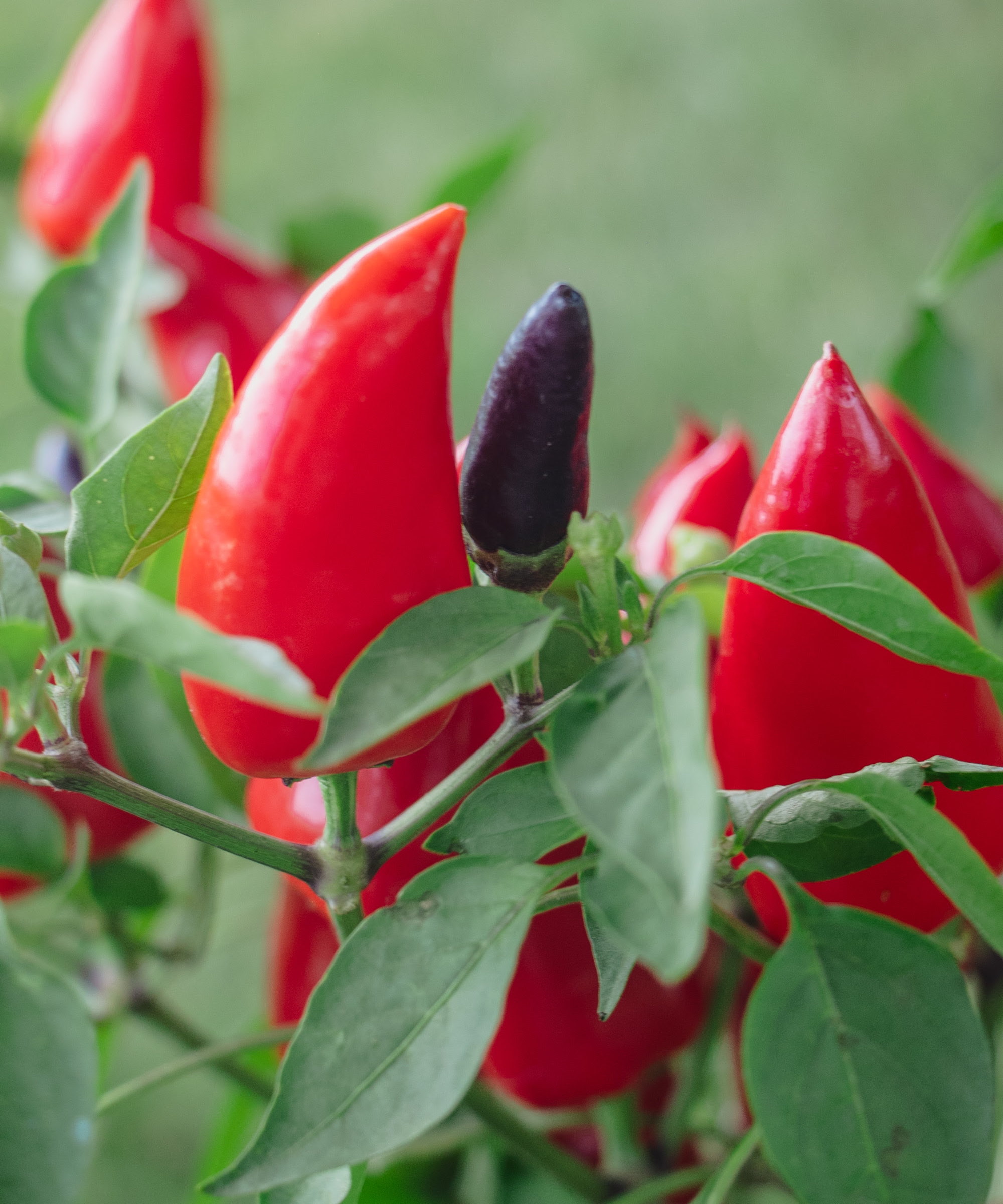
- Characteristics: Unmistakably dramatic, this variety boasts glossy, near-black foliage paired with clusters of small, berry-like fruits that transition from jet black to brilliant crimson.
- Size: Substantial, growing up to 18 inches (45 cm) into an elegant, natural pyramid shape.
- Best For: Acting as the vertical anchor or centerpiece in a large statement container.
4. ‘Sangria’
- Characteristics: A wider, slightly trailing plant producing very mild, finger-like peppers that shift from vibrant purple to rich red. Its mild heat profile makes it a safer choice for households with young children.
- Size: 12 inches tall by 18 inches wide (30 cm x 45 cm).
- Best For: Softening the edges of elevated porch urns and pairing with cool-toned autumn foliage.
5. ‘Hot Pops’
- Characteristics: Exceptionally cute with small, rounded, egg-shaped fruits pointing skyward. Colors cycle from pale yellow-green to striking yellow, orange, and red all at once.
- Size: A diminutive 6 inches (15 cm) tall.
- Best For: Accent plantings, tabletop autumn displays, and tight corners.
Note on Edibility: While many ornamental peppers are technically edible, their flavors can range widely from bland and bitter to intensely fiery. Experts advise treating them primarily as visual decor unless the specific cultivar’s culinary safety is verified.
Horticultural Insights & Expert Perspectives
Horticulturalists and landscape designers emphasize that container gardening success relies heavily on structural balance and mimicking a plant’s natural habitat.
According to container design specialists, every successful autumn recipe requires a three-tiered approach:
- Vertical Impact: A tall, structural element—such as an upright ornamental pepper or a dramatic grass—to draw the eye upward.
- Tactile Movement: Plants that introduce texture and motion, such as Carex ‘Prairie Fire’ or ‘Red Baron’ Japanese blood grass, whose crimson-tipped blades mirror the deep reds of the peppers.
- Edge Softening: Spilling, trailing plants like heucheras or violas placed along the rim to cascade down the sides of the pot.
Furthermore, light exposure is non-negotiable. For ornamental peppers to achieve their most intense, saturated colors, they require a minimum of six to eight hours of direct sunlight daily. Gardeners are advised to place these containers on south- or west-facing porches to maximize their sun exposure during shortening autumn days.
Implications: The Shift in Modern Fall Landscaping
The growing dominance of ornamental peppers over traditional fall flora signals a broader evolution in consumer preferences for seasonal outdoor decor. Homeowners are increasingly seeking out plants that offer multi-seasonal interest, unique architectural silhouettes, and resilience against shifting climate patterns.
By diversifying porch displays to include high-impact, brightly colored edibles and structural annuals, gardeners are elevating curb appeal from standard seasonal decorating to an art form. As nurseries expand their availability of specialty cultivars like ‘Black Pearl’ and ‘Basket of Fire’, the ornamental pepper is firmly cementing its legacy as the undisputed champion of the modern autumn porch.
