Published: September 23, 2026 Author: Eduardo Souza (Adapted and Expanded) Event Dates: September 17 – October 1, 2026 Location: Oslo, Norway
Main Facts: Redefining the Built Environment
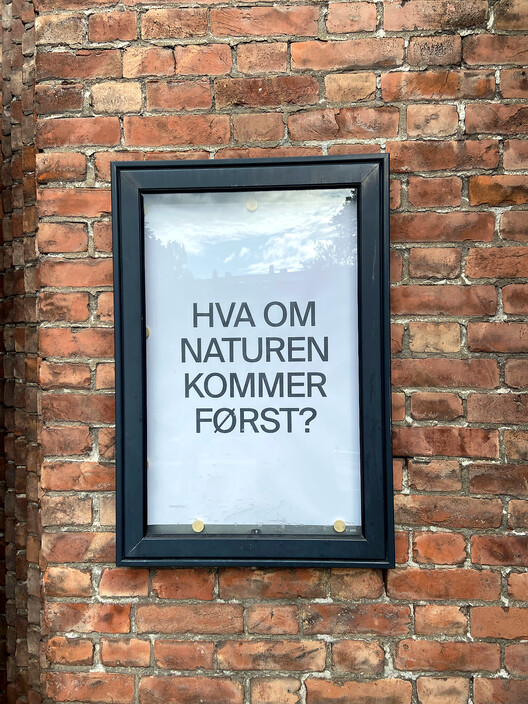
The 9th edition of the prestigious Oslo Architecture Triennale (OAT) has officially opened its doors, setting a radical tone for the future of spatial design. Running from September 17 to October 1, 2026, this year’s festival centers around a singular, provocative question: "What if Nature Comes First?"
Rather than treating the environment as an afterthought, a regulatory hurdle, or a mere aesthetic backdrop to urban development, the 2026 Triennale posits that ecological systems must serve as the fundamental baseline for all architectural intervention. This conceptual pivot challenges the foundational tenets of modern construction—such as resource extraction, land development, and human-centric spatial planning—urging architects, urban planners, and policy-makers to view themselves as stewards of living ecosystems rather than masters of terrain.
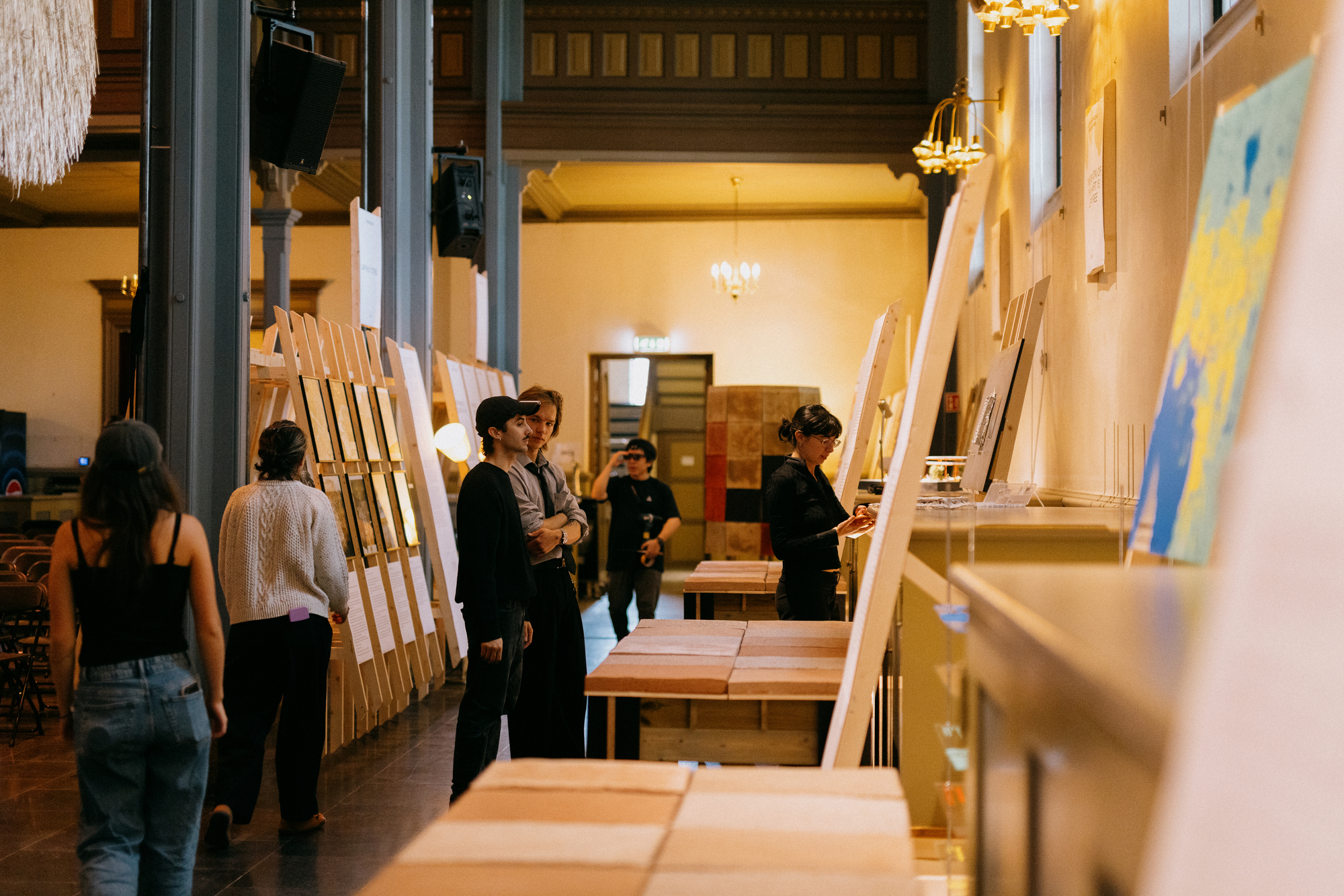
The primary venue for this year’s exploration is itself a physical manifestation of these ideas: the Sofienberg Church. A striking 19th-century Gothic brick building currently undergoing adaptive reuse to transition from a place of worship into a dynamic cultural and community center, the church offers a fittingly symbolic backdrop. Within its vaulted halls and newly repurposed spaces, a packed program of seminars, rigorous debates, hands-on workshops, and immersive exhibitions unpacks the systemic changes required to put nature first.
Chronology of the 9th Oslo Architecture Triennale
The path to the 2026 Triennale has been years in the making, reflecting a broader, urgent global pivot within the architectural discourse toward climate resilience, circular economies, and multispecies justice.
Late 2024 – Early 2025: Curatorial teams and advisory boards for the 9th OAT begin drafting the thematic framework. Recognizing the accelerating impacts of climate change, biodiversity loss, and resource depletion across Scandinavia and globally, the committee moves away from traditional technocratic solutions toward a deep ecological philosophy.
Mid-2025: The central theme—"What if Nature Comes First?"—is officially announced to the global architectural community, accompanied by open calls for experimental projects, research papers, and pavilion proposals that explore regenerative design.
Early 2026: Preparations begin at the historic Sofienberg Church in Oslo. Curators and designers collaborate to adapt the 19th-century landmark into an exhibition space that minimizes new material waste, utilizing the building’s inherent spatial qualities to house installations.
September 17, 2026: The Triennale officially opens to the public. The opening days feature keynote addresses from leading landscape architects, Indigenous rights advocates, and ecological philosophers, setting a tone of collaborative urgency.
September 17 – October 1, 2026: The core fortnight of the festival unfolds. Visitors participate in daily seminars, interactive workshops, and site-specific urban interventions across Oslo.
Post-October 2026 (Forward): The legacy phase begins, focusing on how the insights, manifestos, and frameworks generated during the Triennale can be integrated into municipal planning codes, European architectural curricula, and international building standards.
Supporting Data: The Ecological Imperative in Numbers
To understand the weight of the questions posed by the 2026 Oslo Architecture Triennale, one must look closely at the environmental data currently driving the construction industry:
Global Emissions: The building and construction sector accounts for roughly 37% of global energy-related carbon dioxide emissions, making it one of the single largest contributors to climate change.
Resource Consumption: The global built environment consumes approximately 50% of all extracted raw materials annually. If current trajectories continue, material consumption is projected to double by 2060.
Biodiversity Loss: Urban sprawl and infrastructure development are primary drivers of habitat fragmentation, contributing to the current mass extinction crisis, where species loss is occurring at rates tens to hundreds of times higher than the historical average.
The Nordic Context: Norway, despite its progressive environmental policies and leadership in electric vehicle adoption and renewable energy, still faces immense challenges regarding embodied carbon in new infrastructure projects, roadway expansions, and urban densification around Oslo’s green belt.
The exhibitions at Sofienberg Church compile data visualizations, material lifecycle assessments, and prototype models demonstrating that shifting to a nature-first paradigm is not just an ethical imperative, but an economic and structural necessity for long-term human survival.
Official Responses and Curatorial Perspectives
The curatorial team behind the 9th OAT has emphasized that the festival is not designed to offer comfortable, plug-and-play solutions for the real estate market. Instead, it serves as a critical mirror reflecting the contradictions of modern development.
"For centuries, architecture has operated on a foundational premise of conquering, reshaping, and fencing off the natural world," notes a lead curator for the 2026 Triennale. "When we ask ‘What if Nature Comes First?’, we are not asking how green roofs or timber facades can make conventional buildings look eco-friendly. We are asking whether a building should exist at all in a given ecosystem, how it can give back more resources than it extracts, and how human habitation can actively regenerate degraded landscapes."
Local municipal leaders in Oslo have also welcomed the Triennale as a timely touchstone for the city’s ongoing urban planning strategies. Oslo has long prided itself on its "Fjord City" regeneration and extensive network of protected green spaces (the Nordmarka), yet municipal planners face mounting pressures to balance housing demands with ecological preservation.
Representatives from Oslo’s planning department noted during opening week panels that the insights gathered from the Triennale’s workshops will directly inform local zoning discussions, particularly regarding wildlife corridors, daylight access for non-human species, and stricter caps on embodied carbon in public procurement projects.
Implications for the Future of Architecture
The lessons emerging from the Oslo Architecture Triennale 2026 extend far beyond the borders of Norway, signaling a profound cultural and professional shift for the global design community.
1. From Human-Centric to Multispecies Design
Traditional architecture has historically prioritized human comfort, visual pleasure, and economic efficiency. A nature-first approach expands the client base to include local flora, fauna, and hydrological systems. Designers are challenged to consider how buildings affect local bird migration paths, soil microbiology, and watershed health.
2. The End of Business-As-Usual Materiality
The exhibitions showcase alternatives to carbon-intensive concrete and steel, spotlighting hyper-local, bio-based materials such as mycelium composites, rammed earth, hemp-lime, and reclaimed structural timber. Crucially, the Triennale questions the logic of demolition, framing adaptive reuse—exemplified by the festival’s own venue at Sofienberg Church—as the default ethical baseline for the profession.
3. Policy and Regulatory Evolution
For a nature-first paradigm to move from academic theory to widespread practice, building codes must evolve. Architects participating in OAT26 are calling for regulatory frameworks that penalize ecological disruption and reward regenerative design practices. This includes mandatory biodiversity offsets, lifecycle carbon caps, and legal rights for natural features like rivers and forests within urban jurisdictions.
4. Educational Reform
Finally, the Triennale holds profound implications for how architecture is taught. By shifting the starting point of design education from geometry and structural mechanics to ecology, earth sciences, and indigenous land management, universities can cultivate a new generation of architects equipped to navigate the realities of the Anthropocene.
As the 9th Oslo Architecture Triennale draws to a close in early October 2026, its lasting legacy will be measured not by the applause it receives in design journals, but by how courageously the architectural profession adopts its central premise: stepping back to let nature take the lead.