

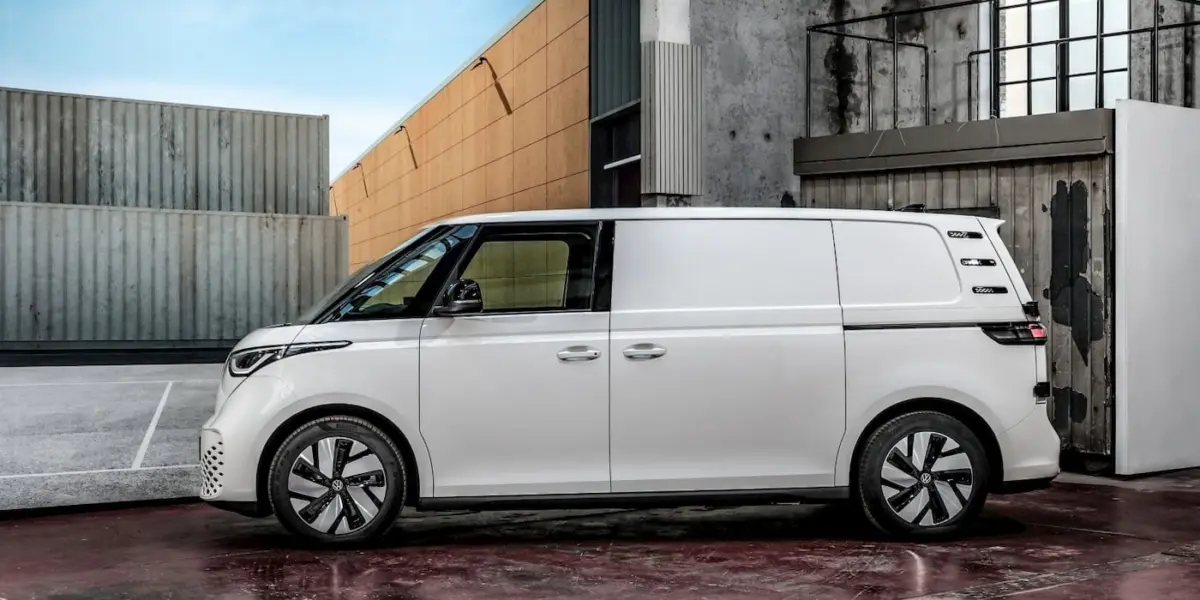
BERLIN — In the rapidly evolving landscape of commercial electric vehicles, automakers are continually racing to capture the burgeoning market for zero-emission delivery vans. Volkswagen Commercial Vehicles has made a decisive move to solidify its position at the forefront of this segment. Following closely on the heels of competitive offerings such as Kia’s newly introduced PV7, Volkswagen has officially launched a longer, more capable iteration of its popular electric work van: the ID. Buzz Cargo Long Wheelbase (LWB).
Designed strictly with commercial enterprises, tradespeople, and logistics fleets in mind, the new LWB variant addresses the primary criticisms leveled against the standard-length model—namely, cargo capacity and payload flexibility. By stretching the chassis and integrating a larger battery pack alongside a suite of modernized software and hardware improvements, Volkswagen is positioning the ID. Buzz Cargo LWB as a versatile, heavy-duty workhorse for modern urban and suburban logistics.
Pre-orders for the top-tier all-wheel-drive configuration opened mid-week, with a rear-wheel-drive variant slated to follow immediately after. As commercial fleets face tightening municipal emissions regulations and a growing corporate mandate for sustainability, the arrival of this extended electric van could signal a pivotal shift in how businesses handle last-mile delivery.
Main Facts
The Volkswagen ID. Buzz Cargo LWB introduces a substantial physical expansion over the standard consumer-facing and short-wheelbase cargo iterations, directly targeting commercial utility and efficiency.
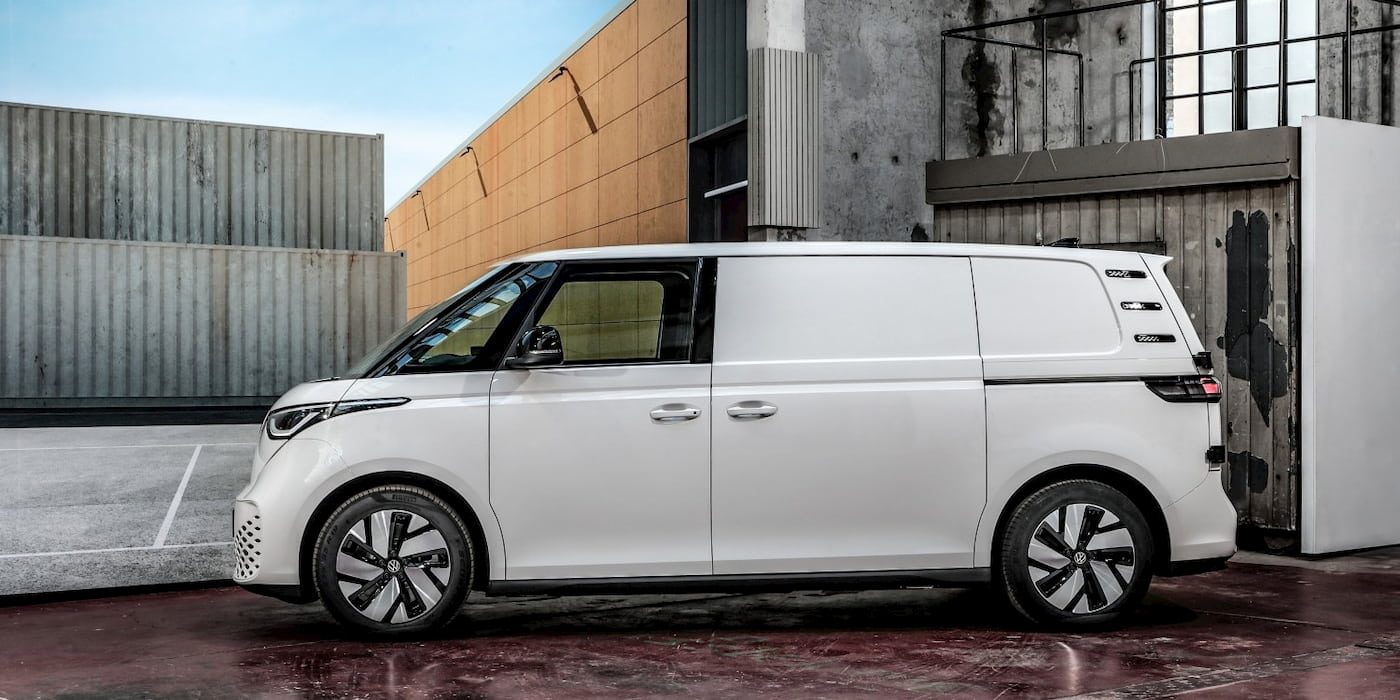
- Physical Dimensions: The LWB variant measures 4,962 mm in total length, anchored by a 3,239 mm wheelbase. This represents an interior floor length extension of 250 mm compared to the standard ID. Buzz.
- Cargo Capacity: The volumetric storage space in the load compartment has grown by an additional 0.5 cubic meters, optimizing the interior layout for commercial transport.
- Accessibility: The vehicle comes standard with a robust wood flooring system and a second sliding side door. Crucially, this side door has been widened by 19 cm, making it wide enough to accommodate standard Euro pallets loading directly from the side. Rear-wing doors remain available as an optional configuration.
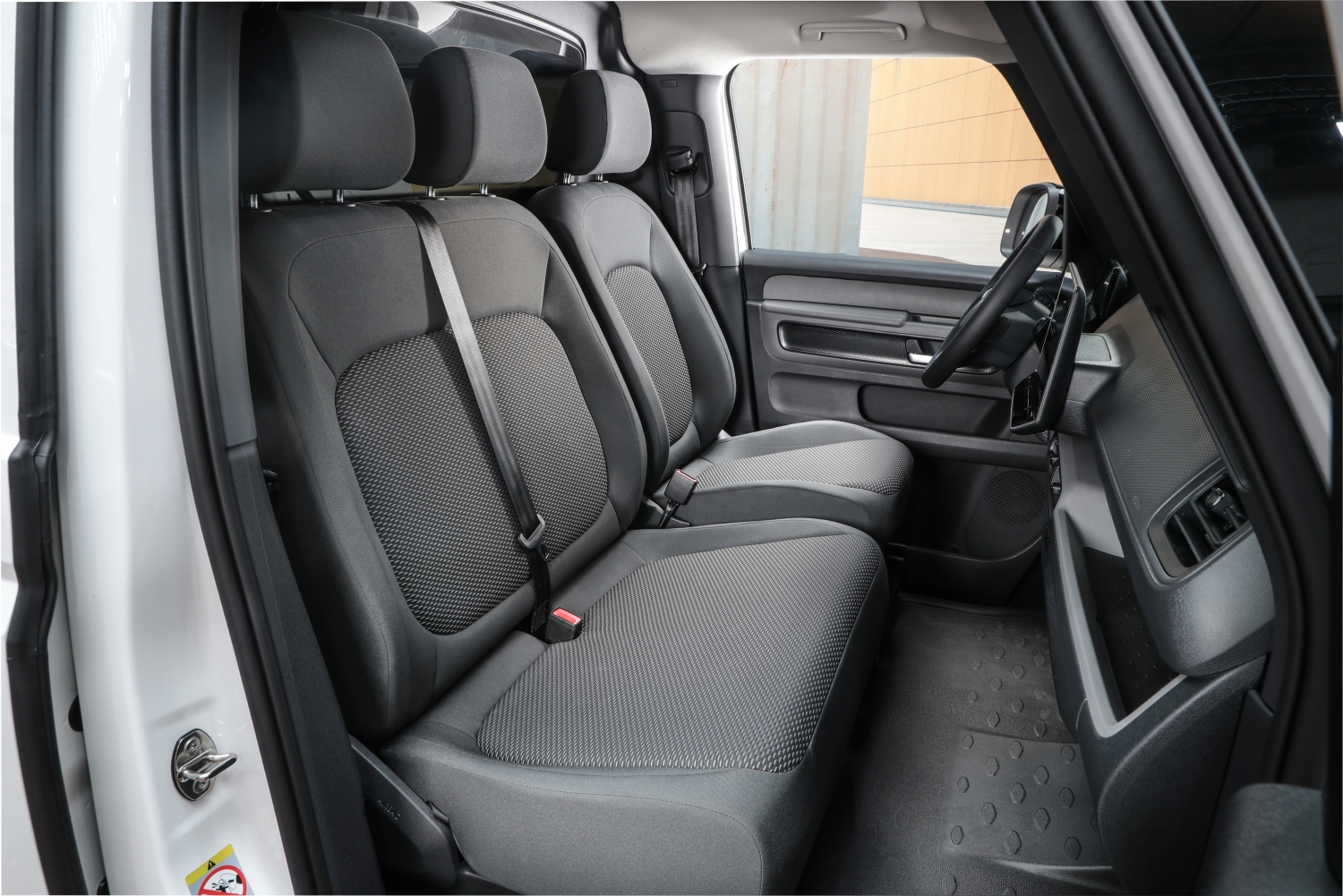
- Payload Limits: Depending on the chosen powertrain, the maximum payload capacity reaches up to 700 kg for rear-wheel-drive (RWD) models, and up to 606 kg for the all-wheel-drive (AWD) variants. Seating configurations remain versatile, offered in both two- and three-seat layouts.
- Battery and Range: The LWB model is powered by a larger 86 kWh battery pack (up from the standard model’s 79 kWh unit), projected to deliver a WLTP-rated range approaching 300 miles (approx. 482 km) on a single charge.
- Powertrain Performance: The 4MOTION all-wheel-drive variant generates up to 250 kW (335 horsepower) combined, marking a significant upgrade from the 210 kW (281 hp) found in the standard-wheelbase version.
- Pricing and Availability: European order books for the 4MOTION AWD model opened on September 23, with base pricing starting at €50,630 (approximately $58,000 USD). The more affordable RWD variant follows shortly thereafter, starting at €48,490 (approximately $55,000 USD). British markets will see order openings in early 2027, with an official retail launch anticipated in the spring.
Chronology
The development and rollout of the ID. Buzz Cargo LWB represent a calculated response to shifting market dynamics and competitive pressures within the light commercial vehicle (LCV) sector.
Early Market Pressure and Concept Evolution
When Volkswagen initially introduced the ID. Buzz, the vehicle captured global attention largely due to its nostalgic, retro-futuristic design channeling the classic VW Microbus. While the passenger variant was embraced by lifestyle buyers, the commercial "Cargo" derivative was developed to test the waters for electrified trades and delivery fleets. However, fleet operators frequently noted that the standard wheelbase imposed limitations on bulky cargo configurations.
The competitive landscape shifted rapidly throughout 2024 and 2025. Competitors such as Kia announced aggressive commercial architectures—most notably the PV5 and PV7 modular platforms—designed specifically to scale the logistics and delivery sectors. Recognizing the need to defend its turf in Europe and expand its global commercial footprint, Volkswagen accelerated the rollout of its long-wheelbase platform, which had been previously hinted at during North American market expansions.
The Official Launch Sequence
The formal unveiling of the ID. Buzz Cargo LWB took place on a Wednesday, marking a major milestone for Volkswagen Commercial Vehicles. Rather than staggering the release across body styles, Volkswagen elected to roll out the utilitarian commercial vehicle alongside its broader software and battery upgrades.
Pre-orders for the powerful 250 kW 4MOTION AWD model commenced immediately on September 23, signaling to commercial buyers that high-traction, high-performance electric vans are ready for immediate deployment ahead of winter weather conditions. The slightly lower-cost, highly efficient rear-wheel-drive configuration is scheduled to enter the sales funnel the following week, broadening the vehicle’s market reach to budget-conscious fleet operators who prioritize raw range over dual-motor traction.
Supporting Data
A granular examination of the specifications highlights how Volkswagen engineered the ID. Buzz Cargo LWB to withstand the rigorous demands of commercial operations without sacrificing efficiency.
| Feature / Metric | Standard ID. Buzz Cargo | ID. Buzz Cargo LWB (Long Wheelbase) |
|---|---|---|
| Total Length | Standard (~4,712 mm) | 4,962 mm |
| Wheelbase | Standard (~2,989 mm) | 3,239 mm |
| Interior Load Length | Baseline | +250 mm extension |
| Cargo Volume | Baseline | +0.5 m³ additional space |
| Battery Capacity | 79 kWh | 86 kWh |
| Estimated WLTP Range | Up to 277 miles | Nearly 300 miles |
| Max Power Output | 210 kW (281 hp) | Up to 250 kW (335 hp) [AWD] |
| Max Payload (RWD) | Variable | Up to 700 kg |
| Max Payload (AWD) | Variable | Up to 606 kg |
| Starting Price (EUR) | Varies | From €48,490 (RWD) / €50,630 (AWD) |
Energy Storage and Thermal Management
The integration of the 86 kWh battery pack not only extends the driving radius to nearly 300 miles under WLTP testing conditions but also incorporates advanced thermal management systems designed to preserve battery health during frequent fast-charging cycles. Commercial vehicles endure heavy stop-and-start usage patterns, making the durability of the chemistry paramount. The larger battery also serves as the physical foundation for the vehicle’s expanded electronic architecture, feeding auxiliary power systems reliably.
Official Responses and Technological Integration
Volkswagen Commercial Vehicles has emphasized that the ID. Buzz Cargo LWB is far more than a simple chassis stretch; it is a rolling technology platform designed to integrate seamlessly into modern digital fleet management ecosystems.

Software and Cabin Intelligence
The LWB variant comes equipped with Volkswagen’s latest-generation ID. software stack. This update introduces a more responsive infotainment interface, enhanced route planning optimized for commercial charging stops, and the option for advanced driver-assistance systems (ADAS) such as Travel Assist. Furthermore, the inclusion of intuitive one-pedal driving modes helps minimize brake wear in heavy urban traffic—a significant cost-saving metric for fleet maintenance managers.
Vehicle-to-Load (V2L) Capabilities
One of the most notable technological additions to the ID. Buzz Cargo LWB is the implementation of Vehicle-to-Load (V2L) capabilities. By transforming the van into a mobile power source, tradespeople—such as contractors, electricians, and mobile repair units—can draw electricity directly from the vehicle’s high-voltage battery to power heavy-duty tools, diagnostic equipment, or lighting systems on remote job sites without needing external generators or noisy combustion engines.
Volkswagen representatives noted during the launch presentation that the integration of V2L directly addresses feedback from early commercial testers who required dual-purpose utility from their electric fleet investments.
Implications
The introduction of the Volkswagen ID. Buzz Cargo LWB carries significant implications for the commercial automotive market, fleet operators, and the broader transition toward sustainable corporate logistics.

Transforming Urban Logistics and Last-Mile Delivery
As major metropolitan areas across Europe and North America tighten low-emission zone (LEZ) restrictions and levy heavy fees on internal combustion commercial vehicles, logistics companies are under intense pressure to electrify. The ID. Buzz Cargo LWB arrives as an attractive solution: it offers the volumetric capacity and pallet-loading convenience traditionally associated with diesel vans, yet emits zero tailpipe emissions. The ability to load a standard Euro pallet through the widened side door directly addresses logistical bottlenecks that previously hindered electric delivery vans.
Market Competition and Pricing Pressures
With a starting price hovering around $55,000 to $58,000 USD (€48,490 to €50,630 before regional incentives and taxes), the ID. Buzz Cargo LWB positions itself as a premium yet highly functional commercial asset. While upfront capital expenditure remains higher than legacy diesel equivalents, total cost of ownership (TCO) calculations—factoring in lower maintenance overhead, cheaper electricity versus fossil fuels, and potential tax write-offs—continue to tip in favor of electrification.
As rivals like Kia roll out competing modular platforms (such as the PV series), competition in the electric LCV market will inevitably intensify. This rivalry is expected to drive rapid technological iteration, better pricing models, and expanded charging infrastructures tailored specifically to commercial depots.
Looking Ahead to Global Markets
While European pre-orders are currently active and British deployments are locked in for a spring 2027 rollout, the broader commercial vehicle market is watching closely to see how Volkswagen adapts these extended variants for international markets, including North America. If the ID. Buzz Cargo LWB proves successful in European dense urban environments, it could pave the way for a broader paradigm shift in how small-to-medium enterprises view electric mobility—transforming commercial transport from a compliance obligation into an operational advantage.
