

By Automotive Desk
Updated: September 2026
Main Facts: The ID. Buzz US Timeline Pushed Back Yet Again
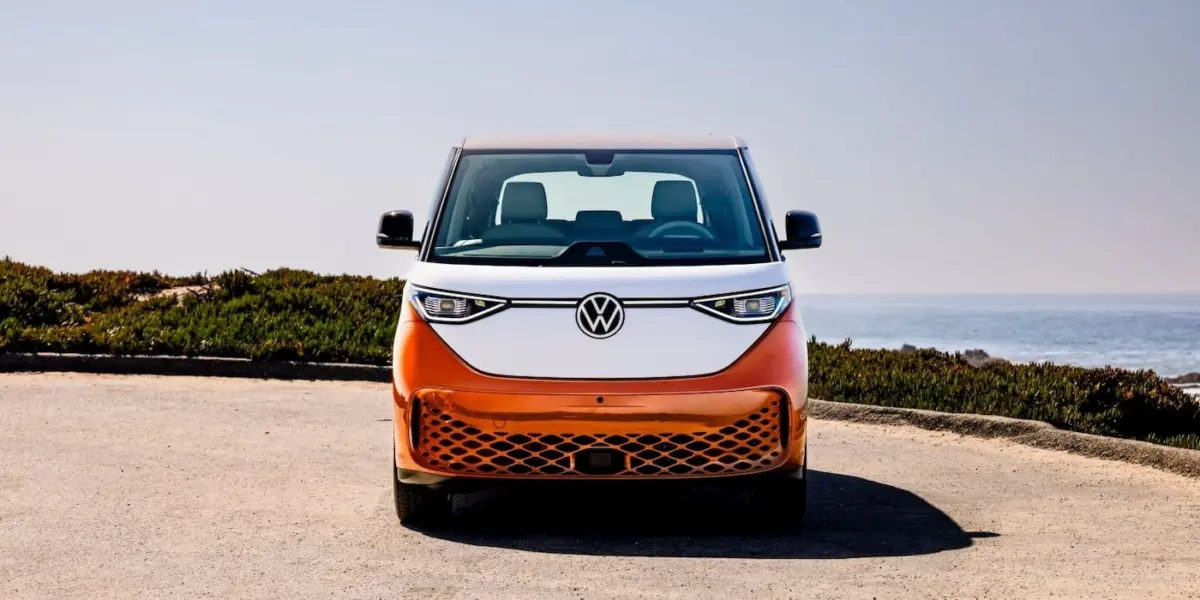
Volkswagen’s nostalgic, all-electric revival of its legendary microbus, the ID. Buzz, is facing yet another major hurdle in the United States. Following a trail of sluggish consumer demand, excess dealership inventory, and shifting corporate product timelines, the automaker has officially notified its American dealer network that the electric minibus will skip not only the 2026 model year, but now the 2027 model year as well.
According to an internal communication revealed by Automotive News on September 24, Volkswagen has pushed back the vehicle’s US market comeback to the 2028 model year. This latest postponement throws a wrench into previously announced updates for the vehicle, which had promised enticing features like an overnight-friendly "Tourer" trim and native North American Charging Standard (NACS) compatibility.
While Volkswagen executives continue to insist that the ID. Buzz is not being permanently phased out of the North American market, the continuous delays highlight the profound challenges foreign automakers face when trying to translate nostalgic European microbus heritage into high-volume US electric vehicle sales.
Chronology of a Slowdown: From 2024 Launch to the 2028 Delay
To understand how the ID. Buzz went from being one of the most anticipated EV launches of the decade to an intermittent fixture in Volkswagen’s production pipeline, it is necessary to trace the chronology of its bumpy American rollout.
1. The High-Hype Debut (2024)
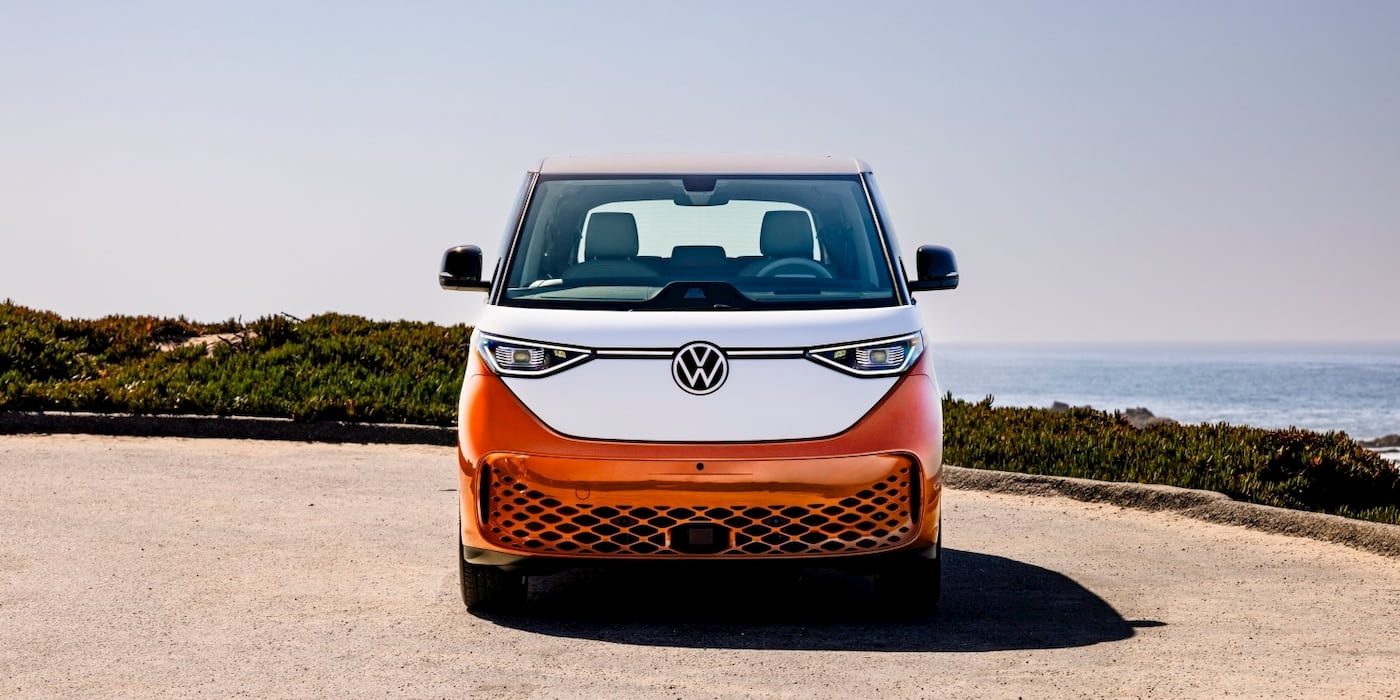
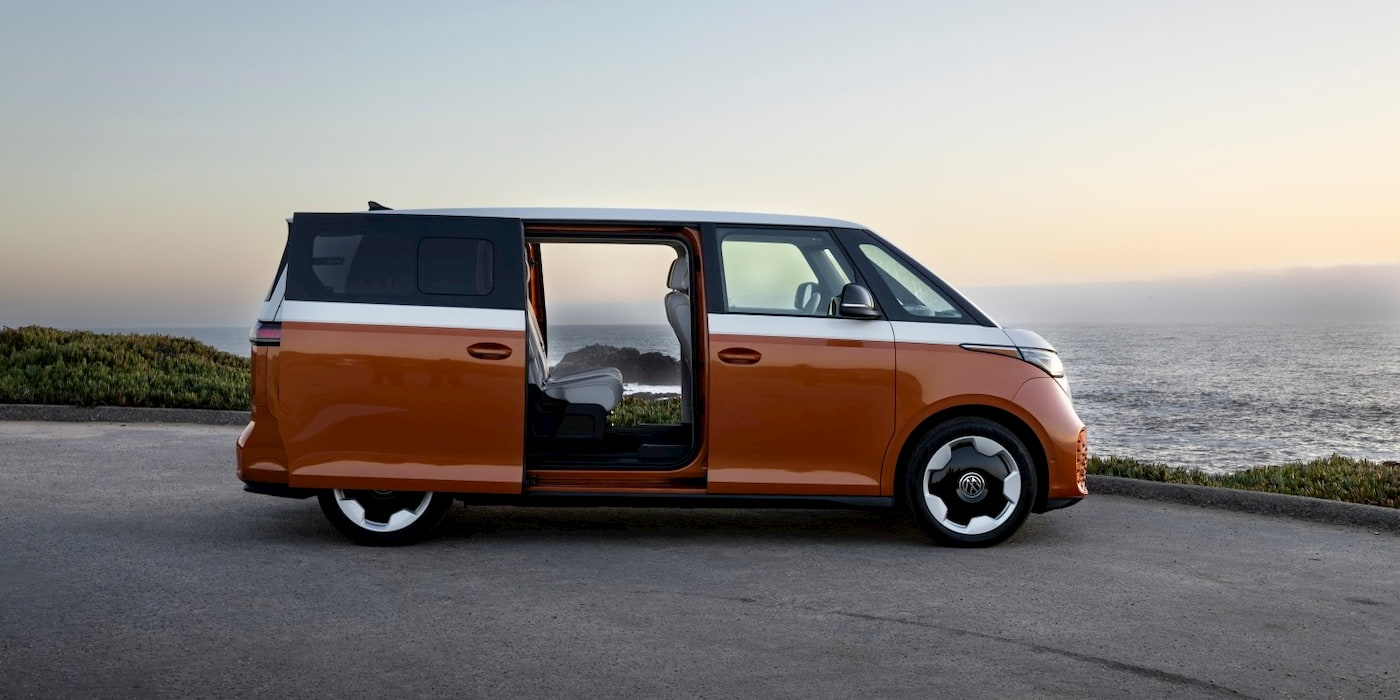
When the ID. Buzz finally went on sale in the United States in 2024, it arrived wrapped in decades of goodwill. Designed as an all-electric, modern homage to the classic Type 2 Microbus that defined counterculture movements in the 1960s and 70s, the vehicle immediately captured public imagination. Automotive journalists praised its playful design, spacious interior, and clever nod to the past.
2. The Honeymoon Phase Fades (2025)
Despite initial excitement driven largely by nostalgia, showroom traffic quickly cooled. Carrying a steep starting price tag of approximately $60,000, the ID. Buzz found itself competing in a rapidly maturing American EV landscape where consumers expected aggressive pricing and cutting-edge specifications. Furthermore, a driving range capped at roughly 234 miles proved to be a psychological barrier for American buyers accustomed to sprawling road trips and wide-open geographies. By the close of the year, Volkswagen reported selling just 6,140 units in the US, resulting in a severe traffic jam of unsold inventory sitting on dealership lots nationwide.
3. The First Skip: Bypassing the 2026 Model Year (December 2025)
Recognizing that dealerships were drowning in surplus inventory, Volkswagen Group of America VP and Chief Communications Officer Jeannine Ginivan confirmed to industry media in December 2025 that the ID. Buzz would not receive a 2026 model year designation in the US. Ginivan maintained a firm stance that the vehicle was merely taking a temporary breather, stating that the company had "sufficient inventory" of existing models to satisfy current demand and that Volkswagen was "not canceling the ID. Buzz for the US market." Instead, the company announced it would bypass 2026 entirely and pivot its focus toward the 2027 model year.
4. Teasing the 2027 Refresh (May 2026)
Earlier this year, Volkswagen leaned into the future by teasing a sweeping update package for the 2027 ID. Buzz. The manufacturer promised the integration of native NACS charging ports—granting access to Tesla’s vast Supercharger network—alongside a brand-new "Tourer" trim level specifically tailored for overnight camping and long-distance travel. Concurrently, Volkswagen announced that its mass-market sibling, the ID.4 electric crossover, would also take a temporary hiatus for the 2027 model year as part of a broader corporate overhaul of its EV architecture.
5. The Second Delay: Dealers Notified of 2028 Target (September 2026)
Hopes for a smooth 2027 comeback were officially dashed on September 24, when Volkswagen distributed a memo to its American dealership network updating the timeline once more. The ID. Buzz’s return has now been officially deferred to the 2028 model year. Current industry tracking via platforms like Cars.com indicates that dealership saturation has effectively bottomed out, with a national tally of barely 38 new, unsold 2025 ID. Buzz models remaining across the entire United States.
Supporting Data and Market Realities: Why the ID. Buzz Stumbled
The friction between Volkswagen’s nostalgic vision and the hard realities of the American consumer market comes down to a few core metrics: pricing, driving range, and three-row utility competition.
| Metric / Feature | Volkswagen ID. Buzz (US Spec) | Key Three-Row EV Competitors (e.g., Kia EV9, Hyundai IONIQ 9) |
|---|---|---|
| Starting Price | ~$60,000 | Variable, but heavily competitive |
| EPA-Estimated Range | Up to 234 miles | 300+ miles |
| Primary Appeal | Heritage, design, iconic styling | Family utility, long-distance road trips, cutting-edge tech |
| Annual US Sales | 6,140 units (Total initial year) | Higher volume, capturing core family segments |
The Range Anxiety Factor
While a 234-mile driving range is more than sufficient for daily suburban commutes, school drop-offs, and grocery runs, American family buyers shopping in the $60,000+ price bracket view road-trip capability as a non-negotiable prerequisite. When planning weekend getaways or cross-state travel, consumers increasingly gravitate toward larger three-row electric SUVs—such as the Kia EV9 and the Hyundai IONIQ 9—both of which routinely clear the 300-mile range threshold on a single charge.
The Inventory Glut
Compounding the range issue was the sheer economics of distribution. By shipping vehicles faster than the niche enthusiast market could absorb them, Volkswagen created an oversupply. As of late September 2026, aggregate dealer inventory platforms like Cars.com reflect a skeletal footprint of just 38 new 2025 ID. Buzz units remaining nationwide. This forced the manufacturer to pause production allocations for the US market to let the pipeline drain completely before introducing revised iterations.
Official Responses and Corporate Strategy
Volkswagen of America has consistently walked a tightrope between acknowledging commercial friction and defending the long-term viability of its retro-electric halo car.
When the initial model-year skip was announced in late 2025, Jeannine Ginivan emphasized that the pause was a strategic inventory management tool rather than a retreat. "Volkswagen is not canceling the ID. Buzz for the US market," Ginivan reiterated, noting that existing dealer stock needed to clear before the brand could introduce updated hardware and software configurations.
However, the subsequent push to the 2028 model year indicates that Volkswagen’s headquarters in Wolfsburg, Germany, alongside its North American leadership, recognize that minor tweaks will not suffice. The extra time affords the engineering and product planning teams a crucial runway to overhaul the vehicle’s competitive positioning, ensure seamless NACS deployment, and fine-tune pricing and packaging structures to better align with American expectations.
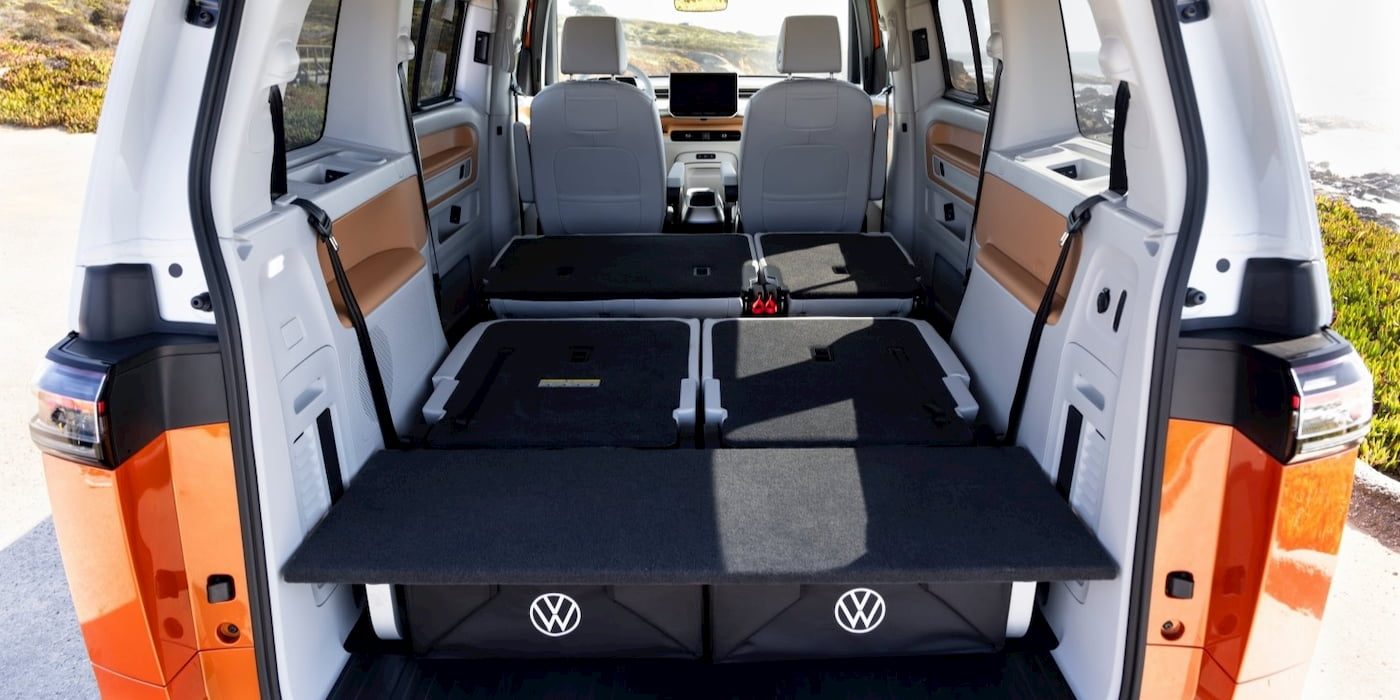
Furthermore, the ID. Buzz is not the only vehicle caught in this corporate shuffle. Volkswagen’s high-volume electric crossover, the ID.4, is likewise slated to skip the 2027 model year as the automaker coordinates a comprehensive restructuring of its electric vehicle roadmap in North America.
Broader Implications for the US EV Market
The ongoing saga of the Volkswagen ID. Buzz offers several critical takeaways for the broader automotive industry regarding the current state of electrification in the United States:
1. Nostalgia Has a Price Ceiling
Automotive history is littered with examples of brands leaning heavily on heritage to drive initial sales. While the "VW Bus" aesthetic successfully generated immense buzz and media fascination at launch, it ultimately appealed primarily to affluent early adopters and die-hard enthusiasts. Once that initial wave of nostalgic buyers was saturated, sales dramatically flattened.
2. Practicality Trumps Quirky Design in the Family Segment
Buyers looking for a multi-passenger vehicle prioritize utility, interior flexibility, charging speed, and range above all else. While the ID. Buzz offers clever packaging, its distinctive shape and lower battery range placed it at a distinct disadvantage against traditional three-row SUVs that offer superior highway range and lower cost-per-mile efficiency.

3. The Pivot to NACS and Next-Gen Tech
By pushing the US relaunch to the 2028 model year, Volkswagen is signaling that it cannot afford to bring a half-updated vehicle back into the market. Integrating native NACS connectivity, improving thermal management systems to boost real-world range, and potentially refining interior tech packages are essential steps if the ID. Buzz is to transition from a novelty niche product into a viable, long-term fixture of American electric mobility.
As Volkswagen works behind the scenes to recalibrate its North American electric portfolio, industry watchers and prospective buyers will be keeping a close eye on Wolfsburg for further announcements. For now, American fans of the electric microbus will simply have to wait a little longer for their ride to arrive.
