As autumn settles in and the sweltering heat of summer begins to wane, September and October emerge as the gold-standard months for planting new shrubs, trees, and perennials. With climate volatility and temperature extremes projected to intensify significantly in the coming years, modern gardeners face a growing challenge: selecting plants that are not only aesthetically pleasing but also resilient against unpredictable weather patterns and local wildlife.
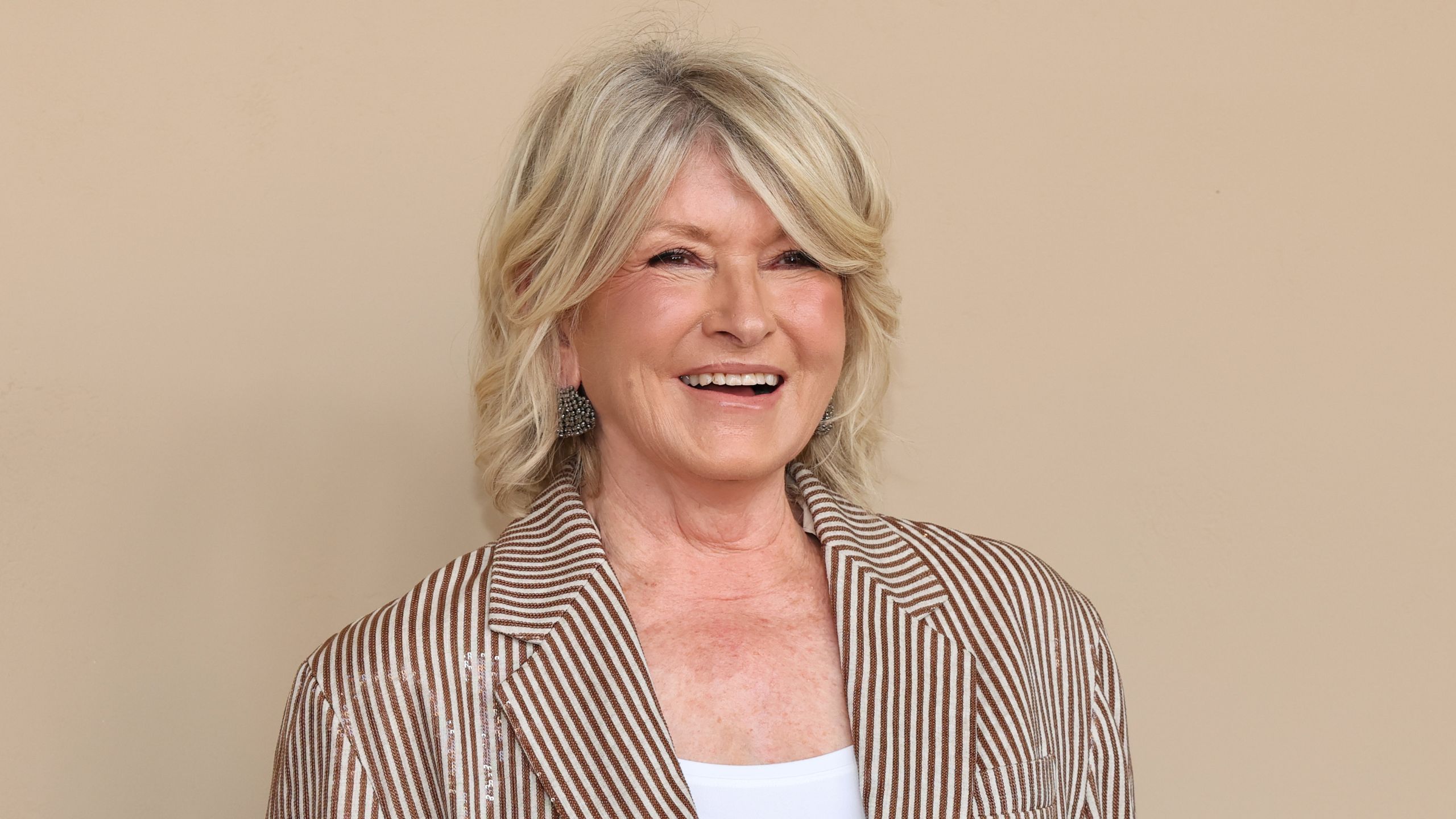
When searching for authoritative guidance on future-proofing our green spaces, it is only natural to consult a master. We turned to lifestyle icon and gardening maven Martha Stewart to find out what she plants on repeat across her expansive properties. Her definitive answer? The versatile, hardy, and timeless boxwood.
Main Facts: The Boxwood Phenomenon and Martha’s Seal of Approval
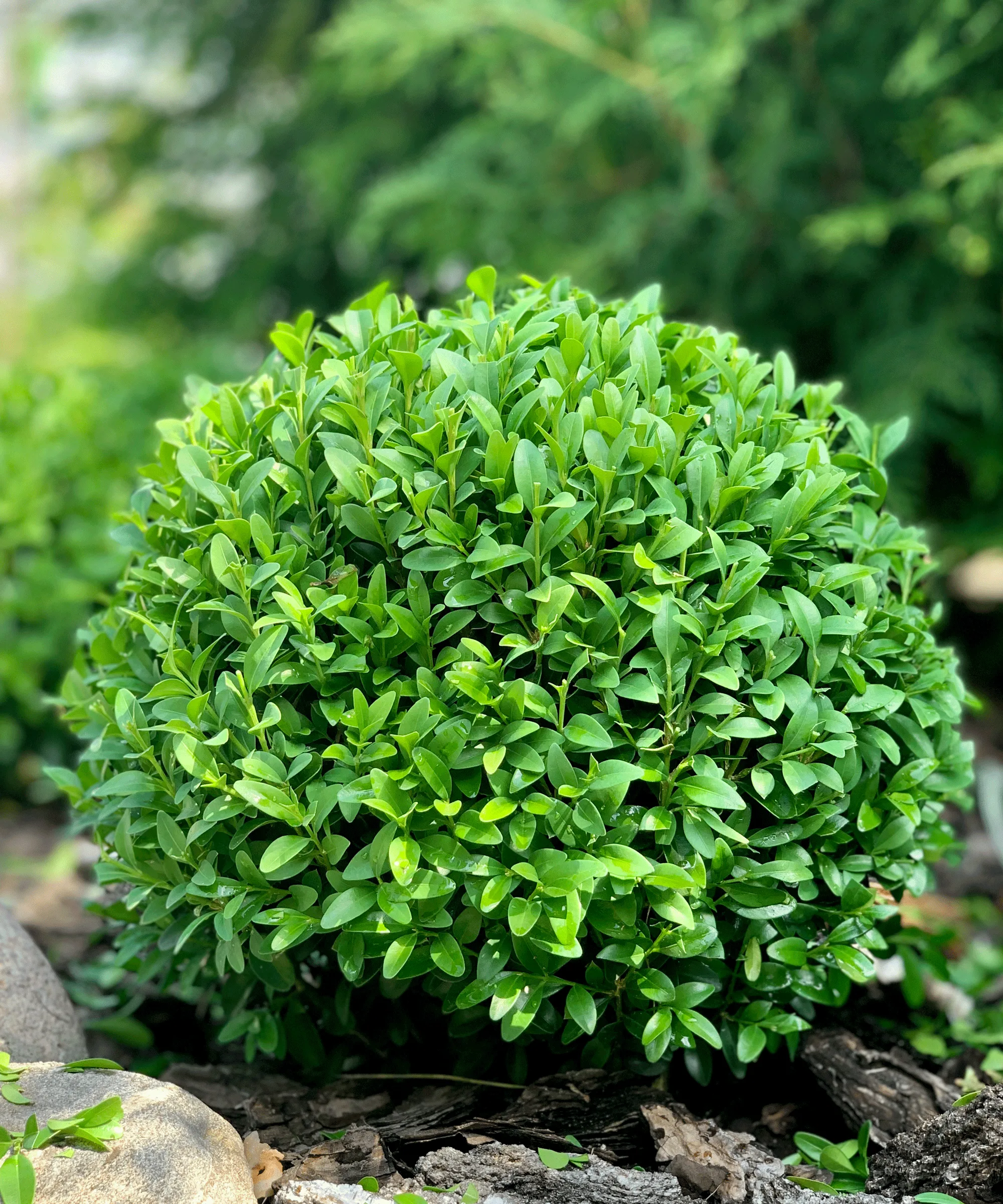
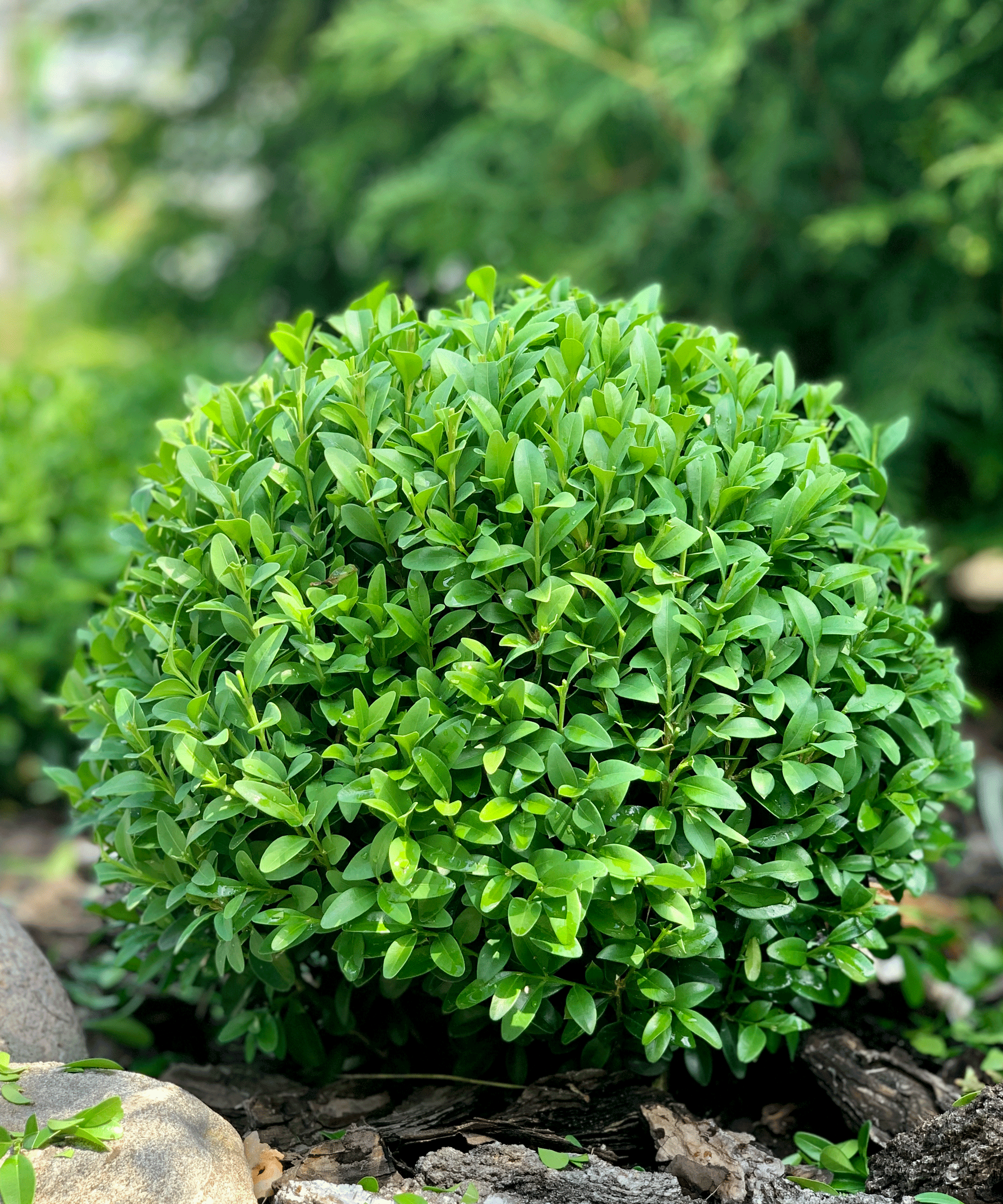
According to Martha Stewart, the foundational secret to a structured, elegant landscape lies in the humble boxwood. Boasting thousands of individual boxwood specimens across her own estate, Stewart relies on the evergreen shrub to act as the visual backbone of her garden designs.
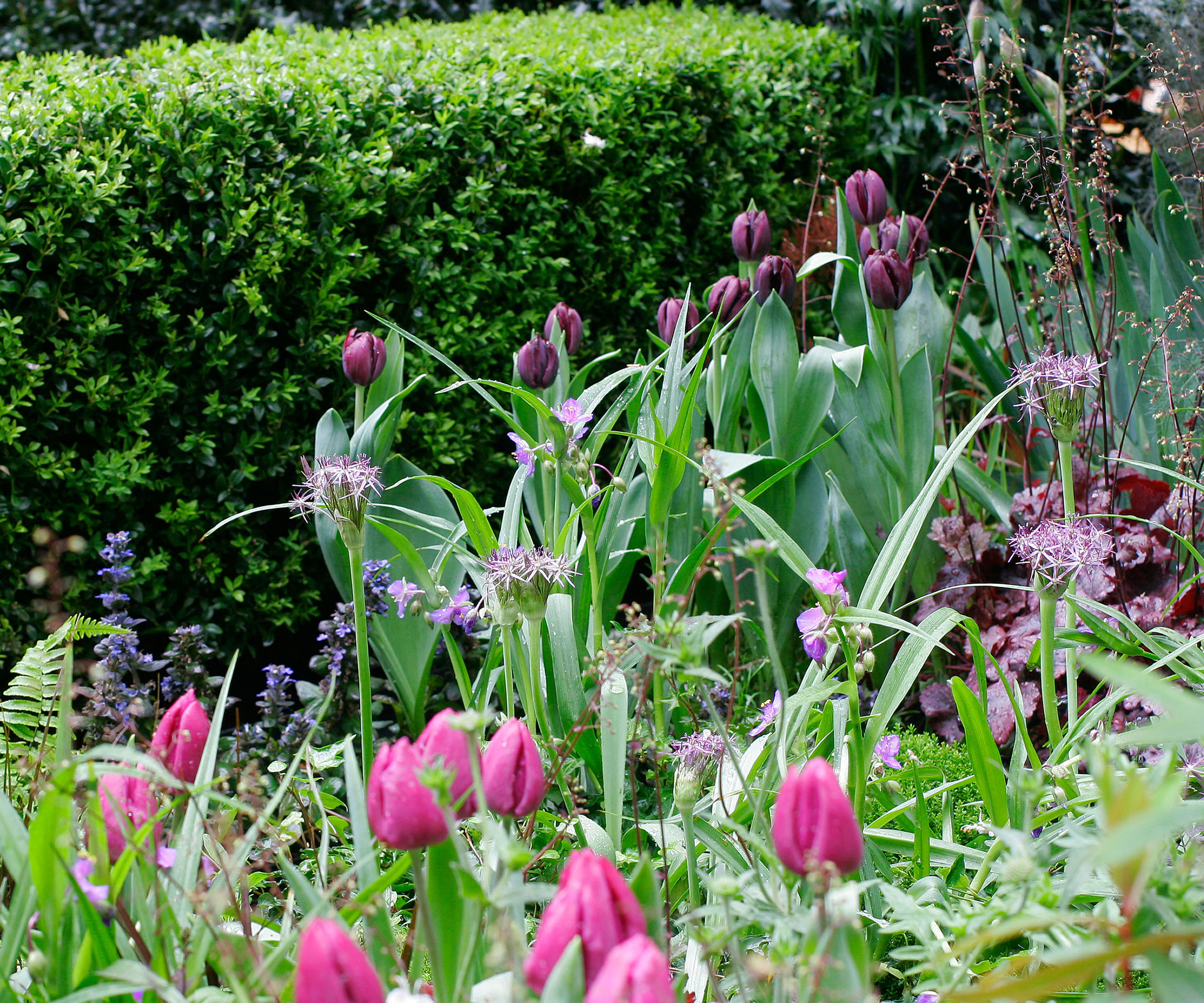
The Ultimate Background Plant: Boxwoods provide a dense, rich green backdrop that elevates surrounding colorful perennials, bulbs, and architectural elements.
Natural Defense: Unlike many delicate landscape plants, most boxwood varieties are naturally resistant to deer and rabbits, making them ideal for suburban and rural environments alike.
Longevity: These slow-growing, hardy shrubs can thrive for decades—and sometimes centuries—with minimal intervention, making them a high-return investment for homeowners.
Fall Planting Advantage: Putting boxwoods in the ground during September and October allows their root systems to establish themselves comfortably in warm soil before winter dormancy sets in, setting the stage for robust spring growth.
Popular cultivars highlighted by gardening experts include the Proven Winners Sprinter® Boxwood for quick establishment, the Winter Gem Boxwood (which transitions into stunning bronze hues during late fall and winter), and the classic American Boxwood, which is exceptionally well-suited for formal hedges and intricate topiary design.
Chronology: The Evolution of Autumn Planting and Landscape Design
Understanding why autumn is heralded as the premier planting season requires looking at the natural biological clock of perennial plants and trees.
Late Summer (August): Gardeners begin planning landscape overhauls, assessing which summer annuals have failed or struggled against heat waves and shifting precipitation patterns.
Early Autumn (September): Soil temperatures remain warm from the summer months, while the ambient air cools down. This creates the optimal physiological environment for root development without forcing the plant to expend precious energy on producing above-ground foliage.
Mid-to-Late Autumn (October): Shrubs like boxwoods and native trees such as the American hornbeam are securely planted. Gardeners apply deep root hydration and nutrient feeds to ensure plants successfully transition into winter dormancy.
Winter: Root systems continue to develop beneath the frost line while the plant rests, allowing it to burst forward with vigorous growth and vibrant blooms as soon as spring temperatures arrive.
Spring: Established root systems immediately support new branch and leaf development, outperforming plants that are rushed into the ground during the stressful heat of late spring or summer.
Supporting Data: Climate Resilience, Pest Realities, and Companion Planting
As weather patterns become increasingly unpredictable, data-driven horticulture focuses heavily on resilience, low water requirements, and multi-season visual interest.
Complementary Foliage: The American Hornbeam
To prevent formal boxwood hedges from looking overly monotonous, Martha Stewart recommends pairing them with native trees that offer textural contrast and enhanced privacy. Her top recommendation is the American Hornbeam (also known as the blue beech).
Size and Structure: Naturally compact, making it an excellent choice for compact urban or suburban gardens.
Shade Tolerance: Thrives remarkably well in partial shade.
Seasonal Interest: Delivers brilliant bursts of red-orange and yellow foliage during the autumn months.
The Pest Factor: Managing the Boxwood Threat
While boxwoods are remarkably hardy, gardeners must remain vigilant regarding invasive pests. The box tree moth and its voracious larvae, the box tree caterpillar, pose a distinct threat by rapidly defoliating shrubs.
Geographic Spread: While historically concentrated in the UK and Europe, verified sightings and localized outbreaks have been reported across parts of North America since 2021.
Mitigation: Small infestations can be manually removed or treated effectively using targeted insecticidal soaps. Homeowners suspecting a wider infestation are advised to contact local agricultural extension offices or USDA departments.
Alternatives: For gardeners hesitant to plant boxwoods due to regional pest pressures, resilient alternatives include Japanese holly, mountain laurel, yew, and hardy azaleas.
Official Responses and Expert Insights
When asked by Homes & Gardens about her philosophy on selecting foundational shrubs, Martha Stewart emphasized the necessity of choosing plants that work harmoniously with their environment:
"I’m always trying to find a plant that will be the background and, in the United States, that’s going to be something that is deer resistant, slow-growing, but beautiful, strong, and with nice foliage, and that would be the boxwood."
Stewart also highlighted their unmatched flexibility across varying landscape designs:
"Boxwoods are incredibly versatile. They’re just so useful as border plants and hedges, and also as accent plants."
Addressing the critical timing for seasonal garden care, Stewart offered parting advice for homeowners preparing for the colder months ahead:
"Feed your garden, and feed it now, so that the plants have a chance to absorb the food and the nutrients and enable them to overwinter, and they will bloom and grow nicely in the springtime."
Implications: Building Future-Proof, Sustainable Landscapes
The emphasis on planting resilient, long-lived evergreens like boxwoods and native hornbeams signals a broader shift in residential landscaping philosophy. As climate extremes become the norm rather than the exception, homeowners are moving away from fragile, high-maintenance exotics and toward structural, reliable perennials.
Environmental and Financial Impact
Reduced Water Consumption: Once established, mature boxwoods and native hornbeams require significantly less supplemental irrigation than turfgrass or shallow-rooted annuals, conserving vital local water resources.
Wildlife Management: Selecting deer- and rabbit-resistant species reduces the need for harsh chemical repellents or physical fencing, fostering a more balanced, self-sustaining backyard ecosystem.
Long-Term Asset Value: Investing in robust perennial hedges enhances property curb appeal and structural architecture for decades, offering a superior return on investment compared to short-lived seasonal plantings.
By adopting Martha Stewart’s time-tested approach—focusing on early autumn root establishment, nutrient enrichment, and resilient structural choices—gardeners can create enduring, beautiful outdoor spaces capable of weathering whatever climatic shifts lie ahead.