


WASHINGTON — The United States Department of Transportation (DoT) is poised to finalize sweeping rollbacks to federal fuel economy standards, a move government data suggests will significantly increase gasoline consumption and drive up fuel expenses for American motorists. The regulatory shift, heavily promoted by administration officials as a step toward reducing regulatory burdens, comes at a time of acute global energy volatility and places renewed focus on the long-term trajectory of American transportation policy.
The impending policy change marks a major pivot in federal oversight of vehicle efficiency—a framework that has guided the domestic automotive manufacturing sector for half a century. As federal agencies prepare to release the finalized guidelines, industry analysts, environmental groups, and consumer advocates are scrutinizing the potential economic and environmental fallout.
Main Facts
The core of the regulatory update centers on the Corporate Average Fuel Economy (CAFE) standards and associated vehicle efficiency targets. Under the newly advanced framework, federal regulators are scaling back the target average fuel economy for light-duty vehicles projected for 2031, moving the benchmark from 50.4 miles per gallon (mpg) down to 34.5 mpg.

According to projections previously released by the National Highway Traffic Safety Administration (NHTSA) and supplementary analyses from the Department of Energy (DoE), the structural relaxation of these efficiency requirements carries stark economic consequences:
- Increased Fuel Consumption: Lowering fleet-wide efficiency standards inherently requires vehicles to burn more gasoline to cover the same distance. Internal models estimate a roughly 45% increase in baseline fuel consumption requirements for affected vehicle classes.
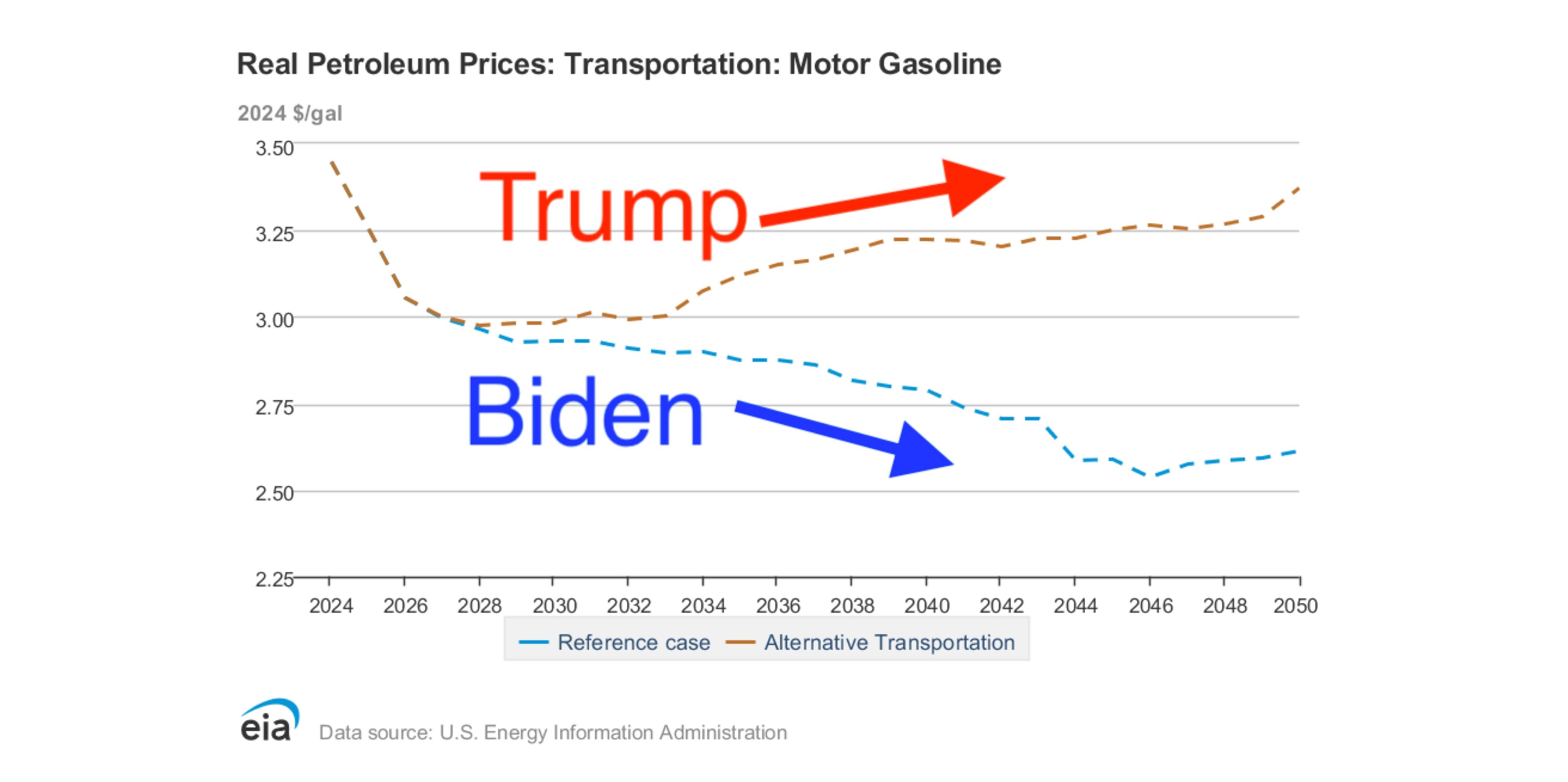
- Direct Consumer Costs: Department of Energy analyses indicate that the combined effect of reduced efficiency mandates and shifting market demand could elevate retail gasoline prices by approximately 76 cents per gallon.
- Regulatory Compliance and Fines: Although legislative maneuvering has previously neutralized direct financial penalties associated with certain CAFE enforcement mechanisms, the formal rewrite of the targets codifies a lower baseline for automakers, discouraging the production and sale of ultra-efficient internal combustion engines and slowing the broader integration of advanced propulsion technologies.
Critics argue that these combined pressures will inflict a substantial financial penalty on households already navigating broader economic uncertainties, directly undercutting claims that the policy will reduce living expenses.
Chronology of the Policy Shift
The path toward dismantling the stringent efficiency targets established in prior years has unfolded through a structured sequence of administrative actions, public commentary periods, and legislative adjustments:
- January 2025: On his first day in office, newly appointed Transportation Secretary Sean Duffy signed an administrative memo signaling the administration’s intent to revisit and loosen federal fuel economy regulations, reversing standards previously projected by economic models to save consumers billions.
- Late 2025: The administration formalized its proposal to reduce the 2031 target average fuel economy to 34.5 mpg. Concurrently, broader legislative packages advanced by congressional majorities sought to adjust or defund regulatory enforcement mechanisms, effectively neutralizing traditional CAFE fines.
- Early 2026: The National Highway Traffic Safety Administration opened a public comment period regarding the proposed standard reductions. The docket attracted tens of thousands of public submissions, the vast majority of which raised objections to the anticipated hikes in fuel and healthcare costs.
- September 2026: Following months of administrative review and inter-agency analysis, the DoT announced that the rule changes would be officially finalized, setting the stage for immediate implementation and subsequent legal challenges.
Supporting Data and Economic Analysis
The debate over the new fuel economy standards rests heavily on conflicting economic projections generated by federal agencies, executive branch communications, and independent energy analysts.
Proponents of the rollback, including statements echoed by leadership within the White House and the Department of Transportation, have frequently framed the initiative as a measure to lower vehicle acquisition costs, prevent perceived overreach by federal regulators, and support traditional manufacturing sectors.
However, quantitative data compiled within executive branch agencies tells a different story regarding consumer operating expenses:

- NHTSA Economic Impact Estimates: Federal impact assessments calculated that the baseline shift in efficiency targets would generate approximately $185 billion in added fuel costs for American drivers over the lifecycle of the affected vehicle fleets, while concurrently increasing carbon emissions by roughly 5%.
- Department of Energy Pricing Projections: An internal assessment cleared by energy officials indicated that diminished fleet efficiency standards would exert upward pressure on refined petroleum demand, translating to an estimated increase of 76 cents per gallon at the pump under peak market conditions.
- Public Feedback Metrics: During the official public comment phase hosted via federal regulatory portals, over 68,000 comments were logged, reflecting widespread public concern over the compounding effects of higher energy expenditures and degraded air quality standards.
Official Responses and Stakeholder Positions
The finalization of the rule has drawn sharp divisions across political, industrial, and legal landscapes.
Administration defenders maintain that easing federal mandates provides necessary flexibility to automakers and consumers, arguing that stringent efficiency goals artificially inflate the upfront purchase price of new passenger vehicles. Transportation Secretary Sean Duffy and aligned officials have consistently characterized the adjustments as a relief measure for working-class families facing affordability crunches in traditional automotive markets.
Conversely, clean energy advocates, public health organizations, and state-level regulators have strongly condemned the decision. Critics argue that rolling back efficiency standards runs counter to fundamental principles of energy independence, particularly during periods of international conflict and petroleum price instability. Furthermore, legal analysts suggest that the rulemaking process remains vulnerable to judicial review, noting that similar administrative rollbacks executed by federal agencies have frequently been challenged in federal courts under accusations of arbitrary and capricious decision-making.

Automotive industry stakeholders remain split. While legacy manufacturers may experience short-term relief from compliance pressures on traditional internal combustion engine lineups, global automakers with heavy investments in electrification platforms face strategic uncertainty as domestic regulatory signals diverge sharply from international emissions standards set by major trading partners in Europe and Asia.
Broader Implications for Energy and Infrastructure
Beyond immediate fuel expenditures, the DoT’s policy shift intersects with a broader regulatory rollback spanning multiple federal agencies, including the Environmental Protection Agency (EPA) and the Department of the Interior. Observers note that coordinated efforts to adjust or eliminate environmental and efficiency standards represent a systematic reshaping of federal energy policy.
- Energy Security and Geopolitical Pressures: Analysts point out that increasing domestic gasoline demand through lowered efficiency standards directly contradicts long-standing federal goals of energy independence. As global crude markets respond to international supply shocks and geopolitical conflicts, policies that mandate higher fossil fuel consumption leave domestic consumers more vulnerable to external price spikes.
- The Future of Domestic Manufacturing: The policy adjustment occurs alongside intense legislative and regulatory debates concerning the transition to electric vehicles (EVs). Critics of the DoT’s rule argue that weakening efficiency requirements for conventional vehicles removes vital market incentives for domestic automakers to innovate, potentially ceding technological leadership in next-generation manufacturing to international competitors.
- Public Safety and Infrastructure: Beyond fuel economy, the Department of Transportation has faced scrutiny for concurrent shifts in related guidance, including the modification of federal recommendations regarding urban bike lanes and pedestrian safety infrastructure. Safety advocates warn that compounding these regulatory rollbacks could reverse decades of progress in reducing traffic fatalities.
As the Department of Transportation moves to formally enact the finalized standards, legal challenges from coalition states and environmental advocacy groups are anticipated. The ultimate longevity of the new rules will likely depend on judicial determinations regarding the adequacy of the administrative record and the statutory authority of federal agencies to alter long-standing efficiency frameworks.
