By ArchDaily Global News Published September 28, 2026
Main Facts
In the heart of one of the planet’s most ecologically sensitive and historically significant landscapes, the newly reimagined Finch Bay Hotel—designed by Alfredo Ribadeneira Arquitectos and curated by Valentina Díaz—stands as a masterclass in context-driven architecture. Located in the Galápagos Islands, a living laboratory of biodiversity inextricably linked to Charles Darwin’s seminal observations on evolution, the project redefines how hospitality design can exist in equilibrium with a fragile natural ecosystem.
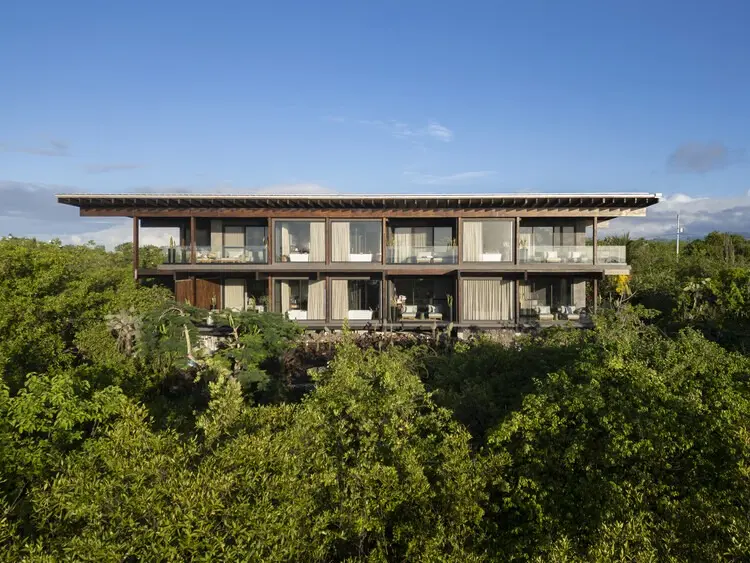
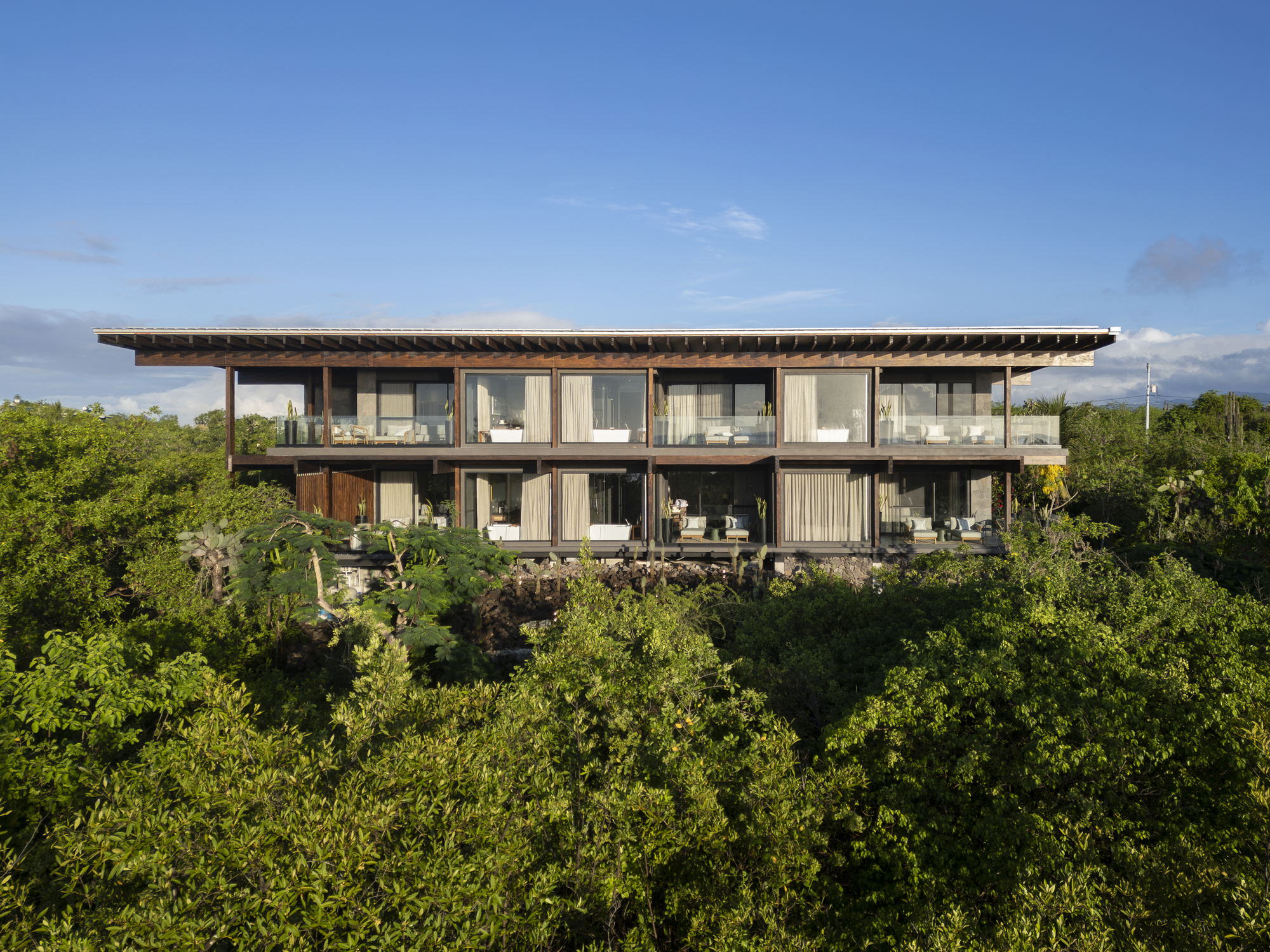
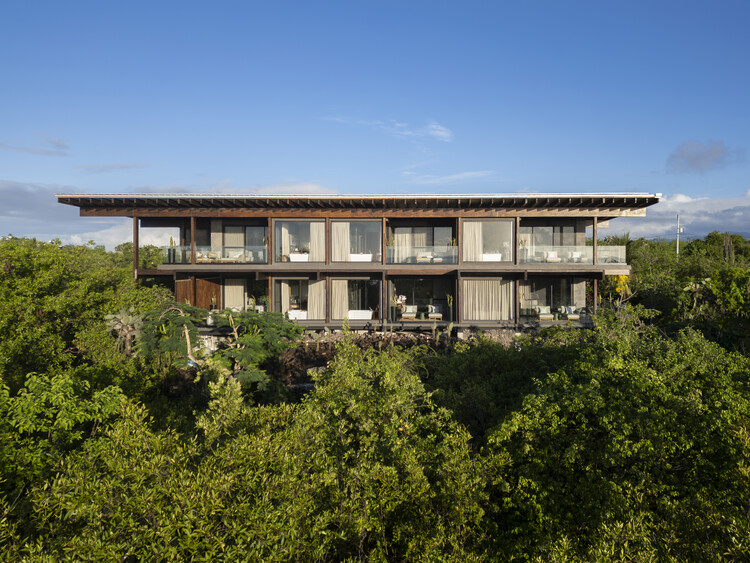
Captured through the lens of architectural photographer Sebastian Crespo, the hotel bridges the gap between human habitation and raw nature. Rather than imposing an alien structure upon the landscape, Alfredo Ribadeneira Arquitectos has crafted an expansion and renovation that mirrors the islands’ core ethos: continuous adaptation, responsiveness to environment, and a profound respect for the surrounding habitat.
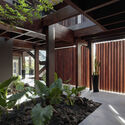
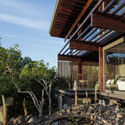
Featuring natural wood finishes, airy balconies, seamless indoor-outdoor living spaces, and low-impact spatial layouts, the Finch Bay Hotel project explores how contemporary design can support eco-tourism without compromising ecological integrity.
Chronology: The Evolution of Finch Bay
The realization of the Finch Bay Hotel project is the result of a long-term commitment to sustainable site stewardship and design evolution within a UNESCO World Heritage site.
The Darwinian Legacy (Historical Context): The Galápagos Islands gained global renown following Charles Darwin’s visit aboard the HMS Beagle in 1835. His studies of the archipelago’s endemic species laid the groundwork for the theory of evolution by natural selection. For centuries, any human intervention in this fragile ecosystem has been heavily scrutinized.
Establishment of Finch Bay: Over the decades, the Finch Bay property was established as a premier gateway for travelers seeking to experience the unique flora and fauna of the islands, including its namesake marine iguanas, blue-footed boobies, and Darwin’s finches.
The Redesign Phase (Alfredo Ribadeneira Arquitectos): Tasked with modernizing and expanding the hotel’s facilities, Alfredo Ribadeneira Arquitectos approached the site with a conservation-first methodology. The design team focused on minimizing the property’s physical footprint while maximizing guest immersion into the surrounding coastal landscape.
Completion and Reveal (September 2026): The newly completed architectural vision is formally published, showcasing a blend of traditional craftsmanship, sustainable material sourcing, and sensitive spatial integration that respects the delicate balance of the Galápagos shoreline.
Supporting Data & Architectural Specifications
Designing within the Galápagos National Park buffer zones requires adherence to some of the strictest environmental and architectural regulations in the world. Alfredo Ribadeneira Arquitectos utilized specific data-driven and material strategies to meet these criteria:
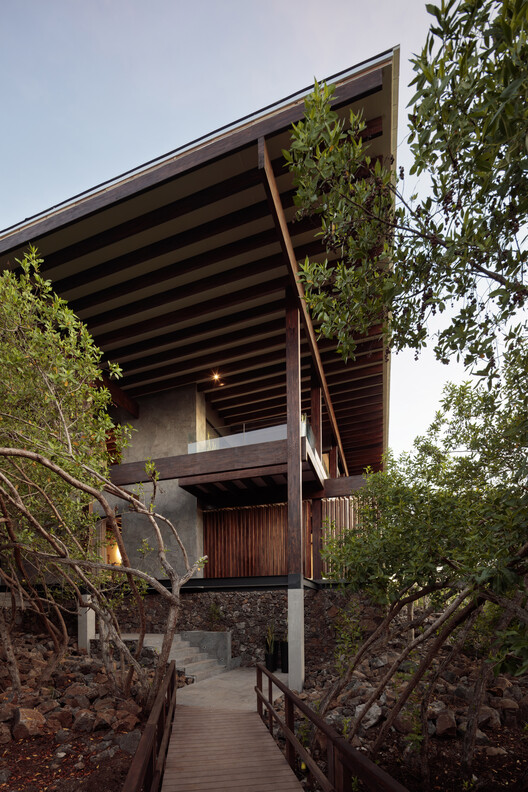
Key Design Features: Elevated boardwalks and structural decks designed to protect native topsoil and root systems, expansive open-air living rooms, shaded verandas to mitigate solar heat gain, and strategic positioning to maximize natural cross-ventilation.
Official Responses and Design Philosophy
According to design statements provided by Alfredo Ribadeneira Arquitectos, the primary objective was to create an architecture of listening rather than an architecture of imposition.
"The Galápagos Islands are inseparable from the history of evolution," note the architects in their official project description. "Charles Darwin’s observations of their extraordinary biodiversity helped shape the ideas that would later contribute to his theory of evolution. In much the same way, these islands remain a place of constant adaptation: an environment where life, landscape, and human experience exist in a uniquely close relationship."
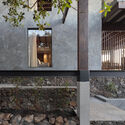
The design firm emphasized that every intervention on the site was weighed against its ecological impact. By utilizing elevated walkways, permeable outdoor decking, and localized materials, the studio ensured that the architecture remains permeable to local wildlife populations, allowing indigenous species to move freely across the terrain.
Curator Valentina Díaz highlighted the project’s ability to translate complex environmental constraints into spatial poetry. "The Finch Bay Hotel does not try to conquer its surroundings," Díaz noted. "Instead, it acts as a quiet observer, framing views of the ocean and the endemic brush while offering visitors a sanctuary that feels both deeply luxurious and profoundly grounded in the realities of the Galápagos."
Implications for Sustainable and Eco-Tourism Architecture
The completion of the Finch Bay Hotel by Alfredo Ribadeneira Arquitectos arrives at a critical juncture for global architecture and the tourism industry. As climate change accelerates and the demand for travel to pristine natural habitats increases, architects face mounting pressure to prove that human habitation can coexist with sensitive ecosystems.
1. Setting a Benchmark for Eco-Sensitive Hospitality
Most traditional luxury resorts rely heavily on energy-intensive climate control, massive material importation, and landscape sterilization. The Finch Bay Hotel demonstrates an alternative model. By prioritizing natural cross-ventilation, shaded structural overhangs, and materials that weather gracefully under harsh tropical sun and salt spray, the project sets a high benchmark for low-impact hospitality design worldwide.
2. Architecture as a Mediator
Rather than functioning as a fortress that shuts nature out, the hotel acts as a mediator. The inclusion of deep balconies, interconnected patios, and open-air social zones encourages guests to engage directly with the climate and ecology of the Galápagos. This spatial psychology fosters a deeper appreciation for conservation among travelers, transforming them from passive tourists into active advocates for environmental protection.
3. Regulatory Alignment and Future Projects
The success of Alfredo Ribadeneira Arquitectos in navigating the rigorous planning permissions of the Galápagos National Park serves as a blueprint for architects working in other protected biomes, such as rainforests, coastal wetlands, and alpine reserves. It proves that strict environmental limitations do not stifle creativity; rather, they can inspire innovative engineering, sustainable material sourcing, and minimalist aesthetic purity.
Conclusion
The Finch Bay Hotel is more than a commercial hospitality project; it is a physical manifestation of evolutionary principles applied to design. Through the collaborative vision of Alfredo Ribadeneira Arquitectos and the curatorial lens of Valentina Díaz, the hotel proves that human structures can adapt to their environments just as fluidly as the remarkable species that inspired Darwin nearly two centuries ago. As Sebastian Crespo’s photographs demonstrate, the architecture rests lightly upon the earth—a temporary, elegant shelter built in deep, respectful dialogue with one of the greatest natural wonders on Earth.