Published: September 29, 2026 Curated by: Valentina Díaz Original Architecture Feature: ArchDaily Photography: JAG Studio
Main Facts
The architectural landscape is undergoing a silent yet profound ideological shift, moving away from the resource-heavy cycle of demolition and new construction toward a philosophy of adaptive reuse and urban recycling. At the vanguard of this movement is Feliu Vega Kennedy Arquitectura, an innovative design studio that has recently completed its latest project, Fuente de Piedra #45.
Located in a high-value urban fabric often overlooked or misunderstood by traditional real estate markets, Fuente de Piedra #45 represents a masterclass in breathing new life into aging housing infrastructure. Rather than succumbing to the prevailing developer trend of razing existing structures to make way for generic, modern replacements, the architects chose a path of preservation, integration, and sustainable evolution.
Key highlights of the Fuente de Piedra #45 project include:
Core Philosophy: A dedicated bet on the recycling and modernization of existing residential infrastructure possessing high intrinsic urban value.
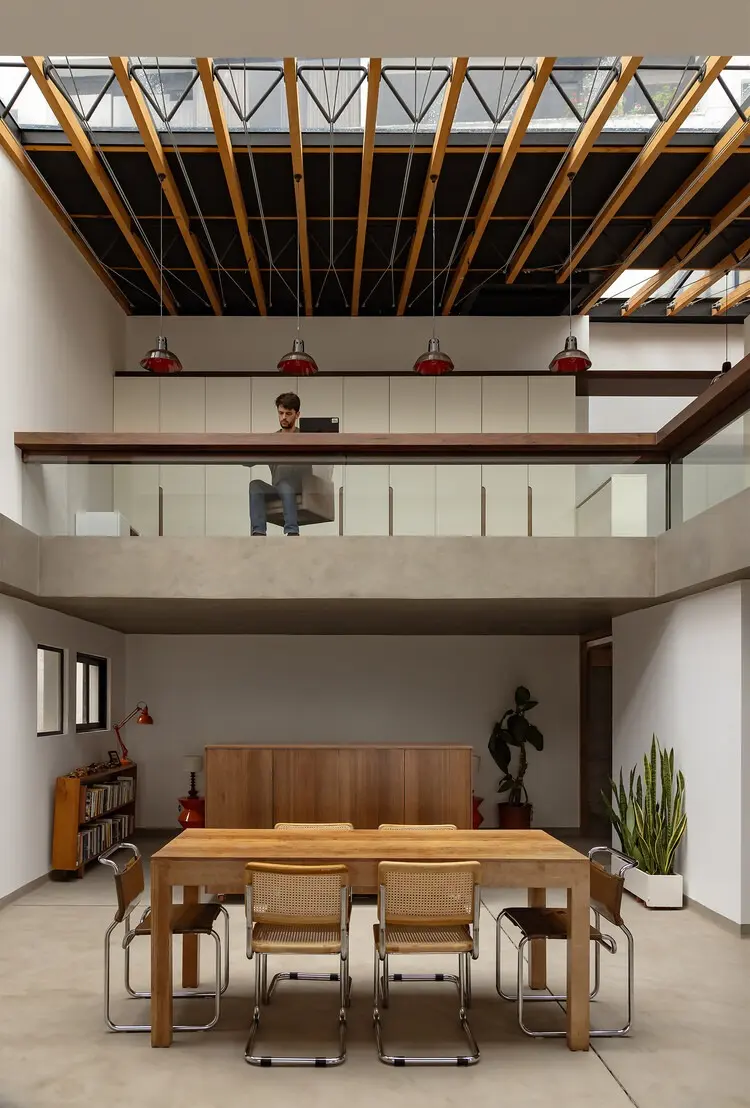
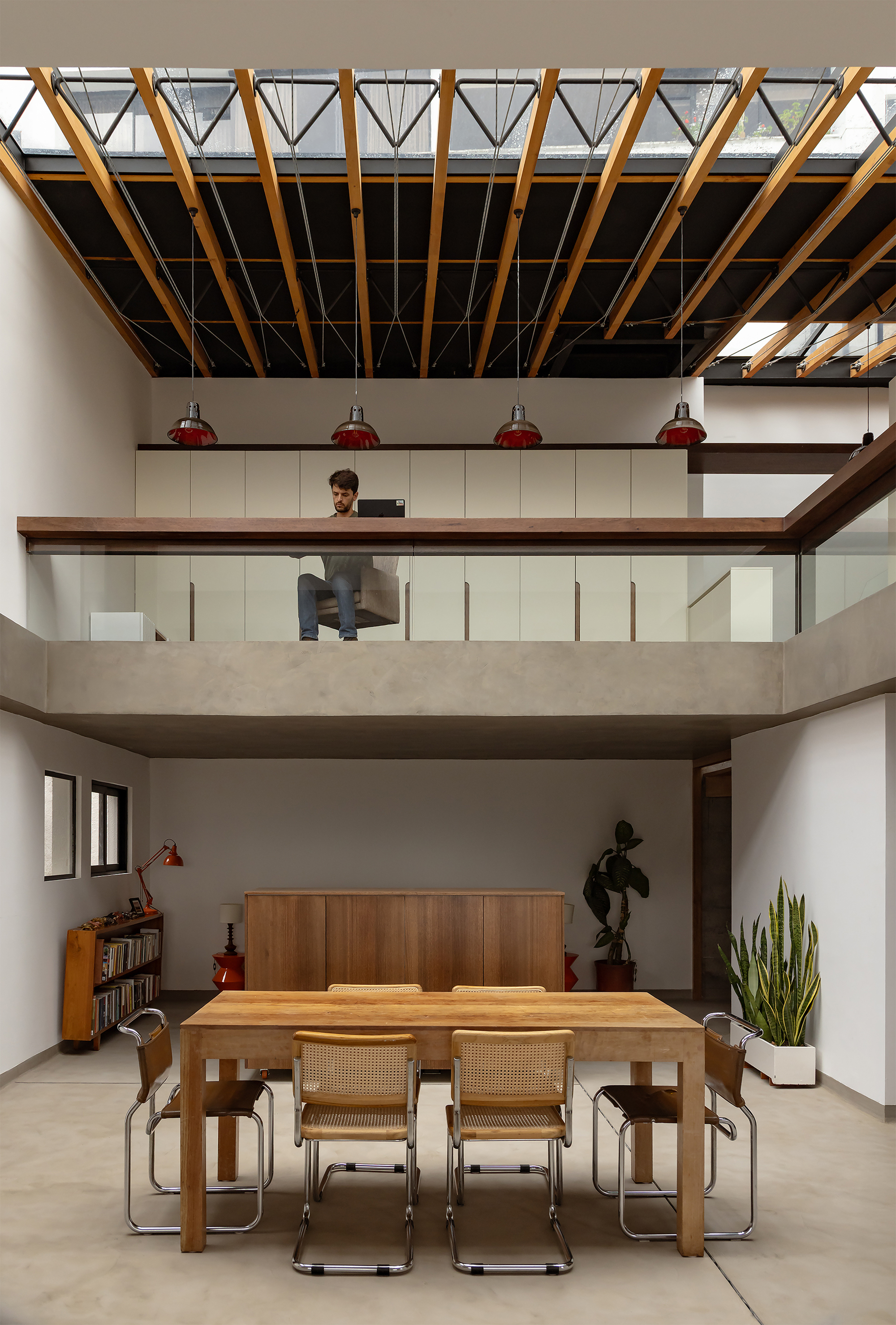
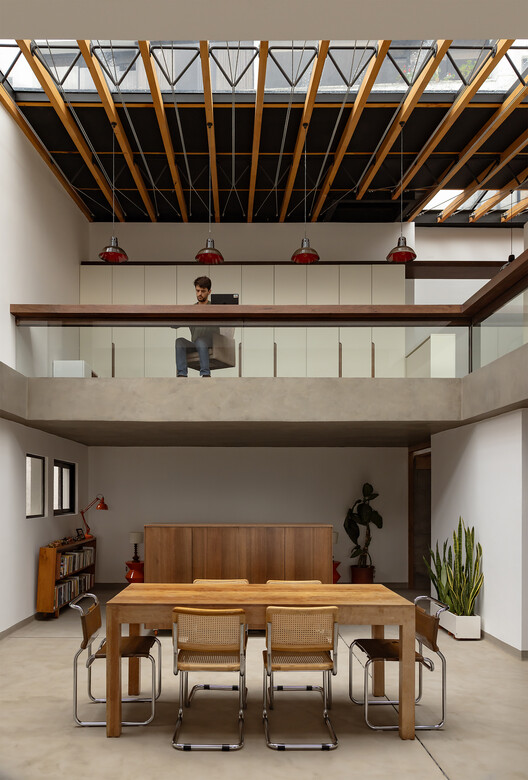
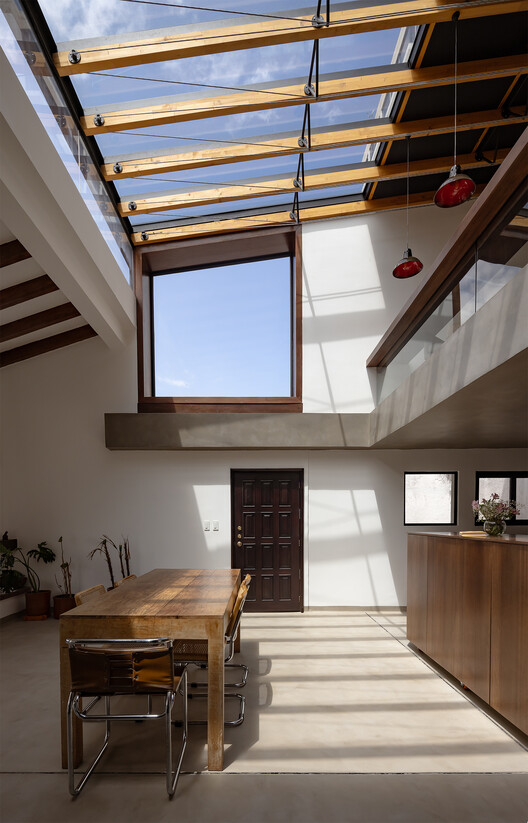
Design Execution: Seamless integration of raw, organic materials—highlighted by extensive use of warm wood finishes, exposed structural beams, and refined interior lighting.
Spatial Organization: Meticulously reconfigured interiors that maximize natural light, enhance flow between domestic zones (kitchen, dining, and living spaces), and incorporate sophisticated architectural elements such as custom staircases and handrails.
Visual Identity: Captured by JAG Studio, the interior photography showcases a delicate balance between preserving historical structural cues and introducing contemporary minimalist comfort.
Chronology
While the final unveiling and publication of Fuente de Piedra #45 took place on September 29, 2026, the trajectory of the project reflects a long-term commitment to sustainable urban development by Feliu Vega Kennedy Arquitectura.
Pre-2025 (The Acquisition and Assessment Phase): The property at Fuente de Piedra #45 was identified as an underutilized residential asset within a dense urban context. Instead of being slated for demolition—a fate common to aging properties in rapidly appreciating areas—the building was evaluated for its structural integrity and potential for adaptive reuse.
2025 (Design and Spatial Intervention): Feliu Vega Kennedy Arquitectura undertook a comprehensive redesign. The planning phase focused heavily on how to strip away redundant modern partitions while preserving foundational elements like exposed beams and structural frameworks.
Late 2025 to Mid-2026 (Construction and Refinement): Execution of the architectural vision, involving bespoke carpentry, lighting integration, and the meticulous crafting of transitional spaces, including the central staircase and open-plan kitchen and dining zones.
September 29, 2026 (Global Release): The project was officially curated by Valentina Díaz and published on international architectural platforms, including ArchDaily, drawing global attention to the studio’s stance on urban conservation.
Supporting Data
The architectural approach utilized in Fuente de Piedra #45 is backed by a growing body of data surrounding environmental sustainability and urban economics in the construction sector.
Carbon Footprint Reduction: According to environmental studies in the architecture and construction industry, retrofitting and recycling an existing building structure can reduce embodied carbon emissions by up to 50–75% compared to complete demolition and new construction.
Material Palette Metrics: The interior design of Fuente de Piedra #45 heavily emphasizes renewable and tactile materials. Wood accounts for the majority of the visible aesthetic—evident in the ceiling beams, flooring, custom cabinetry, and joinery—which significantly lowers the project’s overall carbon lifecycle footprint.
Urban Density Efficiency: By reinvesting in existing urban footprints, projects like Fuente de Piedra #45 combat urban sprawl. They utilize established utility grids, public transportation networks, and municipal infrastructure without placing additional strain on city expansion boundaries.
Market Valuation Trends: The real estate sector has historically favored new builds; however, data from urban redevelopment case studies indicate that properties featuring blended historic architecture and modern interior upgrades command higher long-term aesthetic and emotional value among urban dwellers seeking authenticity.
Official Responses
In their official project statement, the design team at Feliu Vega Kennedy Arquitectura articulated the core ideology driving their work:
"We are betting on the recycling of housing infrastructure with high urban value, which the real estate market often overlooks—either failing to recognize its potential or deliberately choosing to demolish and replace it."
This manifesto underscores a critical critique of contemporary real estate practices. The architects emphasize that cities are not blank slates, but continuous tapestries where older buildings hold layered memories, embodied energy, and structural characteristics that modern construction methods struggle to replicate cheaply or authentically.
Curator Valentina Díaz, reflecting on the project’s addition to the global architectural discourse, highlighted how Fuente de Piedra #45 serves as a regional blueprint for Latin American and global architectural practices looking toward sustainable densification. While traditional developers chase square-footage maximization through destruction, Feliu Vega Kennedy Arquitectura demonstrates that restraint, surgical intervention, and respect for existing context yield far richer spatial experiences.
Implications
The completion and reception of Fuente de Piedra #45 carry wide-ranging implications for the future of urban architecture, real estate development, and interior design:
1. Paradigm Shift in Urban Development
The project challenges the conventional wisdom of real estate developers who view older buildings past a certain age as financial liabilities. By proving that high-value urban infrastructure can be updated, retrofitted, and reimagined, Feliu Vega Kennedy Arquitectura sets a precedent for municipal planning departments to incentivize preservation over clearance.
2. Aesthetic and Emotional Durability
In an era dominated by rapid, trend-driven interior design, Fuente de Piedra #45 champions timeless materials. The interplay of exposed wooden beams, clean minimalist lighting, and handcrafted stair details creates a sense of permanence. This demonstrates that sustainable architecture does not have to sacrifice luxury or visual warmth.
3. Circular Economy in Architecture
As climate regulations tighten globally, the architecture community is forced to look closely at waste generation. Buildings like Fuente de Piedra #45 act as material banks. By keeping the primary shell intact and focusing interventions on layout optimization and surface renewal, the project aligns directly with circular economy principles—minimizing construction waste and maximizing resource longevity.
4. A Call to Action for Architects and Clients
Ultimately, Fuente de Piedra #45 serves as an invitation to both clients and fellow design professionals. It urges a re-evaluation of what constitutes "obsolete" housing. Through visionary curation and thoughtful spatial engineering, Feliu Vega Kennedy Arquitectura has shown that the most sustainable building is often the one that is already there.