

Main Facts
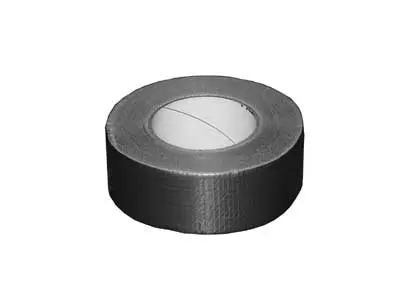
As the commercial and residential roofing sectors undergo rapid technological advancements, field safety and equipment maintenance standards are facing unprecedented scrutiny. This year marks the 70th anniversary of Roofmaster, a leading provider of commercial roofing equipment, tools, and accessories. Over seven decades of monitoring jobsite safety and equipment performance, industry experts have identified a persistent and dangerous trend: the reliance on field-expedient repairs—most notably, the ubiquitous use of duct tape to fix damaged tools, hoses, and electrical lines.
While "field ingenuity" is often celebrated in the construction trades as a practical response to unexpected equipment failures, the misuse of duct tape on critical safety and power transmission components poses severe risks. Specifically, the application of duct tape to leaking liquid petroleum (LP) propane hoses and compromised electrical extension cords creates a false sense of security that can lead to catastrophic accidents, including gas explosions, severe electrical shocks, and devastating jobsite fires.
Furthermore, the consequences of improper equipment repair extend beyond immediate physical hazards. Modern roofing jobsites rely heavily on highly sensitive electronic equipment, such as Leister hot air welders, which require precise voltage and wattage levels to operate correctly. When powered by damaged extension cords that have been temporarily patched with tape, these expensive tools are subjected to voltage fluctuations that can permanently ruin their internal microprocessors and heating elements.
To combat these risks, regulatory bodies like the Occupational Safety and Health Administration (OSHA) mandate strict inspection protocols for electrical equipment. Rather than resorting to temporary adhesives, industry safety professionals advocate for immediate equipment decommissioning, proper labeling, and professional repair or replacement through authorized distributors.
Chronology of Jobsite Safety and Tool Evolution (1954–2024)
To understand how duct tape became a deeply ingrained hazard on the modern roofing jobsite, it is necessary to examine the historical evolution of roofing materials, tools, and regulatory frameworks over the past 70 years.
The Era of Mechanical Simplicity (1950s–1970s)
In 1954, when Roofmaster was founded, the roofing industry relied primarily on built-up roofing (BUR) systems involving asphalt, coal tar pitch, and felt paper. Tools were almost entirely mechanical, consisting of kettles, mops, axes, and hand-cranked hoists.
During this post-World War II construction boom, duct tape—originally developed during the war as a waterproof joint sealer for ammunition cans—became widely available to the public. Because tools were simple and lacked delicate electronic components, field-expedient repairs using duct tape to wrap worn wooden handles, torn canvas bags, or leaking low-pressure water hoses were common and carried relatively low consequences.
The Regulatory Shift and Material Transition (1970s–1990s)
The landscape of construction safety changed permanently in 1971 with the establishment of the Occupational Safety and Health Administration (OSHA). For the first time, federal standards governed jobsite electrical safety, personal protective equipment (PPE), and hazardous material handling.
Simultaneously, the roofing industry began transitioning away from traditional hot asphalt toward single-ply membranes, such as EPDM (ethylene propylene diene monomer) and early modified bitumen systems. This transition introduced open-flame propane torches (LP torches) to the jobsite, raising the stakes for fuel delivery system safety. Despite new regulations, the habit of using duct tape for quick fixes persisted among field crews who viewed safety inspections as administrative hurdles rather than life-saving protocols.
The Digital and Synthetics Revolution (1990s–Present)
By the late 1990s and early 2000s, thermoplastic polyolefin (TPO) and polyvinyl chloride (PVC) membranes became the dominant materials for commercial flat roofs. Installing these systems requires hot-air welding equipment, such as Leister automatic and hand-held welders, which operate at temperatures exceeding 1,000°F (538°C) and utilize sophisticated electronic control boards to maintain precise heat and speed.
During this period, the power requirements on roofs escalated dramatically. The simple, heavy-duty extension cords of the past were replaced by longer, high-amperage cables designed to feed sensitive digital tools. However, the physical environment of a roof remained harsh: sharp metal edges, rough concrete decks, and heavy foot traffic continued to slice and fray cords. The traditional habit of wrapping a cut cord with duct tape clashed directly with the delicate electronics of 21st-century welding tools, resulting in a sharp increase in equipment failures and electrical safety violations.
Supporting Data: Technical Hazards and Regulatory Frameworks
The hazards associated with taped-up equipment are rooted in fundamental principles of physics, electrical engineering, and regulatory law.
The Chemistry and Physics of LP Gas Leaks
Propane (LP gas) is stored under pressure as a liquid and vaporizes into a gas when released. It is highly flammable and heavier than air, meaning leaked propane will pool in low areas, cracks, or roof drains, creating an invisible explosive hazard.
[Damaged LP Hose] ---> [Duct Tape Patch] ---> [Trapped Gas Build-up] ---> [Delayed Ignition / Explosion]When a propane hose develops a micro-tear, duct tape is entirely incapable of containing the pressure (which can exceed 100 to 200 psi depending on tank temperature and regulator settings). Instead, the tape masks the leak, preventing the operator from immediately seeing or smelling the escaping gas. The gas slowly migrates under the adhesive layer, accumulating until it reaches an ignition source, such as the open flame of a roofing torch.
Electrical Resistance, Voltage Drops, and Dielectric Breakdown
Extension cords are engineered with double insulation: an outer protective jacket and individual inner jackets around the hot, neutral, and ground copper wires. When the outer jacket is cut, the structural integrity of the cord is compromised.
- Dielectric Breakdown: Duct tape has poor dielectric strength compared to proper electrical insulation. It is highly susceptible to moisture absorption. If a taped cord is exposed to morning dew or rain on a wet roof, water can penetrate the tape, creating a path of electrical conductivity to the ground, resulting in a severe shock hazard for anyone touching the cord.
- Internal Wire Damage: A cut that penetrates the outer jacket often nicks the copper strands inside. This reduces the effective cross-sectional area of the wire, which increases electrical resistance ($R$). According to Joule’s Law of Heating:
$$P = I^2 R$$
where $P$ is power dissipated as heat, and $I$ is current. An increase in resistance ($R$) results in localized heating at the point of the cut, which can melt the remaining insulation and cause an electrical fire.
- Voltage Fluctuations: Increased resistance also causes a voltage drop over the length of the cord. Sensitive electronic tools, like Leister hot air welders, rely on a constant voltage supply. When the voltage drops or fluctuates, the tool’s internal heating element draws more current to compensate, overloading the control board and leading to premature component failure.
| Equipment Type | Operating Voltage | Sensitivity to Fluctuations | Consequence of Compromised Cord |
|---|---|---|---|
| Standard Power Drill | 120V AC | Low | Minor drop in torque |
| Leister Hot Air Welder | 120V / 230V AC | Extremely High | Burned-out heating elements, fried circuit boards |
| LP Propane Torch | N/A (Gas) | High (Hose Integrity) | Gas accumulation, flash fires, explosions |
OSHA Electrical Standards (29 CFR 1926)
OSHA maintains strict, non-negotiable standards regarding electrical safety on construction sites. The use of duct tape to repair damaged extension cords is a direct violation of several standards:
- 29 CFR 1926.403(b)(2) – Installation and Use: This standard requires that listed or labeled equipment be used in accordance with its instructions. Extension cords are not listed to be repaired with non-vulcanized tape.
- 29 CFR 1926.404(b)(1)(ii) – Ground Fault Protection: Damaged insulation can prevent Ground Fault Circuit Interrupters (GFCIs) from functioning correctly, or cause them to trip constantly, disrupting production.
- 29 CFR 1926.405(g)(2)(iii) – Splices: Flexible cords must be used only in continuous lengths without splice or tap. Hard-service flexible cords No. 12 or larger may be repaired only if spliced in a manner that retains the insulation, outer sheath properties, and usage characteristics of the cord—a process requiring vulcanized patches or heat-shrink tubing, not duct tape.
- Three-Prong Requirement: All extension cords must have a grounding conductor and a three-pronged plug. Flat wire cords are strictly prohibited on commercial jobsites because they lack the robust double-insulation found in round cords.
Official Responses and Manufacturer Guidelines
Both regulatory authorities and equipment manufacturers have issued clear, definitive statements regarding field repairs and the use of unapproved repair materials.
OSHA Field Inspection Interpretations
In official letters of interpretation, OSHA has clarified that the use of electrical tape or duct tape to repair a cut in the outer jacket of an extension cord is only permissible if the damage is superficial—meaning the cut does not penetrate the outer jacket to expose the inner insulated conductors.
However, inspectors note that once tape is applied, it is impossible for a safety manager or compliance officer to visually inspect what lies beneath. Therefore, compliance officers routinely issue citations for taped cords, classifying them as "worn or frayed" under 29 CFR 1926.416(e)(1), which states:
"Worn or frayed electrical cords or cables shall not be used."
Manufacturer Warnings: The Leister Perspective
Manufacturers of high-end roofing equipment, such as Leister Technologies, emphasize that maintaining stable power supply parameters is critical to the longevity of their tools. Leister’s official operating manuals explicitly state that the use of undersized, damaged, or poorly repaired extension cords voids the product warranty.
Technical service representatives at Leister report that a significant percentage of control board failures sent in for repair are directly attributable to "dirty power" caused by faulty jobsite wiring, damaged cords, and improper generator settings.
Implications: Financial, Liability, and Operational Realities
The continued use of duct tape for temporary equipment repairs has profound implications for roofing contractors, affecting their financial health, legal liability, and operational efficiency.
The True Cost of a Quick Fix
While a roll of duct tape costs less than $10, the financial fallout from a failed tape repair can be catastrophic.
- Equipment Destruction: A damaged cord can easily ruin a $3,000 automatic hot-air welder.
- OSHA Fines: A single "Serious" citation for damaged electrical cords can carry a penalty exceeding $15,000. If a contractor is cited for a "Willful" or "Repeat" violation, the fine can exceed $160,000.
- Project Delays: When a critical tool fails on the roof, labor productivity drops to zero while crews scramble to find a replacement. On tight commercial schedules, liquidated damages for late completion can run into thousands of dollars per day.
[Cost of New Extension Cord: ~$75]
        VS.
[Cost of Failed Repair: $3,000 Welder Damage + $15,000 OSHA Fine + $10,000 Project Delay = $28,000]
Legal and Insurance Liability
In the event of a jobsite fire or worker injury resulting from a taped cord or hose, the legal implications are severe. Insurance underwriters routinely investigate the root cause of jobsite accidents. If forensic analysis reveals that a fire was caused by an extension cord or propane hose repaired with duct tape, the insurance carrier may attempt to deny coverage based on gross negligence or failure to maintain safe working conditions. Furthermore, injured workers or third parties can file civil lawsuits against the contracting firm, leading to ruinous litigation.
Legitimate Uses of Duct Tape vs. Superior Alternatives
To maintain jobsite safety, contractors must understand where duct tape can be safely used and where it must be strictly banned.
- Acceptable Uses: Duct tape is highly effective for securing trash bags, bundling non-electrical materials, securing knee pad straps, or providing a highly temporary, non-structural weather seal on a small roof leak before a proper patch is applied.
- Superior Alternatives for Temporary Seals: For temporary roofing patches or weatherproofing, contractors should bypass duct tape in favor of products engineered specifically for the roofing environment. Self-adhesive flashing bands, such as U-Seal Band, are designed to withstand UV exposure, thermal movement, and pooling water, offering a reliable, medium-term solution without risking safety.
The Path Forward: Professional Inspection and Repair
The safest and most cost-effective policy for any roofing contractor is to implement a strict "zero-tolerance" policy for damaged cords and hoses:
- Daily Inspections: Foremen must visually inspect all cords, plugs, and LP hoses before every shift.
- Immediate Decommissioning: Any cord with a cut outer jacket or any hose showing signs of wear must be immediately removed from service, cut at the plug to prevent unauthorized use, or tagged with a highly visible "Do Not Use" tag.
- Professional Service: Rather than attempting unsafe field repairs, contractors should leverage the expertise of authorized repair facilities. Over its 70-year history, Roofmaster has established dedicated repair centers staffed by certified technicians who can inspect, safely repair, and recertify electrical cords, LP hoses, and sensitive hot-air welding equipment.
Ultimately, the cost of a professional repair or a high-quality replacement cord is a minor investment compared to the immense financial, legal, and human costs of a jobsite disaster caused by a roll of duct tape.
