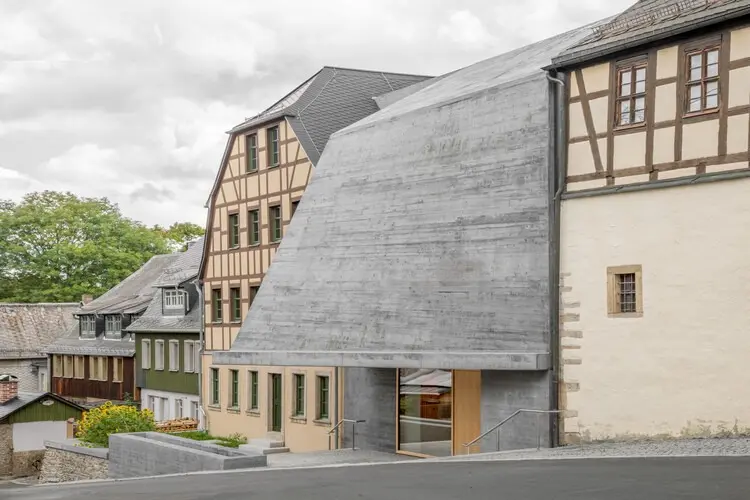
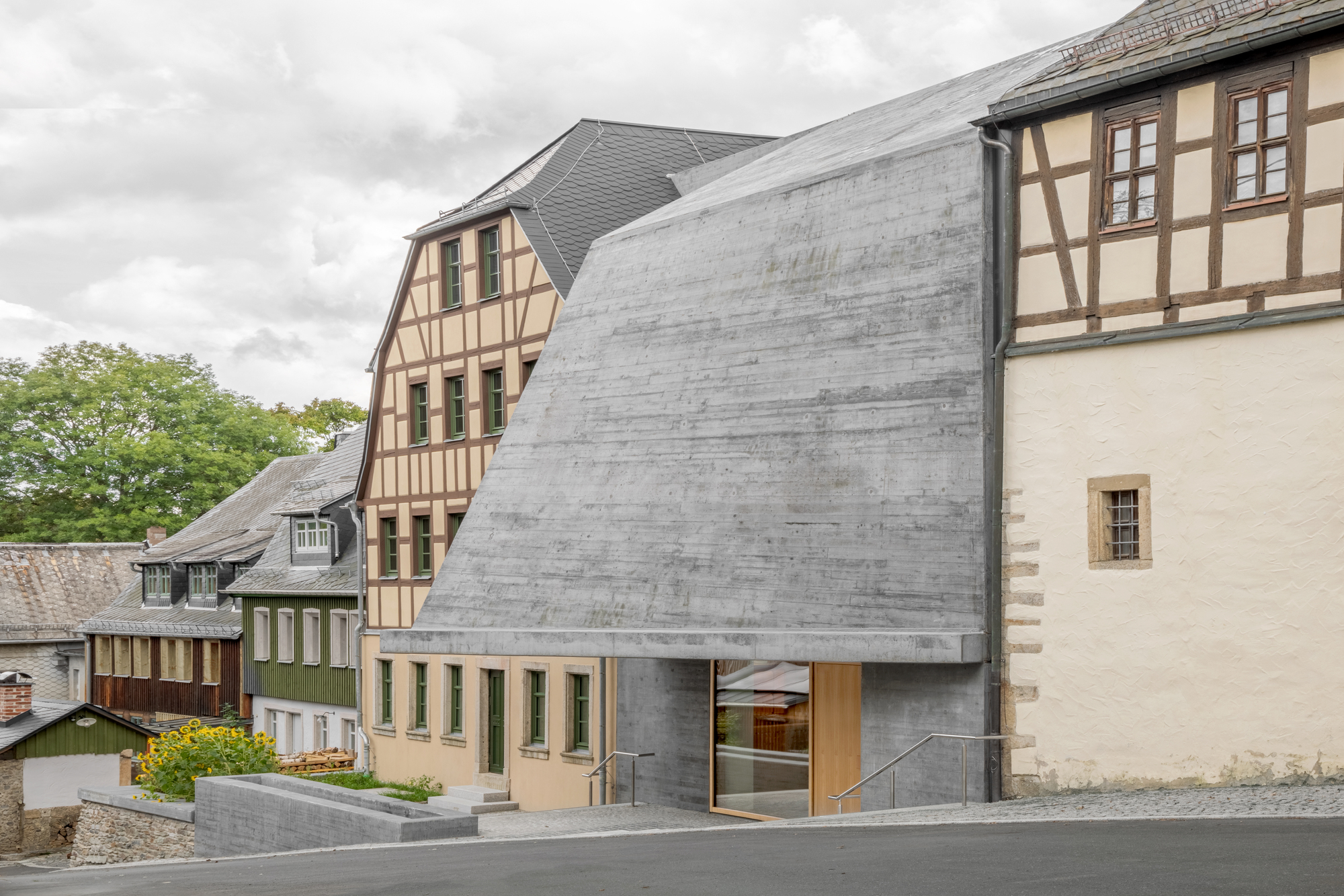
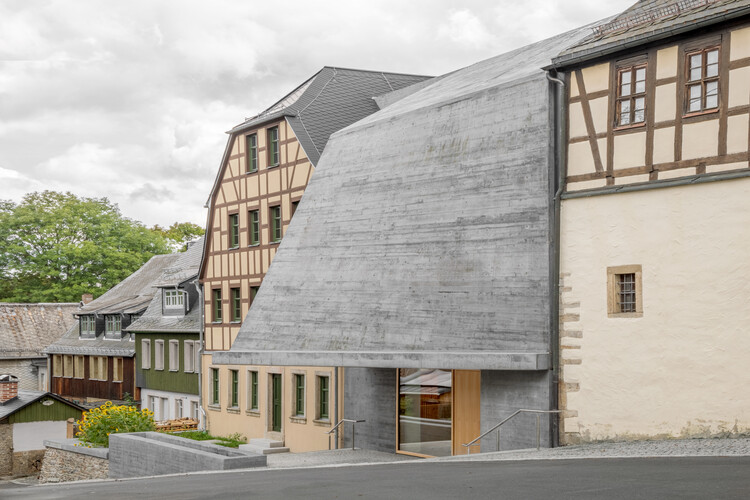
In the heart of Germany’s Vogtland region, the picturesque town of Adorf is making a bold architectural and cultural statement. Facing the complex socioeconomic hurdles that plague many rural municipalities across Europe—namely an aging population, demographic shrinkage, and the steady drain of economic vitality—Adorf has chosen a remarkably proactive path forward. Rather than quietly accepting gradual decline, the town has invested in a flagship cultural and structural project designed to anchor local identity while simultaneously driving regional tourism and revitalization: the new Mother-of-Pearl Experience Museum (Perlmutter Museum), masterminded by renowned architectural firm Schulz und Schulz.
This striking institution is much more than a showcase for local artifacts. It is a one-of-a-kind global destination. To date, no other museum in the world is exclusively dedicated to exploring the complex history of freshwater pearl mussels, historical pearl fishing, and the intricate craftsmanship of mother-of-pearl. By leveraging this ultra-niche, deeply rooted local heritage, Adorf has turned a historical specialty into a modern catalyst for architectural innovation and economic renewal.
Main Facts: Project Overview and Vision
The Mother-of-Pearl Experience Museum is a masterclass in contextual architecture, blending deep-rooted historical narratives with contemporary design sensibilities.
Project Name: Mother-of-Pearl Experience Museum Adorf-Vogtland (Perlmutter Museum)
Location: Adorf, Vogtland region, Saxony, Germany
Architects: Schulz und Schulz
Photography: Gustav Willeit
Core Subject Matter: Freshwater pearl mussels, historical pearl fishing, and traditional mother-of-pearl craftsmanship
Strategic Purpose: To counteract rural demographic decline, foster local identity, boost tourism, and serve as an educational and economic anchor for the municipality.
Global Uniqueness: The only museum worldwide dedicated comprehensively to this specific ecological and artisanal craft.
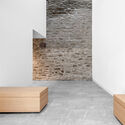
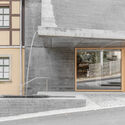
The design team at Schulz und Schulz approached the commission with a profound understanding of Adorf’s identity. The resulting structure acts as both a physical archive of the past and a beacon for the future, utilizing raw, tactile materials—most notably exposed architectural concrete—to establish a dialogue between rugged structural permanence and the delicate, iridescent qualities of mother-of-pearl displayed within.
Chronology: The Road to Adorf’s Cultural Renaissance
To understand the weight of the new museum, one must trace the timeline of Adorf’s socio-economic transformation and the multi-year realization of the architectural project.
Phase 1: The Backdrop of Rural Decline (Late 20th to Early 21st Century)
Like many post-industrial and rural towns in eastern Germany, Adorf experienced a significant generational shift following reunification. Younger populations migrated toward major metropolitan hubs like Leipzig, Berlin, and Frankfurt, leaving behind an aging demographic. Local leaders recognized that halting this trend required more than basic infrastructure repairs; it demanded bold investments in education, tourism, and cultural identity.
Phase 2: Identifying the Unique Heritage (The Pre-Project Era)
Adorf’s historical connection to mother-of-pearl artistry and freshwater pearl mussels in local rivers represents a deeply specialized craft that once put the region on the map. Town officials and cultural historians realized that preserving this heritage could yield a unique selling proposition (USP). The concept for a dedicated, state-of-the-art experience museum began to crystallize as a flagship investment supported by regional development funds.
Phase 3: Architectural Commission and Design (Mid-2020s)
Architects Schulz und Schulz were selected to conceptualize the building. Their design philosophy focused on creating a public space that feels grounded in the landscape yet visually commanding. The planning phase addressed the dual challenge of housing delicate historical exhibits while providing a flexible, modern public space capable of hosting educational workshops, community events, and international visitors.
Phase 4: Construction and Materialization
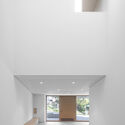
The construction phase tested precision engineering, particularly in handling massive cast-in-place concrete elements designed to weather gracefully over decades. Interior spaces were tailored to manipulate light carefully, drawing a deliberate contrast between the heavy, monolithic exterior and the shimmering, organic treasures housed inside.
Phase 5: Opening and Public Reception (Late 2026)
Marking its official debut in September 2026, the Mother-of-Pearl Experience Museum opened its doors to widespread acclaim. Early visitor turnouts have exceeded municipal projections, signaling that the gamble on niche cultural tourism is paying off.
Supporting Data: Contextualizing Rural Challenges and Architectural Response
To evaluate the significance of the Adorf museum, it is essential to examine the socio-economic metrics driving municipal interventions in rural Saxony.
Metric / Indicator
Regional Trend (Vogtland)
Adorf’s Strategic Countermeasure
Demographics
Aging population and steady out-migration of working-age residents.
Upgrading cultural infrastructure to retain youth and attract remote workers/tourists.
Economic Base
Transition away from traditional manufacturing; search for new economic drivers.
Capitalizing on unique cultural heritage through high-profile tourism projects.
Architectural Intervention
Need for durable, low-maintenance, high-impact public buildings.
Commissioning minimalist, high-grade concrete architecture by Schulz und Schulz.
Global Positioning
Low international visibility for small towns.
Establishing the only museum of its kind globally, capturing niche global interest.
The architectural language employed by Schulz und Schulz directly responds to these data points. By utilizing robust materials like board-formed and smooth cast concrete, the building communicates permanence and stability—reassuring residents of the municipality’s long-term viability. Simultaneously, the refined detailing and spatial choreography inside the museum elevate a localized craft into an international exhibition standard.
Official Responses and Stakeholder Perspectives
The realization of a project of this magnitude requires close collaboration between municipal leaders, architects, regional planners, and cultural preservationists.
Municipal Leadership on Structural Change
Adorf’s town administration has consistently framed the museum not merely as a tourist attraction, but as an essential piece of social infrastructure. In policy briefings leading up to the opening, city officials emphasized that modern municipal survival depends on cultural self-confidence.
"We cannot stop demographic shifts by simply wishing them away," noted a representative from the Adorf town planning department during the project’s development. "We have to give people a reason to stay, a reason to be proud of where they live, and a reason for travelers to step off the highway and explore our valleys. The Perlmutter Museum is our statement to the future: we are honoring our past to build our next chapter."
The Architects’ Perspective: Schulz und Schulz
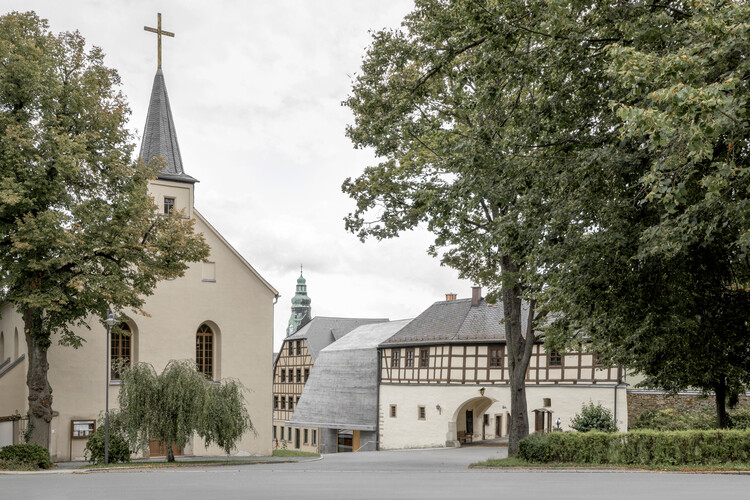
For the architectural team, the challenge lay in creating a building that does not overpower its surroundings, yet possesses enough architectural gravity to act as an urban anchor.
Schulz und Schulz focused on the metaphorical parallels between the freshwater mussel and the architectural envelope. Just as a natural shell protects and nurtures a luminous, organic treasure through patient accumulation, the museum’s heavy concrete shell safeguards the fragile, intricate history of Vogtland’s mother-of-pearl artisans. The exterior austerity gives way to spatial fluidity and contemplative interior pathways, guiding visitors on a journey from the natural ecology of local rivers to the high-precision artistry of historical button-makers, jewelers, and inlay craftsmen.
Implications: A Blueprint for Rural Revival?
The launch of the Mother-of-Pearl Experience Museum in Adorf-Vogtland carries implications that stretch far beyond the borders of Saxony. As many European regions grapple with the hollowed-out centers of smaller towns, Adorf’s strategy offers a compelling case study in cultural anchor-led regeneration.
1. Niche Tourism as an Economic Engine
Traditional economic development models for small towns often relied on attracting heavy manufacturing or relying on generic retail parks. Adorf proves that hyper-specialization—leaning entirely into an authentic, localized, and globally unique narrative—can generate far more distinct cultural pull. Travelers today increasingly seek authentic, place-based experiences rather than homogenized urban entertainment.
2. Elevating Civic Pride
Beyond economic metrics, the psychological impact on the local community is profound. For decades, residents of shrinking rural towns have been bombarded with narratives of decline. A world-class cultural institution designed by leading architects signals a powerful counter-narrative: that the community is valued, vibrant, and worthy of architectural excellence. This renewed civic pride often correlates with increased volunteerism, local engagement, and a willingness among younger generations to remain in the region.
3. Architecture as a Cultural Anchor
The project underscores the argument that bold, high-quality contemporary architecture is not the exclusive domain of major metropolises. When deployed strategically in rural contexts, thoughtful architectural design can elevate local history, command media attention, and redefine a town’s identity on the national and international stage.
Conclusion
The Mother-of-Pearl Experience Museum in Adorf-Vogtland stands as a triumphant fusion of environmental history, artisanal heritage, and cutting-edge contemporary architecture. Through the visionary design of Schulz und Schulz and the unwavering commitment of local leadership, Adorf has transformed a vulnerability—rural isolation and demographic pressure—into a distinct asset. By building the world’s ultimate sanctuary for the freshwater pearl mussel and mother-of-pearl craftsmanship, Adorf has not only preserved a vanishing trade; it has cast a shimmering light on its own future.