

Autumn’s Vibrant Transformation and the Backyard Dilemma
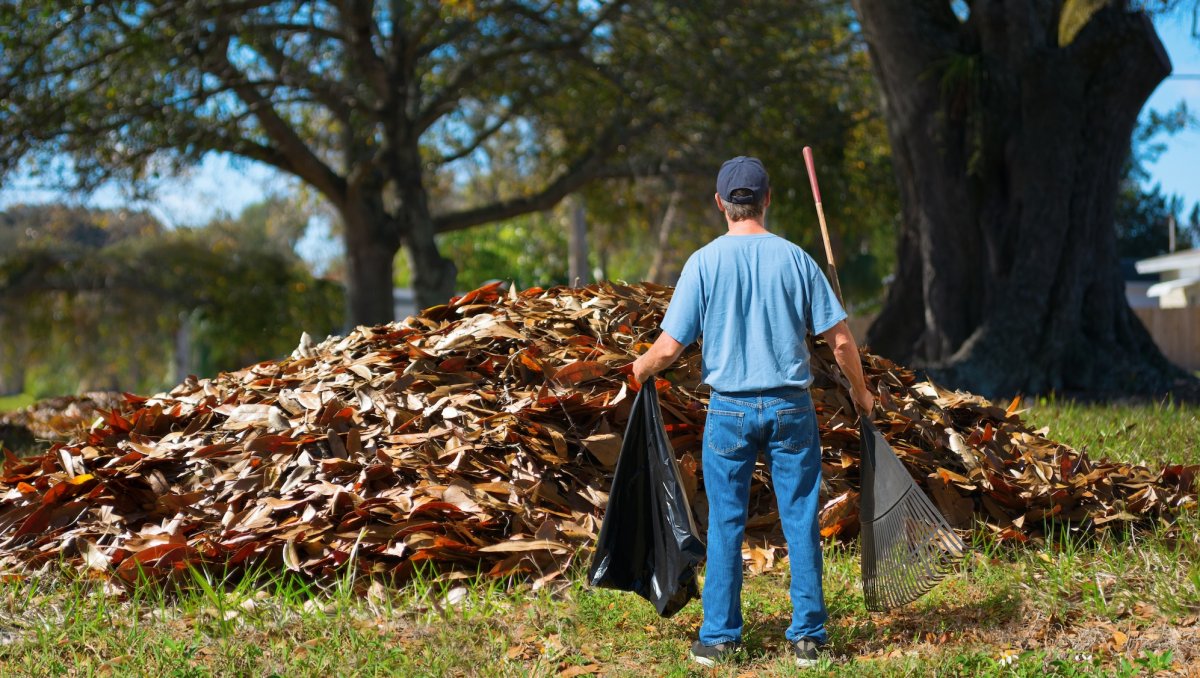
There are few phenomena in the natural world as visually stunning as the fiery red, deep amber, and brilliant gold foliage that characterizes the peak of the autumn season. Across North America, deciduous trees shed their canopies in a seasonal spectacle, painting landscapes in breathtaking hues. However, once the initial aesthetic appeal fades, homeowners are left with a massive logistical challenge: millions of fallen leaves blanketing their yards.
While a light scattering of leaves adds rustic charm to a landscape, an unmanaged, heavy accumulation can spell disaster for a residential lawn. Thick blankets of damp foliage smother turfgrass, block essential sunlight, impede the growth of cool-season grasses, and create a damp, humid microenvironment that invites destructive pests and fungal diseases.
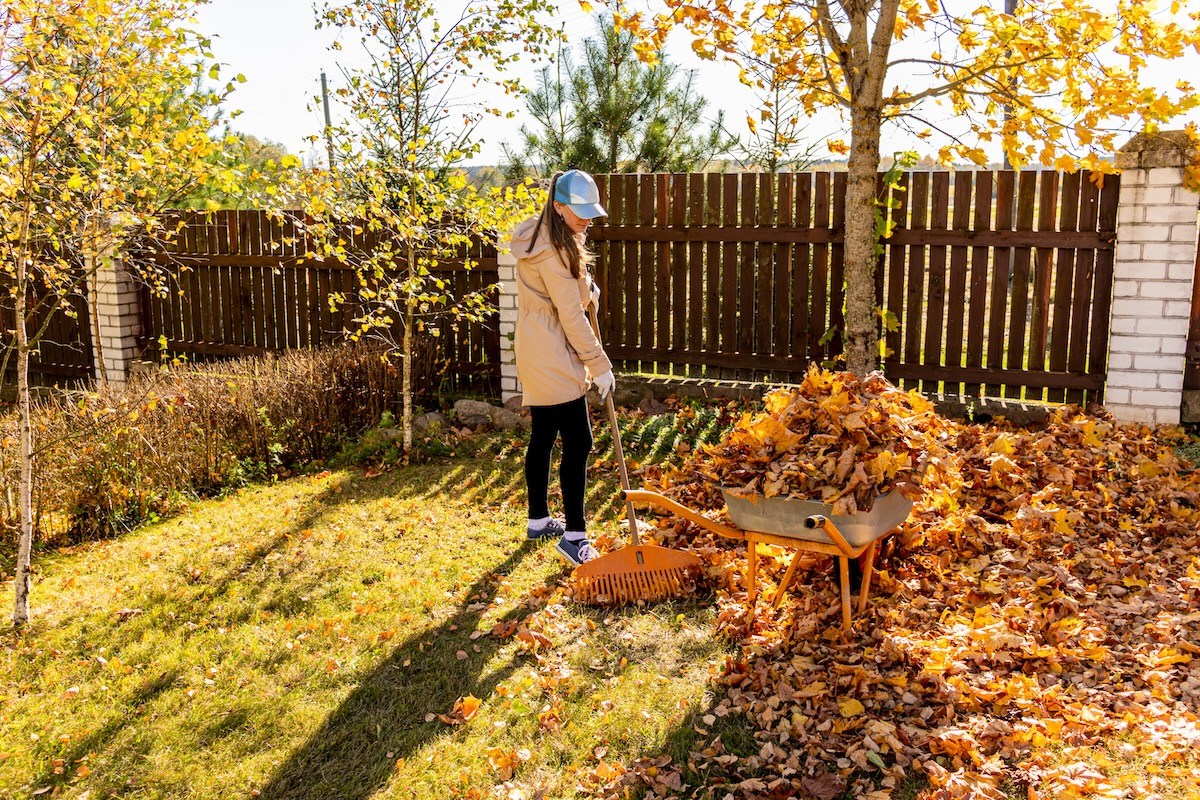
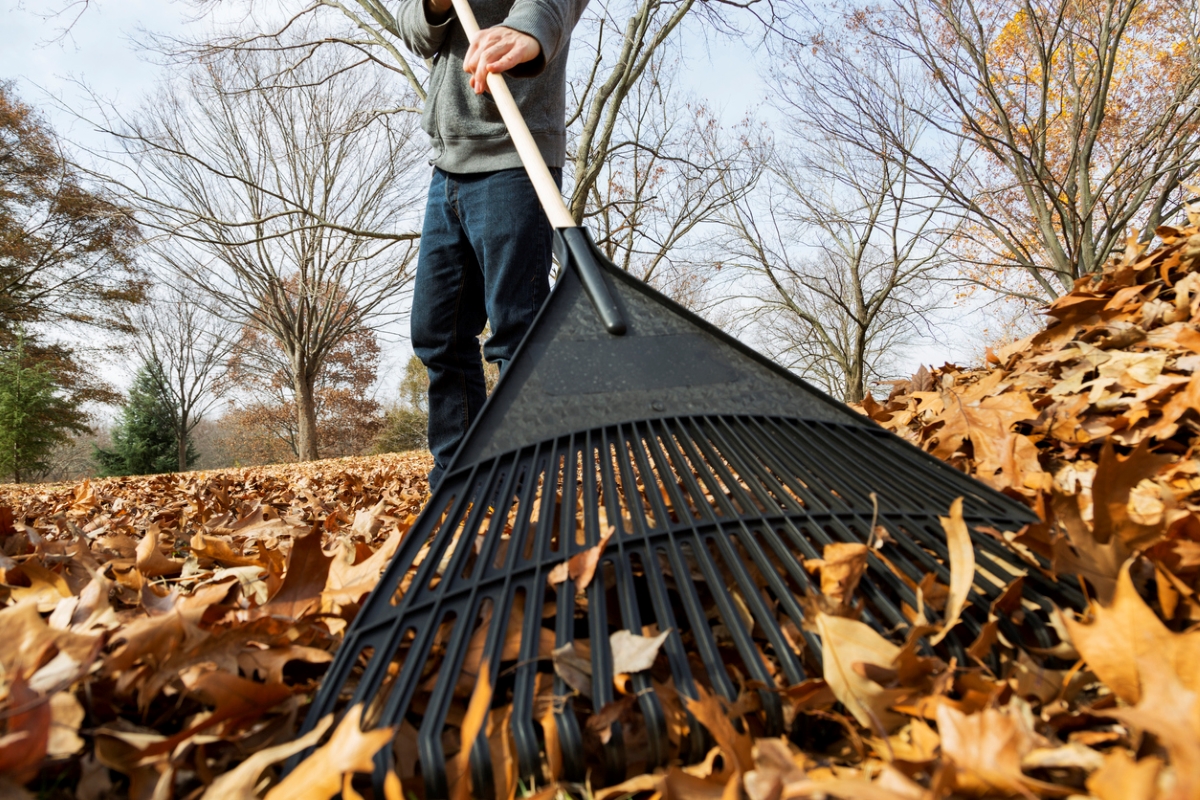
For generations, the cultural script for autumn has been clear: haul out the rakes, strap on the work gloves, fill countless plastic bags, and ship the organic debris off to local landfills. But as environmental science, horticulture, and wildlife conservation evolve, a growing number of experts are challenging this labor-intensive tradition. Contemporary arborists and environmentalists argue that viewing autumn leaves purely as "waste" is a costly mistake—both for the homeowner’s weekend free time and for the local ecosystem.
Main Facts: The Shift from Burden to Resource
The traditional approach to fall yard cleanup is undergoing a massive paradigm shift. Rather than treating fallen leaves as an administrative nuisance to be eradicated, modern landscape management treats them as a valuable natural asset.
- The Wildlife Connection: Fallen leaves serve as a critical micro-habitat for a diverse array of native wildlife. From overwintering butterflies, moths, and chrysalis stages to beneficial native bees and ground-dwelling songbirds, a natural leaf layer is a lifeline.
- The Landfill Problem: Bagging and trucking leaves to landfills strips local ecosystems of essential nutrients while needlessly consuming municipal waste resources.
- The Ecological Alternative: Experts now advocate for a range of strategies—ranging from strategic mulching and composting to abandoning raking altogether in specific garden beds.
- The Economic and Physical Toll: Traditional raking and bagging is physically grueling, often resulting in back strain, blisters, and wasted weekends. Adopting smarter mechanical tools, tarps, and environmental techniques can dramatically cut down labor.
Chronology: The Seasonal Lifecycle of Fall Foliage
Understanding when and how to manage your yard requires tracking the natural timeline of autumn transitions.
Phase 1: The Transition and Dropping Period (Late September to Mid-November)
The process begins as shortening daylight hours and dropping temperatures trigger trees to withdraw nutrients from their leaves, breaking down chlorophyll and revealing the underlying carotenoid and anthocyanin pigments. Leaves do not fall all at once; species like maples, birches, and oaks shed on staggered timelines. Experts advise patience during this period. Raking prematurely while trees are still full of foliage results in repetitive, endless labor.

Phase 2: The Peak Accumulation and Weather Interventions (Late November)
Once the branches are nearly bare, the bulk of the yard work begins. Homeowners must monitor local weather patterns carefully. Raking before a major rainstorm is critical; once leaves become waterlogged, they mat together, forming a heavy, impermeable seal over the lawn and clogging mechanical leaf vacuums and blowers.
Phase 3: Decomposition and Overwintering (December through Spring)
Left to decompose naturally or mulched into the turf, leaves break down over the winter months. Earthworms, beneficial bacteria, and fungi consume the organic material, transforming it into a rich, nutrient-dense humus that feeds the soil microbiome ahead of the spring growing season.
Supporting Data & Expert Insights: The Value of "Leaving the Leaves"
To understand why environmental agencies are pushing back against aggressive yard cleaning, one must look at the biological data governing our backyards.
David Mizejewski, a prominent naturalist with the National Wildlife Federation (NWF), has been at the forefront of the "Leave the Leaves" movement. Mizejewski emphasizes that treating a yard as a sterile green carpet comes at a severe biological cost.
"[Leaves] are an important habitat for all sorts of wildlife from songbirds to butterflies and moths; even some of our native bees rely on that natural layer of leaves that fall as habitat," Mizejewski explains. “If you throw them all away in the landfill, not only does that completely eliminate the habitat for these wildlife, it’s also throwing away a valuable resource.”
According to data compiled by the U.S. Department of Agriculture (USDA), organic leaf litter functions as a natural mulch layer. This layer provides several measurable benefits:

- Moisture Retention: Decomposing leaf mulch dramatically reduces soil evaporation, preserving moisture and decreasing the frequency of required lawn irrigation.
- Weed Suppression: A natural barrier of leaf debris blocks weed seeds from receiving the sunlight needed for germination, cutting down spring weeding efforts.
- Soil Thermal Regulation: The spongy organic layer insulates plant roots against sudden, extreme winter freezes.
Official Responses & Environmental Impact
Environmental protection agencies at both state and federal levels are increasingly weighing in on traditional lawn maintenance equipment, specifically targeting the carbon footprint of gas-powered landscaping tools.
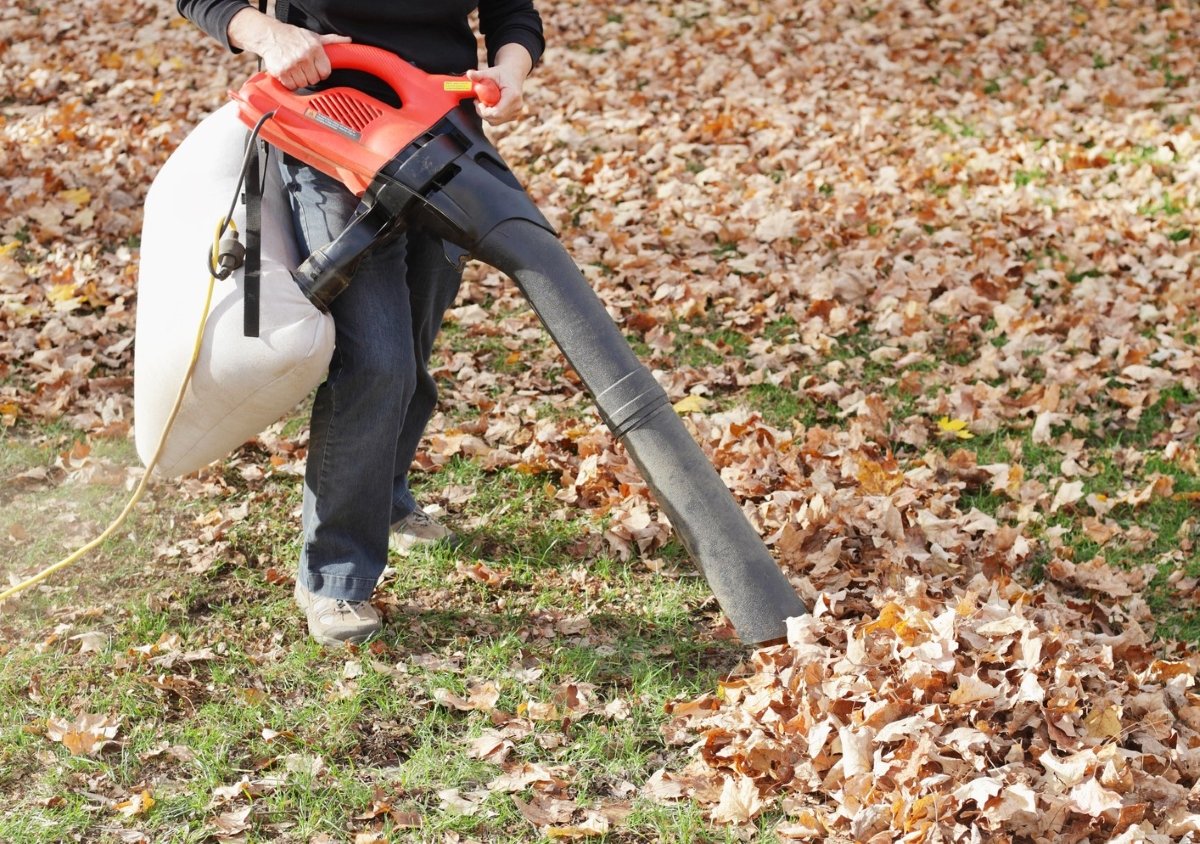
The NWF and various environmental groups have raised alarms over the widespread use of gasoline-powered leaf blowers, lawn mowers, and string trimmers.
“Those lawn mowers, weedwackers, and blowers that are powered by gasoline are putting out awful amounts of carbon dioxide and other air pollutants,” Mizejewski notes.
Engine emissions from older two-stroke small engines are notoriously unregulated compared to automobiles, releasing high volumes of unburned hydrocarbons and particulate matter. Furthermore, the acoustic pollution generated by commercial gas blowers disrupts local avian communication and nesting patterns.
Consequently, official recommendations from conservationists urge homeowners to phase out gas-powered equipment in favor of high-voltage electric and battery-operated alternatives (such as 40V or 80V cordless systems), which drastically curtail both noise pollution and greenhouse gas emissions.
Implications: Practical Strategies for Every Yard
Homeowners do not necessarily need to let their entire front lawns run wild to reap the ecological benefits of autumn leaves. A balanced approach can harmonize neighborhood aesthetic standards with environmental stewardship. Here is how to execute smart, efficient leaf management based on professional landscaping insights:
1. Optimize Your Mechanical Approach
- Wait It Out: Do not lift a rake until the trees are practically bare. Raking once at the end of the season saves hours of redundant labor.
- Work in Quadrants: Instead of dragging all leaves to a single central point across a massive lawn, divide the property into grids or quadrants. Rake debris into orderly rows to maximize efficiency.
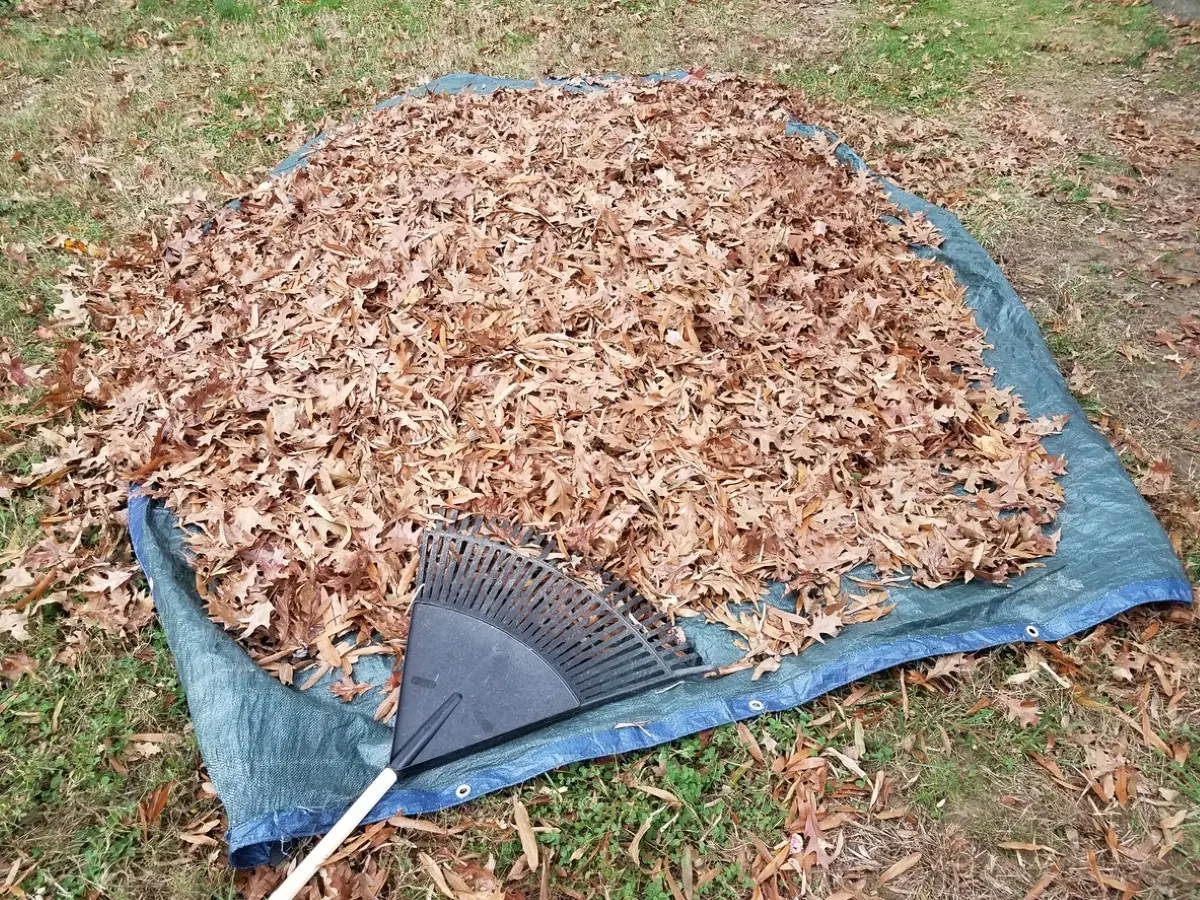
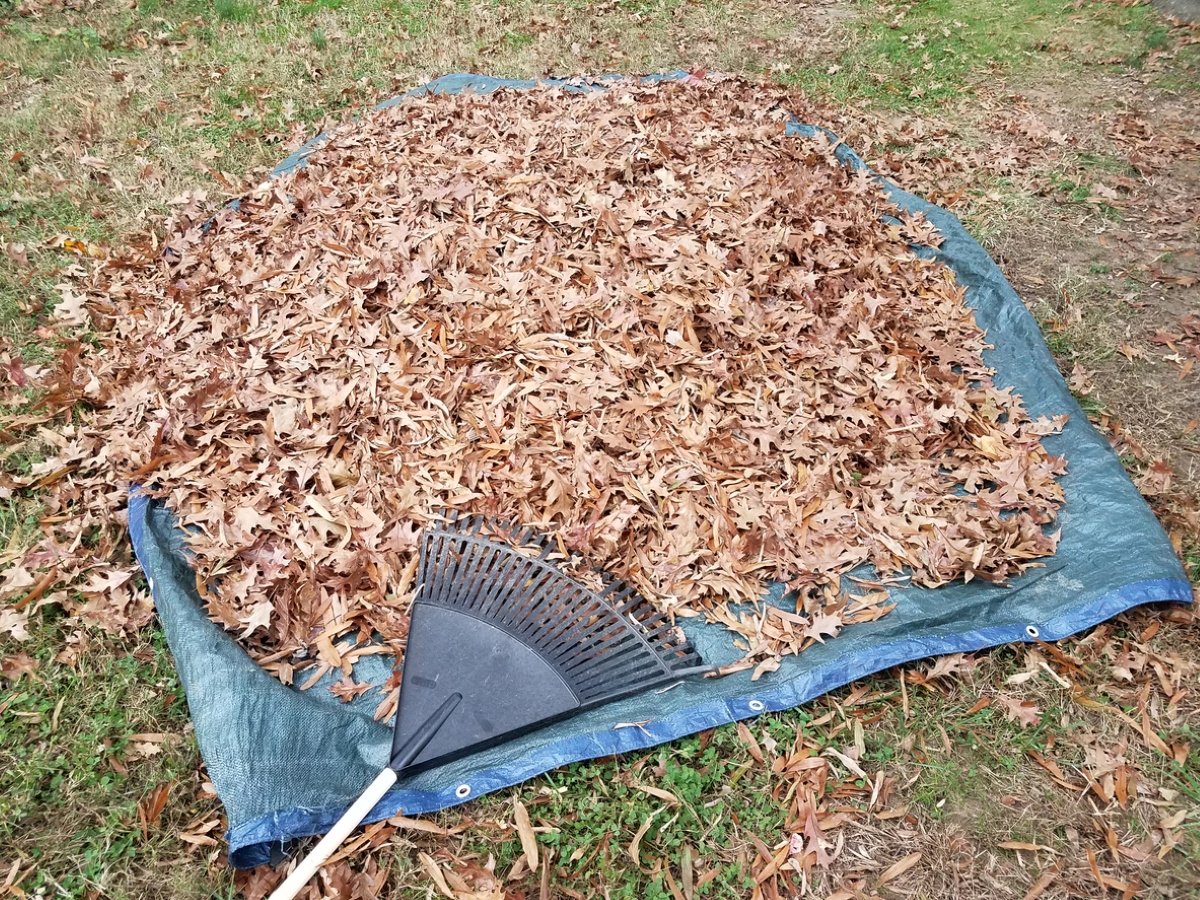
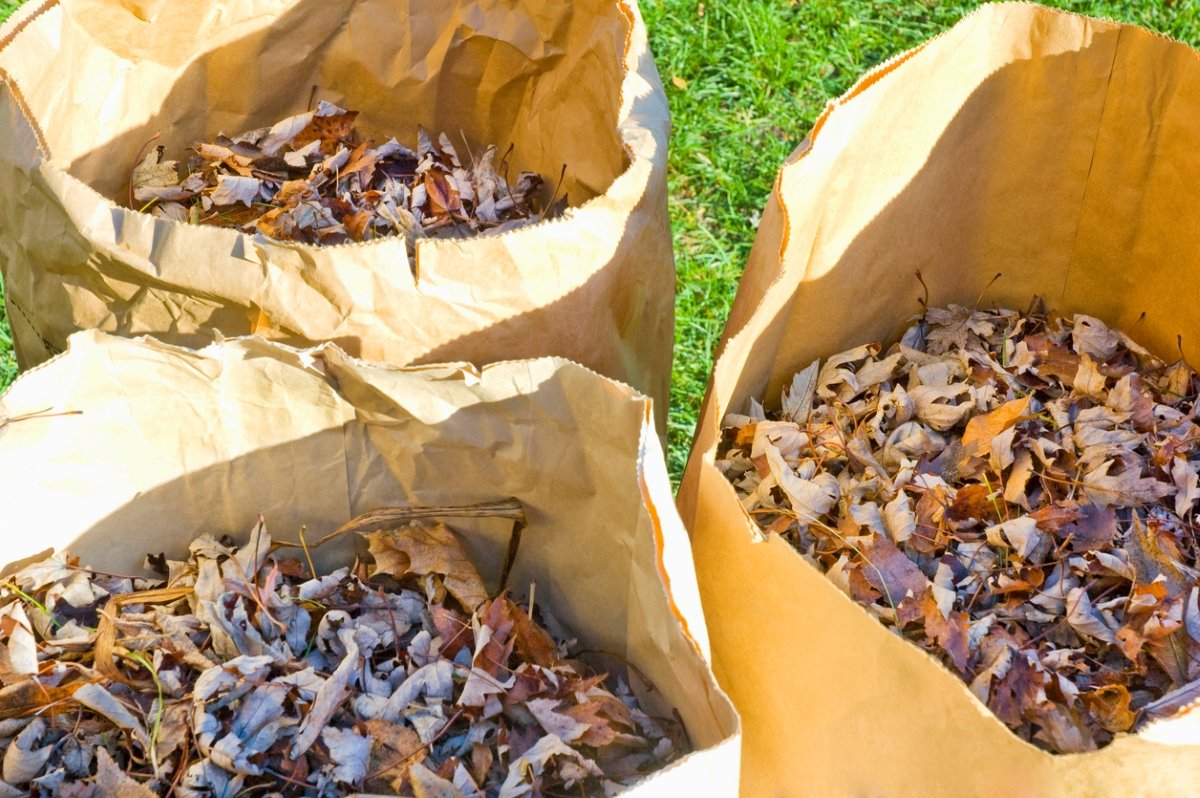
- Leverage Tarps Over Bags: Raking directly onto a heavy-duty drawstring tarp—such as a Rocky Mountain Goods utility tarp—allows you to bundle and drag massive volumes of leaves simultaneously, eliminating the backbreaking work of stuffing flimsy paper bags.
2. Invest in Smart Tools
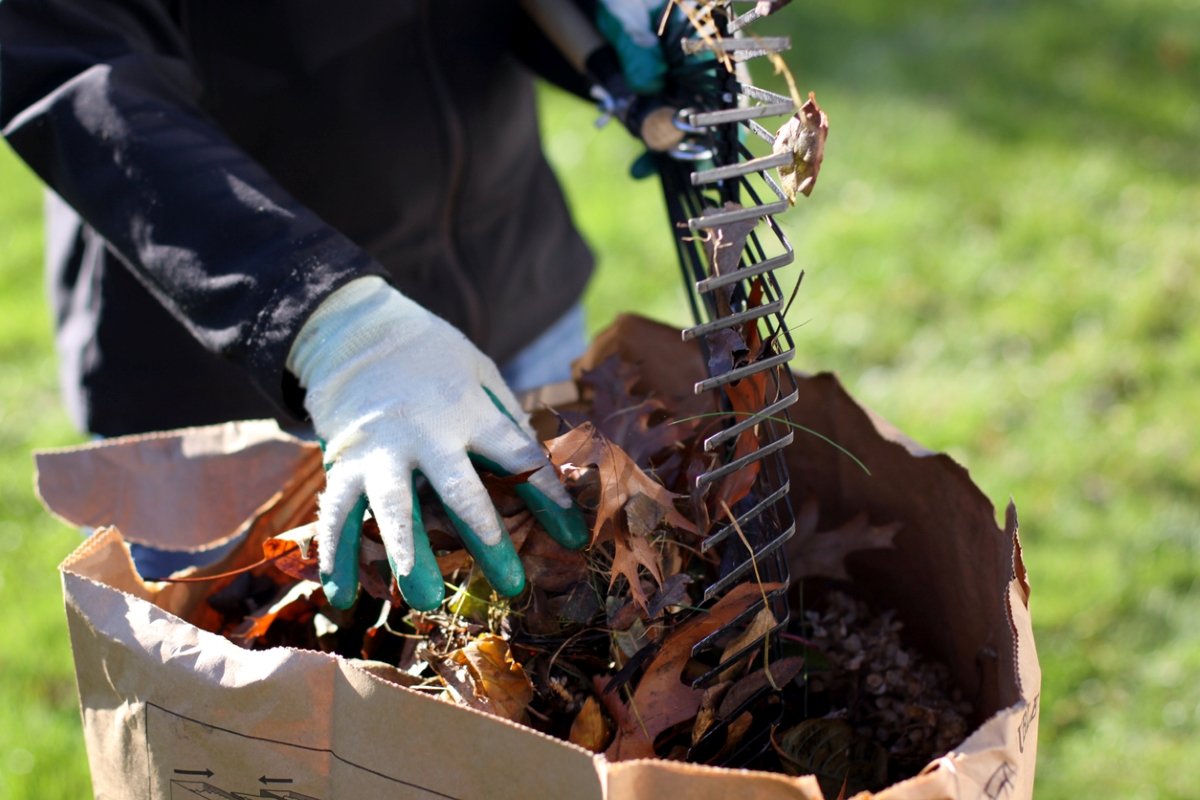
- Select the Right Rake: Avoid narrow-tine rakes that catch and snag. Opt for wide (approx. 30-inch) "no-clog" models featuring alternating dual-tines, like the True Temper Clog-Free Rake, which glide across turf without digging into the thatch layer.
- Mow and Mulch Simultaneously: For manageable amounts of leaves, skip the raking entirely. Run over dry leaves with a mulching lawn mower. The steel blades chop the foliage into fine particles that filter down into the turf canopy, rapidly decomposing to inject nitrogen and organic matter directly into the soil.
- Consider Leaf Vacuums and Scoops: Cordless leaf vacuums equipped with built-in shredders reduce volume exponentially. For manual pickup, ergonomic "leaf scoops" (giant handheld claws) prevent repetitive bending and lower the risk of lower-back strain.
3. Adopt the "Partial Leave" Strategy
If a pristine, manicured front lawn is a priority for your neighborhood HOA, compromise by clearing the central turf areas while sweeping excess leaves into your perennial garden beds, under shrubs, and around the base of trees. This creates insulated "soft landings" where beneficial insects can safely overwinter without disrupting your primary lawn aesthetics.
Conclusion: Turning Over a New Leaf
Autumn yard maintenance no longer needs to be a dreaded, back-breaking ritual defined by plastic bags and roaring, gasoline-powered engines. By understanding the natural timeline of deciduous trees, adopting ergonomic tools and tarps, and recognizing the profound ecological value of organic leaf litter, homeowners can transform an exhausting weekend chore into a sustainable landscape practice. Whether you choose to mulch your leaves directly into the turf, repurpose them as rich garden compost, or leave them where they fall to support local wildlife, this season offers a prime opportunity to work with nature rather than against it.
