

By: Automotive & Micromobility Desk
Published: November 2026
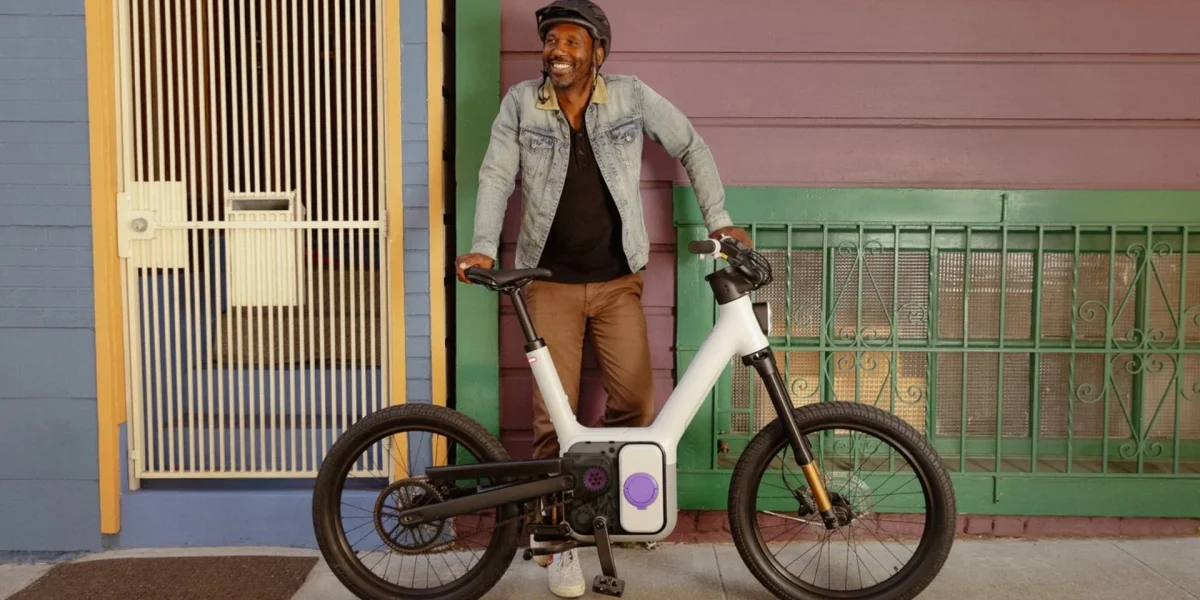
After a turbulent gauntlet of repeated delays, missed delivery projections, and growing skepticism from an increasingly impatient base of reservation holders, ALSO—the high-profile electric vehicle spinout from American automaker Rivian—is finally delivering. The first customer-bound Launch Edition units of the $4,500 ALSO TM-B electric bicycle are arriving on doorsteps across the United States.
As early adopters assemble their long-awaited rides and take to social media to share their inaugural experiences, a fascinating picture is beginning to emerge. The initial verdict? The TM-B is a remarkably responsive, structurally distinct piece of automotive-inspired engineering that largely lives up to its dynamic promises. However, like many vehicles in the electric mobility sector, it also comes with a few sobering data points regarding real-world performance, particularly when it comes to battery range.
Main Facts: The Anatomy of the Rivian-Inspired TM-B
The ALSO TM-B is not just another entry into the crowded, conventional e-bike market. Drawing heavily from Rivian’s ecosystem of design, software integration, and consumer tech philosophy, the $4,500 TM-B introduces features rarely seen in contemporary micromobility.
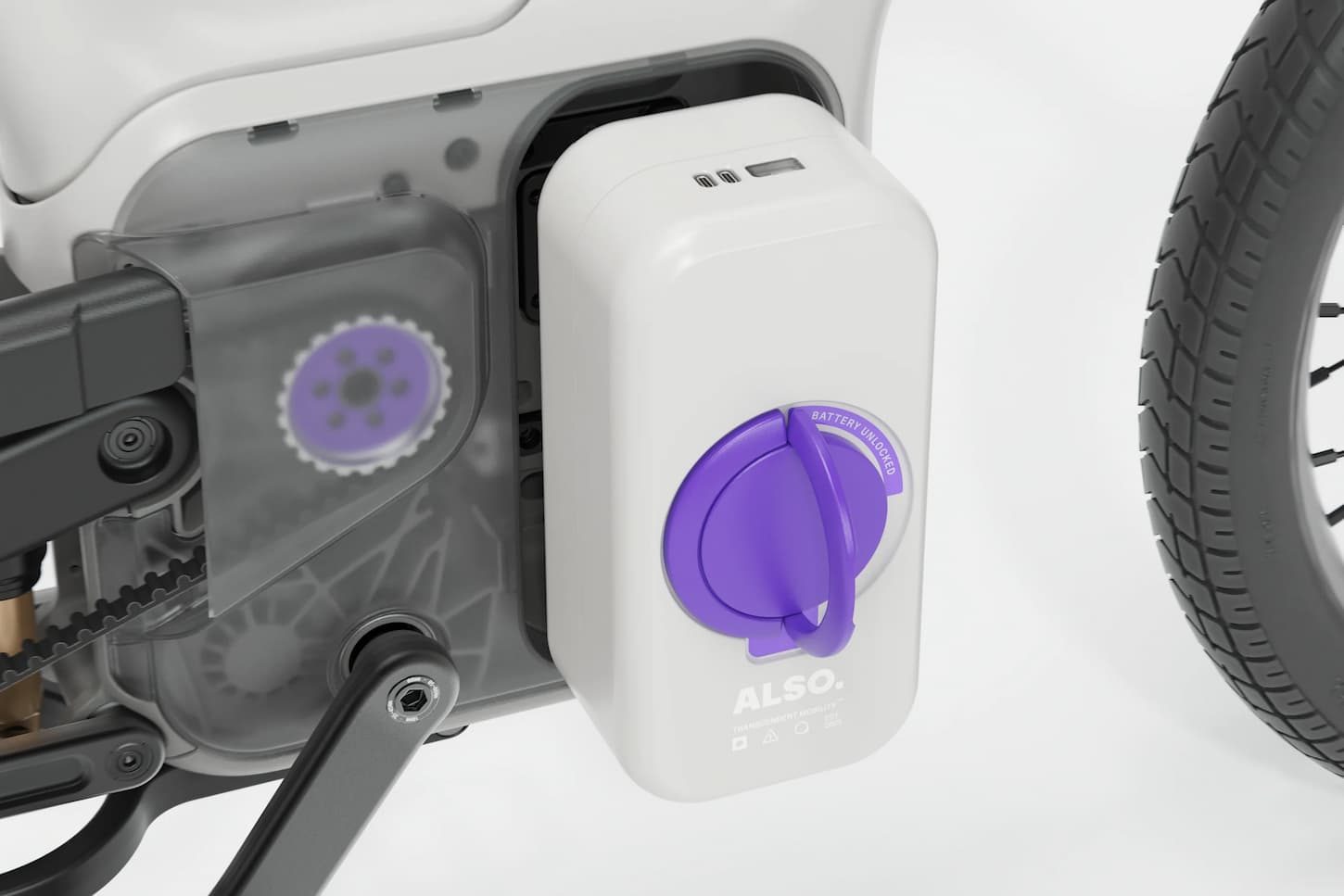
At the core of the bike’s mechanical uniqueness is its proprietary DreamRide drive system. Abandoning the traditional bicycle architecture—which features a physical chain or belt mechanically linking the rider’s pedals directly to the rear wheel—the TM-B relies on a pedal-by-wire setup. When the rider pedals, sensors generate an electronic input that communicates directly with a heavy-duty hub motor. This entirely software-defined drivetrain allows ALSO to fine-tune resistance, torque curves, and power delivery dynamically.
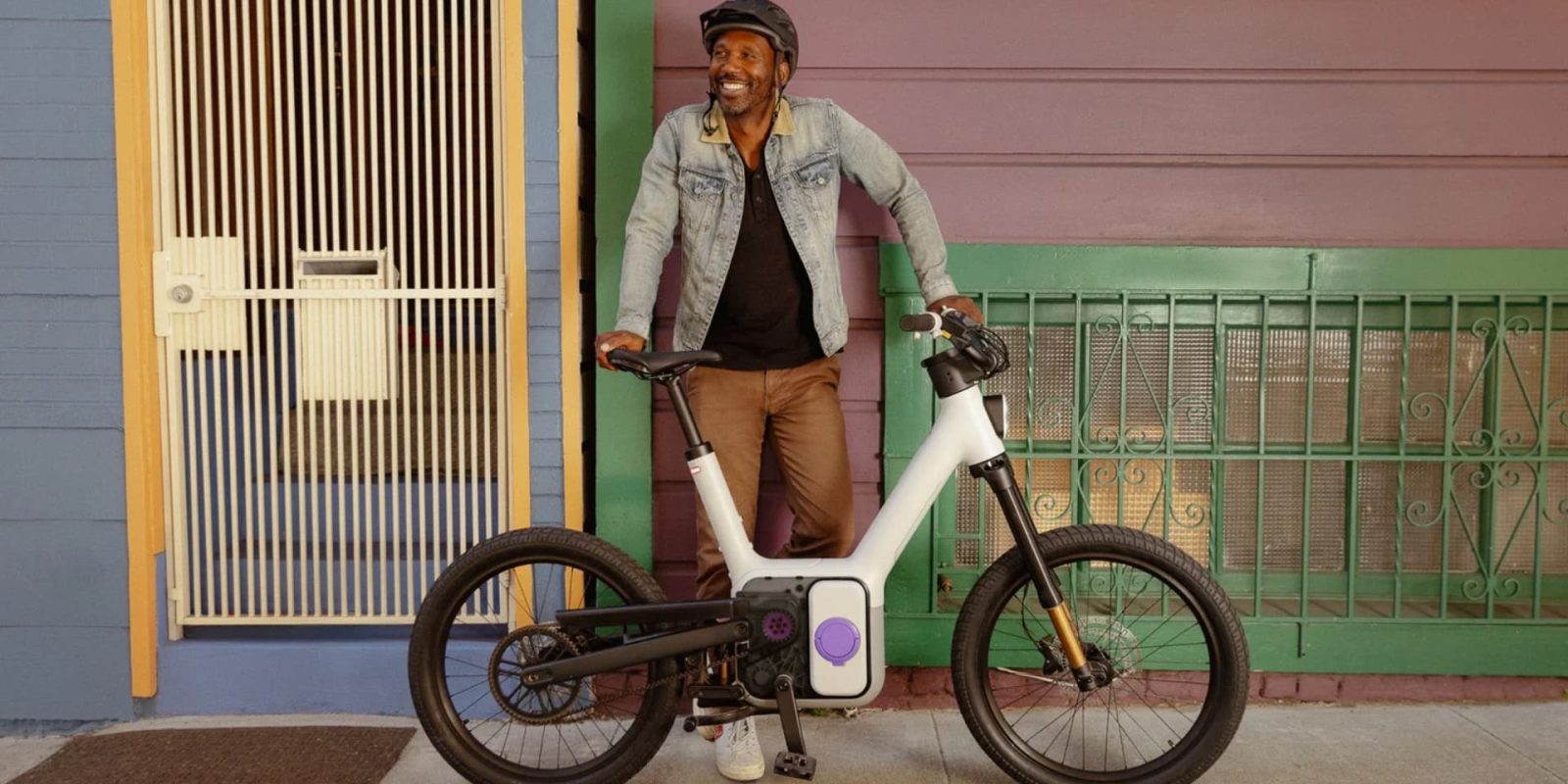
Beyond its chainless propulsion, the TM-B boasts several high-end innovations:
- Swappable Top Frames: Allowing for potential aesthetic and structural customizations.
- Integrated High-Power USB-C Charging: Designed to keep rider electronics powered on long journeys.
- A Contextual Thumb "Boost" Control: Rather than functioning as an independent, motorcycle-style twist throttle, the TM-B’s thumb control acts strictly as a temporary power multiplier. When depressed while the rider is actively pedaling, it temporarily maxes out the motor assist for rapid acceleration. Without active pedaling, the throttle remains inert.
For early buyers, this nuanced approach to power delivery has been a breath of fresh air. One early Launch Edition owner on Reddit noted: "When you depress the throttle and you’re not pedaling, nothing happens. But when pedaling, it temporarily increases the assist to the max level and the bike takes off like a rocket… I don’t really have any interest in an eBike that operates like a motorcycle."
Chronology: From Rivian Concept to Frustrated Waitlists
The journey to these initial deliveries has been fraught with structural hurdles, regulatory speedbumps, and a PR balancing act that tested the patience of early supporters.
The Evolution Timeline:
- Late 2025: ALSO officially spins out of Rivian, capturing public imagination with teasers of a radically futuristic, pedal-by-wire electric bicycle.
- Mid-2026: Initial delivery windows come and go. Frustrated reservation holders watch their estimated ship dates slide repeatedly. Compounding tensions, ALSO takes fleet models on a nationwide promotional tour, allowing prospective buyers and media outlets to ride the bikes while actual paying customers wait empty-handed.
- Late Summer 2026: ALSO management cites supply chain component adjustments and complex regulatory approval hurdles—specifically surrounding the battery architecture and high-power USB-C charging systems—as the primary drivers behind the delays.
- Fall 2026: The narrative officially pivots. Demonstration units give way to verified customer deliveries, marking the transition from corporate hype to genuine consumer evaluation.
Supporting Data: The 100-Mile Claim vs. Real-World Range
Perhaps the most valuable insights coming out of these early wave deliveries involve rigorous, user-conducted range testing. Like nearly every manufacturer in the electric vehicle and e-bike sectors, ALSO marketed aggressive range figures—boasting up to a 100-mile (160 km) ceiling under optimal conditions.
However, early real-world testing has provided a necessary reality check.
The Worst-Case Range Test
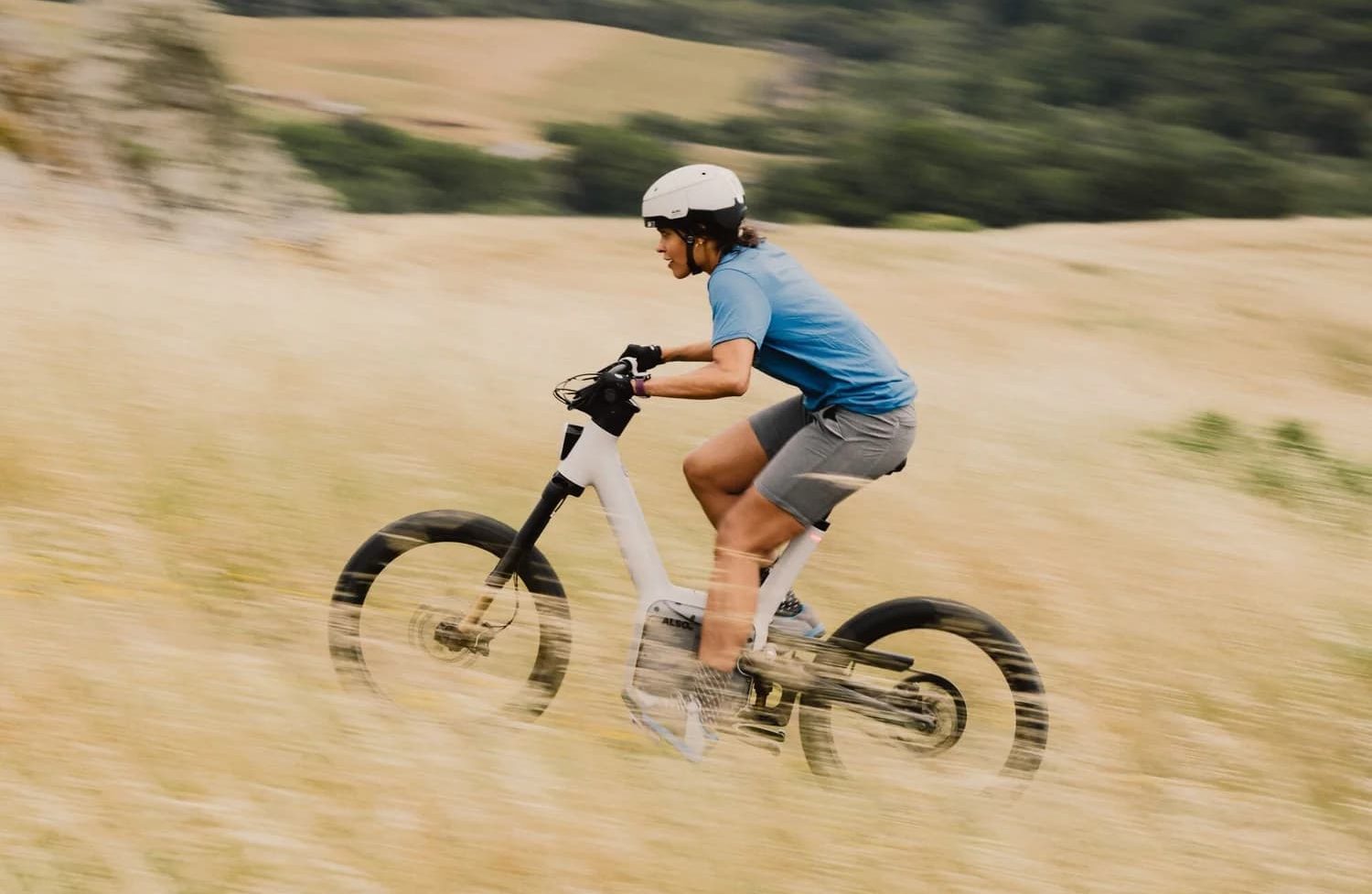
One dedicated early adopter took their TM-B out for a punishing range test designed to push the bike to its limits. Starting from a 100% state of charge, the rider traversed 30 miles (51 km) of varied terrain before depleting the battery down to a critical 4% reserve.
Importantly, this test represented a functional worst-case scenario:
- The rider maintained high levels of pedal-assist throughout the entire journey.
- The route featured multiple steep, energy-draining hills.
- Significant headwinds battered the rider for portions of the trip.
Intelligent Power Management and Voltage Sag
The telemetry reported by early owners also sheds light on how the TM-B manages its battery degradation over the course of a long ride. Rather than maintaining full power until an abrupt cutoff, the bike systematically steps down its maximum assistance as the state of charge drops:
- At 40% Battery: Maximum assistance scales back from the highest "10x" setting to "9x."
- Gradual Step-Downs: Power output continues to throttle down incrementally as the battery drains further.
- At 6% Battery: Assistance drops to a meager "2x," leaving the rider with a ride quality that closely mimics an unpowered, conventional bicycle.
While 30 miles of high-output, aggressive riding falls far short of the advertised 100-mile metric, industry analysts point out that this discrepancy is standard practice. Maximum range claims universally rely on low-assist, flat-ground eco-modes with lightweight riders. Nevertheless, the real-world data proves that if you plan to push the TM-B hard up steep inclines, you will need to budget your battery milestones accordingly.
Official Responses and Supply Chain Realities
ALSO has maintained open lines of communication with its customer base as logistics bottlenecks finally began to clear. In statements addressing the months-long backlog, company representatives emphasized that cutting-edge hardware integration inherently carries higher regulatory risks.
The inclusion of advanced automotive-grade battery management systems and high-wattage auxiliary charging ports required rigorous compliance testing that standard e-bike manufacturers rarely encounter. By choosing to build a proprietary drive system from the ground up rather than relying off-the-shelf components from suppliers like Bosch or Bafang, ALSO subjected itself to a steeper engineering curve.
Despite the friction, executive leadership has consistently thanked reservation holders for their unwavering support, framing the wait as a necessary sacrifice to ensure the final product met Rivian-level standards of finish and safety.
Implications: What the TM-B Means for the Future of Micromobility
The successful deployment of the ALSO TM-B carries sweeping implications for the electric bicycle industry at large.
1. The Death of the Traditional Throttle?
By utilizing a software-gated "boost" button that requires active pedaling, ALSO has charted a middle path through an increasingly hostile regulatory landscape. As municipalities across North America crack down on throttle-heavy e-bikes behaving like unregistered mopeds, ALSO’s pedal-by-wire ecosystem may serve as a blueprint for compliance-minded manufacturers.
2. The Normalization of Drive-by-Wire Micromobility
Mechanical drivetrains have governed bicycles for over a century. By proving that a chainless, software-controlled pedaling experience can satisfy consumers—delivering instant responsiveness without feeling disconnected—ALSO has opened the door for broader architectural experimentation across the industry.

3. First-Generation Growing Pains
As hundreds of TM-Bs rack up cumulative thousands of miles over the coming weeks, the micromobility community will be watching closely for long-term reliability trends. Software glitches, battery degradation curves under extreme weather, and the durability of the swappable frame joints will all face intense scrutiny.
For now, however, the existential anxiety surrounding whether the bikes would ever ship has been put to rest. The ALSO TM-B is officially on the road, turning heads, and proving that automotive-style disruption has officially arrived in the world of two-wheeled transport. Whether its unconventional vision was truly worth the agonizing wait will ultimately be decided by the riders putting rubber to the pavement every single day.
