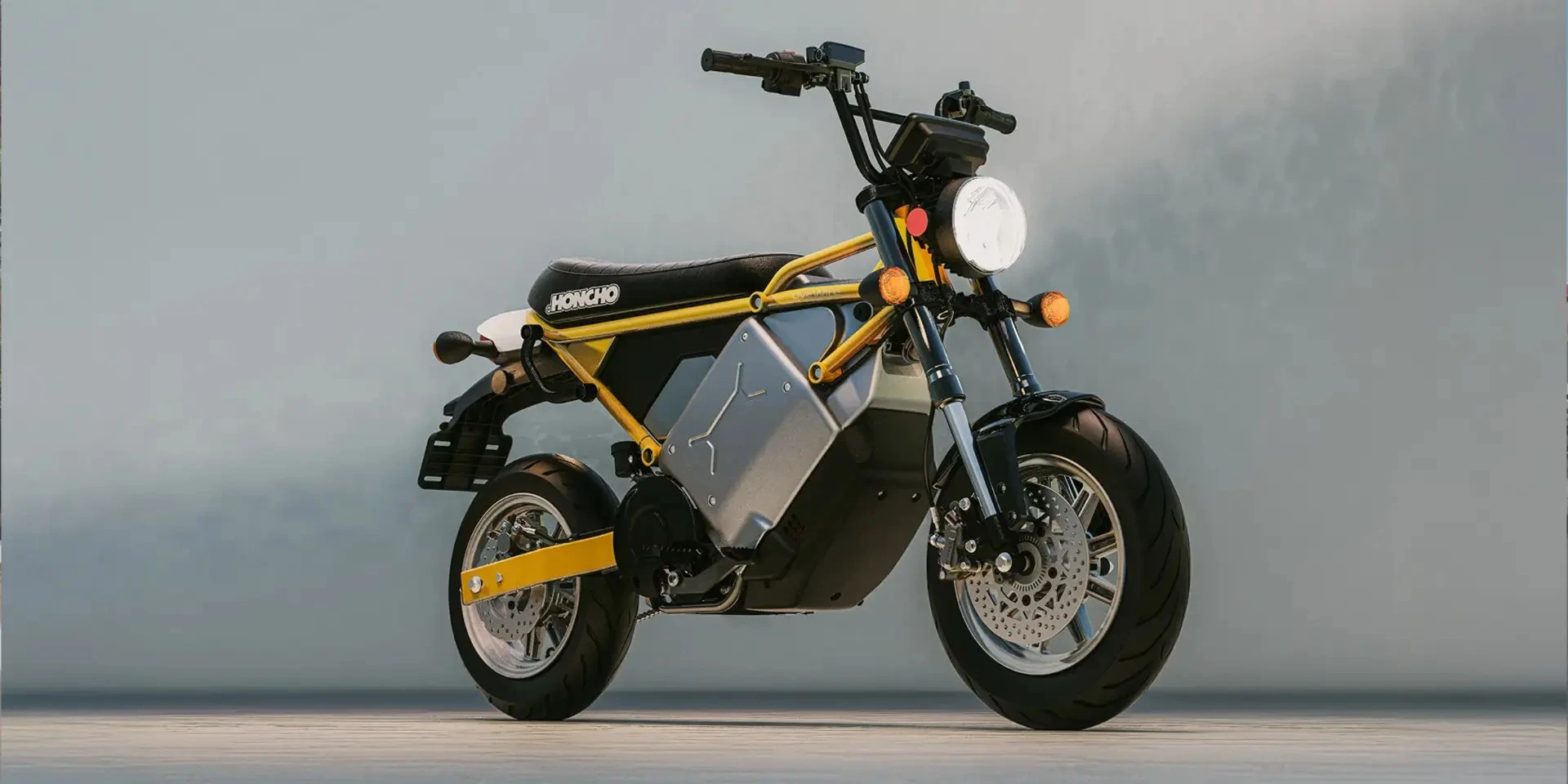
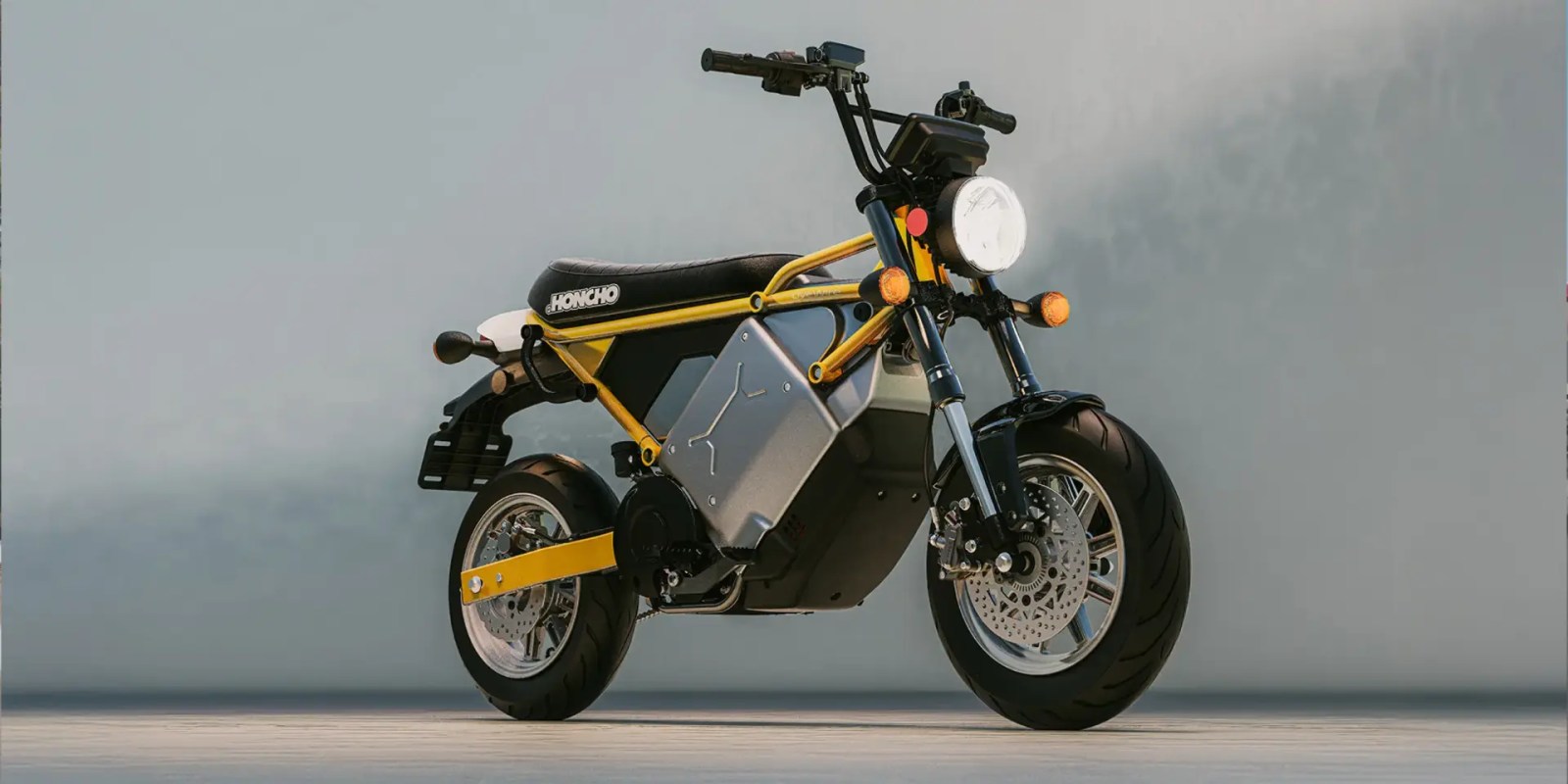
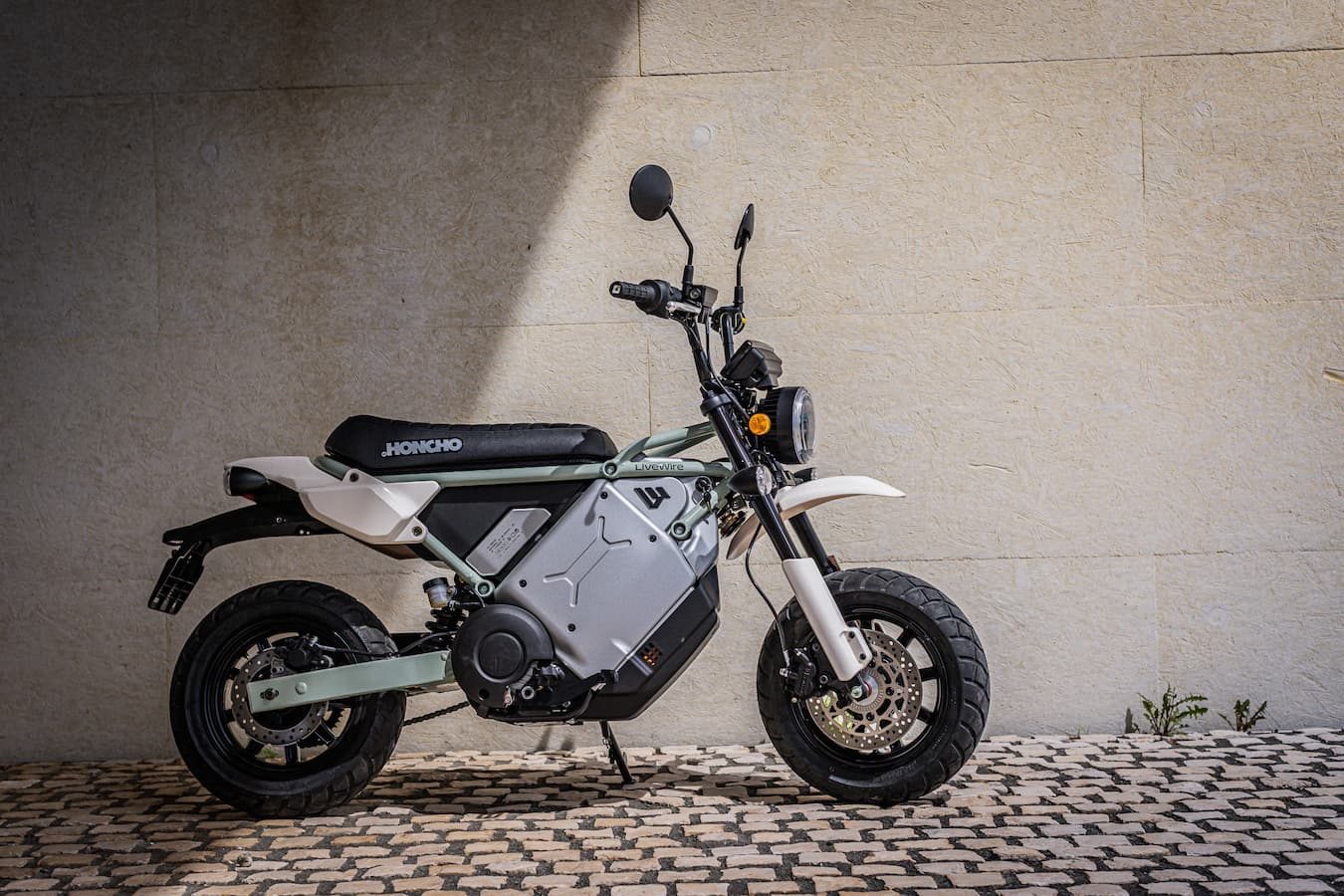
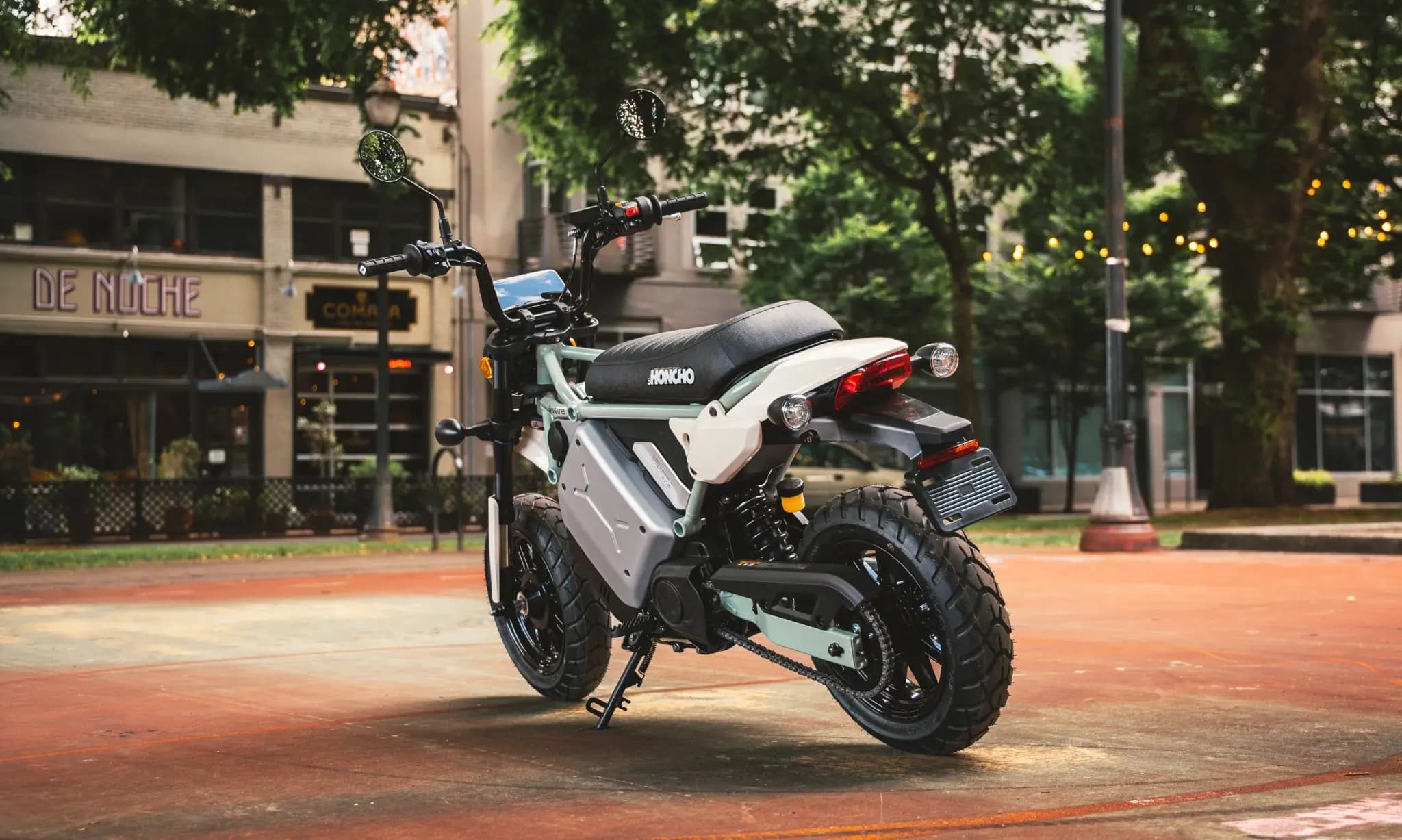
The landscape of motorcycle rider education is undergoing a quiet revolution. LiveWire, the electric motorcycle spin-off of Harley-Davidson, has announced that its smallest and most approachable electric motorcycle to date—the LiveWire S4 Honcho Street—has officially met the Motorcycle Safety Foundation’s (MSF) strict criteria for use in rider training programs.
This certification marks a significant turning point in the industry. For the first time, aspiring motorcyclists will have a streamlined, federally and organizationally recognized pathway to earn their motorcycle endorsements without ever needing to master a traditional mechanical clutch or foot-operated gearbox.
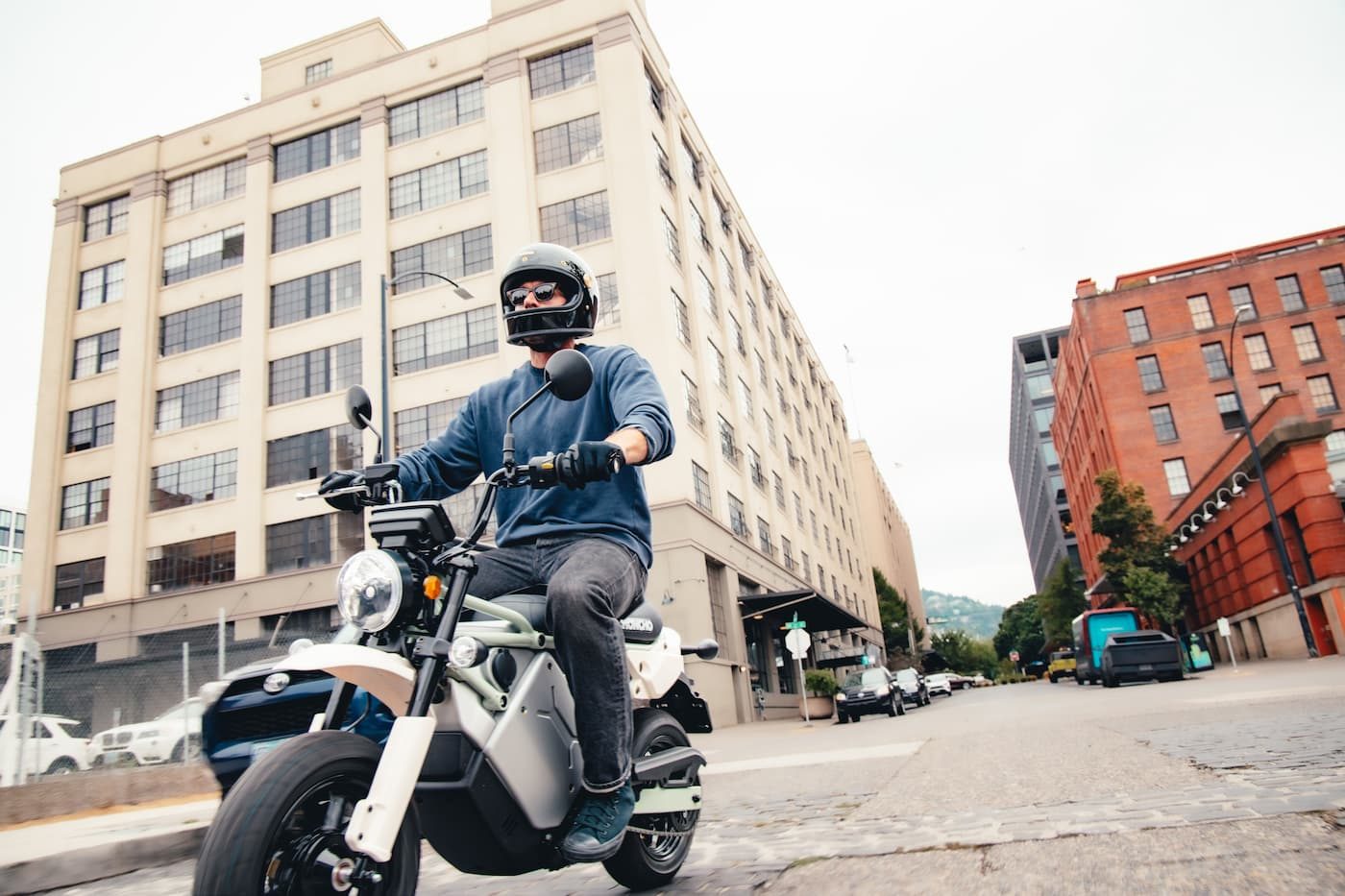
Positioned as a 125cc-equivalent mini-moto, the S4 Honcho bridges the gap between high-powered electric motorcycles and modern e-bikes. Weighing just 266 pounds (121 kg) with a seat height under 30 inches, the machine is designed to remove the intimidation factor often associated with traditional, heavy internal combustion engine (ICE) motorcycles. By leveraging an intuitive "twist-and-go" electric throttle, the Honcho strips away the steep learning curve traditionally required to master gas-powered training bikes.
The strategic integration into MSF training fleets is more than just a win for LiveWire’s commercial arm; it represents a fundamental shift in how new riders—particularly those transitioning from e-bikes and urban electric scooters—are introduced to the rules of the road.
Chronology: The Evolution Toward Electric Rider Training
To understand the significance of the S4 Honcho’s MSF certification, it is helpful to look at the timeline of how electric powertrains have slowly integrated into the conservative world of motorcycle training:
The Pre-Electric Era: For decades, beginner rider courses across North America relied almost exclusively on vintage or entry-level 125cc to 250cc gasoline motorcycles. Students spent a significant portion of their initial training hours stalled out while learning how to balance clutch friction zones and coordinate hand-and-foot shifting.
Mid-2025: A small breakthrough occurred when LiveWire’s larger S2 platform (including models like the S2 Del Mar and S2 Mulholland) began appearing in select rider training programs. While praised for their performance, these mid-sized bikes were still heavier and more powerful than ideal absolute-beginner platforms.
Late 2025 to Early 2026: LiveWire unveiled the S4 Honcho platform, designed from the ground up as an urban-focused, lightweight, and highly affordable alternative (starting at $4,999 for the base model and $5,499 for the street version).
Current Status (2026): The S4 Honcho officially meets MSF criteria. The Motorcycle Safety Foundation has confirmed that the bike will immediately join the demo fleet of the MSF RiderCoach Tour. This rollout allows professional instructors nationwide to evaluate the machine firsthand and integrate it into localized safety training courses.
Supporting Data and Technical Specifications
The S4 Honcho’s hardware is purposefully engineered to excel in the tight, low-speed confines of parking-lot safety courses, while retaining enough capability for real-world urban commuting.
Weight and Dimensions: Tipping the scales at a feather-light 266 lbs (121 kg) and boasting a sub-30-inch seat height, the bike accommodates riders of all statures, significantly minimizing drop anxiety during slow-speed cone drills.
Performance Profiles: While the S4 Honcho Street features a respectable top speed of 59 mph (95 km/h) for city traffic, it includes programmable, reduced-speed riding modes. These profiles mimic the low-speed dynamics of traditional training environments:
Mode 1: Limits the bike to 18 mph (29 km/h), simulating a first-gear parking lot crawl.
Mode 2: Limits the bike to 28 mph (45 km/h), simulating second-gear drills.
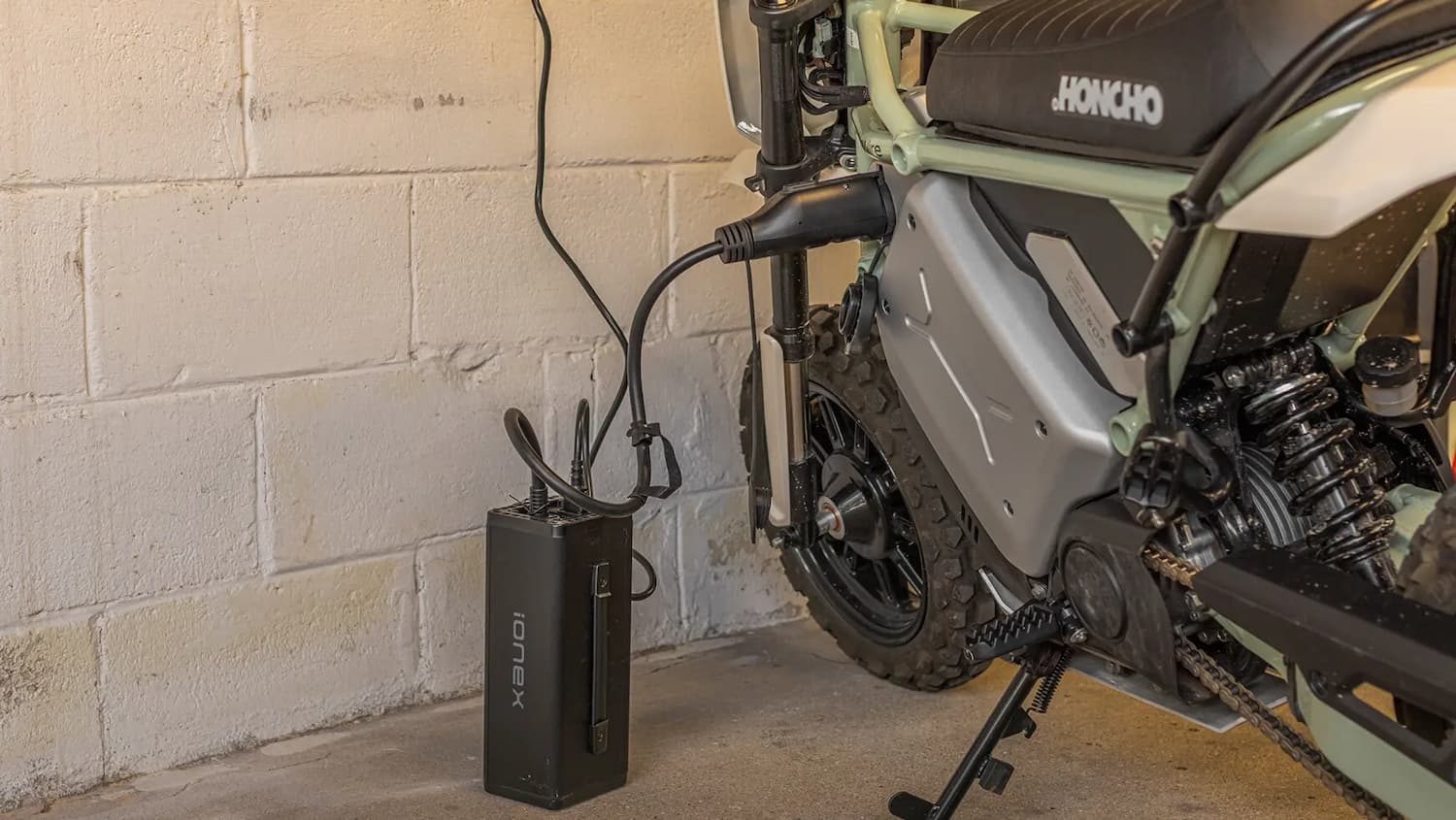
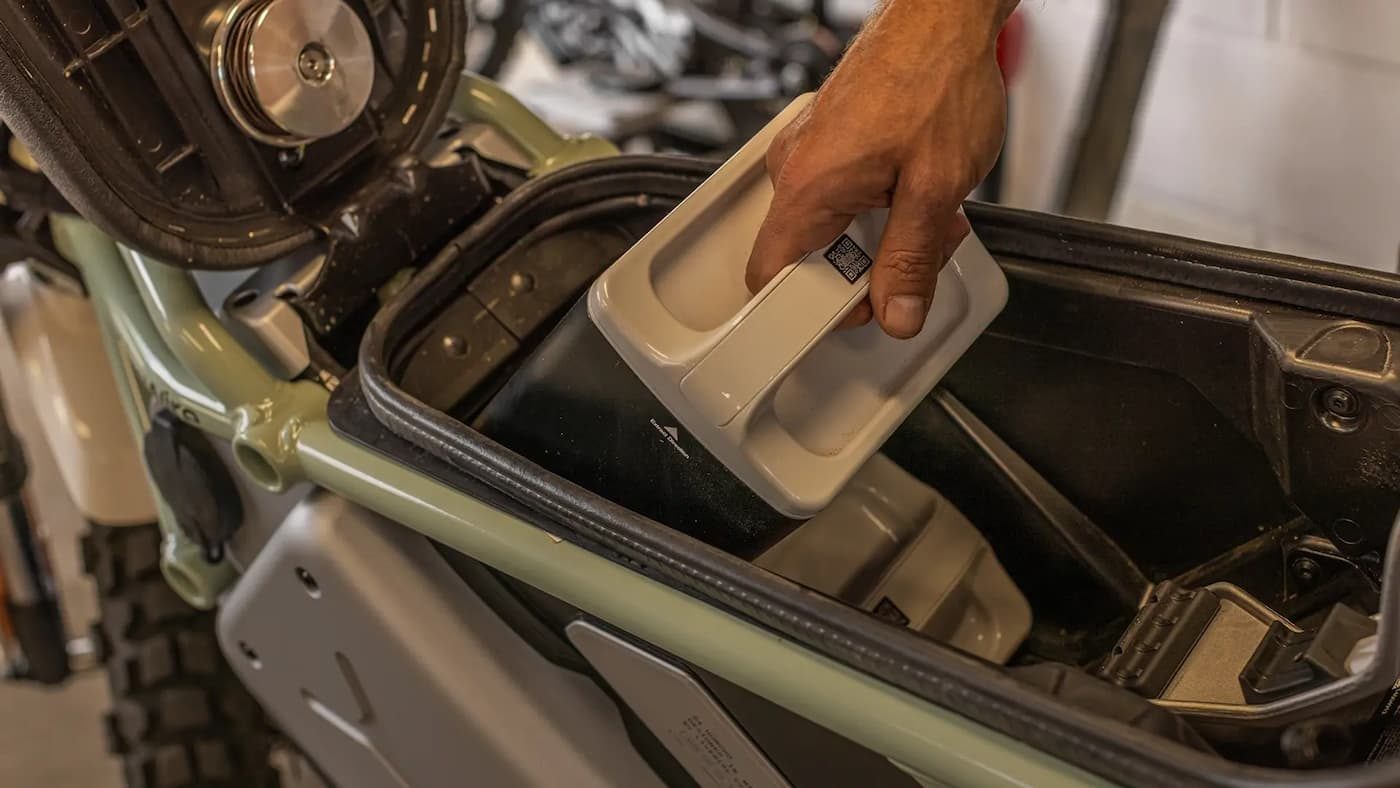
Battery and Range: The motorcycle offers an official WMTC-rated range of 53 miles (85 km), which stretches up to an impressive 73 miles (117 km) when maintained at a steady 20 mph (32 km/h). More importantly for training schools, the Honcho features a swappable battery system (utilizing Ionex architecture). This allows academies to swap depleted packs for fully charged ones instantly, bypassing hours of downtime waiting for traditional recharges.
Official Responses and Industry Perspective
Industry leaders from both LiveWire and the Motorcycle Safety Foundation have lauded the partnership, framing it as an essential evolution to keep motorcycling relevant to younger generations.
Jon Bekefy, LiveWire’s Head of Commercial, emphasized the shifting demographics of modern transportation:
"The next generation of riders is coming up on e-bikes and electric vehicles, so their expectations for mobility are changing. For many, an electric motorcycle is a more natural first step into motorcycling. The S4 Honcho removes traditional barriers to entry and, paired with MSF’s world-class training programs, gives new riders a more approachable way to learn safely and build confidence. That matters for LiveWire, and it matters for the future of motorcycling."
The enthusiasm is mirrored by educational authorities. Corey Eastman, Director of Rider Education Expansion at the Motorcycle Safety Foundation, highlighted the practical steps being taken to introduce the bike to instructors:
"The Honcho will join the training demo fleet at the MSF RiderCoach Tour, giving coaches a chance to use the electric motorcycle during several MSF exercises and allowing training providers to evaluate it for their own programs."
While a nationwide blanket rollout across every independent training site is still unfolding, the inclusion of the Honcho in the national demo tour guarantees widespread exposure among professional rider coaches.
Implications: Dismantling the "Chicken-and-Egg" Licensing Barrier
The arrival of a clutch-free, MSF-approved electric training motorcycle addresses a long-standing paradox in the two-wheeled vehicle market.
Resolving the Friction of Entry
For years, a frustrating "chicken-and-egg" dilemma has plagued prospective electric vehicle converts. Millions of consumers have grown comfortable riding Class 2 electric bicycles and high-powered e-bikes. When these riders decide they want to transition to faster, street-legal two-wheeled transport, they naturally gravitate toward electric motorcycles.
However, obtaining a legal motorcycle endorsement in many jurisdictions requires completing a certified safety course. Historically, those courses forced students to learn complex manual transmissions—clutch feathering, downshifting, and engine braking management—skills entirely extraneous to someone who only ever intends to twist a throttle on an EV.
Forcing an EV-native rider to master a mechanical gearbox is akin to requiring someone who wants to drive an automatic Tesla to first prove they can crank-start a 1920s Ford Model T. While understanding a manual transmission is a useful legacy skill for renting or borrowing traditional motorcycles, it should not act as a bureaucratic or educational gatekeeper for zero-emission mobility.
Refocusing on Core Safety Skills
By eliminating the distraction of clutch and gear management, instructors and students can refocus their energy where it actually matters:
Emergency braking dynamics
Advanced cornering and counter-steering lines
Low-speed balance and friction-zone equivalents (via progressive throttle mapping)
Situational awareness and defensive riding strategies around inattentive motorists
Expanding the Market
At an accessible price point starting at $4,999, the S4 Honcho is not merely a disposable training prop. It is a highly viable, affordable commuter vehicle that graduates can purchase immediately after earning their licenses.
By easing the learning curve, LiveWire and the MSF are opening the floodgates for a demographic of riders who might otherwise have bypassed traditional motorcycling entirely. As urban areas grow more congested and sustainable transit options take center stage, the S4 Honcho’s integration into formal training programs could well be remembered as the spark that electrified the next generation of riders.