

The relentless digital expansion of the modern economy continues to drive an unprecedented boom in data center construction. Spurred by exponential growth in cloud computing, enterprise digitization, and artificial intelligence, capital spending on these massive digital infrastructure projects has reached historic heights. However, this high-speed momentum is increasingly colliding with a formidable physical reality: finite local resources.
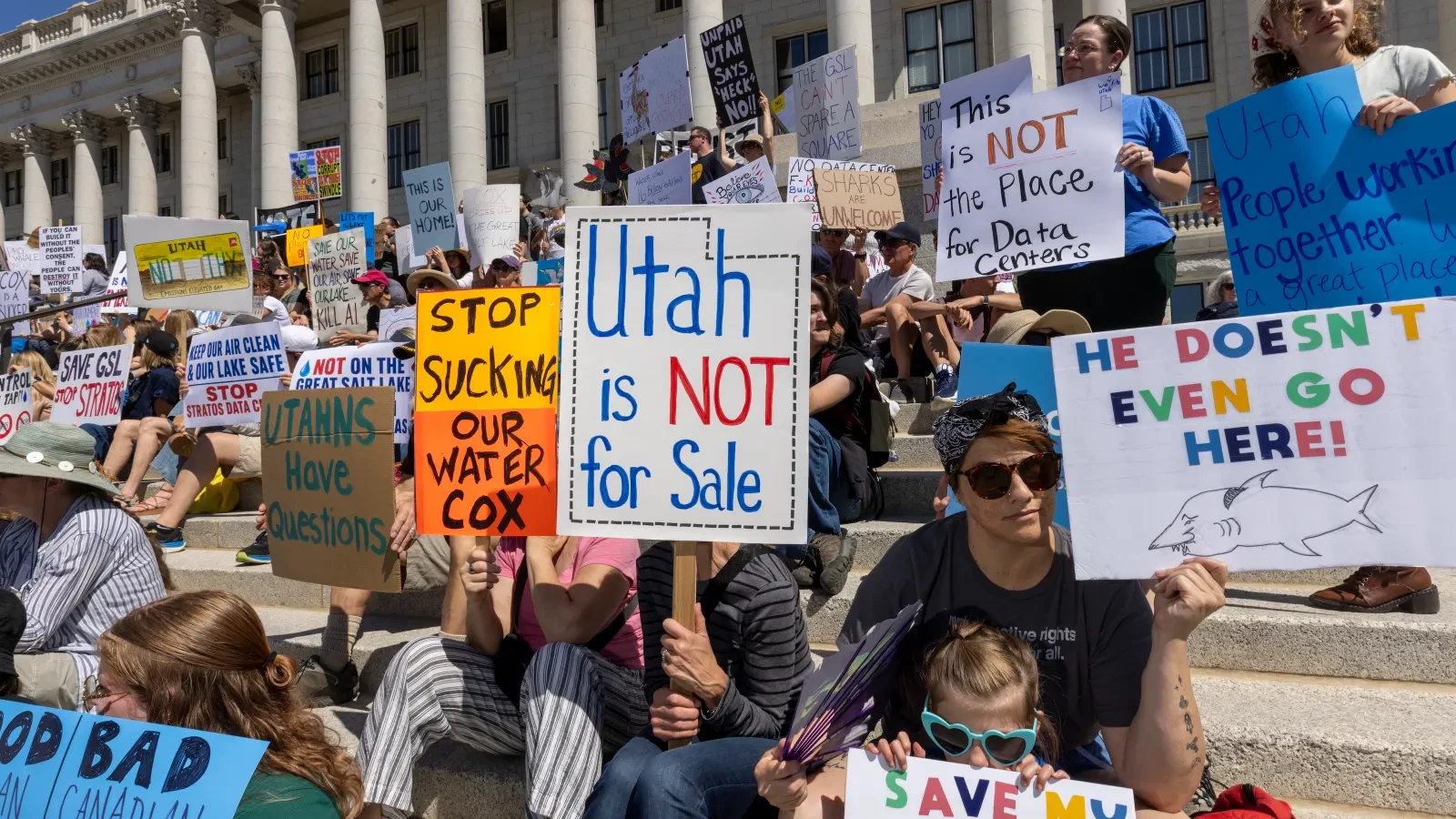
Across the United States, contractors, developers, and investors are encountering a complex web of new regulatory hurdles and vocal community opposition. Concerns centered heavily on massive electricity demands, water scarcity, and intensive land use have catalyzed state-level interventions and grassroots pushback. Yet, despite these mounting obstacles, major general contractors remain undeterred, shifting their tactical approaches to navigate the planning, entitlement, and preconstruction phases without letting active build schedules falter.
Main Facts: The Clash Between Digital Demand and Physical Realities
At its core, the current friction in the data center market is defined by a paradox: while the demand for digital infrastructure is skyrocketing at an unprecedented pace, the physical infrastructure required to support it—specifically electrical grids and municipal water supplies—is struggling to keep up.
Data centers are notorious for their voracious appetites for energy and cooling. Modern facilities can consume as much electricity as a small city, raising immediate red flags for local residents and public officials worried about grid stability and rising utility bills. Simultaneously, traditional evaporative cooling systems require millions of gallons of water daily, sparking fierce resistance in drought-prone regions or areas with delicate watersheds.
This tension has transformed the data center landscape from a straightforward real estate play into a highly scrutinized battleground of public policy and environmental planning. State executives, regulatory commissions, and local municipalities are stepping in to pump the brakes, demanding stricter environmental reviews, mandatory infrastructure cost-sharing, and a greater voice for local communities in the development process.
Nevertheless, industry leaders emphasize that these hurdles are reshaping the process of development rather than halting the sector’s overall momentum. Contractors are not sounding alarm bells; instead, they are adapting by moving critical problem-solving further upstream into the preconstruction phase.
Chronology: A Wave of Regulatory Interventions in 2024
The mounting pressure on data center developments has crystallized through a series of significant executive actions and regulatory shifts enacted by state leaders over recent months:
- August: Pennsylvania Gov. Josh Shapiro signed a landmark executive order focused on energy affordability and environmental protection. Beyond addressing broader energy market dynamics, the order specifically empowered local communities by granting them a much more prominent role in the data center development and review process.
- Late September: Texas Gov. Greg Abbott directed the Texas Commission on Environmental Quality (TCEQ) to immediately halt the processing and issuance of all permits sought by data centers. This freeze remains in effect pending a comprehensive grid reliability audit by the Electric Reliability Council of Texas (ERCOT). Furthermore, new state directives mandate that incoming data centers must fully cover the costs of their required electrical infrastructure and refrain from depleting water resources designated for local communities.
- September: Virginia Gov. Abigail Spanberger signed an executive order targeting large-scale tech infrastructure. The order explicitly bars data center projects with an anticipated peak demand of 25 megawatts or more from receiving state assistance through expedited permitting and site development programs. Additionally, the mandate directs state agencies over the coming months to intensely scrutinize and regulate noise pollution, carbon emissions, water consumption, and electricity grid impacts.
These executive decisions mark a definitive shift away from the frictionless, fast-track approvals that historically characterized the data center boom, forcing developers to navigate a much lengthier and more rigorous entitlement gauntlet.
Supporting Data: The Shifting Landscape of Preconstruction and Site Selection
The impact of this heightened scrutiny is most acutely felt long before a single excavator arrives at a greenfield site. According to industry insiders, developers are fundamentally altering how they evaluate and select potential markets.
Chris Teddy, national director of mission critical at JE Dunn Construction, highlights that clients are becoming strategically selective about where they choose to invest. Beyond the baseline requirement of accessing robust power corridors, developers are now heavily weighting the political climate and the historical receptiveness of local jurisdictions. If a community demonstrates deep skepticism or regulatory hostility, clients are increasingly willing to bypass that market entirely and pivot toward regions with more supportive political frameworks.
This proactive site selection is mirrored by a dramatic extension of timelines during the planning phase. While projects are ultimately moving forward, the duration of the preconstruction cycle has expanded. General contractors, who historically thrive on schedule predictability, find themselves grappling with evolving permitting criteria and prolonged public hearings.
To mitigate these delays, firms like Minneapolis-based Mortenson are dedicating significantly more resources to the front end of projects. Greg Werner, senior vice president at Mortenson, notes that his teams are spending unprecedented amounts of time engaging with local stakeholders before issues harden into project-halting constraints. By embedding community outreach directly into the preconstruction workflow, builders aim to safeguard both project budgets and client decision-making timelines.
Official Responses: Industry Leaders Speak Out
Despite the regulatory headwinds and localized pushback, executive leadership across top-tier general contracting firms projects a steady, confident outlook.
Kim Roy, CEO of Falls Church, Virginia-based HITT Contracting—a firm with over 25 years of experience building data centers—asserts that active construction schedules remain largely unaffected by the political noise.
"I don’t see it," Roy stated when asked whether community opposition or state restrictions are impacting HITT’s build schedules. "I mean, at that point, it’s just listening and addressing the concern. It really doesn’t affect our build schedule."
Addressing Virginia’s recent executive order, Roy noted that while her team is monitoring the policy closely, it represents an early-stage administrative shift that has not disrupted projects currently under construction.
"Our team is watching it closely, but it doesn’t have any real effect on anything currently under construction," Roy explained. "As a company, we’re always going to comply with laws and regulations. But again, I think that there is a path to smart construction that the political and development teams can work together on."
JE Dunn’s Chris Teddy shares a similar sentiment regarding the balance between regulatory friction and ongoing demand.
"We are seeing increased scrutiny in some markets, particularly around power availability, water usage, land use and the overall community impact of large-scale data center developments," Teddy noted. "That doesn’t necessarily stop projects from moving forward, but it can extend timelines and add complexity during the planning and entitlement phases."
Industry leaders universally agree that the key to navigating this era is active listening, radical transparency, and a fundamental evolution in how the industry pitches its value proposition to local populations.
Implications: Redesigning Technology, Infrastructure, and Community Engagement
To overcome persistent public skepticism and stringent environmental regulations, the data center construction sector is undergoing a rapid evolution in engineering, economic engagement, and public relations.
1. Technological Innovations in Cooling and Efficiency
Much of the public resistance to data centers stems from outdated assumptions regarding water and energy consumption. Industry executives are pushing hard to correct these misconceptions by highlighting cutting-edge technological advancements.
Facility-level chillers that consume vast quantities of water are increasingly being replaced by closed-loop systems capable of cooling IT equipment at the rack level. These newer designs use substantially less water, addressing one of the primary ecological arguments raised by local residents.
2. Redefining the Community Value Proposition
Contractors and developers recognize that simply promising jobs is no longer enough to win over skeptical municipal boards. A modern community pitch must be holistic and transparent.
Greg Werner of Mortenson emphasizes that robust community commitments must clearly outline tangible local benefits. These include:
- Targeted workforce training programs that foster sustained demand for local skilled trades.
- Prioritized supply chains that support local businesses and vendors.
- Significant tax revenues earmarked explicitly for public goods, such as funding public education, bolstering emergency services, and repairing local roads and municipal infrastructure.
Furthermore, power planning must evolve. Developers can no longer simply tap into existing local grids and cross their fingers. Instead, proposals must explicitly demonstrate how customers are bringing new power generation online and funding necessary grid upgrades to ensure community electricity rates remain stable.
3. Mitigating On-Site Construction Disruption
Beyond the operational footprint of a finished data center, builders are paying closer attention to the immediate, short-term impacts of active construction sites. Heavy truck traffic, temporary road closures, noise pollution, and dust can quickly turn a neighborhood against a project.
By practicing active listening—identifying local pain points early and implementing immediate mitigation strategies—general contractors can build goodwill from day one.
Conclusion
The data center construction boom is far from over, but the rules of engagement have fundamentally changed. As states enact stricter executive orders and communities demand greater accountability, the industry is maturing. By embracing advanced cooling technologies, proactively engaging stakeholders during the preconstruction phase, and tying infrastructure investments directly to local community benefits, contractors are proving that massive digital expansion and community well-being can successfully coexist.
