

When stubborn, rusted-on fasteners and heavily torqued lug nuts refuse to budge, traditional handheld ratchets often fail, requiring hours of physical exertion, penetrating oil, and sheer frustration. Enter the cordless impact wrench—a high-powered, battery-driven alternative that delivers rotational force and rapid concussive impacts to make short work of the most demanding automotive and industrial teardowns.
To determine which power tools truly reign supreme on the jobsite and in the home garage, industry experts put 15 market-leading cordless impact wrenches through rigorous real-world evaluations. From swapping tires on heavy-duty 4×4 trucks to sinking massive 6-inch lag bolts into wet lumber, this comprehensive assessment examines how modern engineering has eliminated the tether of air hoses and compressors without sacrificing raw muscle.
Main Facts: Power, Performance, and the Top Contenders
Cordless power tool technology has advanced exponentially over the last decade, bridging the gap between traditional pneumatic (air-powered) systems and portable electric units. The modern impact wrench relies on internal impact mechanisms—often referred to as "hammers"—to deliver thousands of impacts per minute (IPM) alongside high revolutions per minute (RPM).
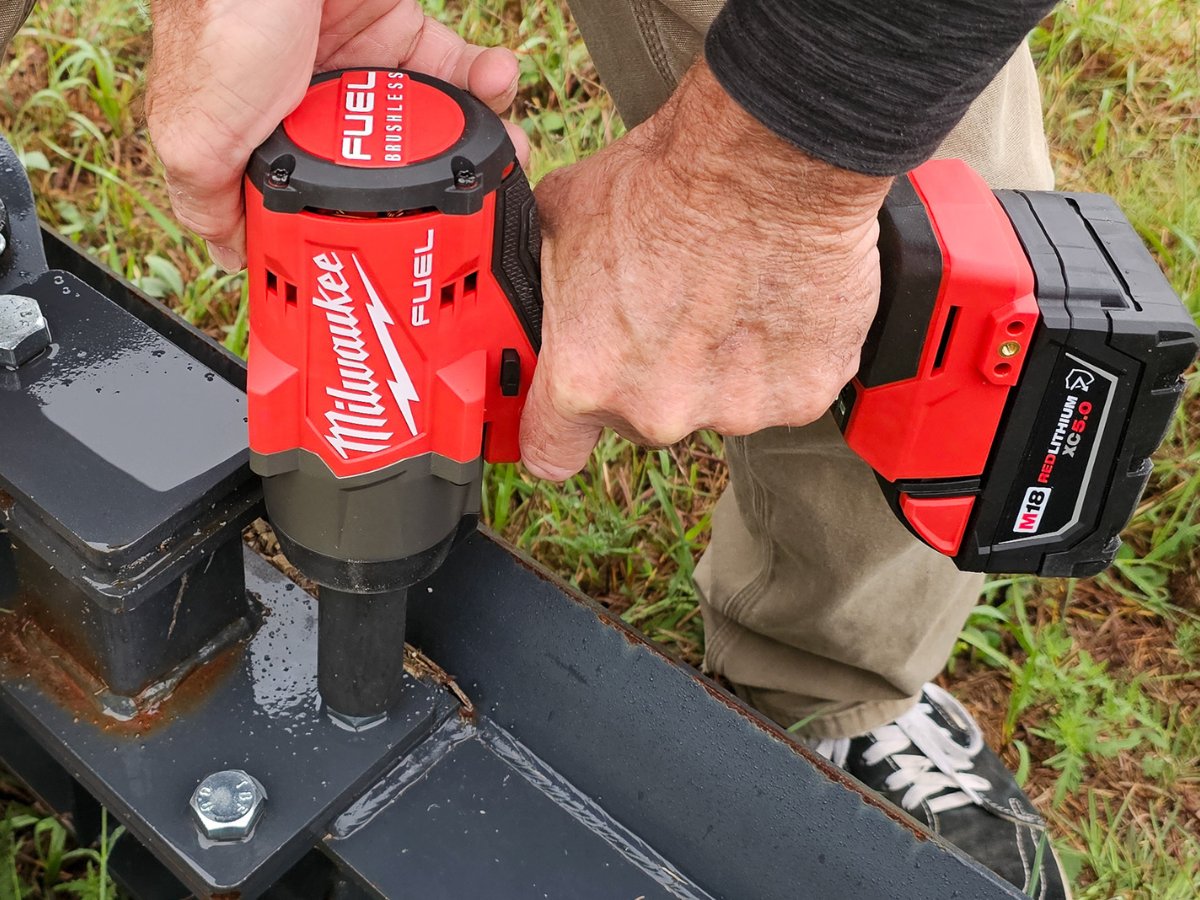
Following exhaustive multi-stage testing across automotive repair facilities and workshops, the Milwaukee M18 Fuel ½-Inch High-Torque Impact Wrench emerged as the top overall recommendation. Boasting a brushless motor capable of producing 1,100 foot-pounds of fastening torque and a staggering 1,500 foot-pounds of nut-busting breakaway torque, it leads the industry in pure muscle while maintaining a relatively compact 7.6-inch footprint.
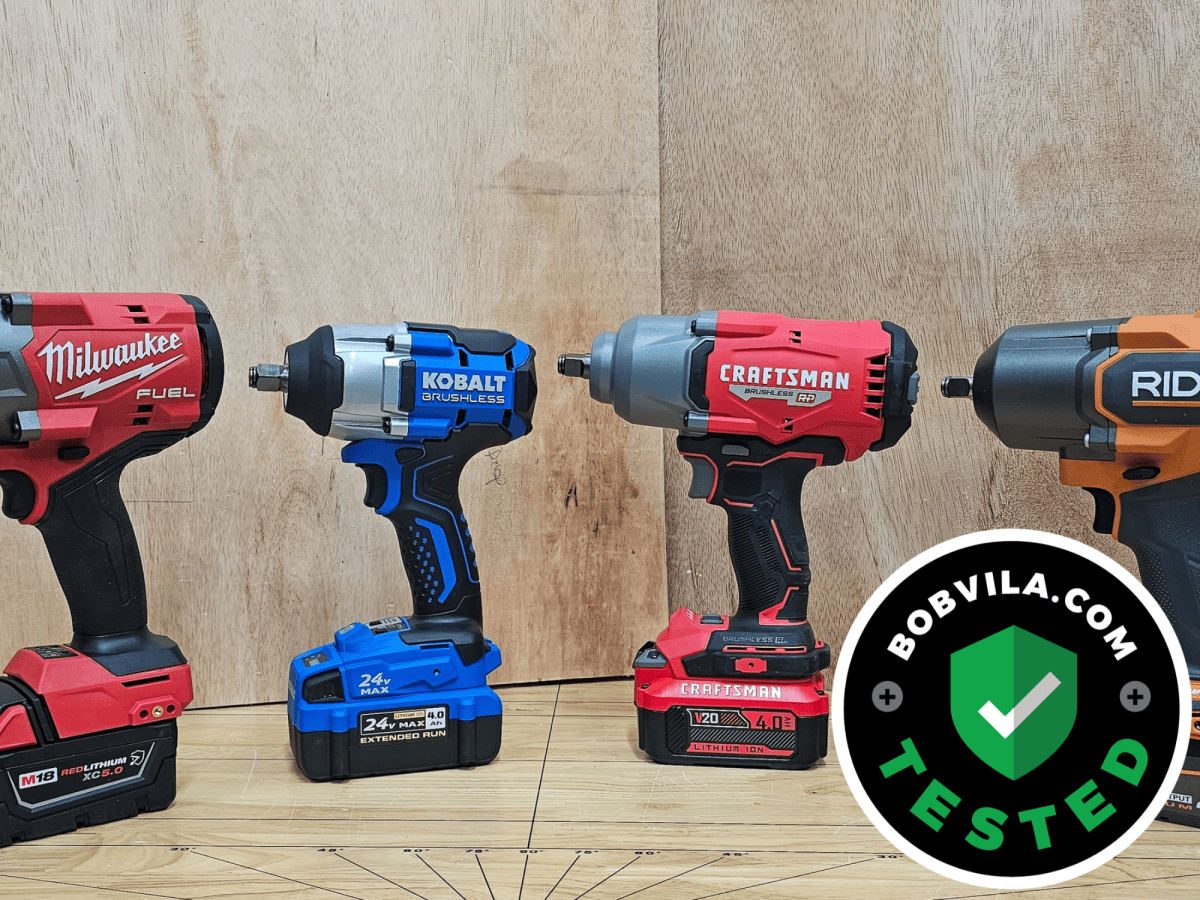
However, the market is rich with competitive options tailored to specific user needs, budgets, and applications. Here is how the top models compare across core performance metrics:
| Product | Fastening Torque | Nut-Busting Torque | Weight (Without/With Battery) | Max RPM | Expert Rating |
|---|---|---|---|---|---|
| Milwaukee M18 Fuel ½-Inch High-Torque | 1,100 ft-lbs | 1,500 ft-lbs | 5.9 lbs (bare) | 2,000 RPM | 4.8 / 5 |
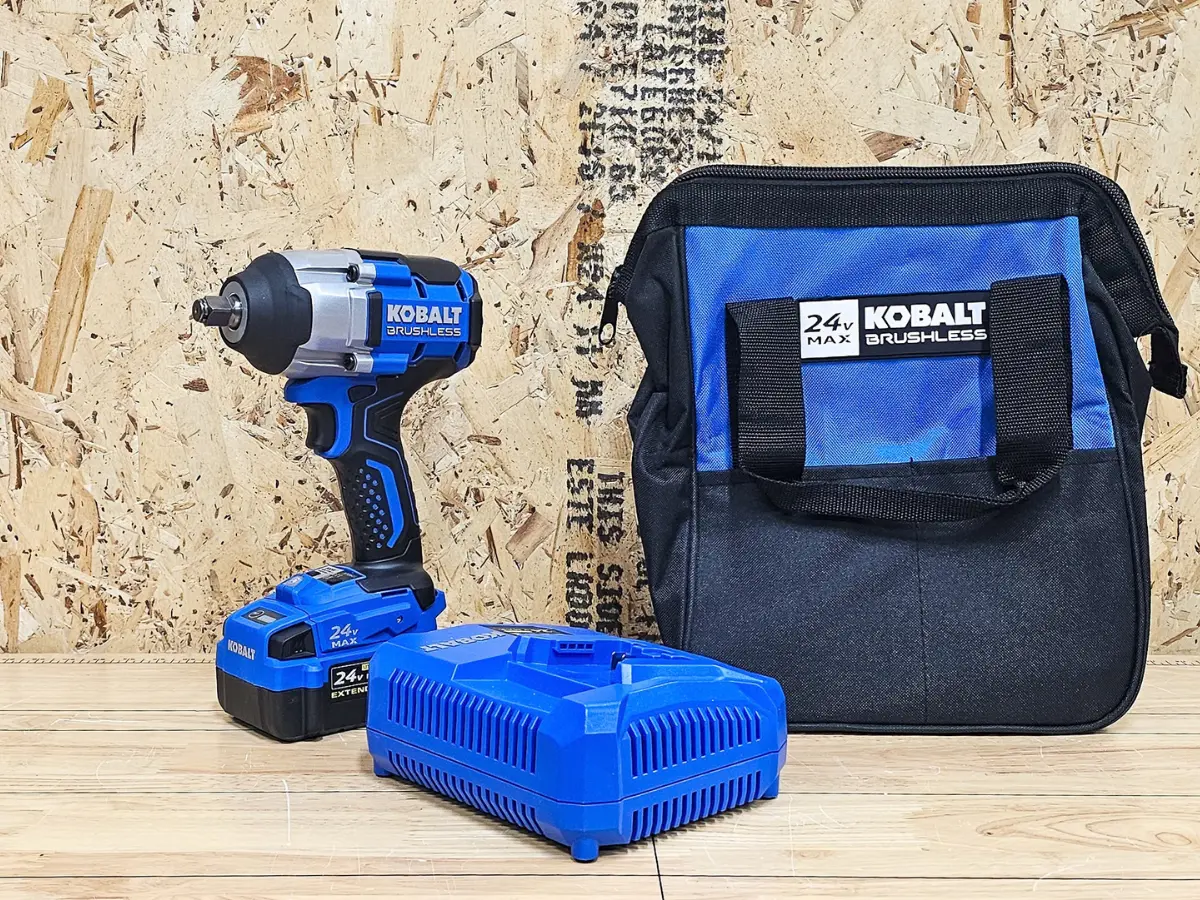
| Kobalt Next-Gen 24V ½-Inch Cordless | 500 ft-lbs | 650 ft-lbs | 6.1 lbs (with battery) | 2,200 RPM | 4.4 / 5 |
| Makita 18V LXT 4-Speed Kit | 430 ft-lbs | 240 ft-lbs | 4.0 lbs (with battery) | 3,200 RPM | 4.8 / 5 |
| Craftsman V20 Brushless RP ½-Inch | 700 ft-lbs | 1,000 ft-lbs | 5.9 lbs (bare) | 2,000 RPM | 4.3 / 5 |
| DeWalt Atomic 20V MAX Cordless | 300 ft-lbs | 450 ft-lbs | 2.47 lbs (bare) | 2,500 RPM | 4.4 / 5 |
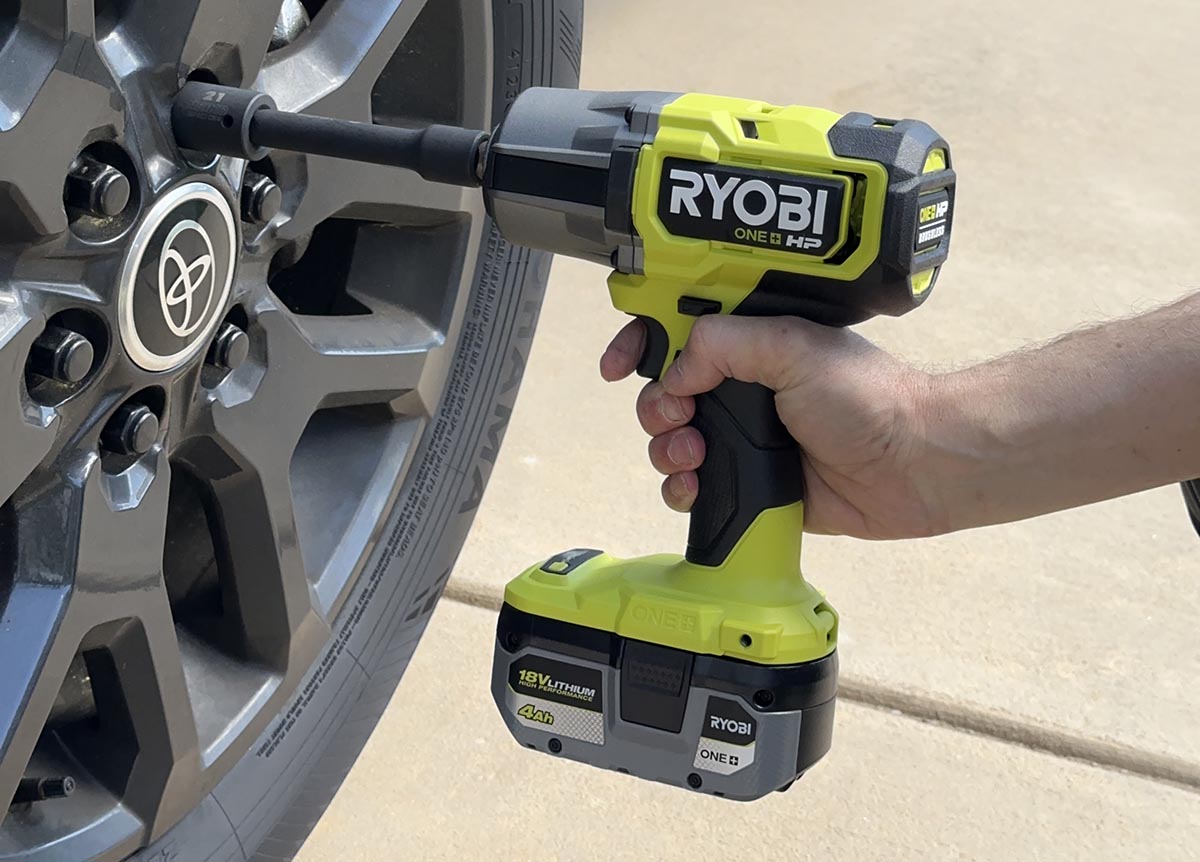
| Ryobi ONE+ 18V High-Torque Kit | 700 ft-lbs | 1,170 ft-lbs | 5.1 lbs (bare) | 2,100 RPM | 4.6 / 5 |
| Ridgid 18V 4-Mode High-Torque Kit | 900 ft-lbs | 1,300 ft-lbs | 5.72 lbs (bare) | 1,800 RPM | 4.7 / 5 |
Chronology of Testing: How the Evaluation Unfolded
The testing protocol was designed to mirror the harshest environments encountered by professional mechanics, contractors, and advanced DIYers.
Phase 1: Real-World Automotive Tear-Downs
The evaluation began in the automotive bay. Testers utilized larger models to remove and install stubborn, corroded lug nuts on vintage four-wheel-drive vehicles and commercial-grade trucks. Simultaneously, compact and mid-torque models were taken under the hood to navigate tight engine bays, dealing with exhaust manifold bolts and suspension components where space was at a premium.
Phase 2: Stress-Testing Breakaway Limits
Next, tools were pitted against controlled high-torque applications. Fasteners were deliberately torqued past standard manufacturer specifications to observe which devices could successfully break them loose, how quickly they achieved release, and how the onboard digital management systems handled stall conditions.
Phase 3: Heavy Construction and Carpentry
To evaluate versatility beyond automotive applications, testers drove massive 6-inch lag bolts into saturated, dense 4×4 timber. This test measured continuous power delivery, thermal management under load, and battery efficiency during extended heavy-duty duty cycles.
Supporting Data: Key Selection Criteria
When investing in a battery-powered impact wrench, understanding technical specifications is critical to making an informed purchase.
1. Motor Architecture: Brushed vs. Brushless
Older power tools rely on carbon brushes to transfer electrical current, generating friction, heat, and energy loss. Modern high-end impact wrenches utilize brushless motors, which feature computerized electronic controllers instead of physical contacts. Brushless motors deliver superior power-to-weight ratios, longer runtimes per charge, extended tool lifespans, and reduced maintenance requirements. While brushless models carry a higher initial price tag, their long-term durability generally justifies the investment.
2. Torque, RPM, and IPM Dynamics
- Torque: Measured in foot-pounds (ft-lbs), torque represents the twisting force of the tool. Buyers must distinguish between fastening torque (the power to tighten a bolt) and nut-busting torque (the breakaway force applied to loosen a stuck fastener).
- RPM (Revolutions Per Minute): Indicates how fast the socket spins under no load, dictating how quickly fasteners can be run down or backed out.
- IPM (Impacts Per Minute): Measures the frequency of internal hammer strikes delivered against the anvil. Higher IPM ratings correlate directly with the tool’s ability to crack rusted or seized hardware loose.
3. Voltage and Battery Capacity (Amp-Hours)
Battery voltage directly influences the raw power output of the motor. While 12V systems serve lightweight, tight-space applications, 18V and 24V platforms are the gold standard for heavy-duty construction and automotive work. Battery capacity, measured in Amp-hours (Ah), dictates runtime; a 5.0Ah battery will operate twice as long under the same load as a 2.5Ah battery.
4. Drive Size Variations
Impact wrenches are categorized by the size of their square drive (anvil):
- ¼-inch and ⅜-inch: Ideal for light-duty mechanical work and smaller fasteners.
- ½-inch: The industry sweet spot, offering an optimal balance of compact size and high torque for automotive tires and heavy carpentry.
- ¾-inch and 1-inch: Heavy-industrial tools designed for commercial semi-trucks, heavy equipment, and structural steel assembly.
Official Responses and Expert Insights
Industry testers noted that modern technological innovations—particularly smart-drive controls and auto-shutoff modes—have fundamentally transformed how operators interact with high-power tools.
Glenda Taylor, a veteran product tester and contractor, highlighted the performance of top-tier models: "The Milwaukee impact wrench really performed in our tests, which included loosening stubborn fasteners. It’s a tad on the heavy side, but it makes up for that with sheer torque power."
Meanwhile, reviewer Tony Carrick emphasized the democratization of high-end features in consumer-grade options: "This high-torque impact wrench packed nearly as much punch as premium brands but at a fraction of the price, making it a great deal for weekend warriors," he noted regarding the Ryobi ONE+ platform.
Manufacturers have increasingly integrated safety features such as Precision Wrench Control and Reverse Rotation Auto-Stop, which cut motor power the moment a fastener breaks free, preventing nuts from vibrating loose and flying off wheel studs into dark shop corners.
Implications for Professionals and DIYers
The transition from pneumatic systems to high-voltage cordless impact wrenches carries significant implications for operational efficiency and workplace safety.
For professional mobile mechanics and service technicians, eliminating cumbersome air hoses and noisy gas compressors drastically reduces setup time and physical workspace clutter. Roadside service calls are streamlined, as technicians can pull a 1,500-foot-pound high-torque wrench out of a molded kit case and instantly break loose commercial truck lug nuts that previously required cheater bars or heavy pneumatic setups.
For weekend DIYers and homeowners, the rising performance-to-price ratio of mid-tier brands like Ryobi, Kobalt, and Craftsman means professional-grade capabilities are no longer locked behind commercial price barriers. However, users must exercise caution: the immense power generated by modern impact wrenches introduces a genuine risk of sheared bolts and stripped threads if digital torque-limiting modes are ignored.
Ultimately, whether choosing the compact maneuverability of the DeWalt Atomic for tight engine compartments or the unyielding muscle of the Milwaukee M18 Fuel or Ridgid High-Torque kits for heavy machinery, the modern cordless impact wrench has cemented its status as an indispensable cornerstone of the contemporary toolkit.
