

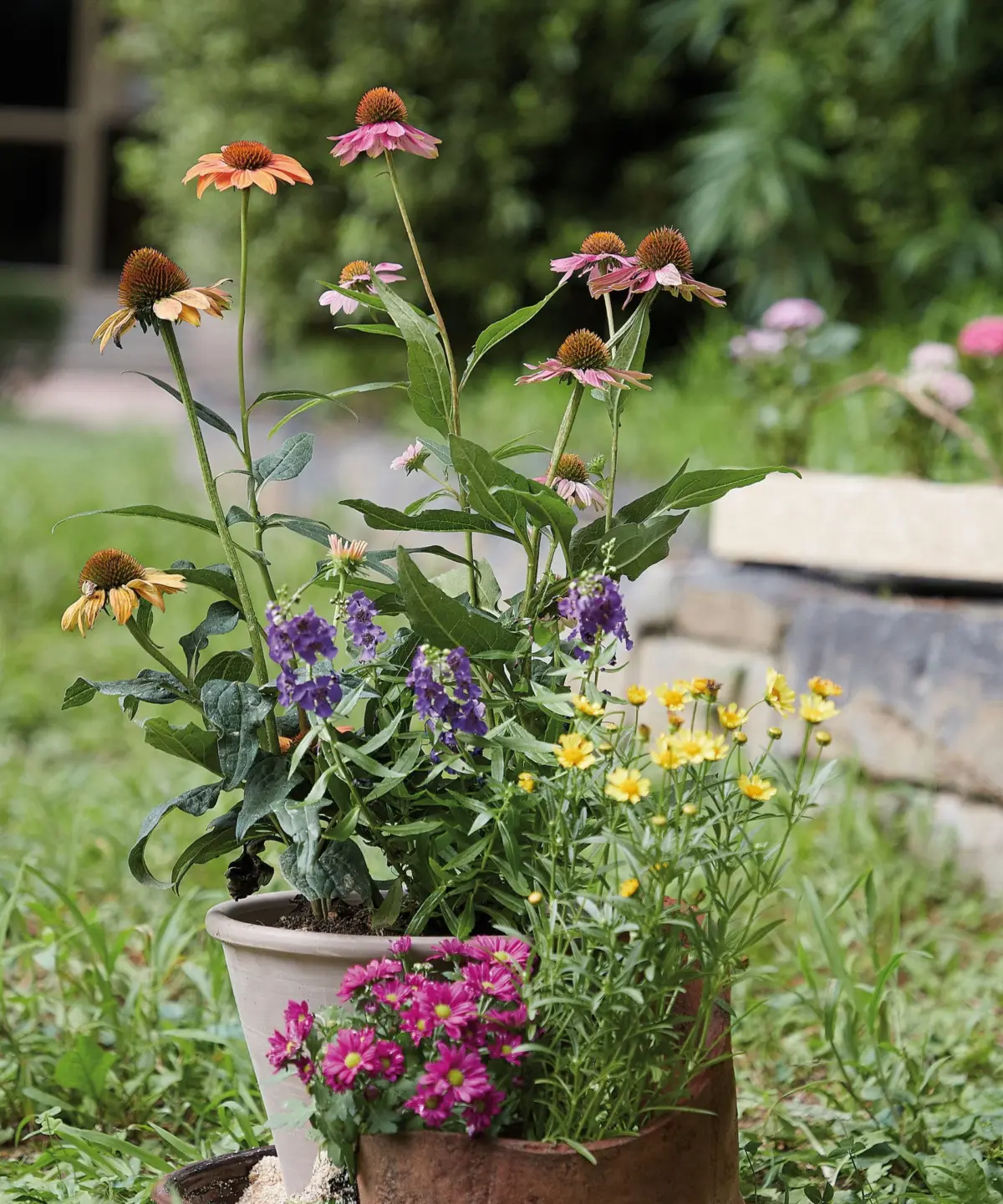
As October brings a distinct crispness to the air, gardens undergo a dramatic transformation. The vibrant, sun-drenched perennials of midsummer inevitably fade, signaling a collective shift toward plant dormancy. Among the many hardy favorites gracing North American and European landscapes, coneflowers (Echinacea) stand out for their resilience. Spanning hardiness zones 3 through 9, these low-maintenance staples require minimal intervention to survive the colder months and make a triumphant return in the spring.
However, "minimal" does not mean "zero." October is a critical window for gardeners to perform specific seasonal maintenance tasks that ensure the long-term health, vigor, and structural beauty of their coneflower beds. From supporting local wildlife to preventing devastating fungal diseases, here is an in-depth, professional guide to mastering coneflower care this October.
Main Facts: What Coneflowers Need in October
While many summer perennials demand heavy pruning and meticulous clean-up before the first frost, Echinacea operates under a different set of rules. The primary philosophy for October coneflower care balances proactive disease management with strategic neglect—specifically, leaving key parts of the plant intact to support local ecosystems.
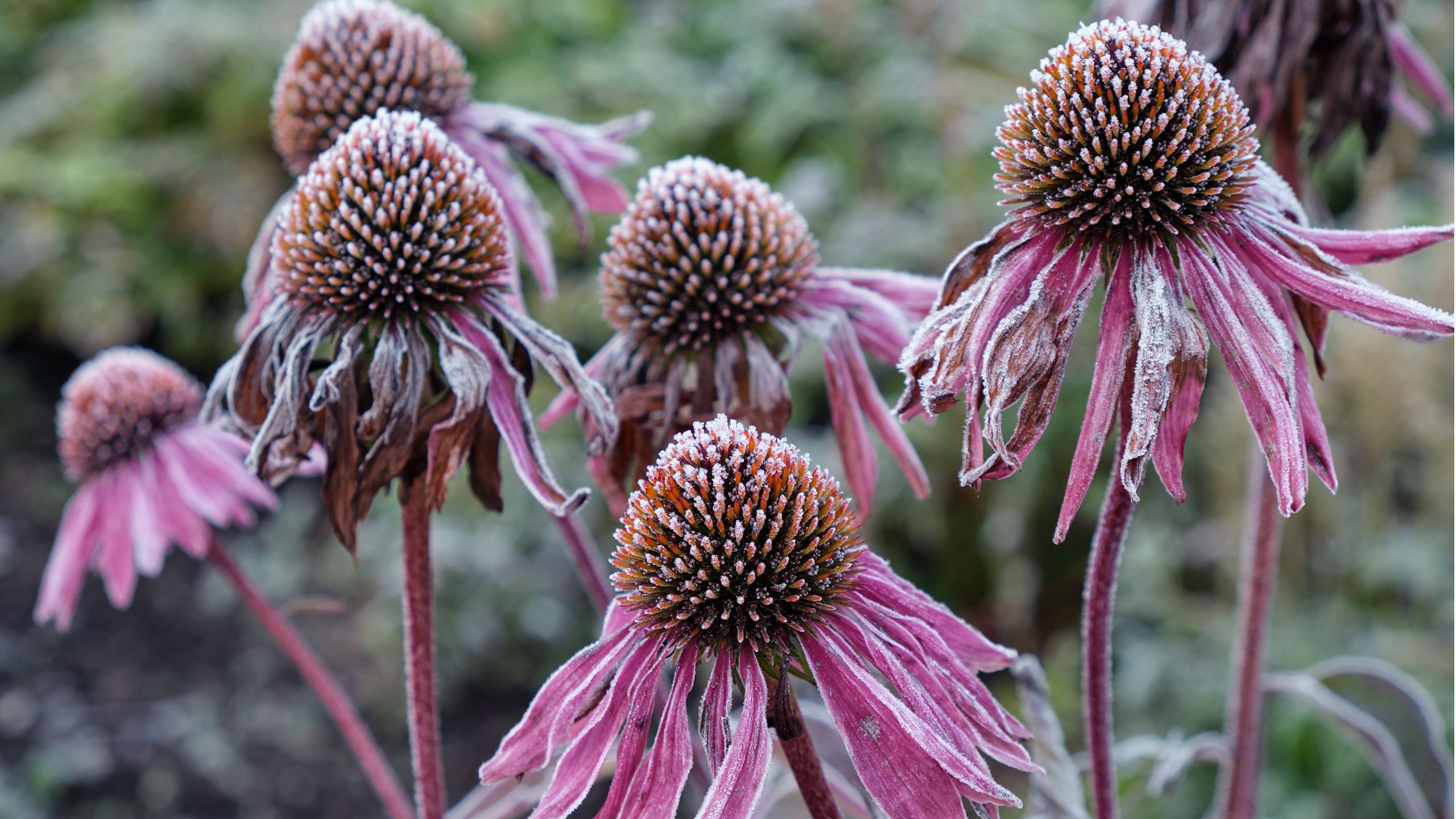
- Hardiness and Resilience: Coneflowers thrive across a wide range of climates (USDA Zones 3–9). Established plants generally require no special winter protection, though newly planted specimens in colder zones benefit from a light layer of mulch.
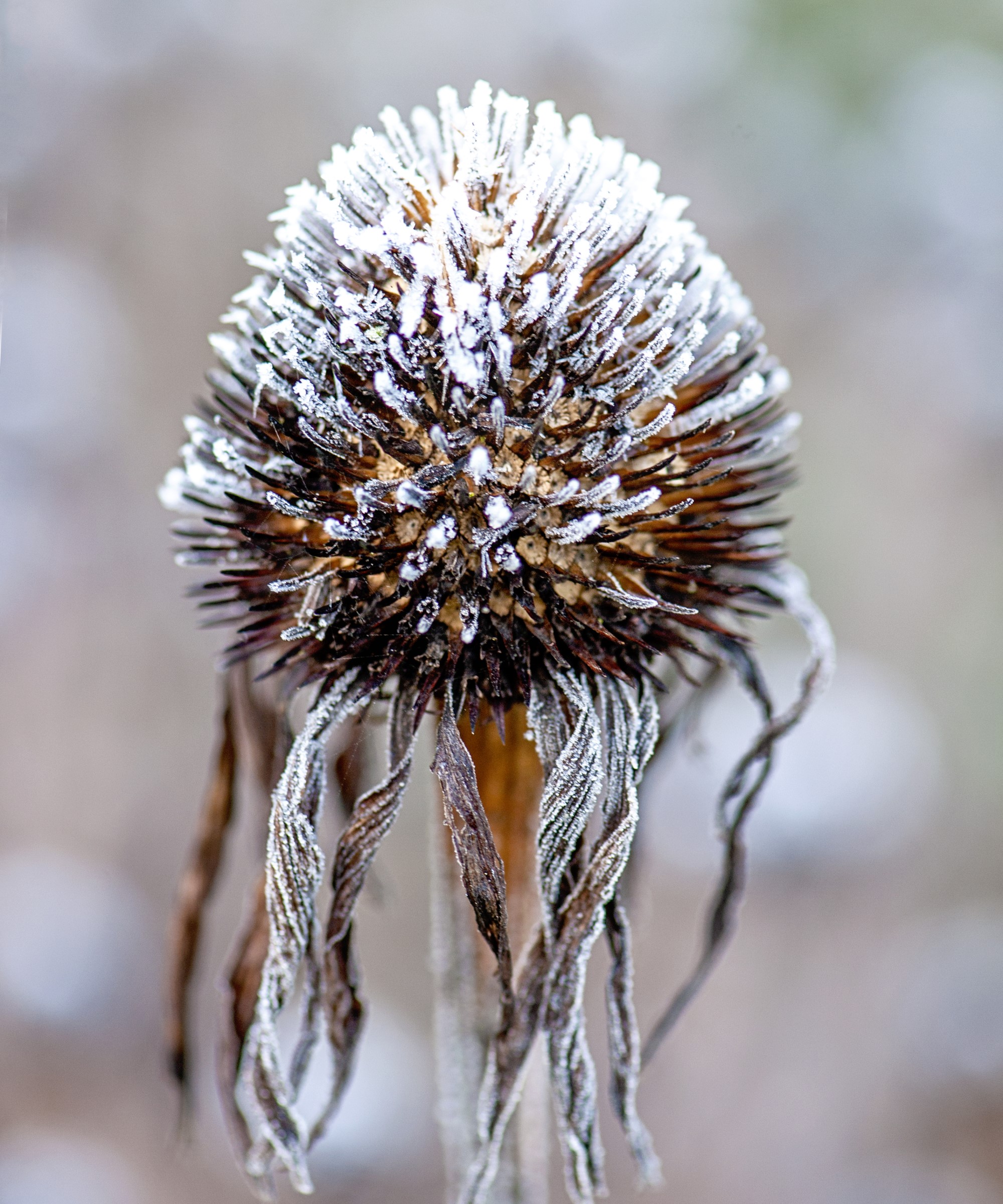
- The "Hands-Off" Rule for Stems: Unlike herbaceous perennials that benefit from a hard autumn cutback, coneflowers should largely be left standing through October. Their seedheads and hollow stems serve vital ecological functions.
- Hygiene and Disease Control: While stems remain, any foliage exhibiting signs of powdery mildew, aster yellows, or fungal pathogens must be meticulously pruned and discarded to prevent pathogens from overwintering.
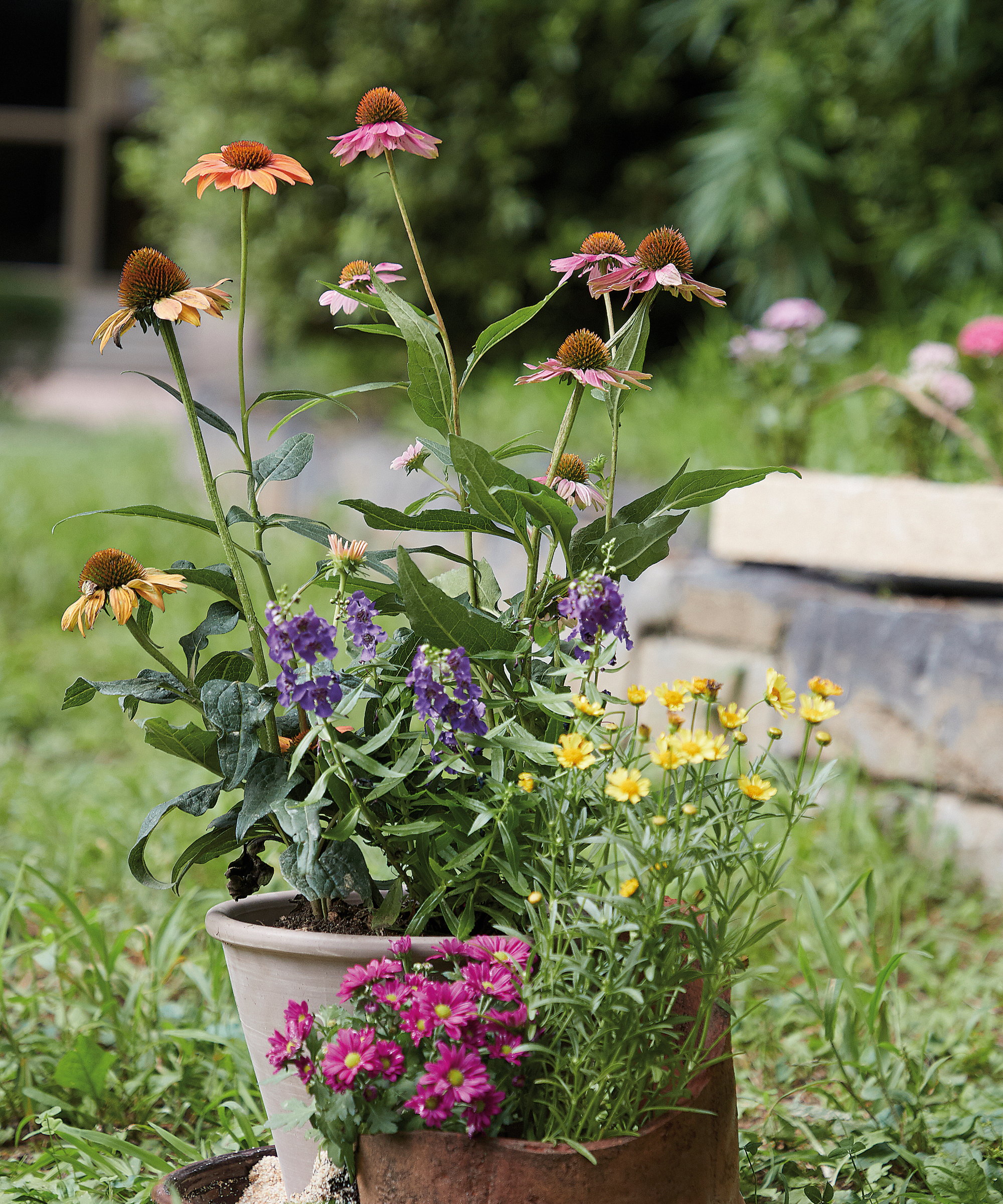
- Container Management: Potted coneflowers are far more vulnerable to root freeze and require proactive winterization steps, such as insulation or relocation to a cold frame.
Chronology of October Garden Transitions
Understanding when to execute specific garden chores is just as important as knowing how. As October progresses from early warmth to late-month frosts, the timeline for coneflower maintenance unfolds in distinct phases:
Early October: Assessment and Wildlife Preservation
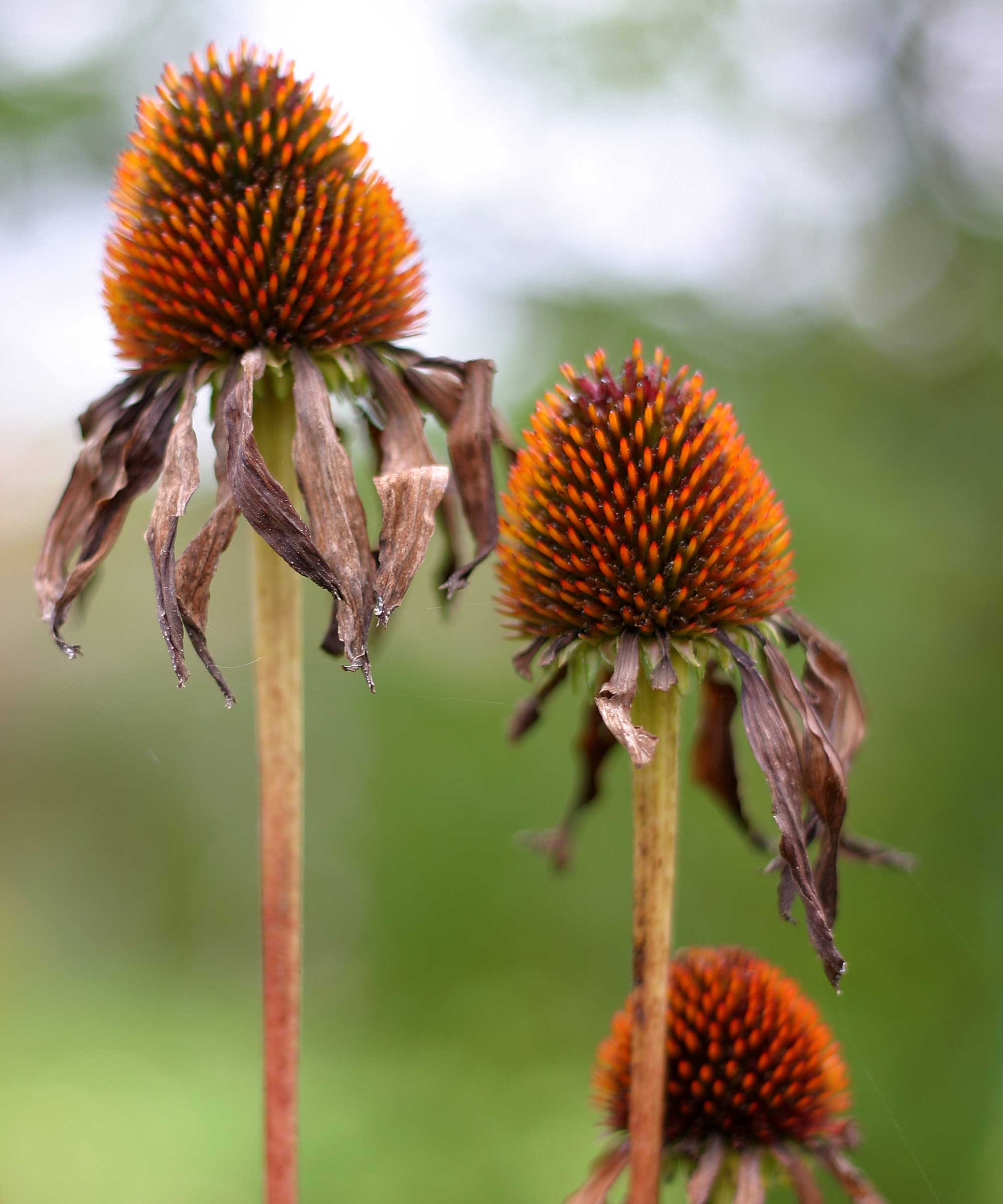
As the blooms drop their colorful petals and the central cones dry into rich, dark brown architectures, the focus shifts entirely away from aesthetics and toward function.
- Resist the urge to tidy: Gardeners should actively resist the temptation to cut down dead stalks. The drying seedheads provide architectural winter silhouettes in otherwise barren flower beds.
- Support local fauna: Migrating and resident birds—such as goldfinches and chickadees—rely heavily on the fat- and protein-rich seeds packed inside the cones during a time when other natural food sources become scarce.
Mid-October: Sanitization and Foliage Inspection
As temperatures cool and autumn humidity rises, fungal spores become active.
- Inspect the lower leaves: Look closely at the base of the plant for signs of powdery mildew or black spots.
- Targeted removal: Carefully prune away any diseased or damaged leaves using sterilized tools. Discard this material in the trash rather than the compost bin to avoid propagating fungal spores next spring.
Late October: Root Protection and Division
With the first hard frost looming on the horizon, it is time to secure the root systems for winter dormancy.
- Apply mulch: Lay down a 2-to-4-inch layer of organic mulch around in-ground plants, keeping the material a few inches away from the crown to prevent stem rot.
- Divide overcrowded clumps: If your coneflowers are 3 to 4 years old and showing signs of diminished center blooms, late October (provided it is at least three weeks before a hard freeze) is an ideal time to dig, split, and replant healthy root sections.
Supporting Data & Horticultural Insights
Horticultural research consistently highlights the ecological value of leaving native perennials standing through the winter months. According to wildlife conservation groups, gardens that practice "lazy gardening" in the fall see a significant boost in native insect and bird populations.
- Insect Overwintering: Native bees, beneficial wasps, and other cavity-nesting insects utilize the hollow, dead stems of coneflowers as safe, insulated nurseries to overwinter until spring temperatures rise above 50°F (10°C). Over-tidying yards too early strips these insects of critical habitat.
- Nutritional Value: A single coneflower head can yield dozens of nutrient-dense seeds. Studies on backyard biodiversity show that gardens featuring standing seedheads retain up to 40% more resident bird species through November and December compared to manicured, cut-back landscapes.
- Root Hardiness Threshold: While mature coneflowers can withstand soil temperatures dropping well below freezing, container-grown plants experience ambient air temperatures around the root ball. Roots exposed to repeated freeze-thaw cycles in uninsulated pots suffer cellular destruction, drastically lowering survival rates.
Official Recommendations and Expert Perspectives
Master gardeners and botanical societies emphasize that successful perennial care relies on mimicking natural cycles.
The Danger of Over-Tidying
"The modern desire for a pristine, sterile fall garden often does more harm than good," notes a leading urban agriculture extension publication. "When we shear plants down to the soil line in October, we eliminate natural bird feeders and evict beneficial insects that are crucial to next year’s garden pest control."
Sanitation Standards
When disease is present, however, expert consensus shifts firmly toward aggressive hygiene. Plant pathologists advise that fungal pathogens like powdery mildew can easily survive winter on fallen or standing dead foliage. If an Echinacea patch suffered from fungal issues during the summer growing season, cutting the affected plants down to a couple of inches above the soil line in late October is an approved, necessary exception to the "leave-them-standing" rule. Gardeners must always sterilize their bypass pruners with rubbing alcohol or a bleach solution between cuts to prevent cross-contamination.
Implications for Your Spring Garden
The actions you take in your garden this October directly dictate the explosion of color and life you will witness next spring and summer.
- Vigor Through Division: By taking the time to divide overcrowded coneflower clumps now, you prevent the plants from choking themselves out. Replanted divisions establish robust root systems over the winter, resulting in bushier plants and a substantially higher volume of blooms next July.
- Soil Health and Moisture Retention: Applying a thoughtful layer of organic mulch—whether utilizing free fallen leaf mulch or commercial blends—regulates soil temperature. It prevents the frost-heaving phenomenon, which can forcefully push young roots out of the ground during erratic winter warm spells.
- Biodiversity Balance: Allowing birds and beneficial insects to utilize your coneflowers through the cold season establishes a self-sustaining micro-ecosystem in your yard. The birds that feed on your coneflower seeds in November will often remain nearby to consume destructive garden caterpillars and beetles when spring arrives.
By embracing a more relaxed, ecologically conscious approach to October garden care, your coneflowers will reward you with steadfast resilience, structural winter beauty, and a vigorous, colorful display when warm weather finally returns.
