

The tech world’s eyes are turning toward Mountain View as Google prepares for its marquee hardware showcase of the year. Set for August 12, the upcoming Made by Google keynote promises to outline the next evolutionary phase of the company’s hardware ecosystem. While leaks, teasers, and regulatory filings have offered a substantial preview of what is to come, industry watchers know that Google’s annual summer gatherings are rarely short of surprises.
At the center of the stage will be the Pixel 11 family, alongside the next iteration of the Pixel Watch and potentially a wider ecosystem of accessories and companion hardware. However, beneath the gloss of new marketing renders and spec sheets lie deeper industry trends—ranging from persistent global component shortages to aggressive integrations of agentic AI.
Here is a comprehensive breakdown of the main facts, chronological context, supporting data, official insights, and broader implications heading into the August 12 event.
Main Facts: The Core Announcements
Based on a combination of official teasers, leaked marketing materials, and supply chain reports, Google’s August 12 showcase is expected to focus on a tightly curated hardware lineup.

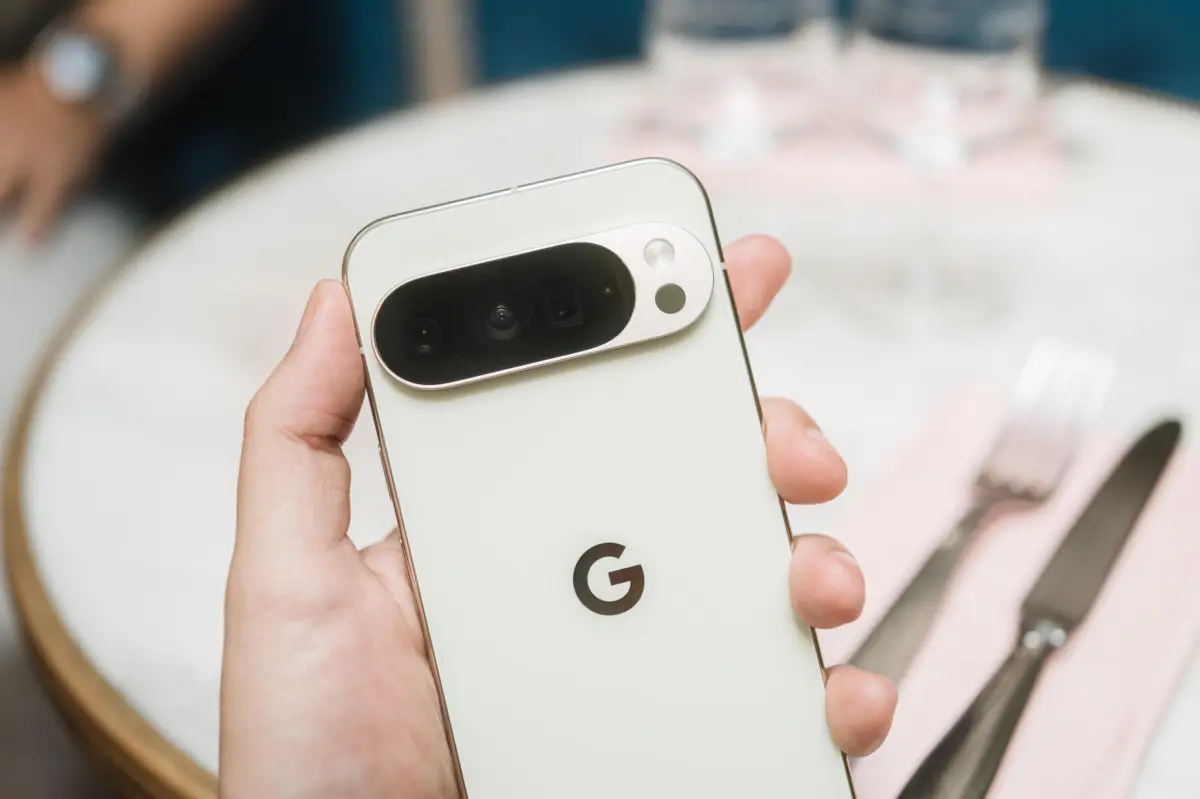
- The Pixel 11 Lineup: Google is expected to unveil four distinct smartphone models: the standard Pixel 11, the Pixel 11 Pro, the Pixel 11 Pro XL, and the foldable Pixel 11 Pro Fold.
- Design Evolution: The aesthetic language of the Pixel 11 series will closely mirror the blueprint established by the Pixel 9 and Pixel 10 generations. Rather than a radical visual redesign, Google is opting for minor refinements, reserving major architectural styling shifts for future cycles.
- The "HiLight" Notification Feature: Moving away from traditional LED notification lights, leaked marketing assets point to a new rear-facing LED feature officially dubbed HiLight (previously rumored as Pixel Glow). This system is designed to illuminate during incoming calls from prioritized contacts or when interacting with Gemini while the device is face down.
- Storage and Pricing Adjustments: Rumors indicate a welcome baseline storage upgrade, with Google reportedly phasing out the 128GB entry-level tier in favor of a 256GB minimum standard. However, this may be offset by an anticipated $100 across-the-board price increase driven by mounting component costs.
- Pixel Watch 5: Google’s next-generation smartwatch is slated to make its debut, retaining the beloved, sleek circular silhouette of its predecessors while packing internal performance boosts.
- Software Foundation: All newly announced Pixel 11 devices will ship natively with Android 17 and deep integrations of Google’s Gemini Intelligence suite.
Chronology: The Lead-Up to August 12
Understanding how the Pixel 11 ecosystem reached this point requires looking back at Google’s hardware trajectory over the past several years:
- Late 2024 – 2025 (The Pixel 9 and 10 Eras): Google successfully standardized its multi-tier hardware strategy, introducing the "Pro Fold" moniker and solidifying its custom Tensor processing roadmap. During this period, the company shifted its primary marketing narrative heavily toward on-device generative AI.
- Spring 2026: Google launched the mid-cycle Pixel 10A, which notably skipped a processor generation upgrade, sparking speculation regarding how Google manages its custom silicon pipeline against aggressive competitors.
- Google I/O 2026 (May): Google previewed its next wave of multimodal AI capabilities, laying the software groundwork for agentic AI features tailored specifically for mobile and foldable form factors.
- Late July 2026: A wave of high-profile leaks—including European carrier documentation, regulatory filings, and a bizarre viral report of a prototype Pixel Watch 5 discovered by a scuba diver—revealed nearly complete specifications, pricing structures, and colorways for the upcoming ecosystem.
- August 12, 2026 (3:00 PM PT): The official Made by Google keynote event streams live via YouTube, where pre-announcement speculation will finally meet official validation.
Supporting Data and Technical Speculations
As analysts digest the mountain of pre-event data, several clear trends emerge regarding Google’s hardware choices, silicon strategy, and pricing models.
1. Silicon and Performance Philosophy
The Pixel 11 series is expected to pack the new Tensor G6 chipset. While historical benchmarks suggest that Google’s homemade chips continue to trail competitors—particularly in raw graphical horsepower—the tech giant remains laser-focused on optimizing these processors for dedicated machine learning tasks. The primary design goal of the Tensor architecture is not to win raw computational speed races, but rather to maximize on-device inference speeds for Gemini AI tasks, voice processing, and real-time computational photography.
2. The Global RAM Crunch and Financial Realities
According to reports originating from European retail leaks (such as DealLabs), consumers should brace for a $100 price hike across the entire Pixel 11 lineup. This mirrors broader industry pressures—often discussed under the umbrella of rising memory costs ("RAMageddon")—which have forced major players like Samsung and Apple to adjust pricing structures upward to maintain margins in the face of skyrocketing component expenses. On the bright side, eliminating the legacy 128GB base model and standardizing 256GB of baseline storage helps soften the financial blow for power users.

3. Expanding the Ecosystem: Pixel Tag, XR, and Googlebooks
Beyond phones and watches, Google is laying the groundwork for peripheral dominance:
- Pixel Tag: Set to compete directly with Apple’s AirTag and Tile trackers, leaked images from 9to5Google showcase an oblong Bluetooth tracker designed to interface with Google’s newly expanded Find Hub network, likely leveraging Ultra-Wideband (UWB) technology for precise spatial tracking.
- Android XR Glasses: While not carrying the "Pixel" badge, Google’s collaborative push into augmented reality with partners like Warby Parker and Gentle Monster remains a critical talking point. With a targeted fall 2026 launch window, these glasses promise to place multimodal Gemini AI directly into user field-of-views.
- Googlebooks: Rumors persist regarding a unified, premium line of laptops optimized to work seamlessly with Android and the Pixel ecosystem, potentially serving as the ultimate companion device for Android power users. Lenovo’s recent teasers indicate that Google-powered laptops are closer to reality than previously thought.
Official Responses and Industry Context
Google has maintained its traditional pre-event posture of strict official silence regarding unannounced hardware, preferring to let strategic leaks and deliberate teaser videos manage the news cycle. However, statements from recent developer conferences (Google I/O) and partner keynotes (Samsung Unpacked) provide substantial context for what the company hopes to achieve.
Industry executives have repeatedly emphasized that the smartphone market has entered an "agentic era"—a phase where devices do not merely respond to discrete search queries or voice commands, but proactively execute complex, multi-step workflows across applications on behalf of the user.
Competitors like Samsung have already begun deploying advanced agentic AI features in their latest foldable ecosystems. Consequently, Google’s upcoming presentation is widely viewed as a counter-offensive to prove that the Pixel—as the native reference hardware for Android—remains the purest and most capable vehicle for Google’s software intelligence.

Implications: What the Pixel 11 Launch Means for the Tech Industry
The August 12 Made by Google event carries significant weight for both consumers and the broader consumer electronics industry:
1. The Maturation of the AI Smartphone
We have officially moved past the novelty phase of generative AI on mobile devices. Features like live translation, advanced photo generation, and conversational assistants are now baseline consumer expectations. With the Pixel 11, Google must prove that its hardware-software integration offers tangible, daily utility that justifies rising price tags in a constrained global economy.
2. Consolidation of the Premium Android Space
By pushing base storage to 256GB while simultaneously increasing prices, Google is quietly nudging its consumer base further upmarket. This strategy positions the Pixel brand less as an "affordable flagship alternative" and more as a direct, premium competitor to Apple and Samsung.
3. The Interconnected Google Ecosystem
With the introduction of the Pixel Watch 5, potential Pixel Tags, Android XR partnerships, and prospective Googlebooks, Google is methodically constructing a walled garden of interoperable devices. For years, critics argued that Android lacked the seamless hardware synergy seen in Apple’s ecosystem. The 2026 hardware slate represents Google’s most concerted effort yet to close that gap.

How to Watch the Event
The Made by Google keynote kicks off on August 12 at 3:00 p.m. PT / 6:00 p.m. ET. Technology enthusiasts and consumers can stream the official broadcast live via the Made by Google YouTube channel.
Stay tuned for comprehensive, hands-on coverage, benchmark analysis, and full reviews of every device announced as they roll out from Mountain View.
