

By CNET Reporting Team
Published: August 2026
Main Facts
The modern romance landscape is undergoing a profound cultural and technological shift. For over a decade, the ritual of finding love was defined by the glowing screen: the endless rhythm of swiping left or right, analyzing curated photo grids, and attempting to spark chemistry through text messages. However, the digital era of romance has hit a wall.
According to recent data from Match Group—the parent company behind industry giants like Tinder and Hinge—singles are increasingly turning away from digital-only profiles in favor of face-to-face interactions. This fundamental pivot has forced the titans of online matchmaking to radically rethink their business models. Rather than keeping users trapped inside a digital ecosystem, apps are now acting as physical matchmakers, bridging the gap between online discovery and real-world execution.
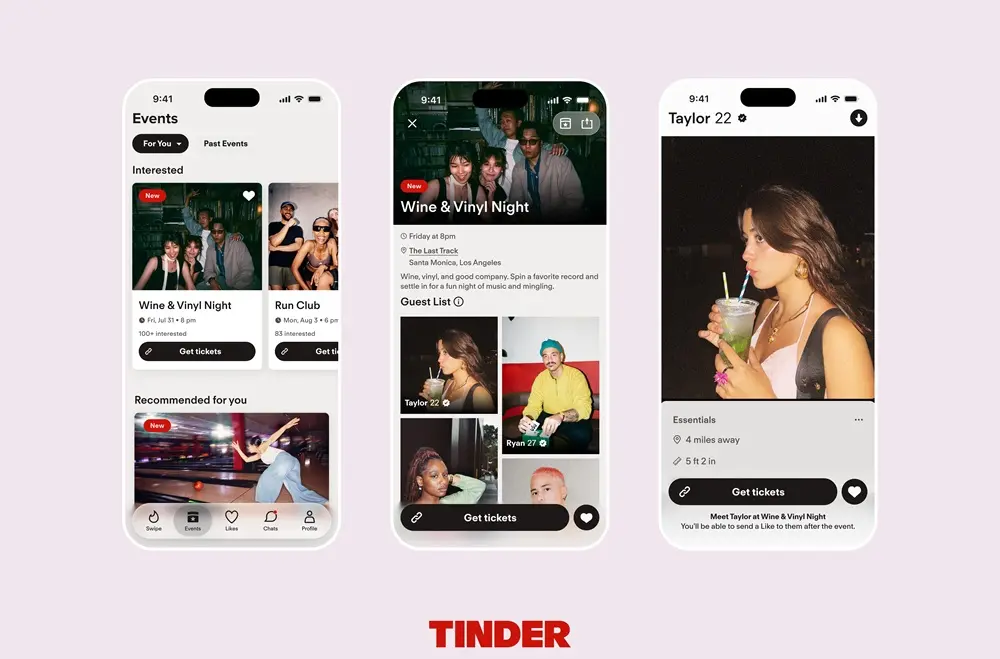
The most prominent manifestation of this strategy is Tinder’s rapidly expanding "Events" feature. Originally rolled out as a localized pilot program in Los Angeles earlier this year, the initiative is designed to transition online sparks into tangible, shared experiences. Whether through casual coffee socials, group hikes, or structured game nights, Tinder is actively moving out of the smartphone and into the streets. Following a successful initial run that saw over 60 events in Southern California, Match Group announced plans to scale the feature to more than 26 major cities worldwide by the end of September.
For an industry that has long prioritized screen time and daily active users, encouraging people to log off and meet face-to-face might seem counterintuitive. Yet, company leadership insists it is the only way to survive a generational shift in how young adults approach dating.
Chronology
To understand how the dating app industry arrived at this crossroads, it is necessary to examine the timeline of events that led to the rollout of Tinder’s real-world initiatives and the broader cultural fatigue surrounding digital romance:
- March 2026: Tinder launches its pilot "Events" program in Los Angeles. The initiative utilizes partnerships with local event organizers and ticketing platforms to curate low-pressure social gatherings, hosting over 60 events to test user reception.
- Late July 2026: Buoyed by strong retention data—noting that over half of pilot participants returned for subsequent gatherings—Tinder officially announces a massive global expansion of the Events feature, slated to hit more than 26 cities across the United States and Europe by September.
- Tuesday, August 2026: Match Group releases its second-quarter earnings report, revealing financial growth that lagged slightly behind expectations. During the subsequent earnings call, Match Group CEO Spencer Rascoff addresses the earnings shortfall while championing the company’s strategic pivot toward real-world connection.
- September 2026 (Projected): The rollout of Tinder Events reaches full deployment across major global hubs, including New York, Denver, Dallas, Phoenix, Berlin, Munich, Geneva, and Zurich, marking a permanent integration of physical meetups into the app’s core utility.
Supporting Data
The shift away from digital-only dating is not merely anecdotal; it is backed by compelling internal research and shifting demographic behaviors. Match Group’s latest disclosures highlight a generational fatigue that developers can no longer afford to ignore.
- The 18-to-29 Demographic: According to internal metrics cited by CEO Spencer Rascoff during the Q2 earnings call, nearly half (nearly 50%) of singles aged 18 to 29 express an explicit preference for sharing in-person experiences with potential romantic partners over text-based app banter.
- Pilot Retention Rates: The Los Angeles pilot of Tinder Events proved that users are hungry for structured physical socialization. An impressive 53% of participants who attended an initial Tinder-sponsored event returned for more get-togethers, signaling high user satisfaction and community stickiness.
- Geographic Scaling: The September expansion targets a broad international footprint, bringing the Events feature to major metropolitan areas in North America and Europe, including New York, Denver, Dallas, Phoenix, Berlin, Munich, Geneva, and Zurich.
- Financial Pressures: Match Group reported struggling to meet its financial targets in the second quarter of 2026. This financial lag has accelerated the company’s need to innovate, framing the Events feature not just as a cultural experiment, but as a critical driver for user acquisition and brand rehabilitation.
Official Responses
Company executives have been remarkably transparent about the psychological hurdles facing young daters and the commercial necessity of adapting to them.

During Match Group’s second-quarter earnings call, CEO Spencer Rascoff addressed the cultural disconnect that digital natives face when trying to form meaningful relationships online. "For a generation that grew up online, making that transition into real life can still feel hard," Rascoff told investors and analysts. He emphasized that the company’s new real-world initiatives are explicitly designed to remove the friction and anxiety traditionally associated with first dates. By providing structured, low-pressure environments, Tinder hopes to alleviate the paralysis of choice that plagues modern daters.
Rascoff also highlighted how physical events can alter the public perception of online dating as a whole. "Bringing more real-world connection into the experience can help shift perception of Tinder and the category more broadly, giving singles a reason to reconsider and try the app," he noted. By positioning the platform as a community builder rather than a digital meat-market, Match Group hopes to win back disillusioned users who have deleted their accounts in frustration.
Despite the sweeping nature of these announcements, representatives for Tinder declined to provide further comments when approached by media outlets following the earnings call, leaving the day-to-day logistical details of the upcoming international rollouts to be managed by local marketing and partnership teams.
Implications
The pivot from algorithmic swiping to community-driven meetups carries profound implications for the future of technology, sociology, and the multi-billion-dollar dating app industry.
1. The Death of the Infinite Scroll
For over a decade, dating apps were optimized like social media platforms: designed to maximize screen time, keep users hooked on intermittent rewards (the dopamine hit of a match), and monetize through paid features like unlimited swipes or profile boosts. If Gen Z and younger millennials are rejecting this model, tech companies must fundamentally redesign their products. The future of dating apps may no longer be measured by daily active minutes spent staring at a screen, but by successful offline conversions—how effectively an app can hustle its users out of the house.
2. Easing Social Anxiety for Digital Natives
Gen Z is frequently noted by sociologists as being simultaneously the most digitally connected and the most socially anxious generation in modern history. Having spent formative years communicating behind screens, traditional face-to-face flirting can feel like an extreme sport. By organizing group hikes, trivia nights, and coffee socials, Tinder is essentially acting as a modern-day chaperone. These low-stakes, group-oriented environments remove the intense spotlight of a traditional one-on-one blind date, offering a softer landing pad for people struggling to initiate romance in the physical world.
3. Economic and Brand Rehabilitation for Match Group
Financially, Match Group’s Q2 struggles in 2026 demonstrate that the classic subscription model is hitting saturation. Users are growing fatigued by paywalls that gate basic communication features. By transforming dating apps into lifestyle and events brands, companies can unlock new revenue streams—ranging from ticket sales and venue partnerships to sponsored social experiences. More importantly, this strategy combats the cynicism surrounding online dating. If Tinder can rebrand itself as a facilitator of genuine community rather than a source of digital burnout, it can capture an entirely new wave of members who previously swore off apps altogether.
As the lines between digital platforms and physical spaces continue to blur, the ultimate irony of the modern romance industry is becoming clear: the most successful technology companies of the future may be the ones that successfully convince us to put our phones down.
