

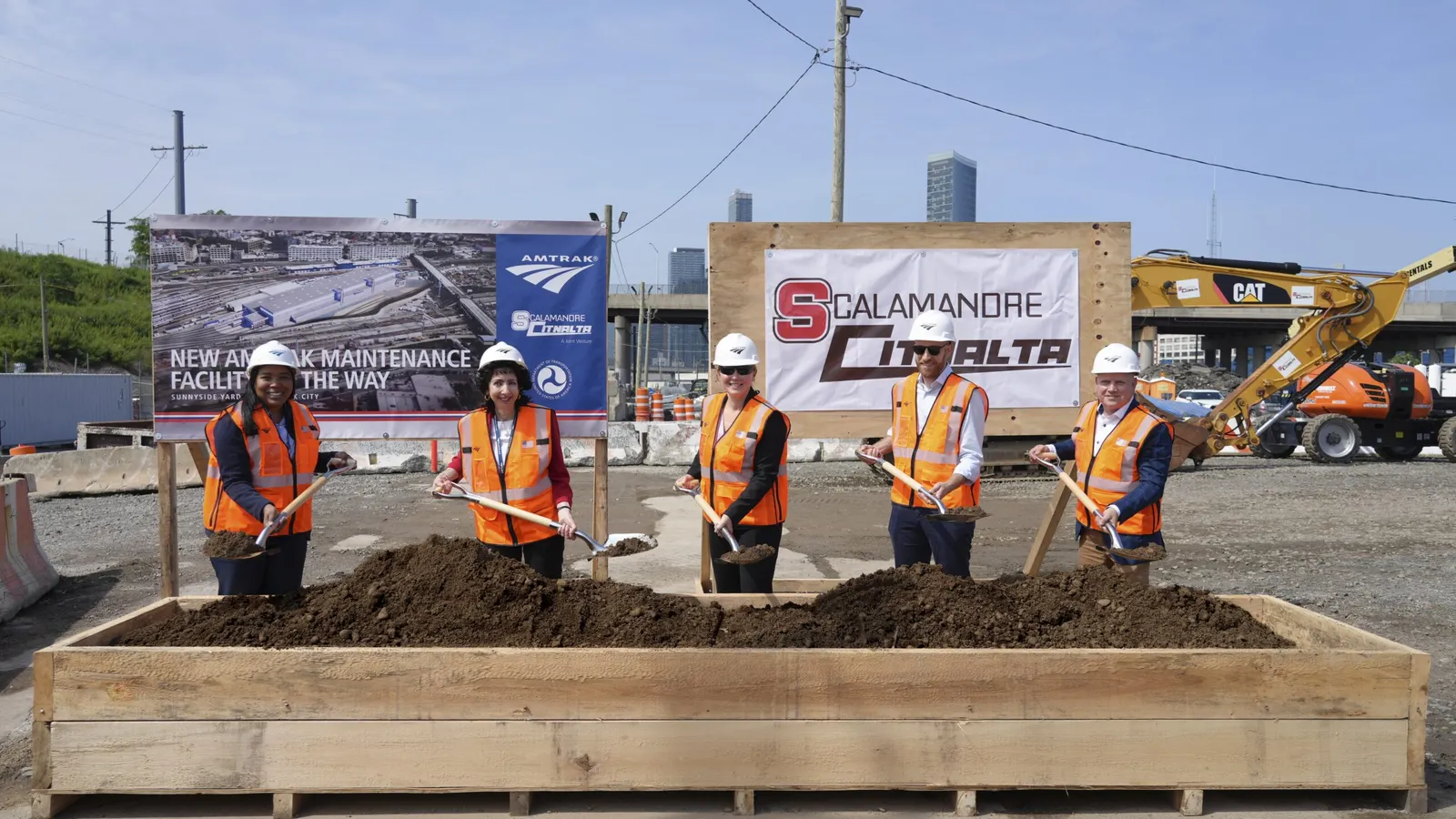
NEW YORK — In a sweeping initiative aimed at reshaping the future of American passenger rail, national rail carrier Amtrak has announced a comprehensive, long-term infrastructure overhaul centered in the nation’s busiest transit corridor. Backed significantly by federal funding, the multi-year capital improvement program is designed to modernize aging facilities, streamline operational efficiency, and prepare the Northeast Corridor for the imminent rollout of state-of-the-art trainsets.
The ambitious project, which is slated to run through the end of the decade, represents a critical milestone in a broader nationwide effort to upgrade transit hubs, depots, and maintenance yards that have suffered from decades of deferred maintenance and surging ridership demands.
Main Facts
The core of Amtrak’s latest capital undertaking involves a massive reconfiguration and expansion of critical maintenance and servicing infrastructure in the New York metropolitan area. According to a project release issued by Amtrak, the initiative is primarily funded by Congress through targeted Federal Railroad Administration (FRA) grants, reflecting a sustained federal commitment to upgrading foundational transportation assets.
The multifaceted construction program features several major engineering and architectural components:
- New Maintenance and Inspection Facility: The construction of a state-of-the-art, two-track indoor maintenance and inspection building designed to handle modern rolling stock efficiently.
- Service and Cleaning Infrastructure: The addition of six new dedicated service and cleaning tracks to accelerate turnaround times for inbound trains.
- Platform Rehabilitation: Comprehensive state-of-good-repair renovations across 11 existing service platforms to improve passenger safety, accessibility, and operational workflows.
- Operational Facilities: The installation of a modular office compound to house on-site management, engineering, and maintenance crews.
- Track and Interlocking Reconfiguration: A complete redesign and modernization of two major track interlockings to reduce bottlenecks and optimize train traffic flows entering and leaving the hub.
Crucially, the completed facility is engineered to support Amtrak’s upcoming Airo trainsets. These modern passenger trains are set to replace legacy railcars that have been in continuous operation for half a century, introducing improved energy efficiency, enhanced passenger amenities, and greater reliability to the heavily traveled routes.
Chronology
While the formal announcement highlighting the comprehensive 2030 completion timeline was publicized in late August, the groundwork for this massive capital project has been laid over several years through legislative funding milestones and regional planning phases.
- November 2021: The passage of the Infrastructure Investment and Jobs Act (IIJA) unlocks historic funding levels for passenger rail, setting the stage for long-term capital grants distributed via the Federal Railroad Administration.
- 2022–2023: Engineering teams and regional planners conduct feasibility studies, environmental reviews, and preliminary designs for the New York maintenance yard expansion and interlocking reconfigurations.
- Late August: Amtrak officially releases details regarding the phased construction schedule, projecting that work will continue uninterrupted through 2030. Concurrently, related mega-projects—such as the ongoing East River Tunnel Rehabilitation Project—reach critical milestone phases.
- Present Day (2024 and Beyond): Active site preparation, procurement of materials, and initial phased construction get underway. Over the next six years, project milestones will see the step-by-step deployment of the new tracks, platforms, modular offices, and the primary maintenance shed, culminating in full operational readiness for the Airo fleet deployment.
Supporting Data and Broader Context
The New York maintenance facility project does not exist in a vacuum; it is part of an unprecedented national capital expenditure campaign by Amtrak aimed at remediating a massive backlog of deferred maintenance across the Northeast Corridor (NEC) and beyond.
According to financial and operational data provided by Amtrak and the U.S. Department of Transportation, the capital program relies heavily on federal appropriations distributed through competitive grant programs. The FRA grants underpinning the New York yard upgrades are mirrored by billions of dollars allocated to other high-priority transit bottlenecks along the Eastern Seaboard.
Furthermore, the scale of the project matches the massive volume of travelers utilizing the region. The Northeast Corridor remains the busiest passenger rail line in the United States, supporting hundreds of thousands of daily commuters and intercity travelers. Delays in this corridor ripple across the entire national rail network, making investments in reliable maintenance yards just as critical as investments in visible bridges and tunnels.
The New York overhaul directly complements a series of other high-profile station and infrastructure upgrades spanning key hubs across the country, including major modernization initiatives in:
- Philadelphia: Upgrades to historic terminal infrastructure and track configurations.
- Washington, D.C.: Expanding capacity and modernizing concourses at Union Station.
- Boston: Enhancing maintenance capabilities and station accessibility.
- Seattle: Upgrading Pacific Northwest service infrastructure to accommodate growing ridership.
Additionally, the yard upgrades are synchronized with heavy civil engineering projects like the East River Tunnel Rehabilitation Project. That initiative addresses critical damage sustained during Superstorm Sandy, requiring prolonged, phased shutdowns of vital trans-Hudson and East River tubes. Together, these projects form an interconnected web of capital renewal designed to secure the structural integrity of rail travel for the next 50 years.
Official Responses
Leadership within Amtrak’s capital delivery division has emphasized the transformative nature of these investments. Speaking in the August release detailing the project roadmap, Laura Mason, Amtrak’s executive vice president of capital delivery, highlighted how the multifaceted construction efforts fit into a grander regional strategy.
“From this new maintenance facility to the East River Tunnel Rehabilitation Project and so many other projects, Amtrak is delivering transformative investments that are reshaping the future of passenger rail in New York,” Mason stated.
Federal transportation officials have similarly underscored the economic and operational necessity of these grants. Representatives from the Federal Railroad Administration have repeatedly noted that modernizing back-of-house assets—such as maintenance depots, cleaning tracks, and signaling interlockings—is the single most effective way to eliminate cascading delays and ensure on-time performance for the traveling public.
Local labor unions, regional planning organizations, and passenger advocacy groups have also voiced cautious optimism. While acknowledging that years of active construction will require careful operational management to avoid severe commuter disruptions, stakeholders agree that the long-term benefits of replacing 50-year-old passenger equipment and upgrading the yards that service them far outweigh the short-term logistical hurdles.
Implications
The completion of the New York maintenance facility and the broader infrastructure modernization program through 2030 carries profound implications for the future of American rail transit.
Operational Reliability and Efficiency
For decades, maintenance crews working in the Northeast Corridor have struggled with antiquated facilities that were never designed to handle the demands of modern, high-frequency passenger rail. Outdated service platforms, cramped maintenance sheds, and legacy track interlockings have frequently contributed to bottlenecking. By introducing a brand-new two-track inspection facility, six dedicated service and cleaning tracks, and modernized interlockings, Amtrak will drastically reduce the time trains spend out of service. Faster turnaround times translate directly to increased fleet availability, fewer cancellations, and improved schedule reliability.
The Arrival of the Airo Fleet
The physical infrastructure upgrades are inextricably linked to the introduction of Amtrak Airo trainsets. These new trainsets will bring modern amenities—such as enhanced Wi-Fi, improved seating configurations, contemporary interior designs, and greater fuel efficiency—to routes currently served by railcars that have been in service for half a century. However, advanced trains require advanced maintenance environments. Without a modernized facility equipped to service these specific trainsets, Amtrak would be unable to deploy them effectively across its regional networks.
Economic and Environmental Impact
Investing heavily in rail infrastructure yields significant macroeconomic and environmental dividends. The multi-year construction pipeline will support thousands of well-paying jobs in engineering, construction, project management, and specialized rail trades throughout the New York metropolitan area. Furthermore, by creating a faster, more reliable, and more comfortable passenger rail experience, Amtrak aims to attract motorists out of cars and travelers out of regional flights, thereby reducing highway congestion and lowering transportation-related carbon emissions along the heavily populated Eastern Seaboard.
As construction ramps up toward the 2030 completion window, the eyes of the national transportation sector will remain fixed on New York. Success in this corridor will serve as a definitive blueprint for how modern federal funding can successfully revitalize legacy infrastructure and secure the longevity of intercity rail travel in the United States for generations to come.
