

By Tech Desk and Industry Analysts
Published October 2026
Main Facts
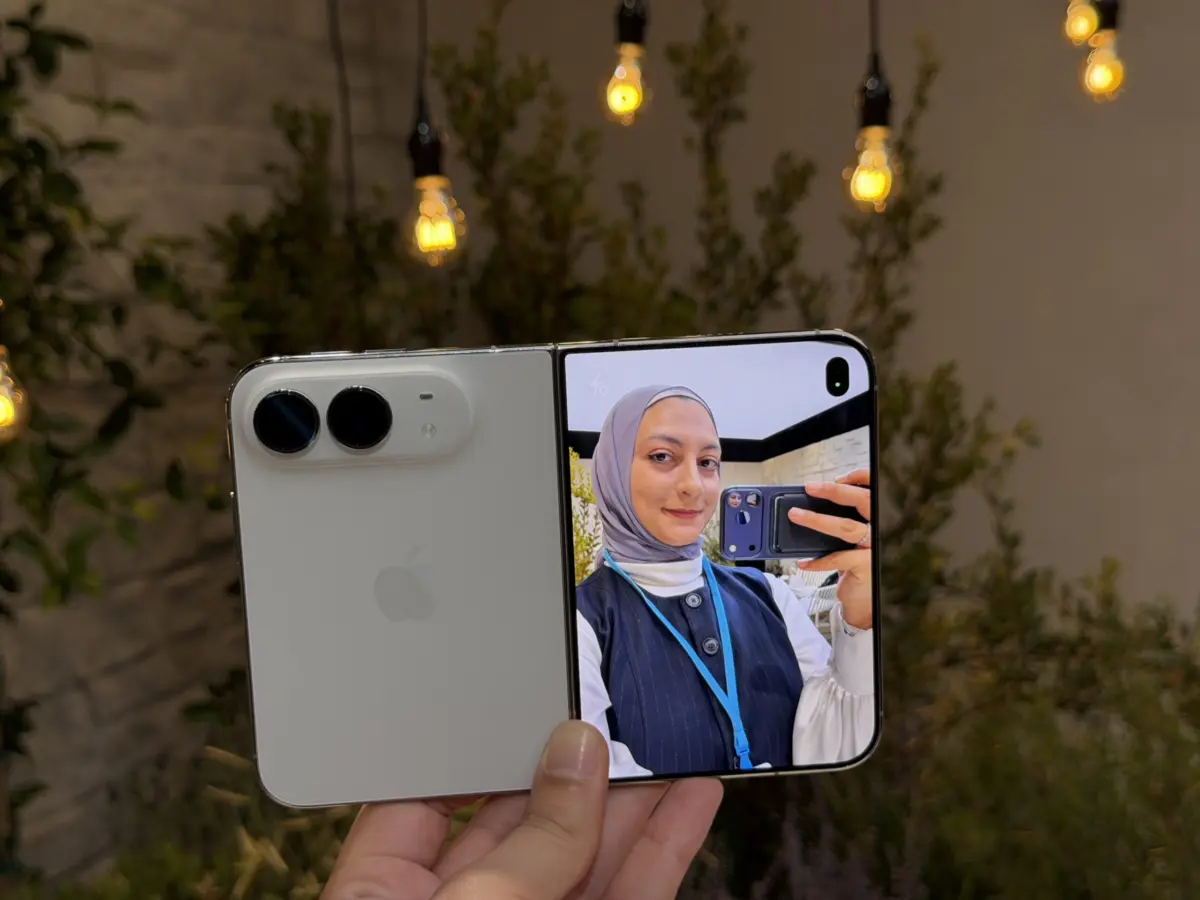
Apple has officially entered the foldable smartphone market with the debut of the iPhone Duo, a passport-style folding handset unveiled during the company’s "Surprise and Shine" event. While long anticipated by the tech community through years of rumors and supply-chain leaks, the physical reality of the device marks a monumental shift for the Cupertino-based tech giant.
Priced at a steep $2,000, the iPhone Duo is positioned firmly in the ultra-premium category. The device introduces a new era for the ecosystem under the leadership of newly appointed CEO John Ternus. Preorders for the flagship foldable are scheduled to begin on October 16, with official in-store availability starting October 23.

Despite arriving years after competitors like Samsung, Google, and Motorola commercialized foldable form factors, Apple’s entry immediately alters the landscape of the mobile industry. Industry analysts and reviewers are already divided on whether the device represents a revolutionary leap forward in hardware design or an expensive, late-to-the-party iterative experiment.
Chronology: The Road to the iPhone Duo
The journey toward Apple’s first foldable device spans nearly a decade of internal prototyping, patent filings, and escalating market speculation.
- 2018–2020 (The Patent Phase): As rival manufacturers began conceptualizing and eventually releasing early-generation folding screens, Apple quietly filed dozens of patents detailing hinge mechanisms, flexible OLED displays, and scratch-resistant foldable glass solutions. During this period, leadership remained publicly skeptical about the durability and consumer demand for foldable devices.
- 2021–2023 (The Rumor Mill Accelerates): Supply chain analysts began reporting that Apple was actively collaborating with display partners—principally Samsung Display and LG—to develop foldable panels measuring between 7 and 8 inches. However, persistent engineering hurdles, particularly regarding the visible crease in the center of the screen and battery life optimization, repeatedly pushed back anticipated launch windows.
- Early 2024–2025 (Leadership Transition & Finalization): As John Ternus stepped into the role of CEO, hardware development pipelines accelerated. Reports indicated that Apple shifted its focus from foldable iPads to perfecting a pocket-sized, dual-screen foldable phone that could seamlessly integrate into the existing iOS ecosystem.
- October 2026 (The Official Reveal): Apple holds its "Surprise and Shine" event, officially unveiling the iPhone Duo. Chief executive John Ternus showcases the device to the public, detailing its passport-style fold, multitasking capabilities, and integration with specialized foldable iOS applications.
- October 16, 2026: Preorders open globally.
- October 23, 2026: Official retail store launch and device delivery.
Supporting Data and Hardware Specifications
To justify its $2,000 price tag, the iPhone Duo packs high-end engineering, though it forces consumers to weigh the cost against purchasing multiple traditional Apple devices.

Pricing and Availability Context
- Base Price: $2,000 USD.
- Preorder Date: October 16, 2026.
- Release Date: October 23, 2026.
- Comparative Value: At $2,000, the device costs roughly the equivalent of purchasing a standard iPhone Pro model alongside an iPad Air and AirPods Pro, sparking fierce debates among tech reviewers regarding value versus luxury novelty.
Design and Display Metrics
- Form Factor: "Passport-style" horizontal book fold, allowing it to function as a compact pocket device when closed and a small tablet when fully opened.
- Flexibility and Versatility: Features modes such as "Tent Mode," which allows the device to prop itself up on a flat surface, enabling quick glances at the time, weather, and interactive widgets utilizing Apple’s StandBy mode.
- Hinged Engineering: Incorporates a custom multi-gear fluid hinge designed to minimize the display crease—a historical pain point for early foldable phones from other manufacturers—while allowing smooth, resistance-balanced opening and closing.
Official Responses and Expert Reactions
Reactions from industry experts, tech journalists, and early hands-on reviewers have been deeply polarized. CNET’s editorial team noted that while the rumors failed to fully capture the physical tactile experience of holding the device, opinions on its practical utility remain split.
The Skeptics’ View
Many critics question whether the software ecosystem is entirely ready to support foldable workflows on iOS. While Apple has adapted core applications like Safari, Mail, and Photos to take advantage of the expanded screen estate, third-party developer adoption remains a variable unknown. Furthermore, the $2,000 price point places the iPhone Duo out of reach for the mainstream upgrade cycle, relegating it to early adopters, enterprise power users, and tech enthusiasts.
The Enthusiasts’ View
Conversely, supporters argue that Apple’s deliberate delay in entering the market has allowed the company to solve common hardware failures plaguing earlier foldables, such as fragile inner screens and dust-vulnerable hinges. The implementation of StandBy features in tent mode and the polished multitasking interface have been praised as intuitive steps forward that elevate the device beyond a mere gimmick.

Implications for the Mobile Industry
The launch of the iPhone Duo carries profound strategic implications for Apple and the broader smartphone market.
1. Validation of the Foldable Market
For years, skeptics labeled foldables as a niche, fragile trend destined to remain a playground for Android manufacturers. Apple’s endorsement changes the narrative overnight. By entering the space, Apple validates the form factor, signaling to mainstream consumers and enterprise clients that folding screens are the future of premium mobile computing.
2. Pressure on Competitors
Rivals such as Samsung (with its Galaxy Z Fold series) and Google (with the Pixel Fold line) now face a formidable competitor equipped with Apple’s powerful brand loyalty, proprietary silicon (the M-series or advanced A-series chips optimized for dual screens), and tightly integrated software ecosystem. Competitors will likely need to accelerate their innovation cycles—particularly regarding thinness, battery efficiency, and software multitasking—to maintain their market share.

3. The Future of iOS Architecture
The iPhone Duo forces Apple to rethink mobile operating systems. The success of the device relies heavily on how gracefully iOS transitions between the outer cover display and the expansive inner screen. If developers successfully build robust, fluid experiences for the Duo, it could lay the groundwork for future flexible Apple products, including rumored foldable MacBooks and hybrid tablets.
4. Economic Realities of Ultra-Premium Hardware
As smartphone innovation plateaus in traditional slab designs, manufacturers are increasingly relying on high-margin luxury devices to drive revenue growth. With a $2,000 price tag, the iPhone Duo tests the absolute ceiling of what consumers are willing to pay for handheld technology, setting a new financial benchmark for flagship electronics moving toward the latter half of the decade.
As preorders kick off on October 16 and devices land in consumer hands on October 23, the true test of the iPhone Duo will move from controlled keynote demonstrations to the unpredictable realities of daily use. Whether it sparks a massive migration toward foldable screens or remains a luxury status symbol will become clear in the months ahead.
