

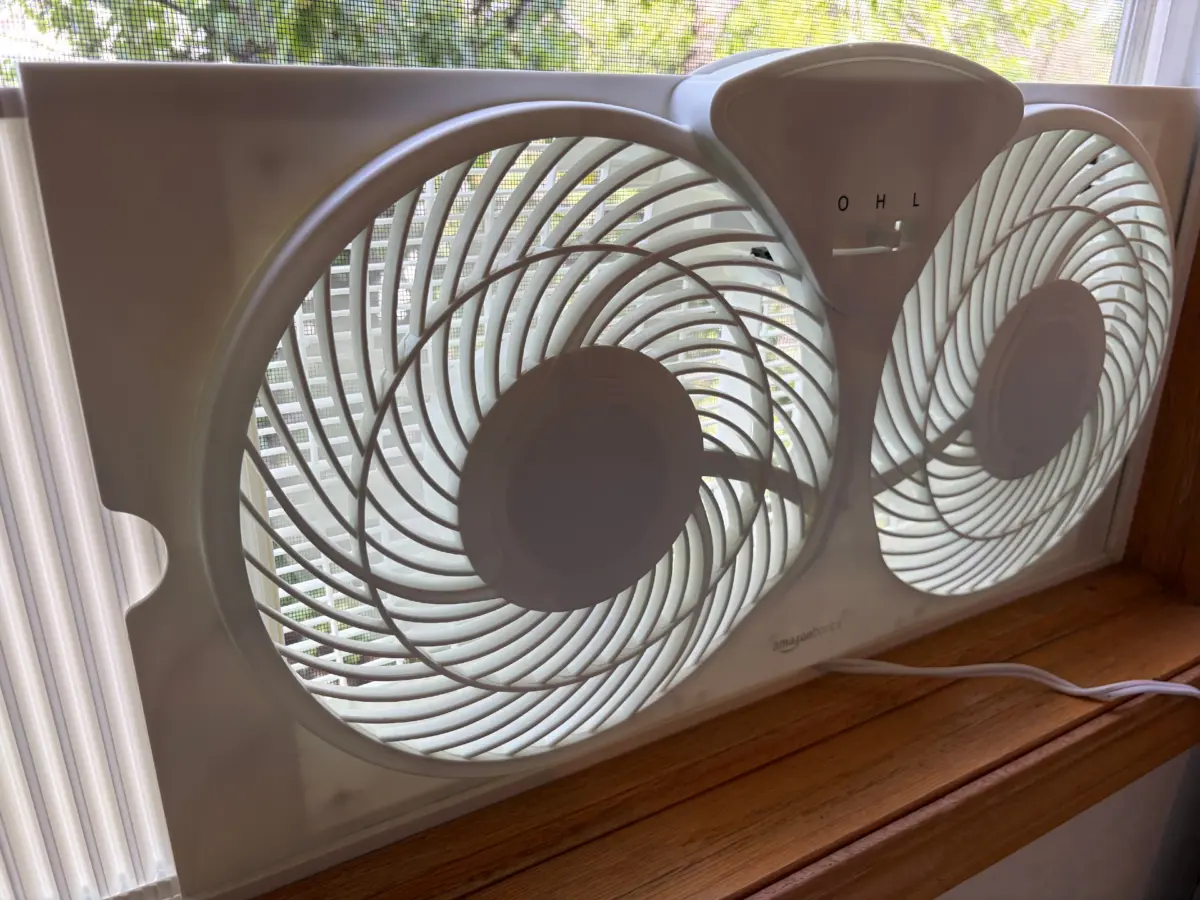
When summer temperatures soar and humidity levels spike, keeping indoor spaces comfortable without causing energy bills to skyrocket becomes a top priority for homeowners. While central air conditioning units and heavy-duty window ACs are effective at lowering indoor temperatures, they consume massive amounts of electricity. For milder days, overnight cooling, or supplemental airflow, nothing quite matches the efficiency, simplicity, and cost-effectiveness of a quality window fan.
Mounting neatly to the bottom of a typical window frame, these devices circulate stale indoor air and draw in fresh outdoor breezes. They consume a fraction of the electricity required by traditional cooling compressors, making them a staple of energy-conscious households. However, not all window fans are created equal. To help consumers navigate the crowded marketplace, product testing experts spent over 50 hours putting 10 highly rated window fans through rigorous hands-on evaluations, analyzing installation ease, airflow output, operational noise, and overall value.
Main Facts: What Makes a Quality Window Fan?
Window fans may seem like simple, low-tech appliances, but modern designs incorporate a surprising variety of features suited for specific cooling needs. Based on extensive, real-world testing by product reviewers Stacey L. Nash and Michelle Larson, the standout models excel in several key categories:
- Versatility: The top-performing Genesis A1 Window Fan earned the overall top spot thanks to its dual-purpose design. Utilizing accordion side panels, it mounts securely into standard double-hung windows, but it can also convert into a freestanding floor fan using included snap-on feet.
- Airflow Capacity (CFM): Measured in cubic feet per minute (CFM), airflow dictates how rapidly a fan can cycle air through a space. Units range from compact desktop-style fans pushing a few hundred CFM to heavy-duty whole-house exhaust fans like the Air King, which pumps out up to 3,560 CFM.
- Reversibility: Premium window fans feature independent or synchronized reversible airflow motors, allowing users to effortlessly switch between drawing cool outdoor air inward and exhausting hot indoor air or cooking odors outward.
- Energy Efficiency: Operating generally between 50 and 100 watts, window fans provide substantial cooling relief while using a tiny fraction of the electricity demanded by standard air conditioning systems.
Chronology and Testing Methodology: How the Evaluation Unfolded
The comprehensive testing process was designed to simulate months of typical household use under various climate and spatial conditions. Over a period of several weeks, testing specialists executed a structured protocol consisting of seven distinct performance evaluations.
Phase 1: Unboxing and Installation (Weeks 1–2)
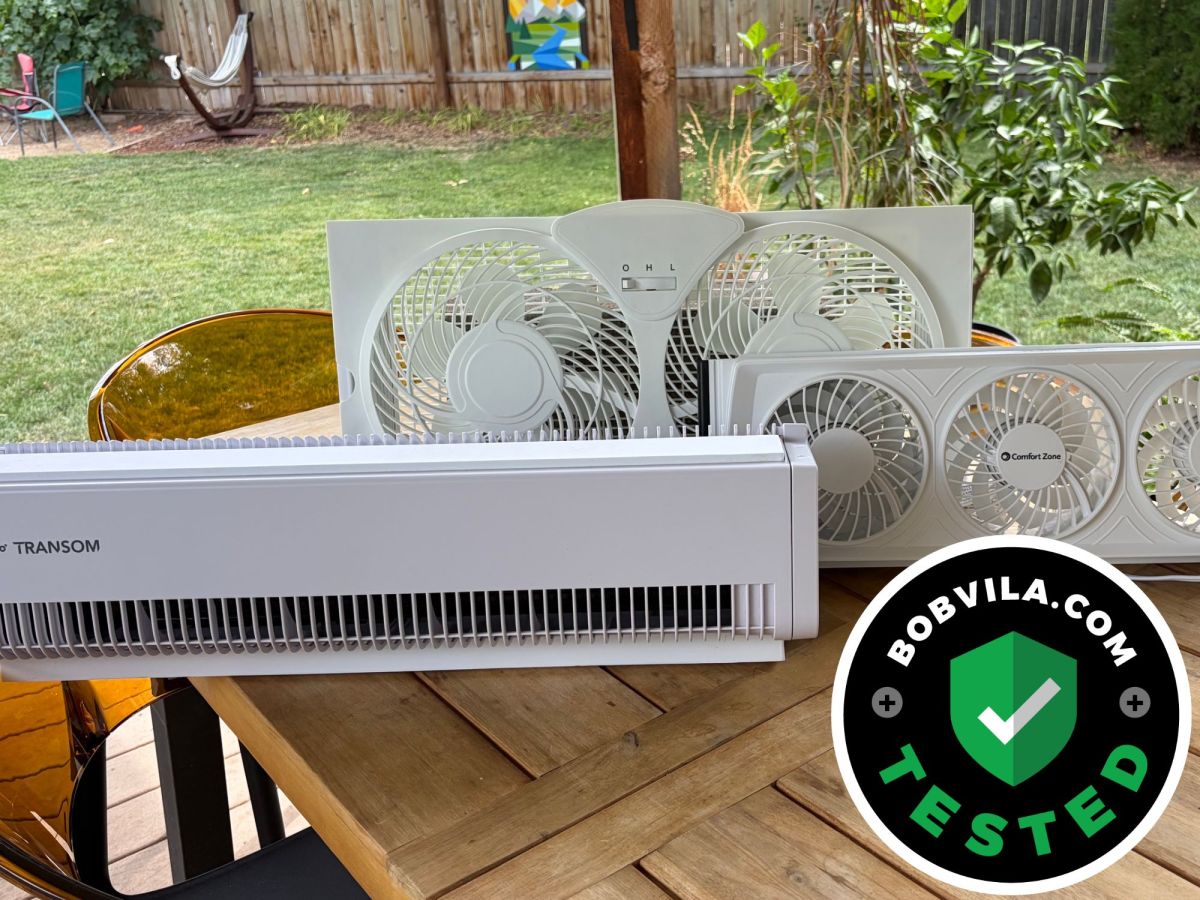
Testers evaluated how intuitively each fan could be integrated into standard household windows. This included measuring the stiffness of expanding accordion panels, checking the requirement for tools or hardware, and verifying whether windows could still be shut and locked with the units in place. Models like the Comfort Zone Twin Window Fan scored exceptionally high here, installing in under 5 minutes, while larger whole-house units like the Air King required two-person installations and manual screw-fastening.
Phase 2: Airflow and Cooling Trials (Weeks 3–4)
Each fan was installed in rooms ranging from 150 to over 2,300 square feet. Testers measured how effectively units could clear localized odors (such as kitchen smoke) and how rapidly they could draw down ambient room temperatures when evening outdoor temperatures dropped. Specialized trials also tested alternative placements, such as utilizing portable box fans and compact desk circulators on windowsills.
Phase 3: Acoustic and Feature Audits (Week 5)
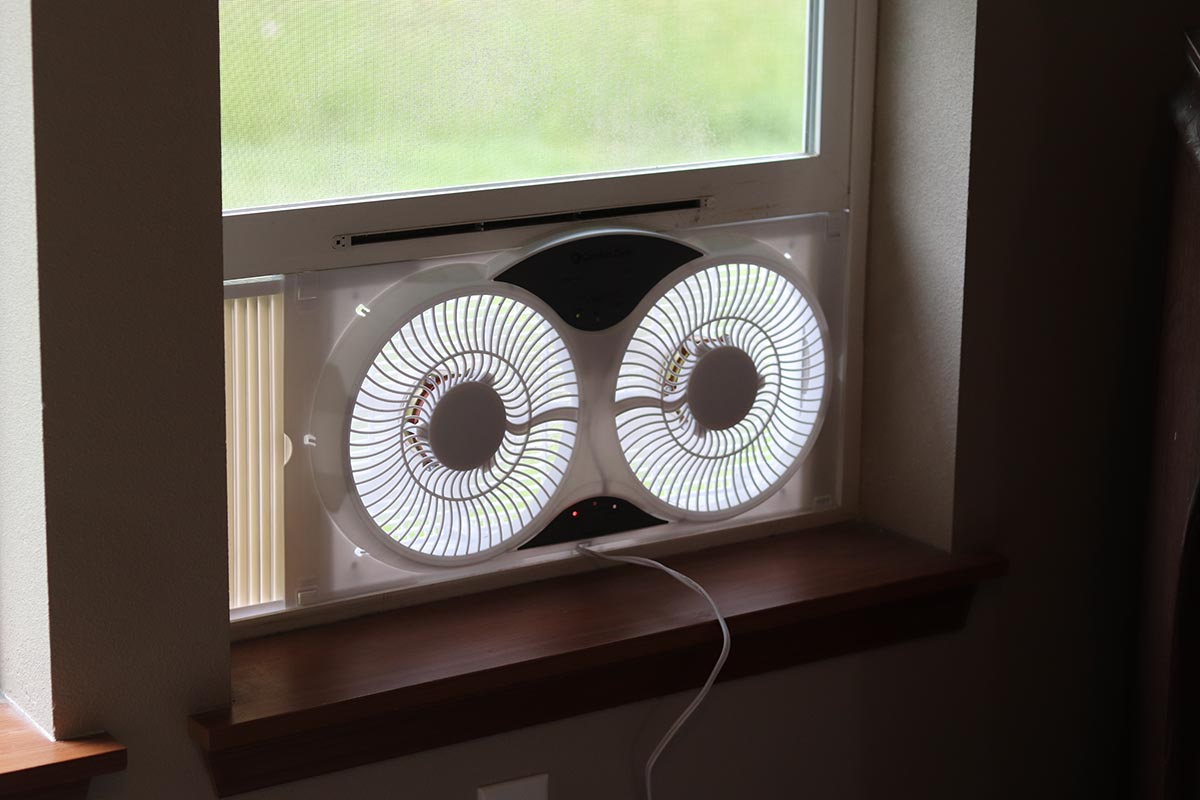
Decibel meters were used to track noise output across various speed settings. Testers noted that while high-speed settings on heavy-duty units could register as loud (exceeding 60 decibels), compact circulators like the Vornado Transom maintained an impressive whisper-quiet profile between 40 and 46 decibels. Additional features—such as integrated digital thermostats, remote controls, and automated shut-off timers—were tested for reliability and responsiveness.
Supporting Data and Expert Performance Scores
To establish an objective hierarchy, the testing team scored each shortlisted product across five core metrics: Installation, Air Circulation, Noise, Cleanability, and Value.
| Model | Category | Installation | Air Circulation | Noise Level | Cleanability | Overall Value |
|---|---|---|---|---|---|---|
| Genesis A1 | Best Overall | 4/5 | 4.5/5 | 3.5/5 | 4/5 | 4.3/5 |
| Amazon Basics Twin | Best Bang for Buck | 4.5/5 | 4/5 | 3.8/5 | 4.5/5 | 4.7/5 |
| Comfort Zone Twin | Best Twin Design | 5/5 | 3.5/5 | 3.5/5 | 4/5 | 2.7/5 |
| Comfort Zone Triple | Best Triple Design | 4/5 | 4/5 | 3.8/5 | 4/5 | 4.7/5 |
| Vornado Transom | Best Quiet Operation | 4.5/5 | 4.3/5 | 4.5/5 | 3.5/5 | 4.3/5 |
| Air King Whole House | Best Whole House | 3/5 | 5/5 | 2.5/5 | 4.5/5 | 4.7/5 |
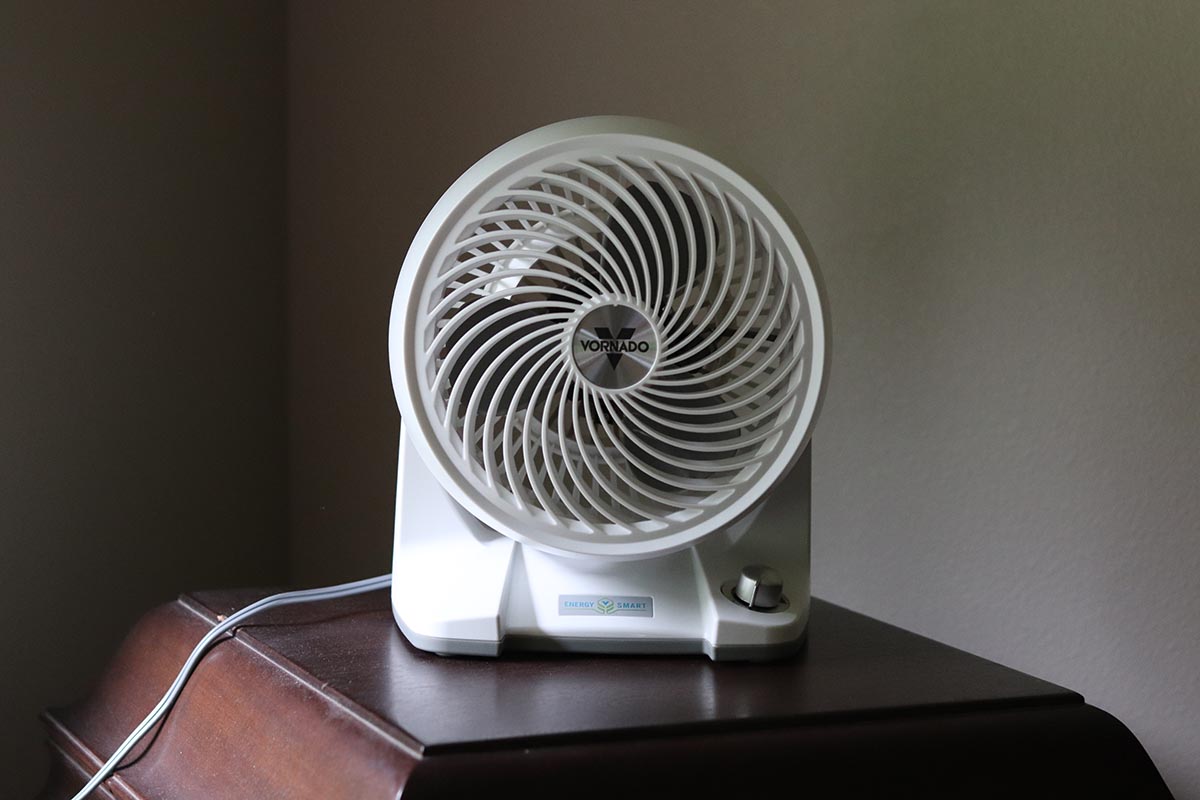
| Vornado Energy Smart | Best Compact | 5/5 | 5/5 | 3.5/5 | 3.5/5 | 5/5 |
| Treva Portable Battery | Best Portable | 5/5 | 3/5 | 4.5/5 | 4.5/5 | 3.5/5 |
Detailed Breakdown of Top Contenders
- Genesis A1 Window Fan (Best Overall): Praised for its flexibility, this dual-fan model features independent intake/exhaust toggles for each side, an automated thermostat, and detachable feet for standalone use. Testers noted minor complaints regarding stiff accordion panels and a lightweight plastic build, but praised its "set-it-and-forget-it" automated thermostat performance.
- Amazon Basics Twin Window Fan (Best Value): Delivering reliable operation through a copper motor, this budget-friendly unit expands from 25 to 32 inches. While it lacks luxury features like a digital thermostat or remote, its continuous operation and included support feet make it a dependable workhorse.
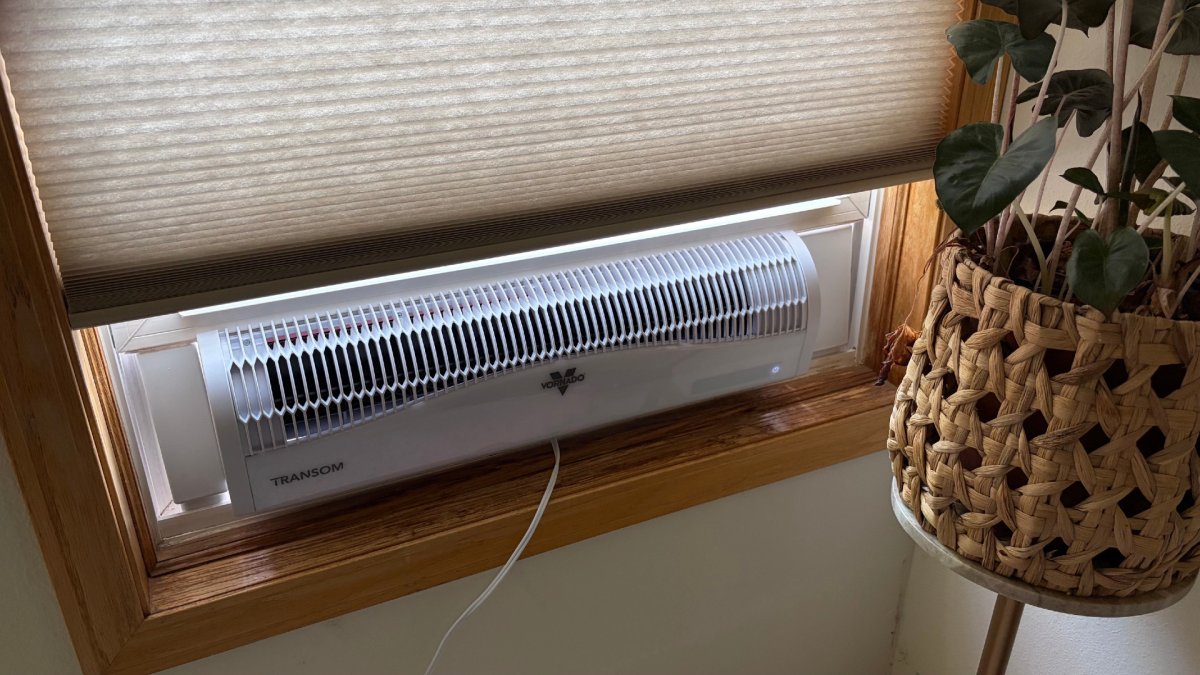
- Vornado Transom Air Circulator (Quietest Operation): Utilizing advanced aerodynamics to push 1,315 CFM, the Transom operates at an ultra-low 40 to 46 decibels. Its sleek, low-profile case preserves outdoor views, and its digital touch panel supports effortless electronic reversibility.
- Air King Whole House Window Fan (Maximum Power): Designed for homes struggling with severe heat or lingering odors, this heavy-duty unit moves up to 3,560 CFM and can effectively cool spaces exceeding 1,300 square feet. Though heavy, loud, and requiring screw-in installation, its raw power is unmatched.
Official Industry Insights and Manufacturer Guidance
When selecting and operating a window fan, industry manufacturers and home efficiency experts emphasize several operational best practices to maximize safety and longevity.
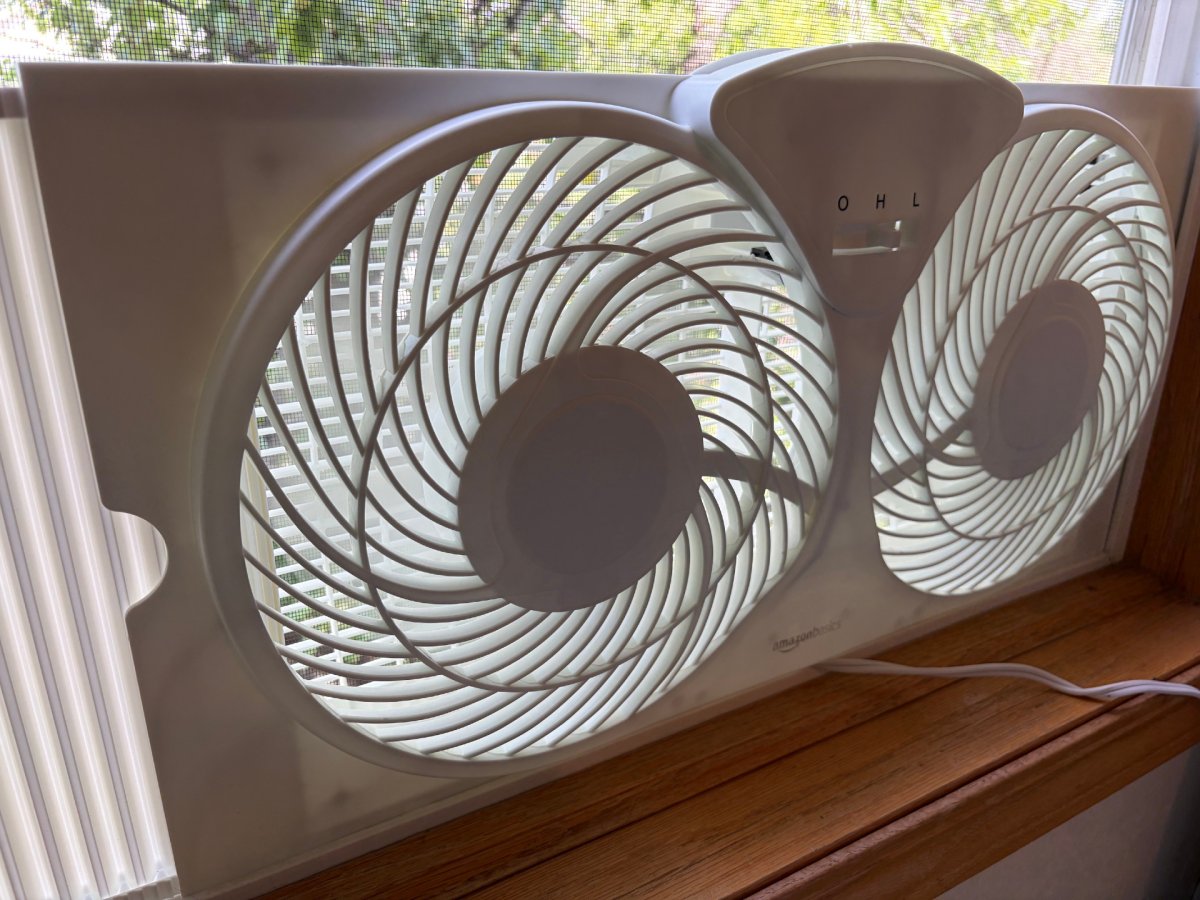
According to consumer safety guidelines, homeowners must ensure that window fans fit snugly within the window frame. Gaps left around the edges not only reduce cooling efficiency by allowing conditioned air to escape, but they also create potential entry points for insects and moisture during rainstorms. Most quality manufacturers supply sliding plastic side panels, foam weather stripping, or adjustable accordions to bridge these gaps securely.
Furthermore, electrical safety remains paramount. Because window fans operate near window sills where condensation or wind-driven rain can occasionally occur, units should be plugged directly into grounded, surge-protected wall outlets rather than overloaded extension cords.
Implications: Energy Savings, Home Comfort, and Health
The widespread adoption of window fans carries significant financial and environmental implications for residential households.
Sashing the Electric Bill
The primary driver behind the popularity of window fans is economic. Central air conditioning systems and window AC compressors generally consume anywhere from 500 to 1,500 watts (or more) per hour of continuous operation. In contrast, standard window fans draw between 50 and 100 watts. By utilizing a window fan during cool summer evenings to draw refreshing outdoor air directly into bedrooms, homeowners can delay or entirely eliminate the need to run energy-intensive air conditioning systems during peak billing hours.
Indoor Air Quality (IAQ) and Ventilation
Beyond thermal comfort, window fans play a critical role in maintaining healthy indoor air quality. Modern homes are built tightly sealed for energy conservation, which can trap volatile organic compounds (VOCs), cooking particulate matter, pet dander, and stale air indoors. Utilizing a window fan in exhaust mode effectively flushes out polluted air and unpleasant household odors within minutes, dramatically accelerating natural home ventilation without the need for complex mechanical air-exchange systems.
Strategic Placement for Optimal Results
To maximize these implications, airflow direction must match environmental conditions:
- Intake Mode: Position the fan in a window on the coolest, shaded side of the house during the evening or early morning to actively push refreshing outdoor breezes inside.
- Exhaust Mode: Position the fan in a window on the warm, sun-exposed side of the home—or directly in the kitchen during meal preparation—to force trapped heat and cooking humidity outward.
By understanding these principles, choosing the right equipment based on rigorous hands-on testing data, and operating units strategically, homeowners can enjoy a cooler, fresher living space while keeping utility costs firmly under control.
