

By Construction Dive Staff & Industry Reporting
Published September 24, 2026
Main Facts
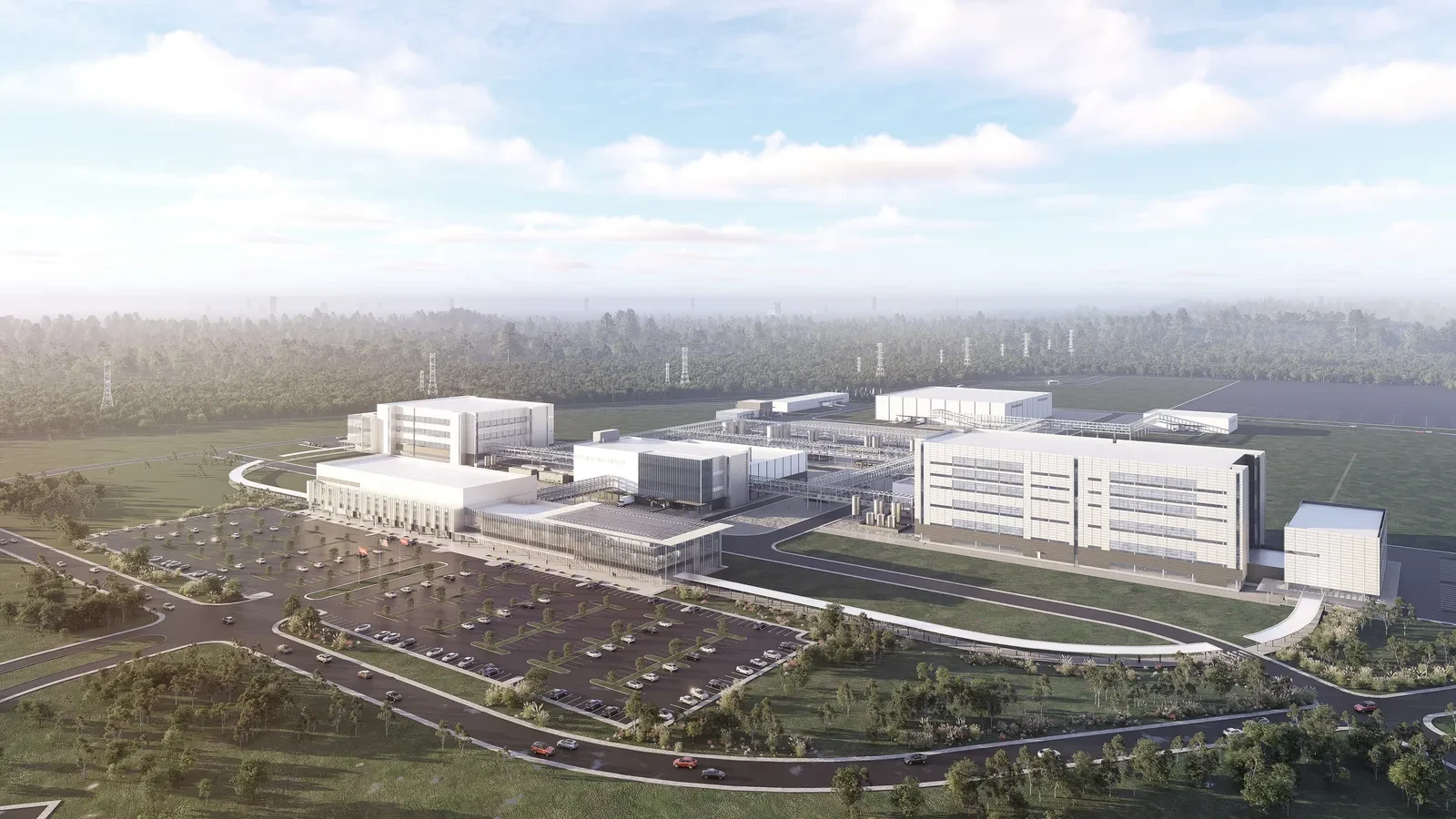
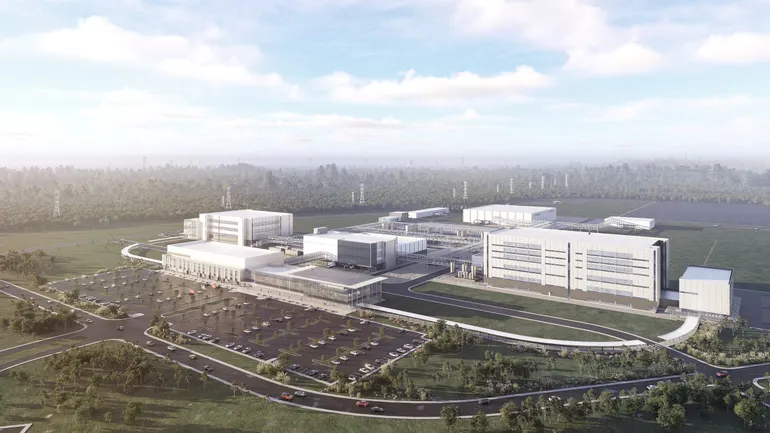
In a landmark development for American pharmaceutical manufacturing, Reston, Virginia-headquartered general contractor Bechtel is lending its specialized expertise to one of the largest industrial construction projects in the United States. Recent job postings and corporate disclosures reveal that Bechtel’s advanced manufacturing and technology business unit is actively supporting the engineering, procurement, and construction (EPC) lifecycle for Eli Lilly and Company’s sprawling $6.5 billion pharmaceutical manufacturing facility in Houston, Texas.
The monumental project represents a cornerstone in Eli Lilly’s ongoing strategy to massively scale its domestic production capabilities. Spanning a massive footprint, the Houston plant is engineered to serve as a high-tech powerhouse for producing active pharmaceutical ingredients (APIs) for cutting-edge medications. Most notably, the facility will manufacture APIs for Foundayo, Eli Lilly’s pioneering synthetic oral GLP-1 weight-loss drug, alongside a diverse portfolio of small-molecule medicines and advanced therapeutics.
Rather than relying on traditional manufacturing layouts, the Houston facility is being built as a "smart factory" of the future. The design integrates state-of-the-art automation, machine learning algorithms, artificial intelligence (AI), digitally integrated process systems, and advanced data analytics. By embedding digital automation deeply into every phase of the construction and operational lifecycle, Eli Lilly aims to drastically streamline supply chain throughput, eliminate operational bottlenecks, and maintain uncompromising quality control standards for life-saving therapeutics bound for domestic and international markets.
Chronology of Expansion: Eli Lilly’s Multibillion-Dollar Pipeline
The Houston groundbreaking does not stand as an isolated investment; rather, it is the latest in an aggressive, multi-year, multibillion-dollar capital expenditure campaign launched by Eli Lilly to fundamentally reshape its global manufacturing footprint. The timeline of this unprecedented domestic expansion highlights the scale of the company’s ambition:
- Late 2023 to Early 2024 (Foundational Investments): Eli Lilly begins aggressively securing land and initiating engineering studies for several mega-sites across the U.S., focusing on localized supply chains to protect against global logistics disruptions.
- September 2025: Eli Lilly officially announces a monumental $5 billion manufacturing facility located outside of Richmond, Virginia. This specific site is slated to focus heavily on the production of next-generation cancer therapies and advanced autoimmune disease treatments.
- December 2025: Continuing its aggressive push into high-demand therapeutic areas, the company unveils plans for a $6 billion manufacturing plant in Huntsville, Alabama. Designed to address the skyrocketing global demand for metabolic treatments, this facility targets the production of weight-loss medications and foundational pharmaceutical ingredients.
- Throughout 2026: Concurrently, development advances across other critical regional hubs, including Lebanon, Indiana; Concord, North Carolina; Kenosha, Wisconsin; and Lehigh Valley, Pennsylvania.
- September 24, 2026: The official groundbreaking takes place in Houston, Texas, cementing Bechtel’s involvement and adding another $6.5 billion project to the pharmaceutical giant’s active pipeline.
Supporting Data and Technical Specifications
To comprehend the sheer magnitude of the Houston facility, one must examine the metrics driving modern pharmaceutical construction. Mega-projects of this scale require intricate coordination between civil engineers, specialized mechanical contractors, and advanced automation technicians.
Project Overview Table
- Total Capital Investment: $6.5 Billion
- General Contractor / Engineering Support: Bechtel (Manufacturing and Technology Business Unit)
- Primary Location: Houston, Texas
- Core Products: Active Pharmaceutical Ingredients (APIs) for Foundayo (oral GLP-1 weight-loss drug), small-molecule medicines, and advanced therapeutics.
- Technological Integration: Machine Learning, Artificial Intelligence (AI), Digitally Integrated Systems, and Advanced Data Analytics.
- Strategic Initiative: "Medicines Made in America" supply chain localization.
The Rise of Smart Pharmaceutical Construction
Modern pharmaceutical plants are no longer characterized solely by stainless steel piping and cleanrooms; they are data-driven ecosystems. Bechtel’s integration into the Houston project underscores the heavy reliance on sophisticated engineering firms capable of managing "Industrie 4.0" building standards.
Building a facility capable of producing synthetic oral peptides and small molecules requires cleanroom environments with hyper-precise HVAC specifications, sterile barrier isolation technology, and continuous real-time environmental monitoring. By deploying machine learning models during the construction phase—such as digital twins—project teams can simulate mechanical, electrical, and plumbing (MEP) clashes long before physical installation, thereby reducing expensive change orders and keeping the fast-track schedule on target.
Official Responses and Industry Perspectives
The announcement of the Houston groundbreaking has drawn widespread praise from corporate leadership, highlighting a unified national push toward localized biopharmaceutical independence.
Addressing stakeholders and local leaders during the official unveiling, Eli Lilly Chair and CEO David Ricks emphasized the broader geopolitical and economic significance of the initiative:

"We are thrilled to break ground on our latest ‘medicines made in America’ site in the great state of Texas," said Ricks. "We will make and ship Lilly’s latest products from Texas to people here at home and around the world."
The sentiment is echoed by industrial construction analysts, who point out that the post-pandemic landscape has permanently altered how pharmaceutical companies evaluate site selection. Rather than concentrating production in overseas hubs vulnerable to geopolitical friction and cargo bottlenecks, industry leaders are aggressively moving toward domestic hubs equipped with redundant infrastructure, robust local talent pools, and pro-business regulatory environments.
Furthermore, engineering executives note that partnerships between pharmaceutical owners and premier global contractors like Bechtel are critical. Managing multi-billion-dollar projects in a high-inflation, labor-constrained market requires predictable cost-modeling, advanced modular prefabrication techniques, and stringent safety protocols—all hallmarks of Bechtel’s global manufacturing practice.
Economic, Healthcare, and Strategic Implications
The ripple effects of the Houston facility extend far beyond the immediate construction sector, touching regional economics, the future of weight-loss therapeutics, and global healthcare resilience.
1. Economic Boom for the Greater Houston Region
The infusion of $6.5 billion in capital investment into the Houston metropolitan area serves as a major boon for the regional economy. During the peak of construction, the project will generate thousands of specialized trade jobs—spanning electricians, pipefitters, ironworkers, instrumentation technicians, and project managers. Once operational, the facility will employ hundreds of highly skilled permanent workers, including chemical engineers, biotechnologists, quality assurance specialists, and data scientists. This influx is expected to spur secondary growth in local housing, hospitality, transportation, and educational partnerships aimed at training the next generation of biomanufacturing professionals.

2. Addressing the Global GLP-1 Supply Crunch
The primary driver behind Lilly’s massive capital expenditure is the unprecedented, global explosion in demand for incretin-based therapies, particularly GLP-1 receptor agonists utilized for type-2 diabetes and chronic weight management. Medications like Foundayo represent a paradigm shift in metabolic care. However, historical bottlenecks in active pharmaceutical ingredient (API) production have severely constrained market availability. By establishing dedicated, automated mega-factories in Houston and Huntsville, Eli Lilly is systematically removing structural supply ceilings, ensuring that patients suffering from obesity and related metabolic conditions can reliably access life-changing therapies.
3. Strengthening National Health Security
The "Medicines Made in America" ethos championed by Eli Lilly is part of a broader national security imperative. Pharmaceuticals are increasingly viewed through a strategic lens; relying on single-source foreign supply chains for essential APIs and small-molecule drugs poses an unacceptable risk to public health during international crises, pandemics, or trade disputes. By anchoring complex chemical and biological manufacturing stateside—supported by advanced digital automation that maximizes efficiency—the U.S. solidifies its position as a self-sustaining medical superpower.
4. The Future of Smart Mega-Projects
For the construction industry, the Houston project serves as a masterclass in modern mega-project execution. The integration of artificial intelligence and machine learning not only optimizes the internal operations of the plant once finished, but also revolutionizes how Bechtel and other tier-one contractors design and execute complex builds. Predictive maintenance algorithms, automated quality validation, and paperless digital handovers are rapidly transitioning from experimental concepts to mandatory baseline requirements in pharmaceutical engineering.
As steel rises from the Texas soil and digital frameworks are coded into the facility’s core, the Houston plant stands as a monument to the convergence of heavy industrial construction, advanced digital technology, and modern life sciences. With Bechtel steering the build and Eli Lilly spearheading the therapeutic innovation, this $6.5 billion undertaking is poised to reshape the landscape of American manufacturing for decades to come.
