

By the Homes & Gardens Interior Design Desk
Main Facts: The Evolution of High-End Interiors
The era of hyper-minimalist, monochromatic "quiet luxury" is officially drawing to a close. As homeowners and designers look ahead to the coming years, the prevailing design philosophy is undergoing a fundamental shift. Rather than reverting to the stuffy, overly opulent glamour of decades past, contemporary interior design is embracing a sophisticated, "in-between" approach. This emerging aesthetic honors the timeless beauty of high-end, statement materials—such as veined marble, glittering crystal, and polished gilding—while firmly grounding them in real-life practicality, emotional resonance, and lived-in comfort.
This design evolution is part of a broader movement toward "emotional luxury," a concept championed by leading tastemakers who argue that a home should evoke a sensory response rather than merely project wealth. To successfully master this high-end aesthetic, designers are turning to historical blueprints that effortlessly bridge the gap between grandeur and approachability.
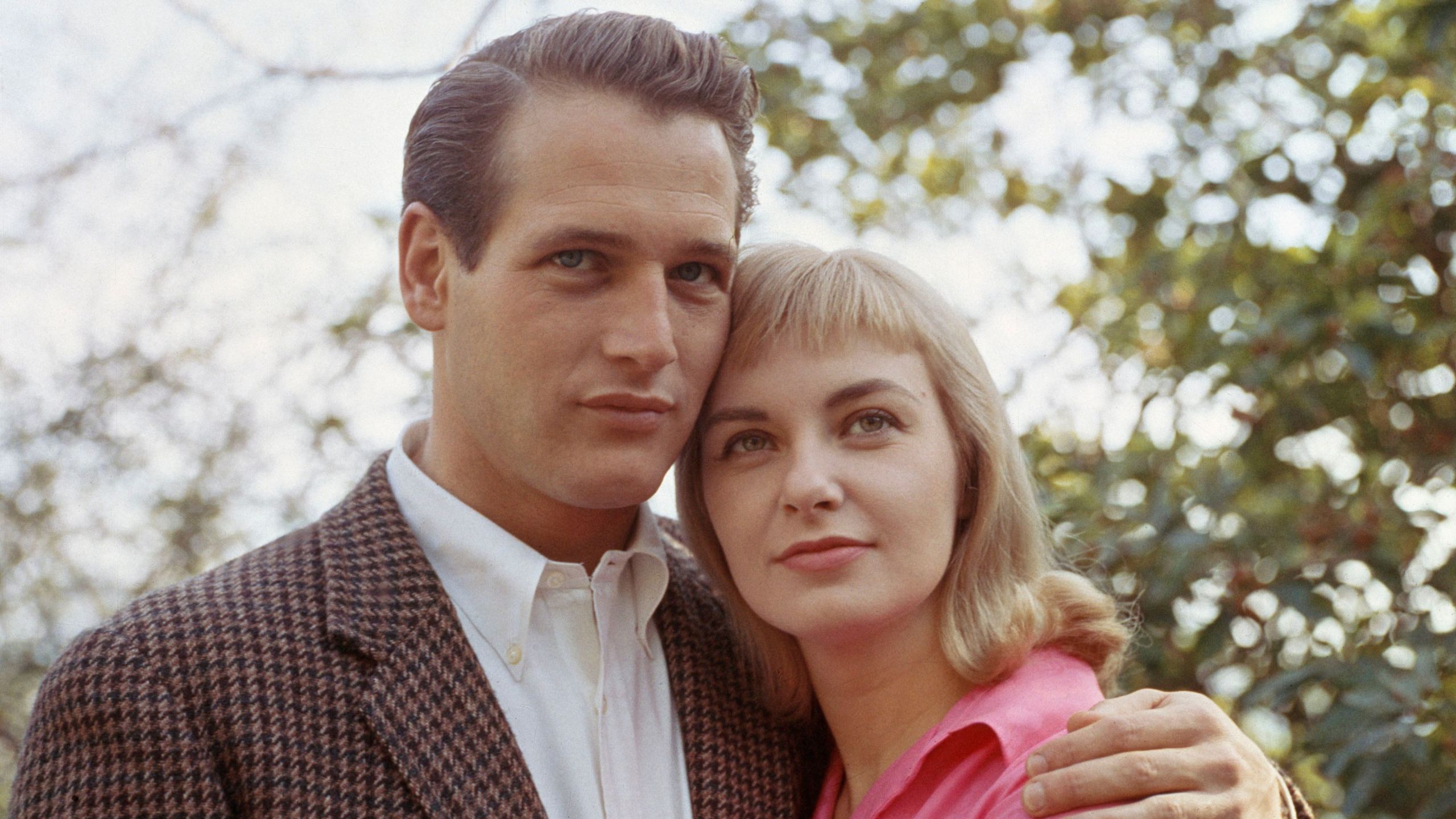
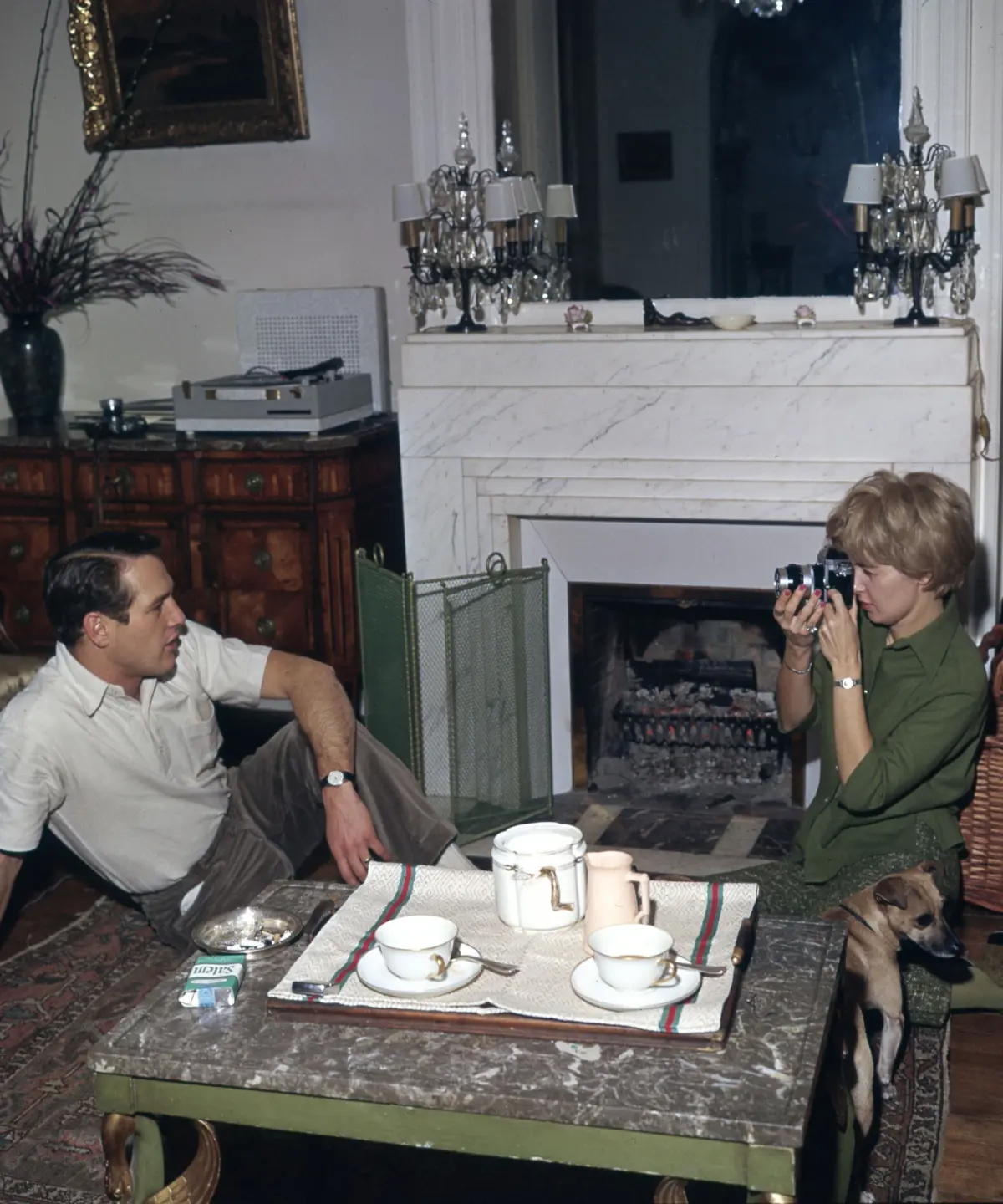
Chief among these inspirations is the Parisian living room shared by legendary Hollywood actors Paul Newman and Joanne Woodward during the early 1960s. Their understated yet striking Francophile apartment provides an exceptional framework for modern living, proving that true elegance lies in the art of contrast. By pairing opulent European antiques with earthy, tactile everyday elements, Newman and Woodward created a space that feels just as fresh, relevant, and inspiring today as it did over six decades ago.
Chronology: A Timeless Aesthetic Rooted in 1960s Paris
To understand the enduring relevance of this design philosophy, one must look back to a pivotal moment in the personal and professional lives of two cinematic icons.
- 1960–1961 (The Parisian Interlude): Paul Newman and Joanne Woodward temporarily relocated to the French capital while Newman was filming the classic drama Paris Blues. During this period, the couple leased a classic Parisian apartment that would inadvertently become a masterclass in transatlantic interior styling.
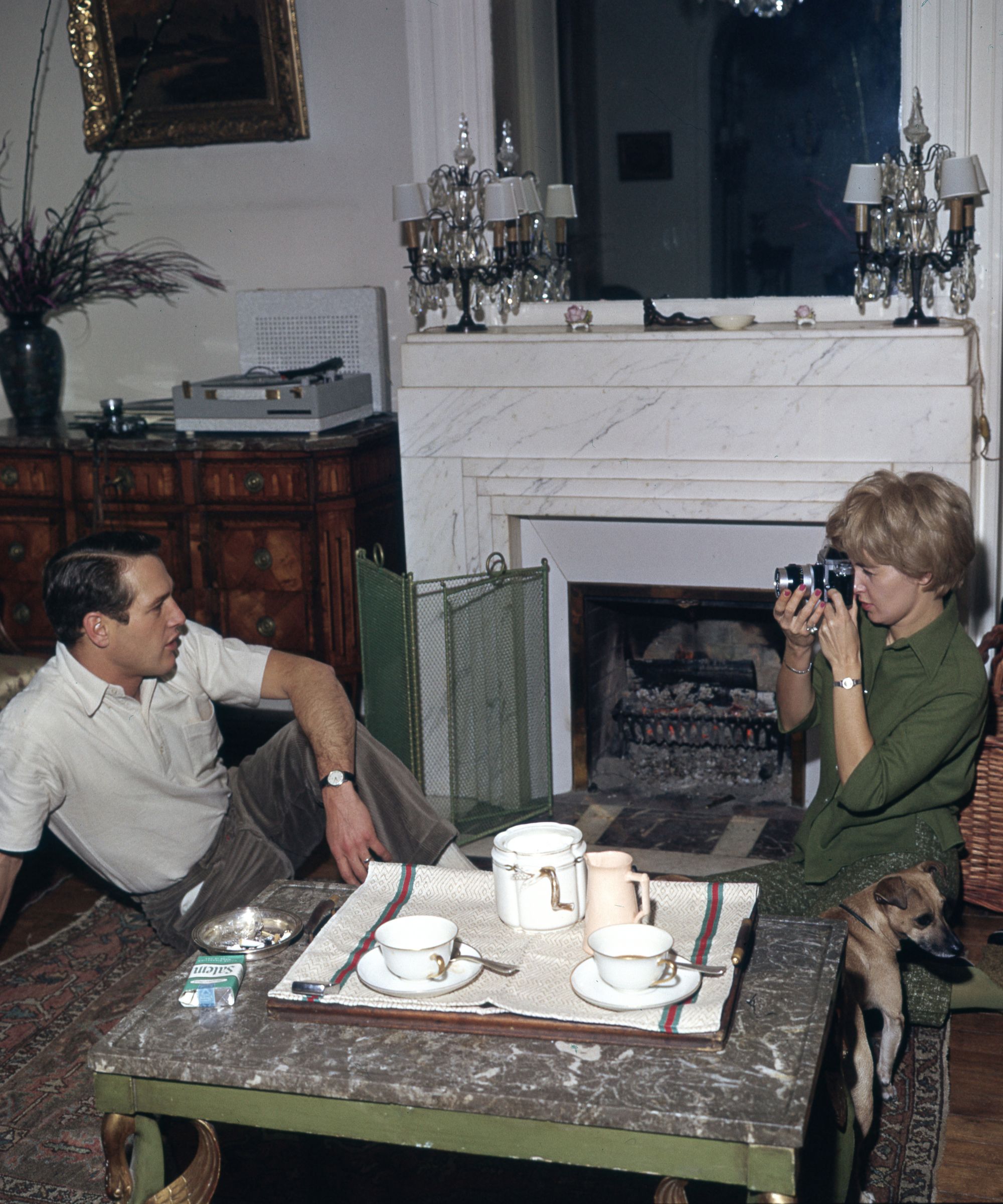
- The Original Composition: Photographed during their stay—most famously by Leo Fuchs—the apartment’s living room showcased a delicate balance of classical French architecture and American comfort. It featured high-end, ornate accents like a gilded mirror and crystal details, which were casually juxtaposed against organic stoneware, rich wood furnishings, and humble woven baskets.
- Decades of Influence (1960s–2010s): Throughout the late 20th century, interior design swung through various pendulum shifts—from the bold, saturated colors of the 1970s to the stark minimalism of the 1990s and the neutral, beige-heavy "quiet luxury" movement of the early 2020s. Yet, the effortless layering seen in Newman and Woodward’s flat remained a quiet benchmark for eclectic, sophisticated taste.
- The Present Day (The Rise of Liveable Luxury): As homeowners experience fatigue from sterile, beige-dominated minimalist interiors, design historians and celebrity style experts have revisited archival photographs of the Newman-Woodward apartment. This renewed interest has sparked a broader trend toward tactile, emotionally driven spaces that prioritize personal storytelling over showroom perfection.
Supporting Data: Materiality, Contrast, and the Shift Away from Beige
The transition away from quiet luxury is driven by a collective desire for warmth, texture, and individuality in the home. According to recent interior design metrics and trend forecasts, spaces featuring mixed materials and rich color palettes have seen a massive surge in consumer interest.
The Power of Textural Contrast
Design experts emphasize that the secret to avoiding a cold, museum-like interior lies in material juxtaposition. When working with high-end statement pieces, the surrounding environment must provide a counterbalance.
- Grounding Elements: Natural wood grains, woven textiles, and rugged stoneware act as visual anchors. As Megan Slack, design expert and head of Celebrity Style at Homes & Gardens, notes: "The natural grain of fabric is a wonderful option for grounding luxe materials like marble and gild."
- Architectural Warmth: Wooden sideboards, vintage record consoles, and patterned rugs introduce an approachable, down-to-earth personality that keeps grand architectural features—such as ornate fireplaces and tall ceilings—feeling intimate and inhabitable.
Escaping the "Beige Bubble"
For years, quiet luxury dominated interior trends with its safe, monochromatic palette of creams, taupes, and soft grays. However, designers are now urging clients to embrace intentional pops of color to foster emotional connection.
- The Role of Color: Introducing rich hues—such as the deep greens, terracotta oranges, and coral tones seen in mid-century and traditional eclectic spaces—breaks the monotony of neutral rooms.
- Expert Insight: Design expert Graeme Smith explains, "A well-chosen color scheme provides a versatile foundation that allows your personal style to shine through, while also creating a calm and inviting atmosphere."
Official Perspectives and Expert Responses
Leading voices in the interior design community have weighed heavily on this cultural shift toward emotional, liveable luxury, noting that homes must reflect the multifaceted lives of the people who inhabit them.
"The new luxury is entirely about incorporating pieces that feel emotional and evoke a sensory response," notes design specialist Zoe Feldman. Rather than curating a space strictly for visual perfection, modern homeowners are seeking out items that tell a story, spark nostalgia, or engage multiple senses through texture, sound, and scent.
Furthermore, industry analysts point out that consumer spending habits have pivoted toward longevity and versatility. Instead of complete, fast-trend overhauls, buyers are investing in timeless statement pieces—such as ornate mirrors, artisan-crafted ceramics, and high-quality wooden furniture—that can transition seamlessly across changing design cycles. The focus has shifted from how expensive a room looks to how alive it feels.
Implications: How to Recreate Paul and Joanne’s Look at Home
Translating this historic Parisian aesthetic into a modern contemporary home does not require a sprawling European flat. By strategically blending opulent accents with practical, tactile home furnishings, anyone can achieve this balanced high-end look.
1. Anchor with Natural Wood and Retro Touches
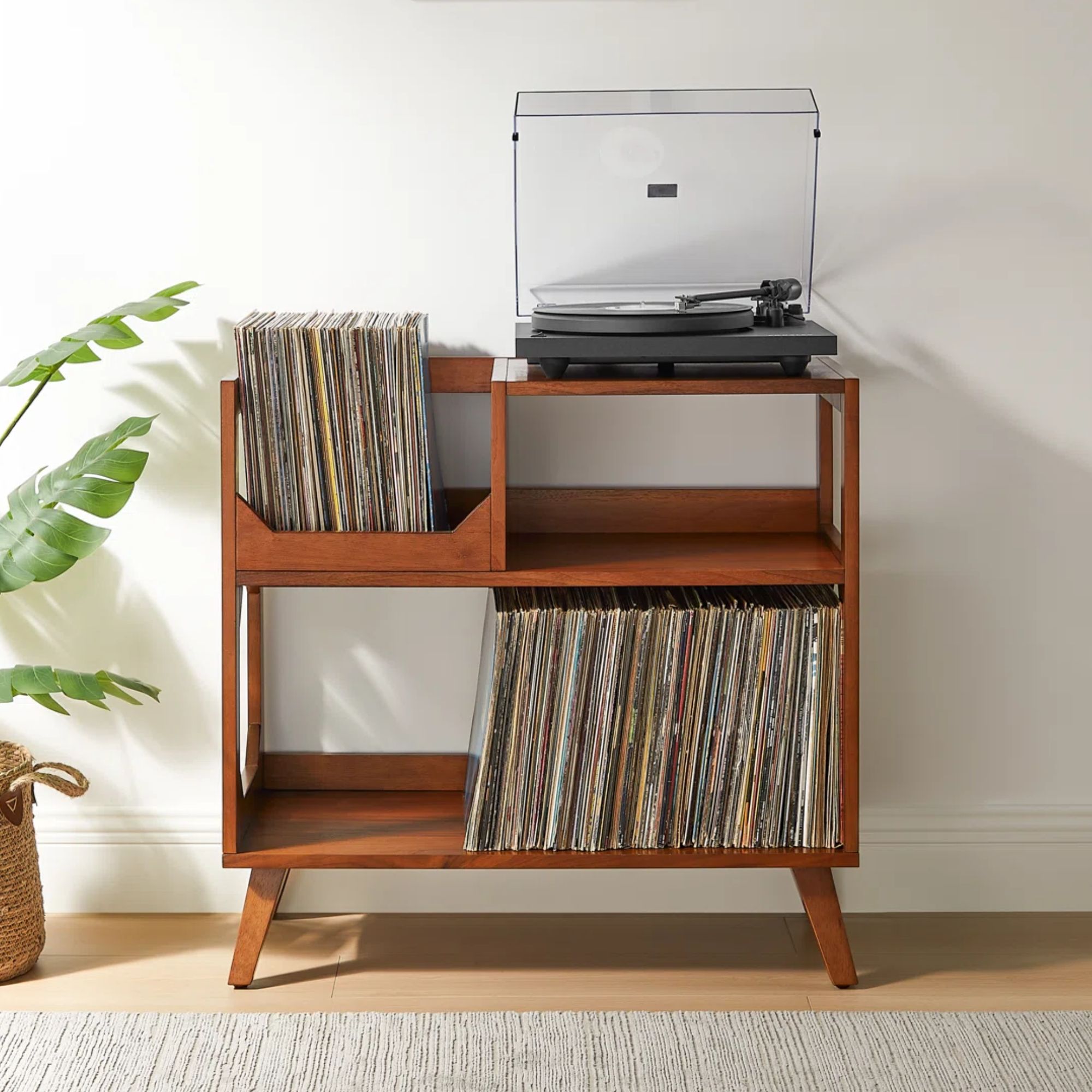
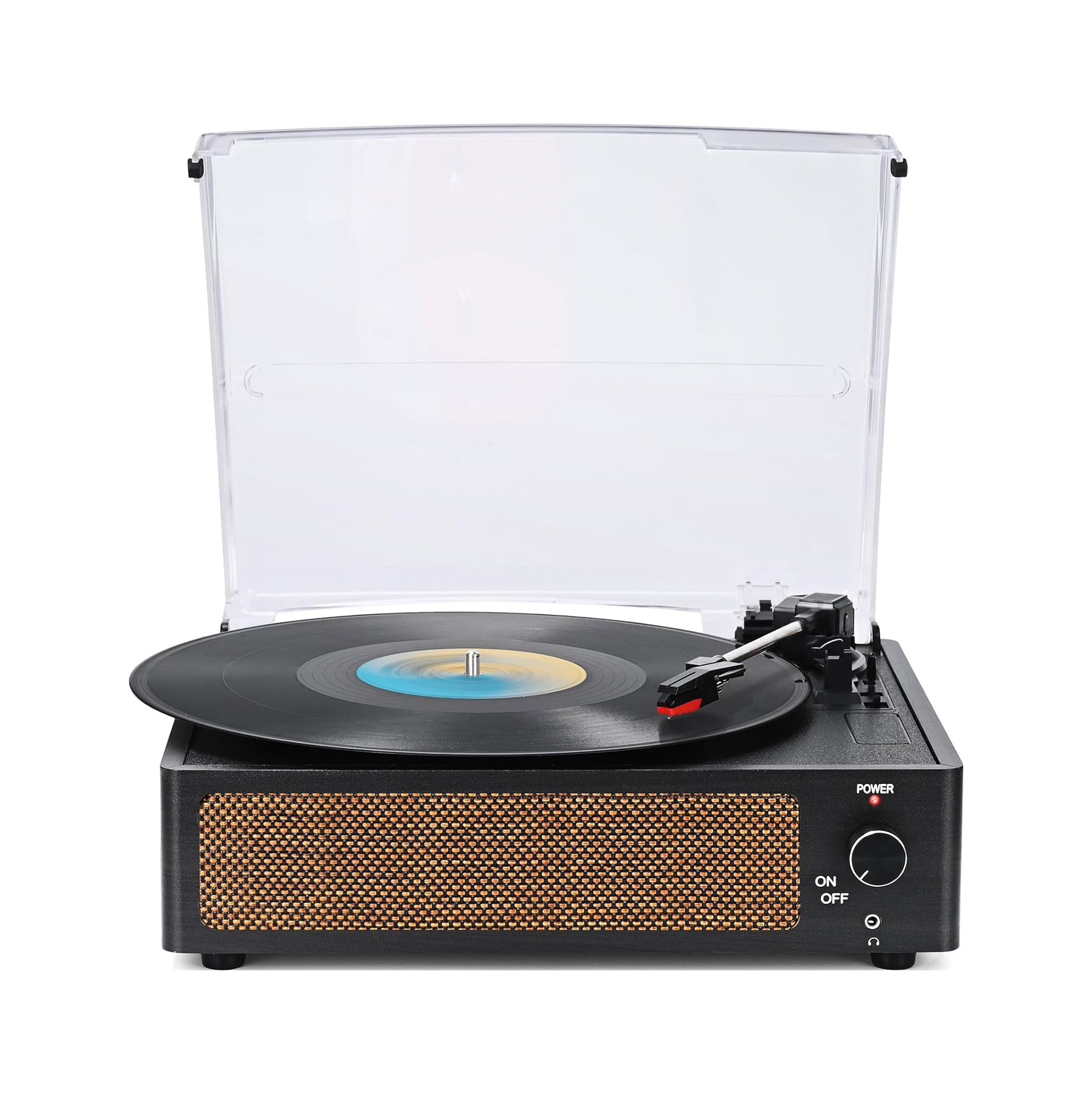
To replicate the grounding effect of Newman and Woodward’s living room, incorporate mid-century wooden media consoles or record storage units. Pairing a natural wood finish with statement marble or gilded decor immediately diffuses any sense of pretension. Adding a vintage-inspired vinyl record player not only introduces a rich audio-sensory element to the space but also adds instant character.
2. Play with Scale and Reflection
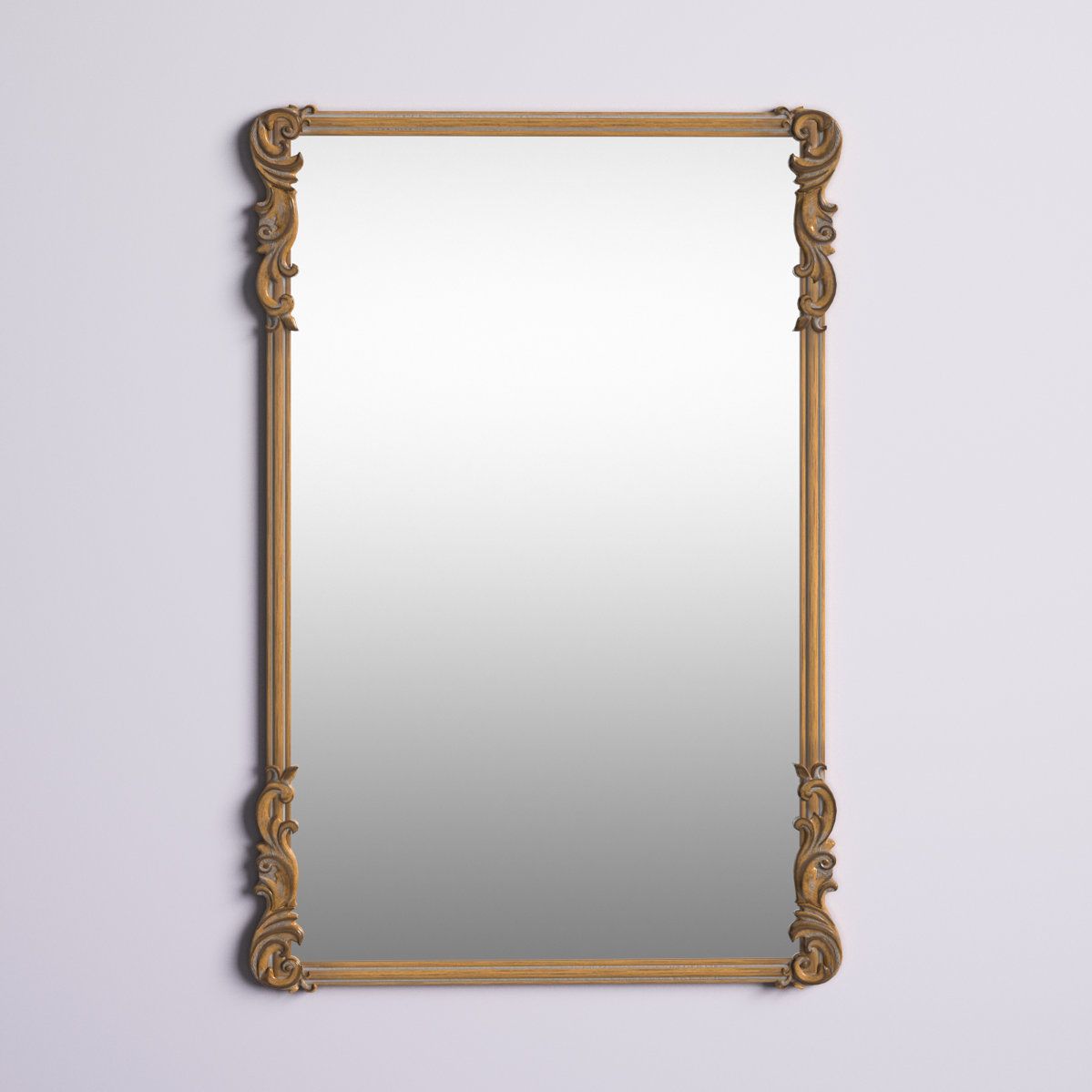
French interior design relies heavily on light and reflection to maximize space and elegance. Hang a gold-rimmed vanity mirror with an ornate, intricate frame to create a timeless focal point that amplifies natural light and makes smaller rooms feel expansive.
3. Layer Ornate Textures and Washable Rugs
Persian-style and heritage-inspired rugs bring an instant layer of history and warmth to hardwood floors. Modern innovations—such as durable, washable rugs in rich terracotta, coral, or sunset hues—allow homeowners to achieve the storied, bohemian-luxe look of a Parisian salon without sacrificing modern convenience.
4. Sculptural Ceramics and Ambient Lighting
Complete the vignette by styling sideboards and fireplace mantels with sculptural table vases boasting organic curves and dark, moody finishes. Complement these with candle wall lights or raindrop-style wall sconces, which offer the romantic glamour of a crystal chandelier while providing soft, flattering ambient illumination.
By embracing this balanced approach—where high-end glamour meets everyday livability—homeowners can step out of the sterile minimalist mold and into a space defined by warmth, history, and deeply personal luxury.
