LOS ANGELES — In the cyclical world of interior design, yesterday’s nostalgia is today’s cutting-edge aesthetic. As homeowners increasingly look backward to chart the course for modern decor, a wave of 1990s trends has returned to residential spaces with a vengeance. From honey-oak cabinetry and glass-fronted display panels to open shelving and industrial appliances, the design markers of the late 20th century are experiencing a massive renaissance.
Among these returning motifs, none has proven quite as chic, versatile, or enduringly stylish as the checkerboard tile. Once a hallmark of eclectic suburban homes and relaxed celebrity estates, the two-toned geometric pattern has re-emerged as the definitive statement piece for contemporary kitchens.
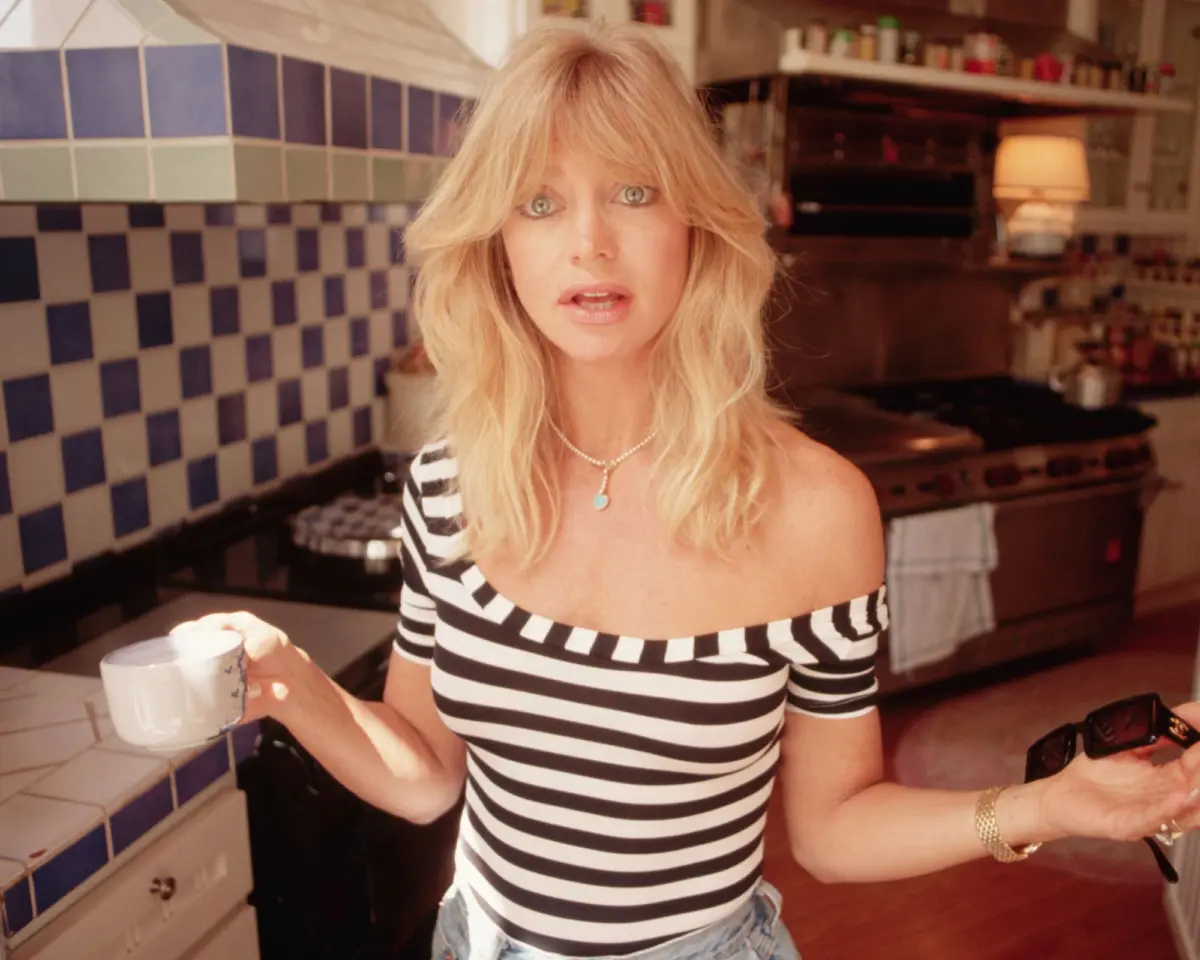
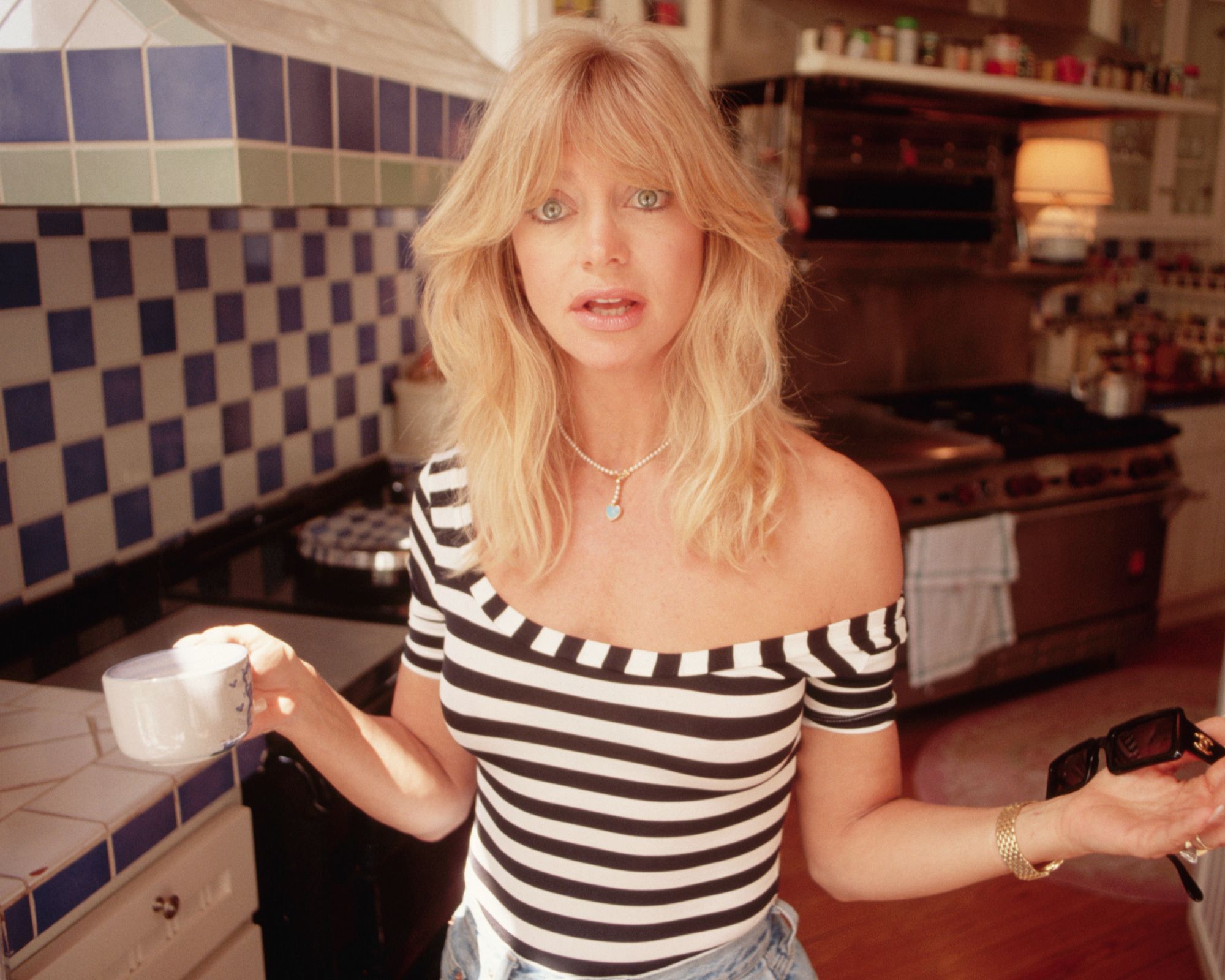
To understand the roots of this sweeping design movement, interior historians and trend forecasters are pointing back more than three decades to a sun-drenched Los Angeles kitchen belonging to Hollywood icon Goldie Hawn.
Main Facts: The Timeless Appeal of the Checkerboard Pattern
The resurgence of the checkerboard trend is not merely a passing social media fad; it represents a fundamental shift in how designers balance visual structure with practical living. Defined by alternating squares of contrasting colors—most traditionally blue-and-white, black-and-white, or earthy terracotta and cream—the pattern possesses a unique capacity to anchor a space without overwhelming it.
In 2026, platforms like Pinterest and Instagram are logging record surges in searches for tiled kitchen floors, patterned countertops, checked accent rugs, and appliance wraps featuring the distinct geometric layout. Far from feeling dated, the modern interpretation of the checkerboard trend merges the playful, tactile comfort of the 1990s with sleek, contemporary minimalism.
According to leading industry voices, the pattern’s secret lies in its inherent geometry. Unlike solid, monochromatic surfaces that can sometimes feel sterile or overly clinical, a checkered layout introduces a rhythmic visual cadence. It provides an immediate focal point, drawing the eye naturally through the room and creating an organic hierarchy of space.
Chronology: From Goldie Hawn’s 1992 Sanctuary to 2026’s Design Mainstream
To trace the lineage of today’s checkerboard obsession, one must look at a definitive time capsule of celebrity interior design: Goldie Hawn’s Los Angeles home in 1992.
1992 (The Blueprint): Photographed in her home kitchen, Hawn captured the quintessential spirit of early ’90s residential design. Her space featured a striking blue-and-white tiled backsplash paired seamlessly with matching tiled countertops. Complementing the vibrant ceramics were state-of-the-art stainless steel appliances and exposed open storage. The result was a masterclass in contrasts—a space that felt simultaneously cozy, lived-in, and elevated.
The 2000s–2010s (The Minimalist Detour): As interior design shifted toward ultra-modern minimalism, stark monochromatic palettes, and high-gloss finishes, expressive patterns like checkerboards were temporarily sidelined, frequently relegated to retro diners or traditional country homes.
The Early 2020s (The Nostalgia Wave): Sparked by pandemic-era nesting and a collective desire for comfort, homeowners began reintroducing warmth and personality into their spaces. Nostalgia became a primary driver for millennial and Gen Z decorators, opening the door for a revival of late-century aesthetics.
2026 (The Full Renaissance): Today, the checkerboard motif has officially transitioned from niche retro revival to mainstream luxury. High-end residential designers are incorporating custom marble-and-stone checkerboard floors, while mainstream decor brands offer everything from washable plush rugs to artisanal ceramic accessories mirroring Hawn’s historic kitchen elements.
Supporting Data: Why the Pattern Dominates Modern Kitchens
The staying power of the checkerboard pattern is backed by both aesthetic principles and practical functionality. Industry analysts note that kitchen renovations in 2026 are heavily favoring personalized, expressive details over uniform, all-white color schemes.
Furthermore, consumer trends indicate a massive spike in "low-lift, high-impact" updates. Homeowners who may not possess the budget or the desire to undergo a full kitchen gut-renovation are adopting the checkerboard trend through accessible accessories and foundational soft furnishings. Market data reveals an unprecedented demand for:
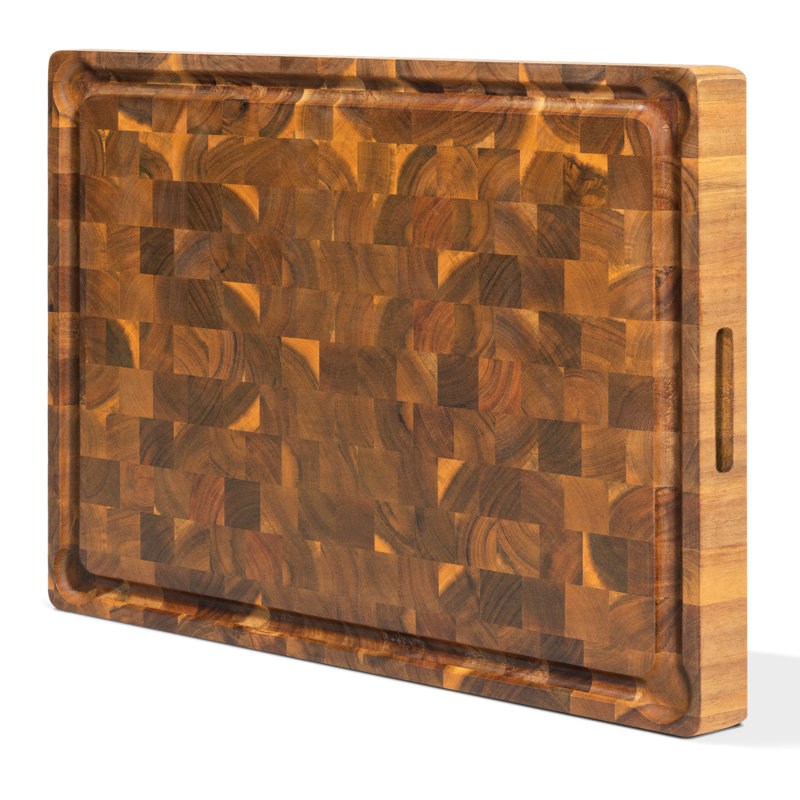
End-Grain Cutting Boards: Acacia and walnut butcher blocks featuring checkerboard wood-grain patterns that double as permanent countertop decor.
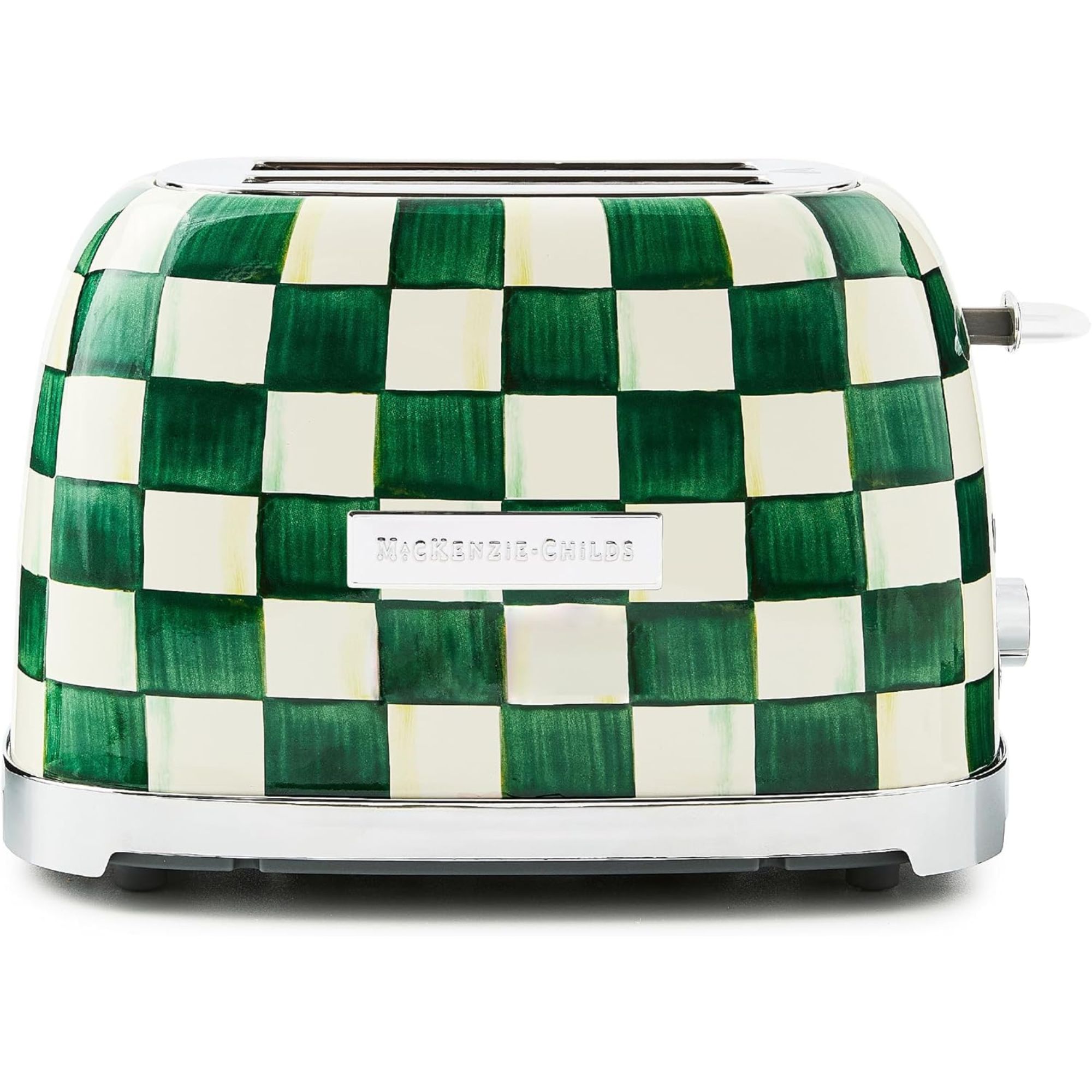
Patterned Small Appliances: Retro-styled toasters, electric kettles, and espresso machines bearing iconic check motifs in colorways like emerald green, cherry red, and sterling silver.
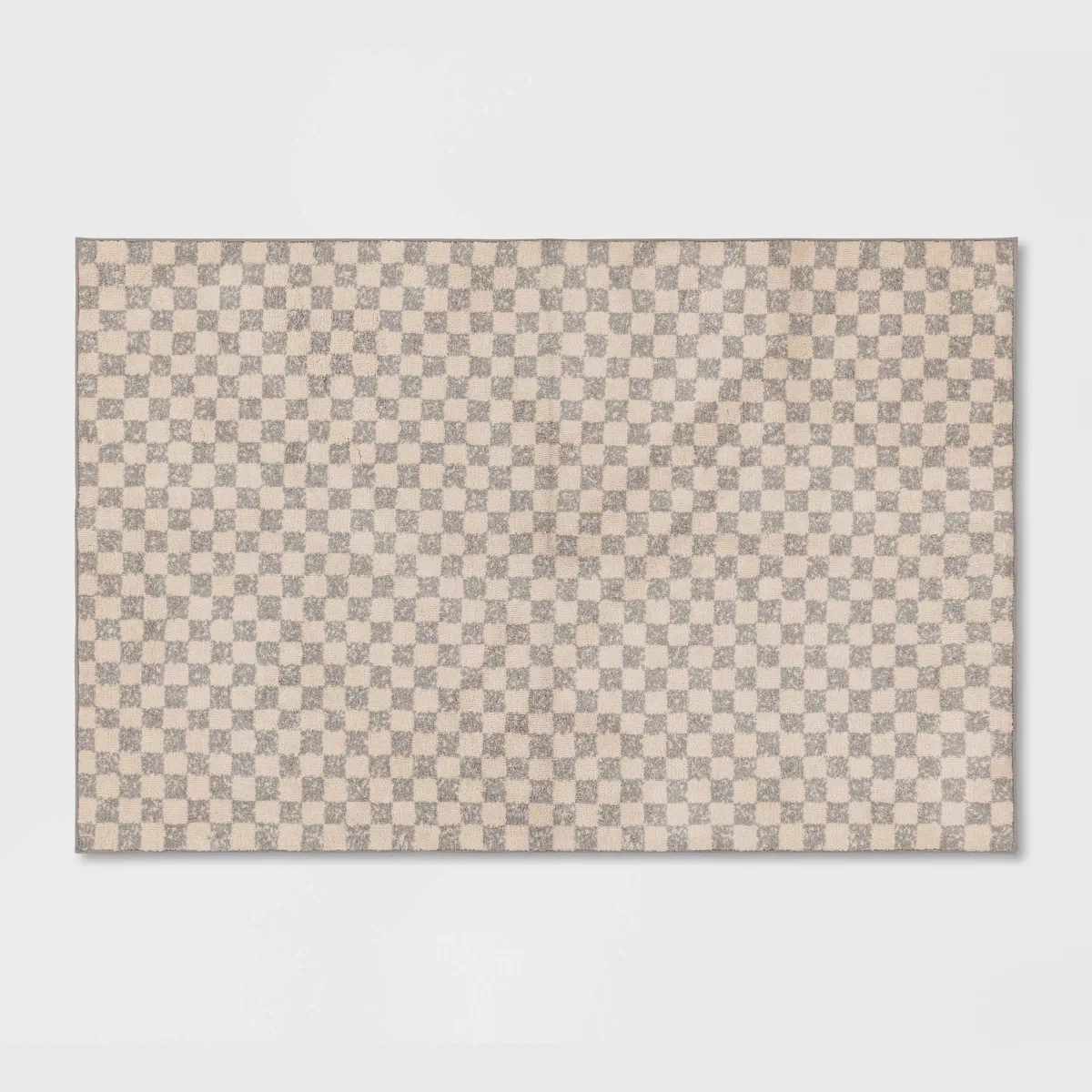
Washable Accent Rugs: Low-pile, skid-resistant floor coverings that introduce softness and pattern to high-traffic culinary zones without sacrificing cleanability.
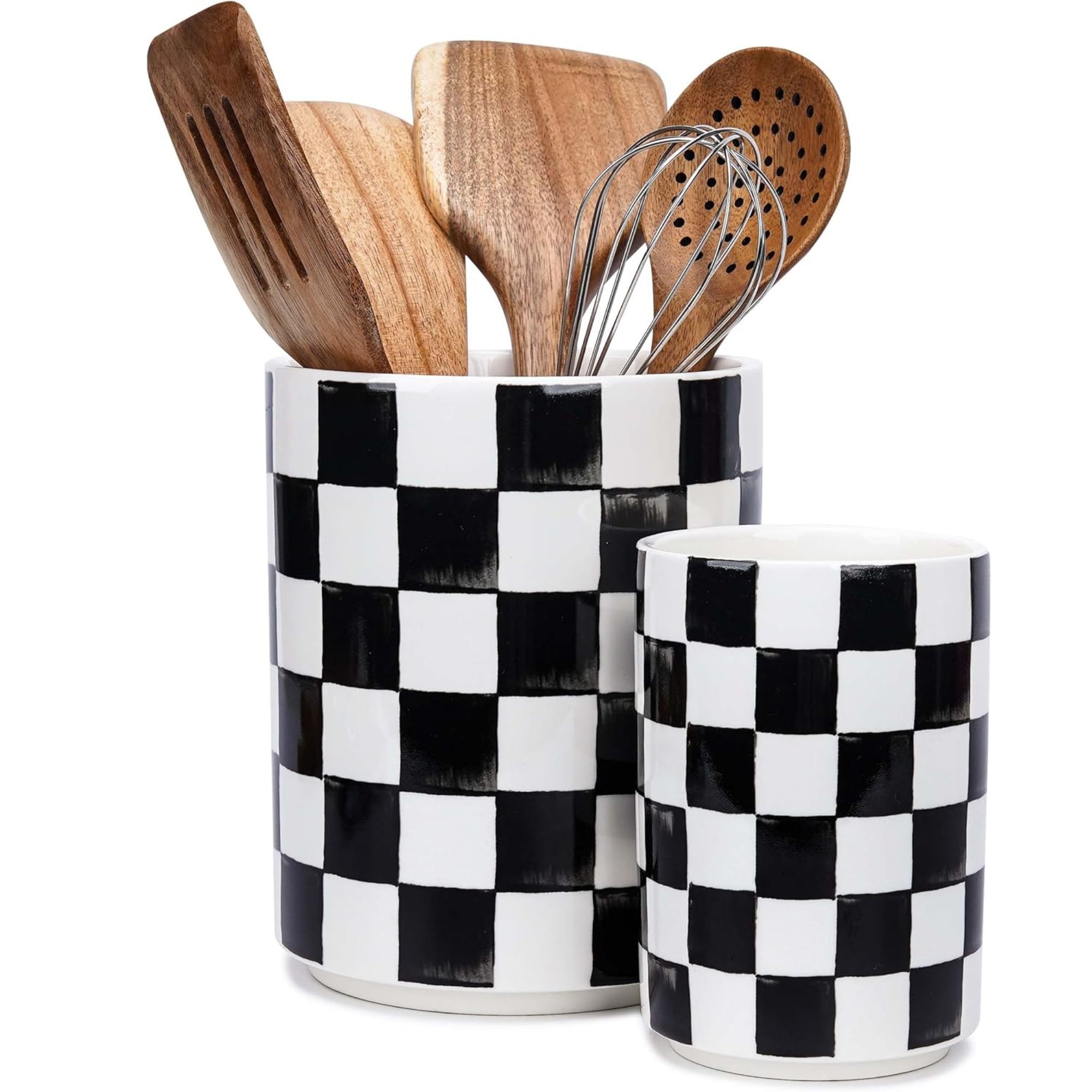
Ceramic Storage & Tableware: Hand-painted utensil holders, creamer sets, and sugar bowls that channel old-world European charm into modern cooking spaces.
Official Responses: Design Experts Weigh In on the Trend
To gain deeper insight into why the checkerboard pattern continues to captivate the world’s most stylish homes, Homes & Gardens spoke with leading interior professionals.
Xhensila Lala, Creative Director at William Morris Wallpaper Co., emphasizes the historical and architectural pedigree of the design.
"Checkerboard has been around since the Renaissance, and kitchens and dining rooms are where it keeps showing up," notes Lala. "That’s not an accident, since the pattern creates an immediate focal point without needing anything else in the room to do the heavy lifting."
Lala points to the psychological power of visual contrast as the primary driver behind its success in communal spaces.
"A key reason it works so well in dining spaces is contrast. Your eye goes straight to it. In a mostly white room, that level of contrast gives the space a clear visual center, and the dining table becomes the obvious place people gather around."
Beyond its visual weight, Lala highlights the structural geometry of the pattern as a superior alternative to solid-color surfaces.
"The geometry does something solid colors can’t: it adds structure to the room without adding visual clutter. I’ve worked with spaces where the table alone changed the entire atmosphere, and checkerboard was the reason guests stayed longer at the table."
Crucially, Lala also underscores the pragmatic advantages that likely guided design choices in historic spaces like Hawn’s kitchen—choices that remain just as relevant today.
"There’s also a practical side here. Darker patterns work well in busy spaces like dining rooms because they hide crumbs, spills, and everyday wear better than solid colors. That makes them especially practical for a room used every day."
Implications: The Future of Kitchen Design and Nostalgic Decor
As the interior design community looks toward the remainder of the decade, the implications of the checkerboard revival extend far beyond simple aesthetics. The trend signals a broader cultural fatigue with hyper-minimalist, disposable decor, favoring instead elements that tell a story, evoke emotional comfort, and stand the test of time.
Goldie Hawn’s 1992 kitchen serves as a powerful reminder that good design is cyclical, but personal comfort and character are permanent. By bridging the gap between high-end architectural history and everyday domestic practicality, the checkerboard pattern has cemented its status as a foundational pillar of modern interior styling.
Whether integrated through a permanent marble floor installation, a custom backsplash reminiscent of Hollywood’s golden era, or a simple ceramic utensil holder on a rented apartment counter, the check is here to stay. As nostalgia continues to dictate the rhythm of modern trends, homeowners need look no further than the photographic archives of the 1990s to find their next great design inspiration.