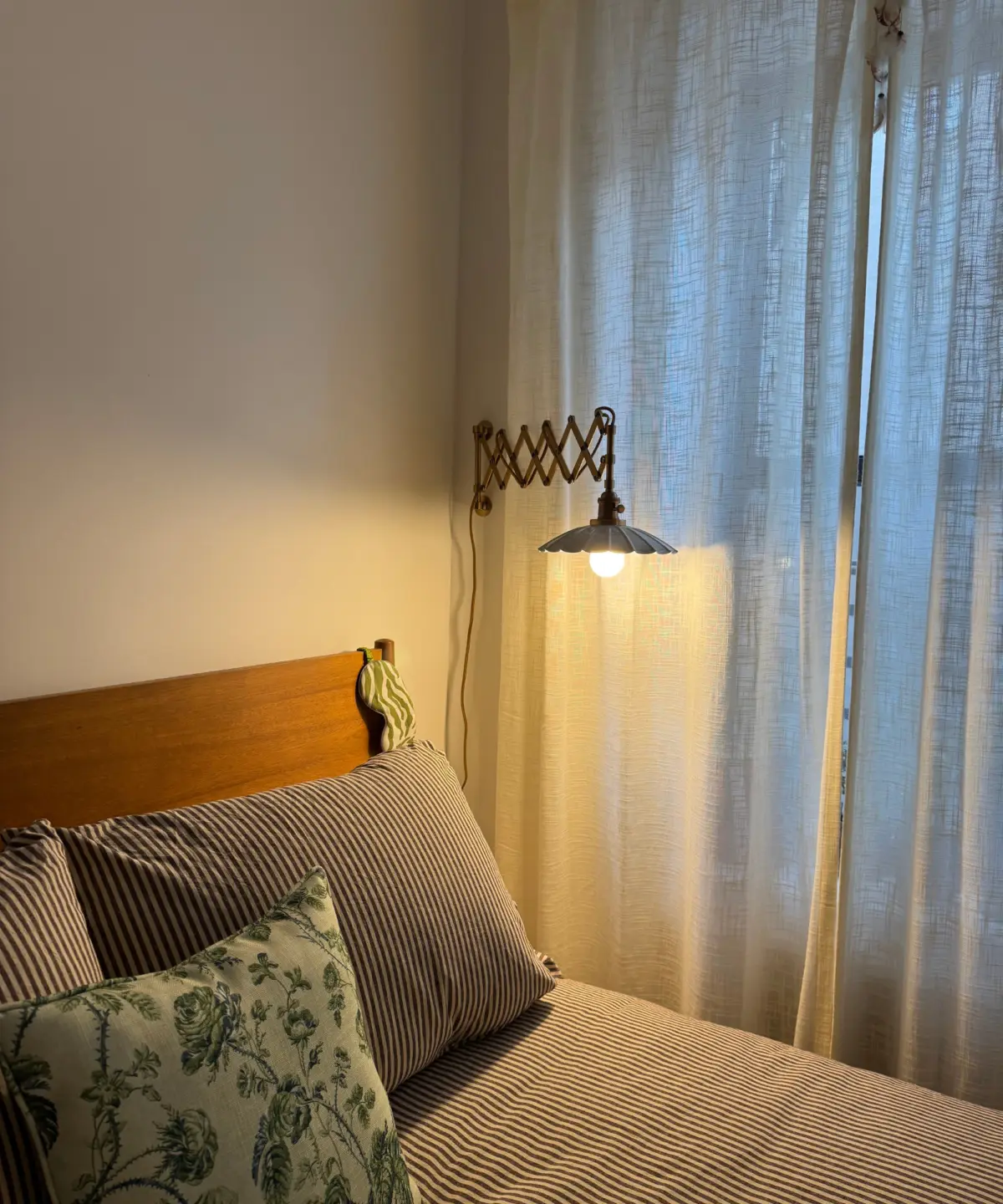
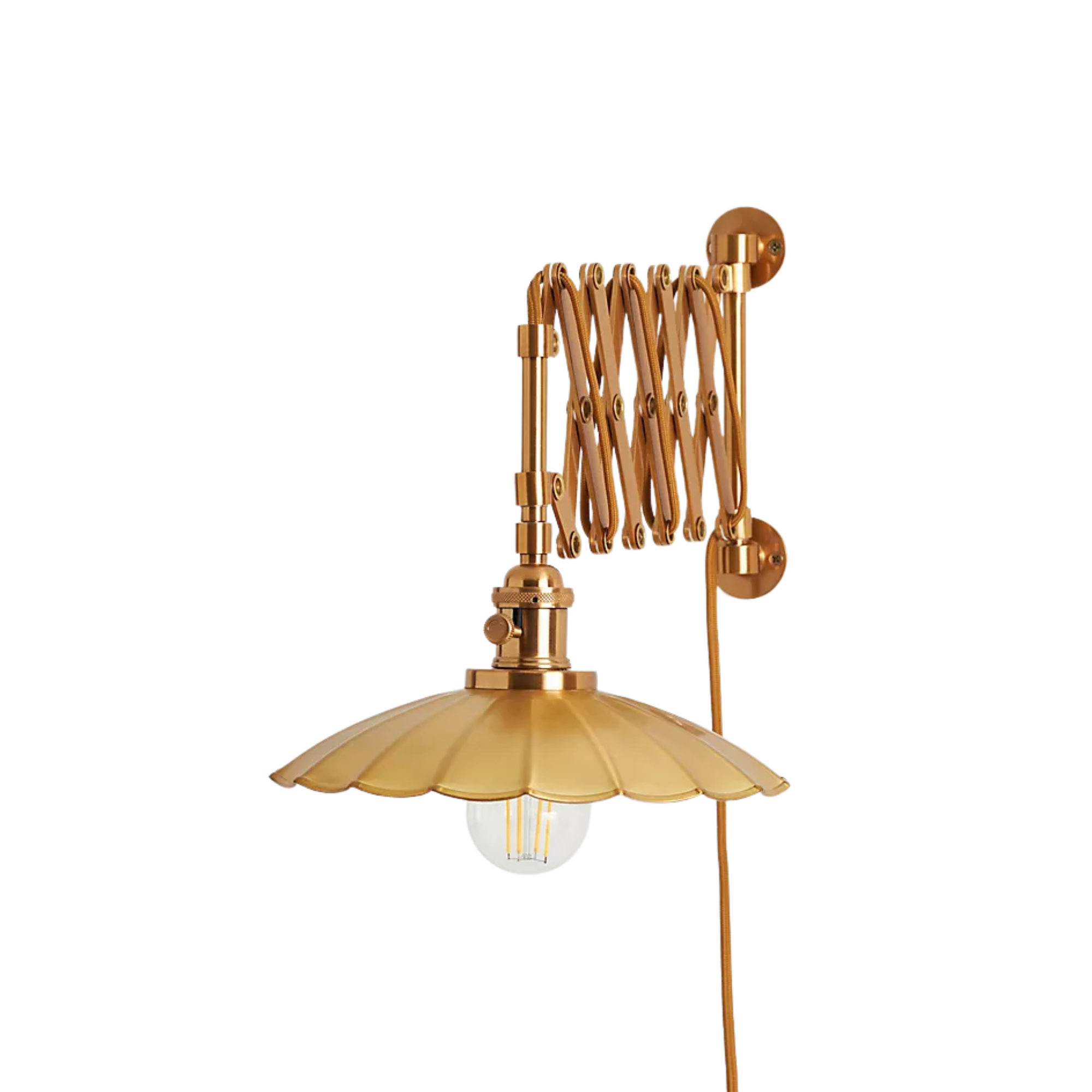
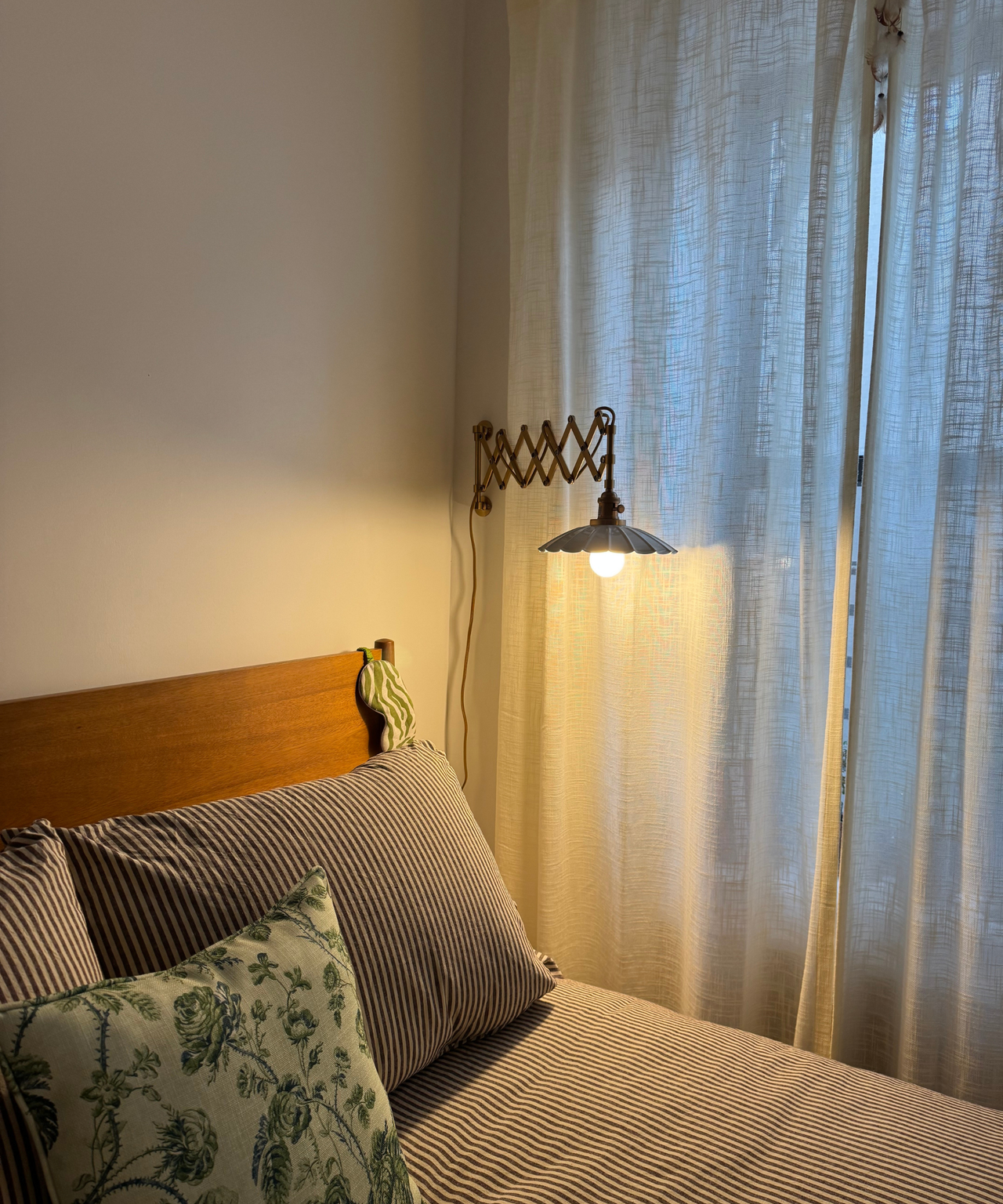
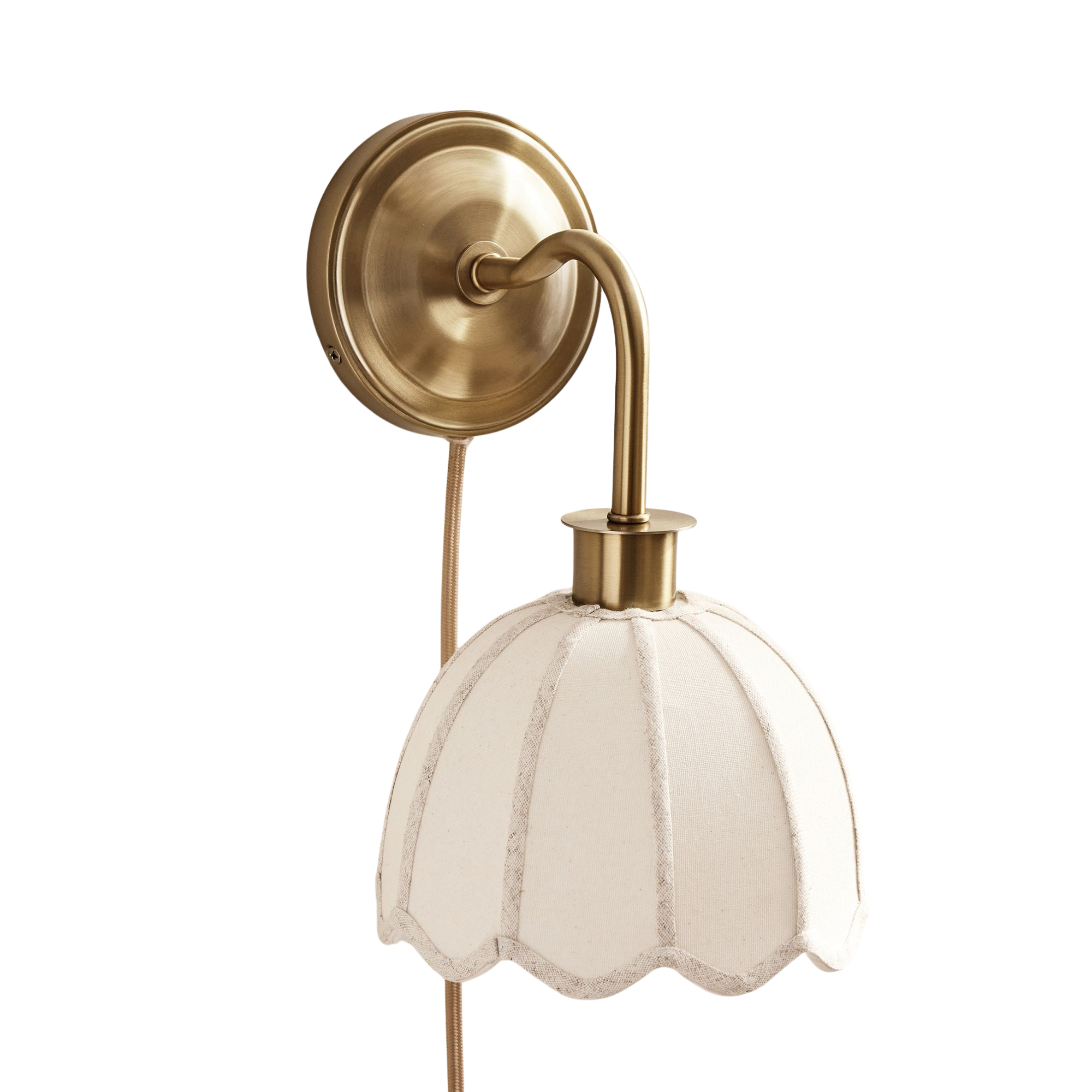
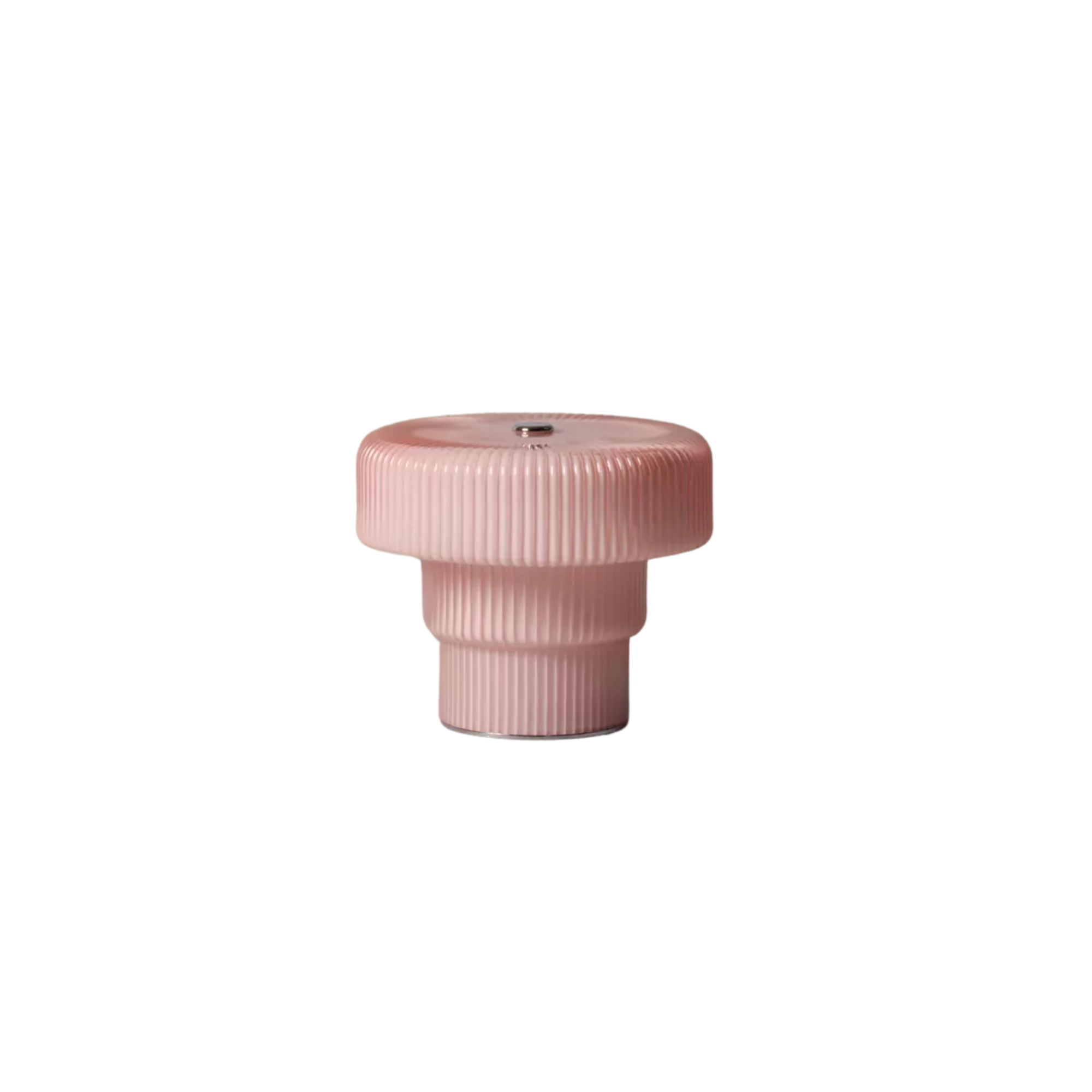
NEW YORK — Moving into a New York City studio apartment is a masterclass in spatial optimization. With a single open-plan room lacking overhead light sources, tenants are immediately forced to rethink how interiors are illuminated. For one urban renter, solving this blank canvas required creative layering, careful furniture arrangement, and a clever piece of hardware that has since become a viral favorite among interior design enthusiasts: the Greta Scalloped Accordion Plug-In Sconce from Anthropologie.
This comprehensive report examines the challenges of rental apartment lighting, explores the rise of plug-in wall sconces as a design-forward solution, and details how functional decor items are transforming small-space living.
Main Facts: The Rental Lighting Dilemma and the Greta Sconce Solution
The core challenge of studio apartment living is the absence of built-in infrastructure. Traditional apartments often feature overhead fixtures in living rooms and bedrooms, but older or converted NYC spaces frequently rely solely on lamps switched via wall outlets.
The Problem: Designing a cohesive lighting scheme without overhead fixtures requires multiple light sources. Relying solely on table and floor lamps quickly consumes precious floor and surface space—a luxury in compact urban homes.
The Solution: Plug-in wall sconces bypass the need for hardwiring, making them ideal for renters who cannot alter electrical boxes.
The Product: The Anthropologie Greta Scalloped Accordion Plug-In Sconce features an extendable accordion arm, a fabric-covered matching cord, and a charming scalloped shade available in multiple colorways including cream, gold, and slate. Priced for the mid-range decor market, it bridges the gap between rented temporarity and permanent architectural flair.
Chronology: Building a Studio Lighting Scheme From Scratch
The journey to finding the ideal bedside light highlights the trial-and-error nature of decorating a studio apartment without architectural lighting.
Phase 1: Establishing the Baseline
Upon moving in, the tenant faced a completely unlit, single-room box. The initial phase focused on horizontal surfaces:
Placing a table lamp on the dresser to anchor one side of the room.
Setting a second desk lamp to illuminate the workspace.
Wedging a statement floor lamp into the narrow corridor between a sofa and a wardrobe.
Introducing a mini portable lamp for localized ambient mood lighting.
While this established a strong foundation of layered lighting—a core tenet of professional interior design—a critical blind spot remained.
Phase 2: The Bedside Crisis
With the main areas illuminated, the designated sleeping corner remained dark. Adding a traditional nightstand lamp or a second floor lamp was out of the question due to tight clearance limits. For a short period, nighttime reading relied on the impractical use of a smartphone flashlight.
Phase 3: The Discovery and Installation
The breakthrough came with the discovery of the Greta Plug-In Sconce. Because rental agreements strictly prohibit unauthorized electrical modifications, a hardwired fixture was impossible. The plug-in mechanism offered a workaround: simple wall mounting, a standard wall plug, and instant illumination with zero landlord disputes.
Supporting Data: Why Plug-In Sconces Are Dominating Small-Space Design
Interior design trends point toward a massive surge in popularity for plug-in architectural lighting. According to market observations from home decor retailers, renter-friendly upgrades have seen exponential growth over the last five years.
Advantages of Plug-In Sconces Over Traditional Options:
Zero Floor Footprint: By mounting directly to the wall, sconces free up nightstands, desks, and floor space.
Landlord-Friendly: Requiring only minor anchor screws rather than electrical junction boxes, they leave minimal impact upon move-out.
Flexibility: Many models—including the Greta and its competitors—feature swivel or accordion arms, allowing users to direct light precisely where it is needed for reading, working, or relaxing.
Aesthetic Versatility: Modern plug-in sconces mimic the high-end look of custom hardwired fixtures, incorporating trending materials like pleated fabric, rattan, brass, and ceramic.
Competing Renter-Friendly Alternatives on the Market
Home design experts frequently point to several other notable plug-in fixtures that match the utility of Anthropologie’s design:
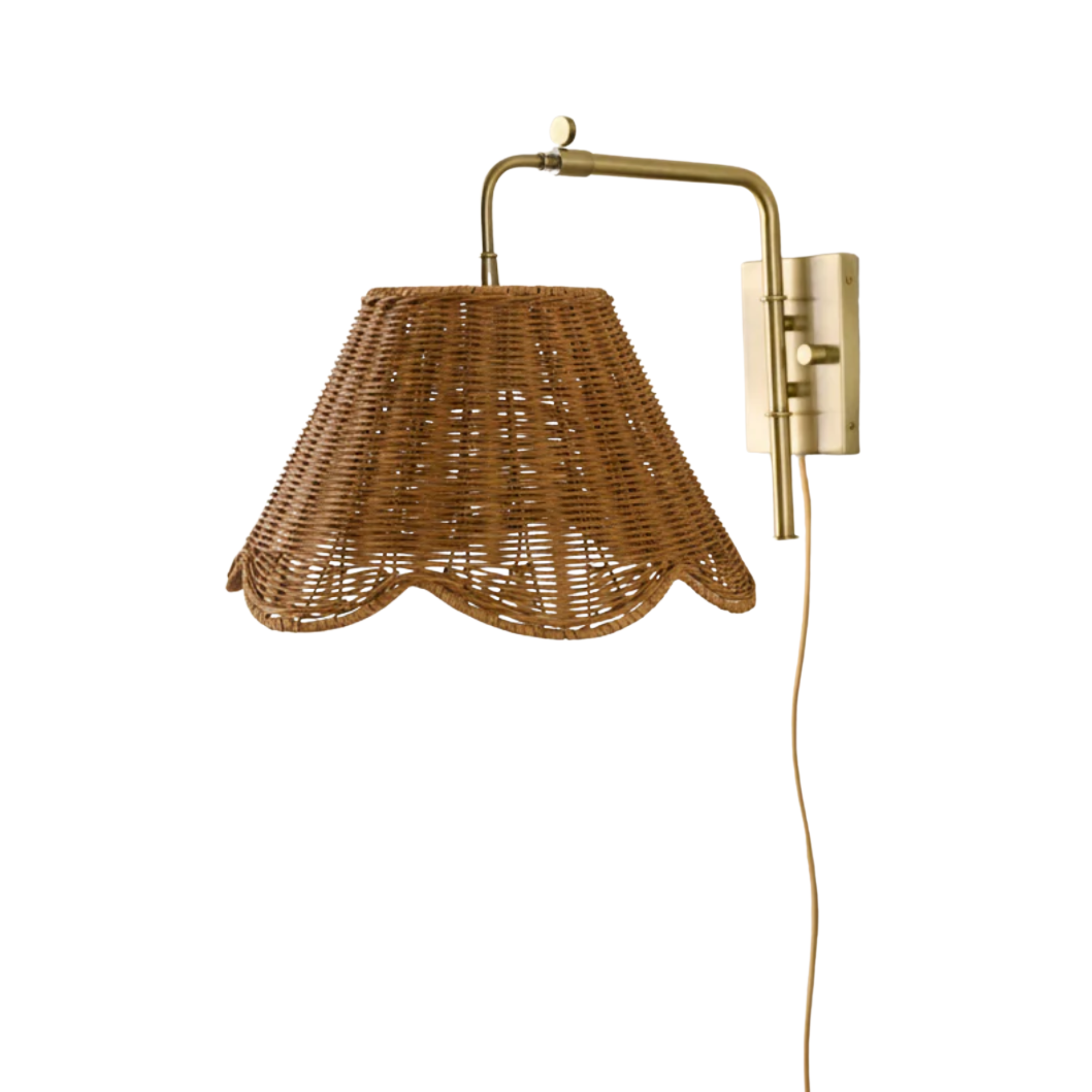
Magnolia Lucinda Rattan Scallop Swivel Plug-In Sconce: Combines natural textures with a swinging arm for bohemian warmth.
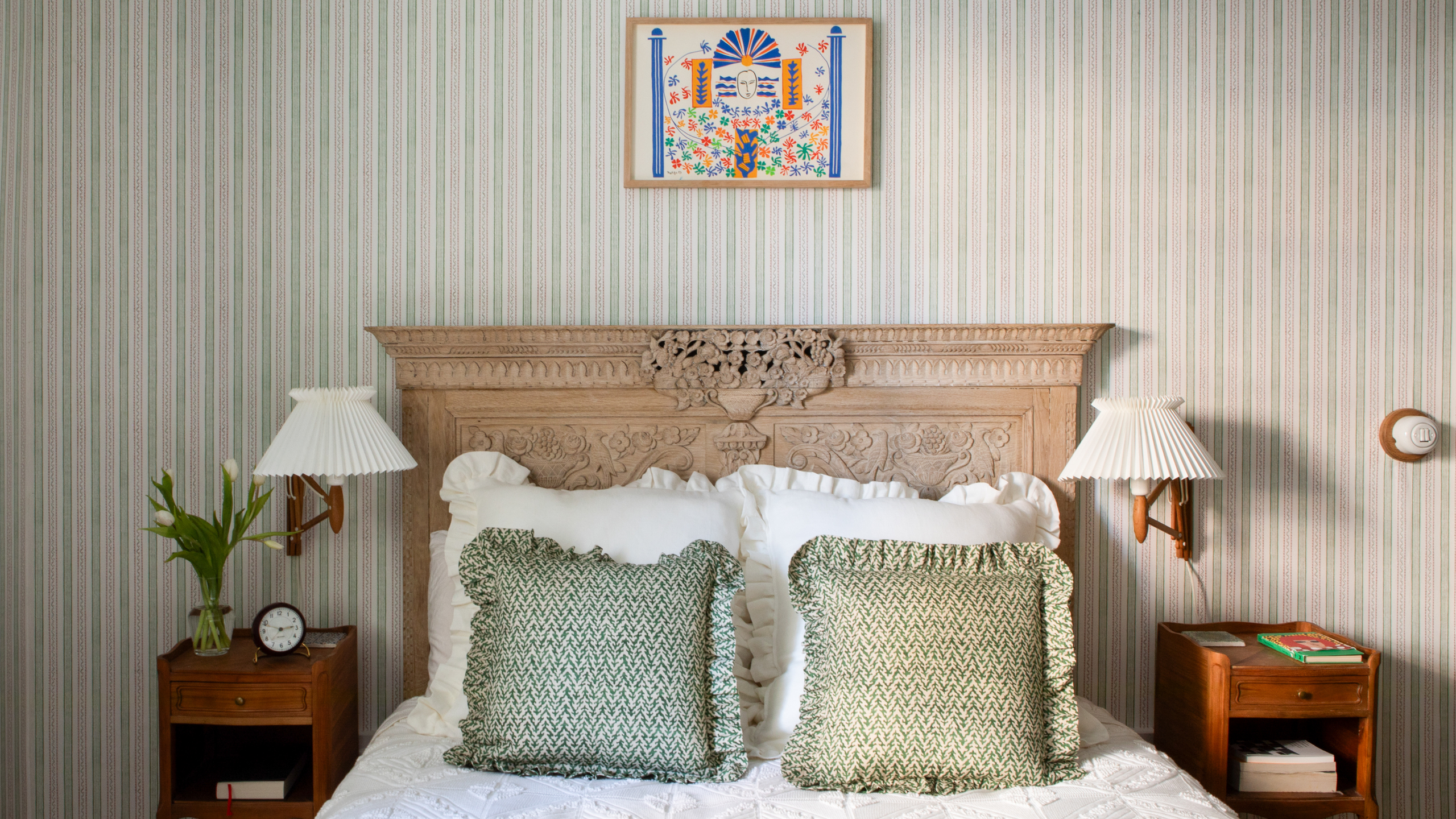
Pottery Barn Teen In Bloom Plug-In Sconce: Features a charming fabric shade, scalloped rim, and brass backing that appeals to adult designers looking for whimsical detailing.
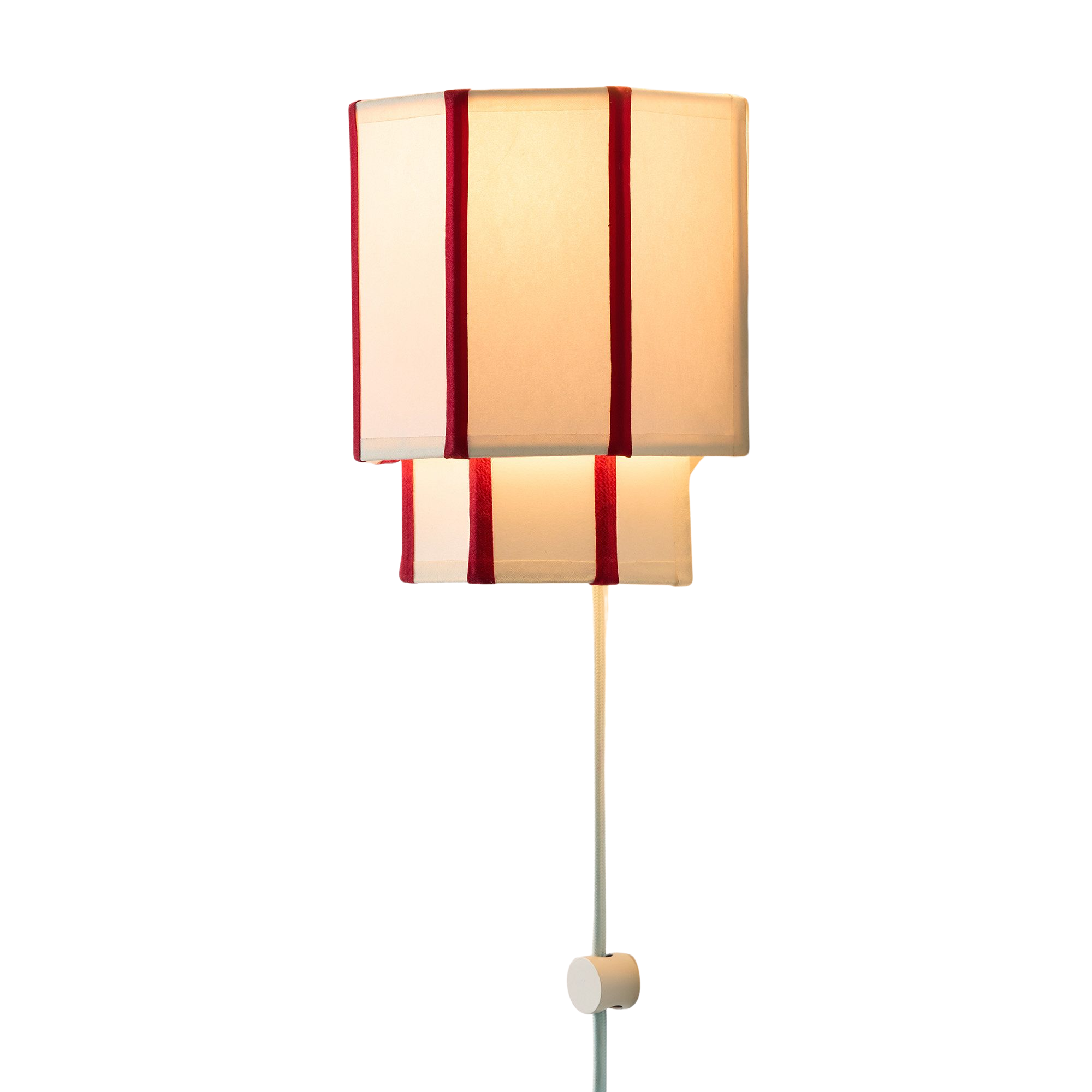
West Elm Emma Chamberlain Faceted Plug-In Sconce: A playfully modern piece featuring striking color-piping accents that double as wall art.
Official Responses and Expert Design Perspectives
Interior stylists and retail curators emphasize that lighting should never be treated as an afterthought, particularly in small spaces.
"Lighting is the jewelry of a room," notes prominent interior styling commentary from leading design publications. "When you are working with a studio apartment, you cannot rely on a single light source. You have to create pools of light at varying heights to trick the eye into perceiving more volume and depth."
Design experts champion the use of accordion and swing-arm sconces specifically for multi-functional spaces. In a studio, a bed often doubles as a daybed or reading lounge. An adjustable arm allows the light source to pivot seamlessly from a bedside reading lamp to an ambient wall glow.
Furthermore, retailers have responded to consumer demand by upgrading the aesthetic quality of cords. Historically, plastic transparent or black cords detracted from the look of plug-in fixtures. Modern designs now utilize matching fabric-wrapped cords, turning a functional necessity into an intentional design detail.
Implications: The Shift Toward Temporary Yet High-Style Living
The popularity of fixtures like the Anthropologie Greta Sconce reflects a broader cultural shift in how younger generations approach home decor. With high urban housing costs and low homeownership rates among Millennials and Gen Z, renters are staying in temporary spaces longer.
Rather than settling for generic, institutional-looking furnishings, urban dwellers are demanding high-end, personality-driven aesthetics that can easily move with them from apartment to apartment. Plug-in sconces, portable rechargeable lamps, and modular shelving represent a multi-billion-dollar market adaptation: interior design that is sophisticated, functional, and entirely portable.
Long-Term Takeaways for Renter Styling:
Embrace Vertical Space: Walls are underutilized assets in small apartments. Utilizing vertical surfaces for lighting draws the eye upward, making ceilings feel higher.
Prioritize Multi-Functionality: Choose pieces like swing-arm lamps that serve multiple zones within an open-plan layout.
Don’t Compromise on Style: Temporary living no longer means sacrificing design integrity. Rental-friendly hacks now match the quality and charm of permanent architectural builds.
For studio dwellers struggling against the tyranny of dark corners and strict landlords, the market has officially delivered a bright, stylish solution.