

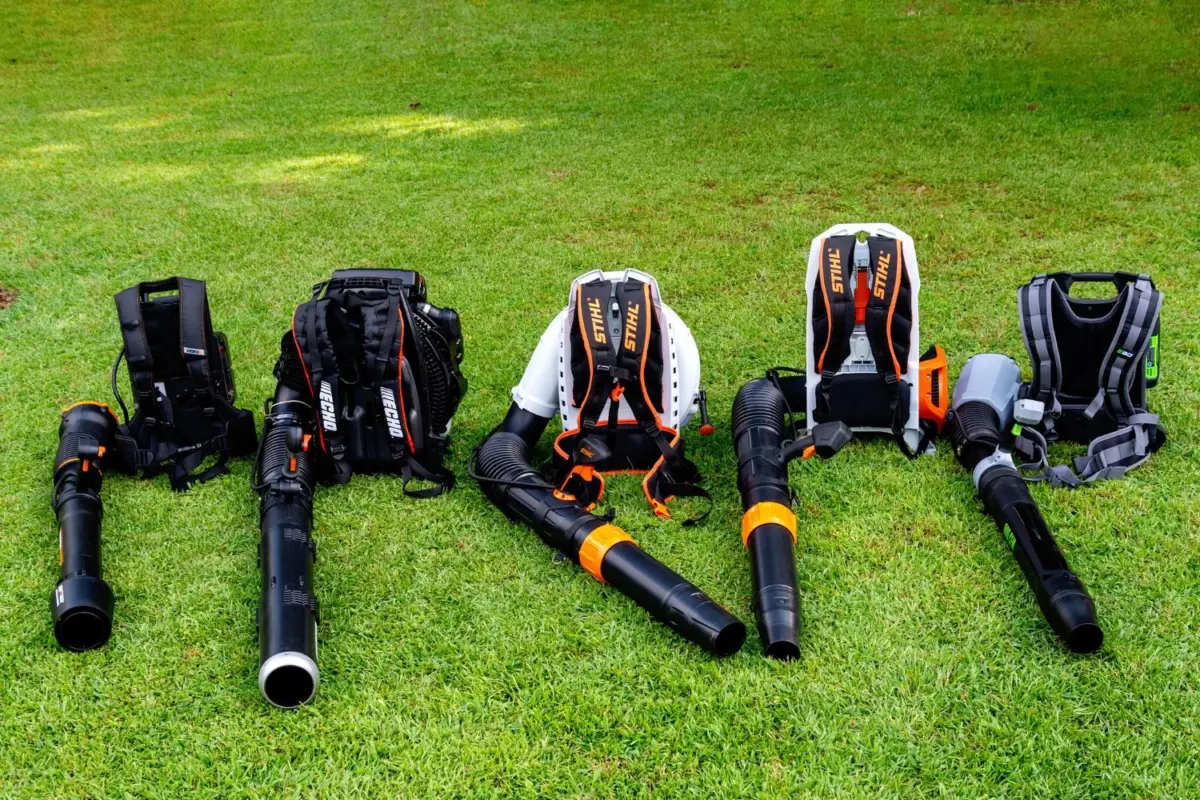
Yard maintenance can quickly transition from a satisfying weekend chore to an exhausting physical test, particularly during autumn when foliage blankets properties in thick, heavy layers. While raking remains a traditional option, modern homeowners and landscaping professionals increasingly rely on backpack leaf blowers to expedite the process. Capable of clearing fallen leaves, grass clippings, dirt, and even localized puddles or light snow, these powerful machines dramatically reduce the time required to maintain a pristine property.
However, with a crowded market spanning gas-powered workhorses and eco-friendly battery options, selecting the right model requires careful analysis. To help buyers navigate these choices, testing experts recently evaluated the industry’s top backpack leaf blowers across multiple performance, comfort, and value categories.
Main Facts: What Defines a Quality Backpack Leaf Blower?
When evaluating the vast landscape of outdoor power equipment, experts emphasize that not all blowers are created equal. The foundational metric of any blower’s capability comes down to two primary specifications: Cubic Feet per Minute (CFM) and Miles per Hour (MPH).
- Cubic Feet per Minute (CFM): This measures the volume of air moving through the machine. Experts note that CFM is the most critical metric for moving large piles of leaves efficiently.
- Miles per Hour (MPH): This measures the speed of the air exiting the nozzle, which determines how effectively the blower can dislodge stubborn, heavy, or wet debris.
According to Brad Saunders, president of Heroes Lawn Care—a national lawn care service provider—shoppers must first assess their property size and debris volume. "If you’re dealing with a lot of leaves or heavier debris, you’ll want something with a higher CFM to move those large piles efficiently and a good MPH to really blow things away," Saunders explains.
Beyond raw performance, buyers must weigh power sources, machine weight, ergonomics, noise levels, and advanced features such as variable-speed throttles or cruise control.
Chronology and Testing Methodology: Putting Equipment to the Test
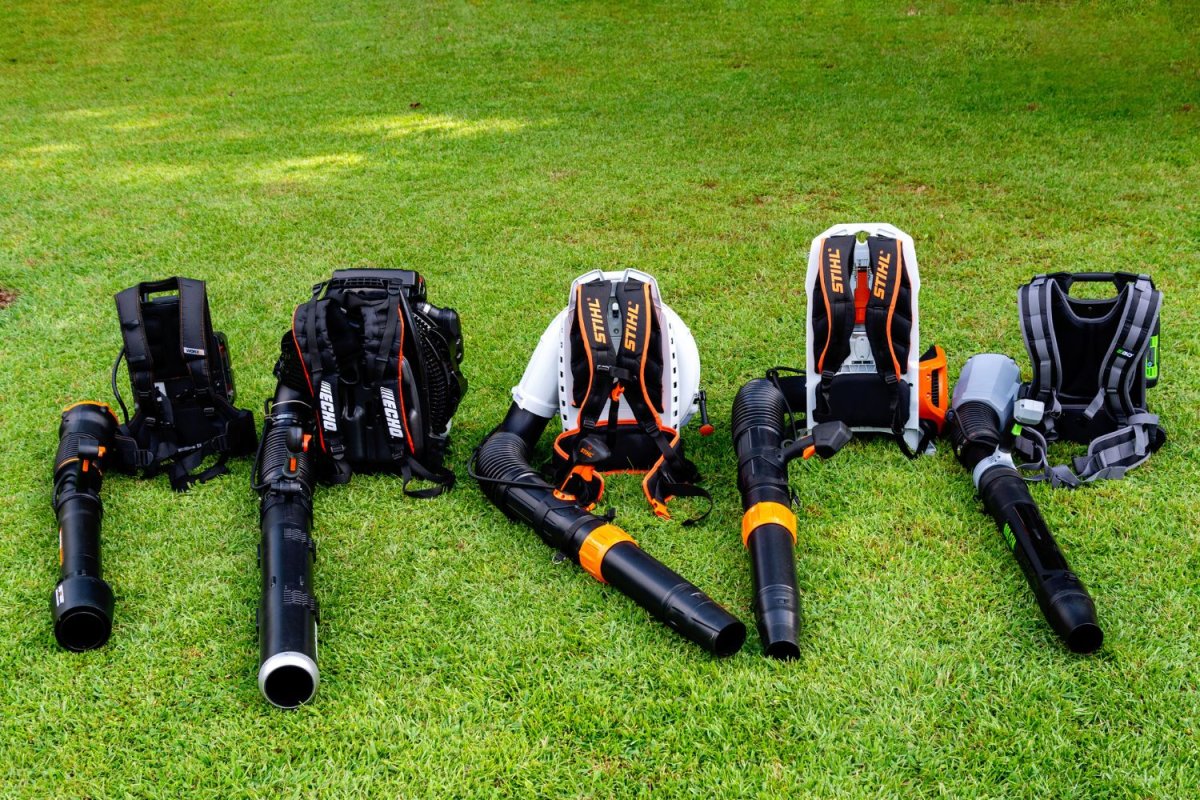
To establish reliable recommendations, testing panels subjected 10 of the market’s leading backpack leaf blowers to a rigorous, multi-step evaluation process over 10 hours of hands-on testing.
- Unboxing and Assembly: Testers assembled each unit strictly according to manufacturer guidelines, fueling gas models or fully charging battery packs.
- Ergonomic Adjustment: Suspension systems, shoulder straps, and handle controls were customized to ensure maximum comfort and secure operation.
- Field Trials: Each blower was tested across a diverse array of real-world scenarios:
- Clearing dry fallen leaves on paved surfaces.
- Dispersing freshly mowed and clumped lawn grass.
- Clearing rough, overgrown field grass and heavy debris in wooded perimeters.
- Driving away wet sand and standing puddles from uneven concrete.
- Scoring: Units were graded on a sliding scale for ease of use, comfort, overall performance, noise output, and financial value.
Supporting Data: Top-Performing Models on the Market
The hands-on testing yielded several standout models tailored to different user needs, property sizes, and power preferences.
1. Best Overall: Husqvarna 360BT Gas Backpack Leaf Blower
- Key Specs: 65cc 2-cycle X-Torq engine; up to 890 CFM at 232 MPH; weight: 23.2 lbs.
- Ratings: Ease of Use: 5/5 | Comfort: 4.5/5 | Performance: 5/5 | Noise: 3.5/5 | Value: 5/5
- Overview: Striking an ideal balance between price and performance, the Husqvarna 360BT emerged as the top overall pick. Its X-Torq engine design cuts exhaust emissions by up to 60 percent while boosting fuel efficiency by 20 percent. Testers praised its superior air movement, vibration-dampening chassis, and comfortable, contoured harness.
2. Runner-Up / Best Commercial: Echo PB-9010T
- Key Specs: 79.9cc 2-cycle engine; 1,110 CFM at 220 MPH; weight: heavier commercial class.
- Ratings: Ease of Use: 4/5 | Comfort: 3/5 | Performance: 5/5 | Noise: 4/5 | Value: 4/5
- Overview: For large estates or professional landscapers prioritizing raw output, the Echo PB-9010T dominated timed trials. It rounded up 5,000 square feet of leaves in just 12 minutes and cleared damp sand in 14 seconds. Its massive fuel tank ensures virtually uninterrupted operation on all-day projects.
3. Best Bang for the Buck: Ryobi 38cc Gas Backpack Blower (RY38BP)
- Key Specs: 38cc 2-cycle engine; 760 CFM at 175 MPH.
- Ratings: Ease of Use: 3.8/5 | Comfort: 5/5 | Performance: 4.5/5 | Noise: 3.5/5 | Value: 4.8/5
- Overview: Delivering surprising power for its compact engine size, the Ryobi model successfully broke up matted wet leaves and grass clippings without hesitation, offering high-end performance at an accessible price point.
4. Best for Home Use: Worx Nitro 80V Cordless Backpack Blower
- Key Specs: Four 20V 4Ah batteries (BaseCamp system); up to 800 CFM at 150 MPH.
- Ratings: Ease of Use: 4.3/5 | Comfort: 4/5 | Performance: 4.3/5 | Noise: 4/5 | Value: 4/5
- Overview: Ideal for properties up to half an acre, this battery-powered unit provides a comfortable, low-maintenance alternative to gas. It features an exceptionally supportive harness and utilizes interchangeable batteries compatible with the broader Worx ecosystem.
5. Best Lightweight: Greenworks 80V 610 CFM Cordless Backpack Blower
- Key Specs: 80V lithium-ion battery; 610 CFM at 145 MPH; weight: 14.64 lbs.
- Ratings: Ease of Use: 4/5 | Comfort: 5/5 | Performance: 3.5/5 | Noise: 4/5 | Value: 4/5
- Overview: Weighing under 15 pounds, the Greenworks model is the lightest unit tested, making it exceptionally maneuverable for smaller landscapes while delivering gas-equivalent performance on dry and moderately damp debris.
Official Perspectives and Industry Insights: Gas vs. Electric
As municipal regulations surrounding emissions and noise tighten across the United States, industry experts emphasize the evolving nature of lawn equipment selection.
When choosing between engine types, Brad Saunders notes the distinct engineering advantages of each:
- 2-Cycle Engines: "The go-to for people who need something lightweight and powerful," Saunders explains. Operating at higher revolutions per minute (RPMs), they deliver the "oomph" necessary for demanding landscaping tasks. However, they require mixing gas and oil and produce higher emissions.
- 4-Cycle Engines: These feature a separate oil reservoir and generate greater torque at lower speeds. "They tend to be easier to start and run quieter, which is great if you’re working in a residential area or just don’t want to deal with a lot of noise," Saunders adds.
- Battery-Powered Units: Offering zero direct emissions and significantly lower noise levels, cordless options appeal heavily to suburban homeowners. However, runtime limitations and recharge times remain key considerations for larger properties.
Implications: Navigating Regulations, Health, and Financial Realities
Shoppers must consider several broader implications before purchasing a backpack leaf blower, ranging from legal compliance to personal safety.
Local Noise and Emissions Regulations
Noise pollution has prompted many local governments and homeowners associations (HOAs) to restrict when gas-powered equipment can be operated. Because backpack blowers typically generate between 65 and 100 decibels (dB), users must verify local ordinances to avoid fines.
Furthermore, environmental regulations are closing the window on fossil-fuel-powered lawn tools in certain states and cities. Buyers are advised to evaluate whether investing in gas equipment makes financial sense if regional bans on 2-stroke engines are imminent.
Health and Safety Considerations
Operating high-powered outdoor equipment carries inherent physical risks. Experts strongly recommend standard safety protocols:
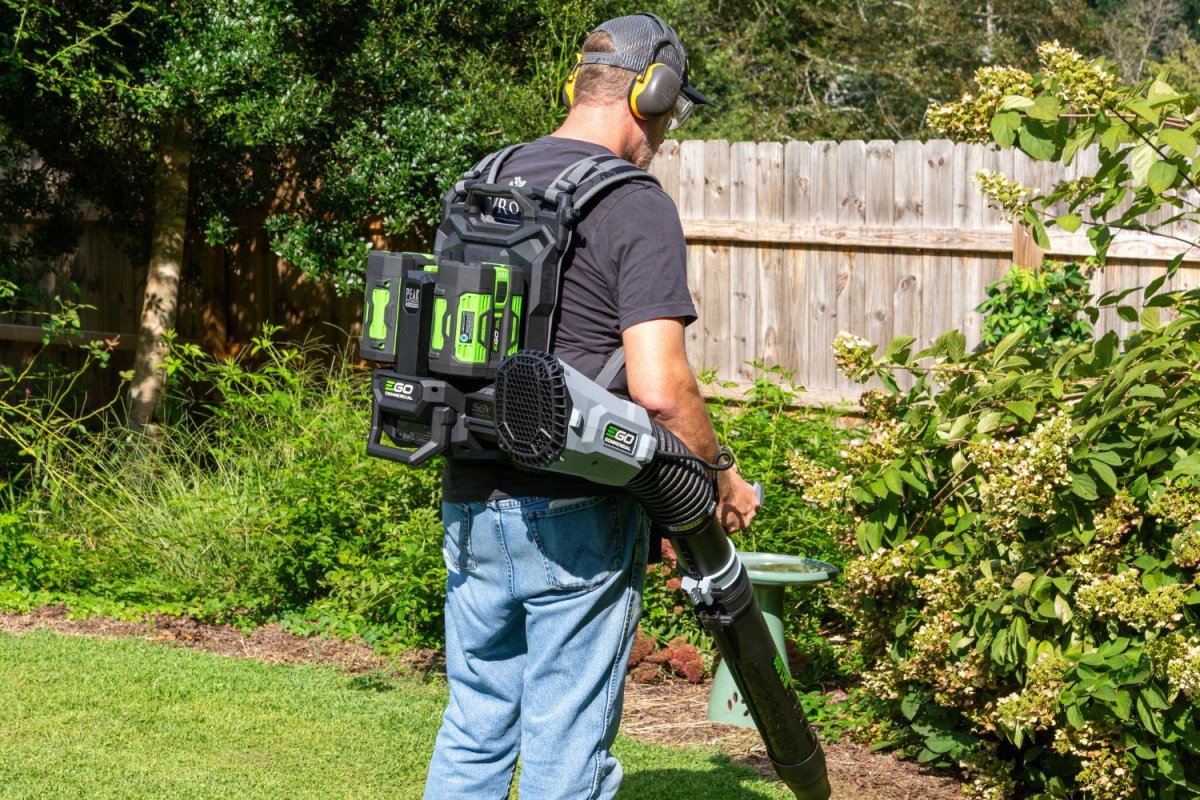
- Hearing and Eye Protection: Earplugs or over-ear muffs and safety glasses are essential to prevent hearing loss and protect against flying debris.
- High-Visibility Gear: When operating near public roadways, users should wear high-visibility clothing and face oncoming traffic.
- Ergonomics: Utilizing well-padded shoulder straps, sternum straps, and hip belts helps distribute the machine’s weight, preventing chronic back strain and operator fatigue during prolonged use.
Ultimately, whether choosing a high-output commercial gas blower or a lightweight, quiet electric model, matching the equipment’s specifications to the property’s unique demands ensures an efficient, comfortable, and compliant yard cleanup experience.
