

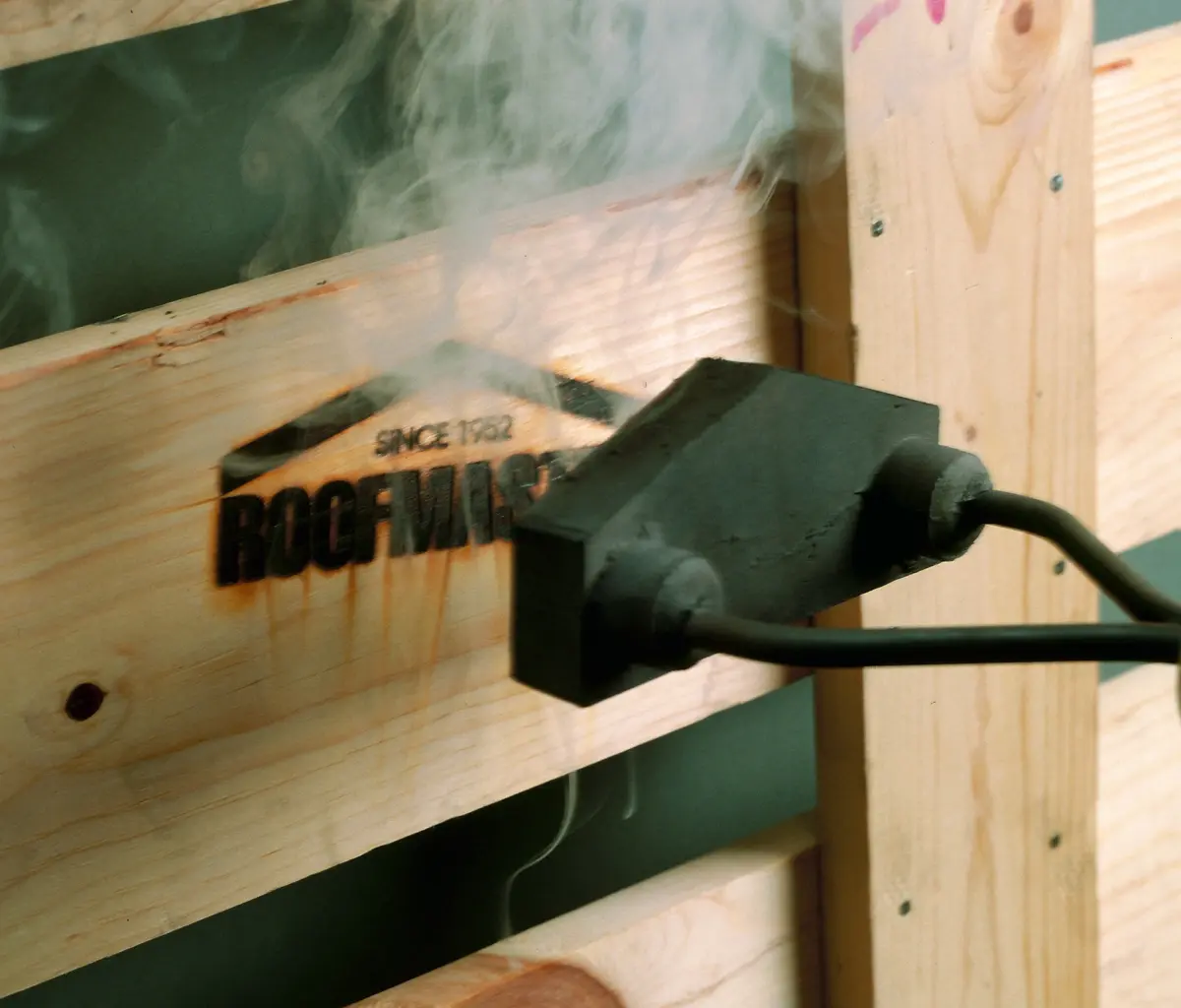
Main Facts: The Scope of Roofmaster’s Specialized Product Distribution
In an era marked by shifting regulatory standards, volatile material costs, and an acute need for operational efficiency, the commercial roofing sector remains highly dependent on robust supply chains. Roofmaster Products, a leading manufacturer and distributor of commercial and residential roofing equipment, has structured an expansive catalog designed to address every phase of the building envelope lifecycle.
The company’s inventory spans several core categories: heavy-duty thermal application machinery, single-ply membrane installation tools, safety and fall protection systems, specialized drainage infrastructure, and an array of hand tools and consumables. By maintaining a highly diversified product footprint, Roofmaster serves as a critical single-source procurement partner for contractors navigating complex municipal codes and demanding project timelines.
                           [Roofmaster Products Portfolio]
                                         |
     +--------------------+--------------+--------------+--------------------+
     |                    |                             |                    |
[Thermal BUR]      [Single-Ply & Mod-Bit]       [Drainage Systems]    [Safety & Fall Protection]
  - Kettles          - Hot Air Welders            - Cast Iron Drains    - Fall Arrest
  - Burners          - LP Torches                 - Retrofit Drains     - Harnesses
  - Tubing/Hoses     - Steel/Rubber Rollers       - Clamping Rings      - Perimeter Warnings
From specialized "on-deck" powered equipment—such as roof saws and compressors—to highly specific replacement components like kettle valves and burner regulators, the depth of this inventory highlights the technical complexity of modern roofing. The availability of these parts is vital for minimizing field downtime, where equipment failure can delay multi-million-dollar commercial developments.
Chronology: The Evolution of Roofing Systems and Catalog Digitalization
The structural organization of Roofmaster’s inventory reflects the broader technological evolution of the roofing industry over the past several decades.
[Traditional BUR Era] --------> [Single-Ply Revolution] --------> [Modern Smart-Roof Integration]
  - Hot asphalt kettles           - EPDM, TPO, PVC membranes       - Solar mounts (CommDeck)
  - Cotton mops & feltlayers      - Hot air welders & rollers      - Specialized drainage
  - Kerosene & LP burners         - Modified bitumen torches       - High-capacity safety systems
The Era of Built-Up Roofing (BUR)
Historically, commercial roofing was dominated by hot-mopped built-up roofing (BUR) systems. This traditional methodology required heavy thermal equipment, including asphalt kettles, LP or kerosene burners, tanker pumps, hot asphalt carriers, and cotton mops. Roofmaster established its foundational market presence by engineering high-capacity kettles and providing the exact replacement parts—such as litewall tubing, unions, and top swivel assemblies—needed to keep high-heat systems operating safely at temperatures exceeding 400°F.
The Single-Ply and Modified Bitumen Transition
As environmental regulations tightened and building science advanced, the industry saw a massive shift toward single-ply membranes (including TPO, PVC, and EPDM) and modified bitumen systems. This transition required an entirely different class of equipment. Roofmaster adapted by integrating hot air welders, silicone and steel rollers, adhesive applicators, and modified bitumen LP torches into its core distribution network.
Modern Smart-Roof and Drainage Infrastructure Integration
Today, commercial roofs are active engineering platforms that support solar installations, green vegetative systems, and complex HVAC networks. The modern catalog reflects this shift through specialized solar mounting systems, such as the CommDeck line (designed for composition shingles, tile, and re-roofing projects), alongside advanced drainage systems engineered to manage extreme weather events. This technological progression is mirrored in the company’s digital procurement infrastructure, which organizes thousands of highly specific stock-keeping units (SKUs) into accessible online categories to support rapid field deployment.
Supporting Data: A Categorical Analysis of the Roofmaster Portfolio
To understand the operational scale of commercial roofing supply chains, it is necessary to analyze the technical subcategories that comprise Roofmaster’s product ecosystem.
Heavy Machinery and On-Deck Powered Equipment
On-deck operations require ruggedized, powered machinery capable of withstanding harsh roof-level environments. Roofmaster’s portfolio in this sector includes:
- Roof Saws and Cutting Systems: Equipped with specialized carbide blades designed to slice through thick, multi-layered built-up roofs during tear-off operations.
- Compressors and Air Tools: Industrial-grade air compressors paired with comprehensive air tool parts and accessories to power pneumatic nailers and fasteners.
- Conveyors and Material Handling: High-capacity conveyors, including specialized FBR and HSDF conveyor parts, turntables, outriggers, and turntable parts, engineered to transport heavy materials from ground level to the roof deck safely.
- Replacement Engines: To extend the service life of field machinery, the inventory features dedicated replacement engines for both sprayers and kettles.
Thermal Application Systems and Kettle Infrastructure
For hot-applied asphalt systems, equipment reliability is directly linked to safety. Roofmaster’s proprietary kettle infrastructure features:
- Roofmaster Kettles: Available in multiple burner configurations, supported by specialized repair parts for kerosene, LP, and butane fuel systems.
- Flow and Pressure Control: A comprehensive array of kettle pump parts, valves, regulators, and high-pressure hoses.
- Litewall Tubing and Unions: Including rubber flex hoses, special flexmetal lines, Flexmetal MCOE systems, and top swivel assemblies designed to handle molten asphalt without risking catastrophic line ruptures.
Single-Ply, Modified Bitumen, and Spraying Technologies
The rapid adoption of single-ply membranes has made precision welding and adhesive application equipment essential for watertight building envelopes.
- Hot Air Welders: Automatic and hand-held welding systems, supported by specialized welder parts and accessories, designed to fuse TPO and PVC seams.
- Rollers and Hand Tools: Heavy steel and silicone rubber rollers used to apply uniform pressure to newly welded seams or adhesive-bonded membranes.
- Spraying and Pumping Systems: Advanced spraying systems, including the GranuleMaster and WarmMaster units, pole guns, hoses, spray tips, spray material valves, and swivel adaptors, engineered to apply protective coatings and liquid-applied membranes efficiently.
                             [Spraying System Architecture]
                                           |
       +------------------+----------------+------------------+
       |                  |                                   |
[GranuleMaster]     [WarmMaster]                     [Fluid Delivery]
  - Granule application - Temperature control          - Pole guns & hoses
                                                       - Spray tips & valves
                                                       - Swivel adaptors
Drainage Engineering and Retrofit Solutions
Improper water shedding is a leading cause of flat-roof structural failure. Roofmaster’s drainage catalog addresses both new construction and remediation:
- New Installation Drains: Cast iron drains categorized by sump size (large sump, medium sump, and small sump) to match specific structural load capacities and rainfall metrics.
- Specialized Outlets: Plastic roof drains, copper roof drains, combo/overflow drains, side outlet drains, and scuppers.
- Retrofit Drains: Engineered to install directly into existing drain pipes without requiring complete tear-out. These are available in aluminum, copper, and plastic configurations to prevent galvanic corrosion between dissimilar metals.
- Accessories: Clamping rings, dome strainers, and drain accessories that prevent debris accumulation.
                           [Drainage Infrastructure Options]
                                          |
          +-------------------------------+-------------------------------+
          |                                                               |
[New Installation Drains]                                         [Retrofit Drains]
  - Small, Medium, Large Sump (Cast Iron)                          - Aluminum Retrofit Drains
  - Plastic & Copper Roof Drains                                   - Copper Retrofit Drains
  - Combo/Overflow & Side Outlet Drains                            - Plastic Retrofit Drains
Fall Protection, Safety Compliance, and Personal Protection
Roofing consistently ranks among the most hazardous construction trades, making OSHA safety compliance a primary operational concern.
- Fall Arrest Systems: Certified harnesses, roof anchors, and shock-absorbing lanyards designed to prevent free falls.
- Perimeter Warning Systems: Roof-edge warning lines, flags, cones, and warning signs designed to isolate work zones.
- Personal Protective Equipment (PPE): Safety-toed footwear, head protection, specialized work gloves, parkas, back supports, and respiratory protection.
- Emergency Response: First aid kits, specialized burn kits, and fire extinguishers rated for hot-work operations.
Hand Tools, Fasteners, and Consumables
The day-to-day productivity of roofing crews relies on the availability of high-quality hand tools and reliable fasteners:
- Cutting and Tear-Off Tools: Shingle and slate cutters, tile saws, saw blades, axes, pry bars, scoop shovels, and tear-off bars designed specifically for built-up and shingled roofs.
- Fastening Hardware: Base ply fasteners, deck screws (including pre-assembled screws and plates), concrete fasteners, copper nails, stainless steel nails, tile fasteners, and button-cap systems.
- Sealants and Primers: Caulking guns, bulk loaders, asphalt-based primers, flashing paints, and specialized U-Seal band tapes.
Official Responses: Industry Stakeholders and Technical Experts Weigh In
The breadth of Roofmaster’s inventory highlights critical challenges and solutions within the broader construction sector. Industry experts and safety professionals emphasize that a single-source supply chain is vital for both field productivity and regulatory compliance.
The Safety Compliance Perspective
Elena Rostova, a Senior Occupational Safety Consultant specializing in high-elevation construction compliance, points out the logistical challenges contractors face:
"Under OSHA Title 29 CFR, roofing contractors are subject to some of the strictest safety inspections in the construction industry. Having immediate access to certified fall protection gear—such as Roofmaster’s harnesses, roof anchors, and perimeter warning systems—is only half the battle.
The real challenge for safety managers is maintaining this gear. When a harness or anchor shows wear, it must be replaced immediately. Distributors that maintain deep inventories of these exact safety products prevent contractors from making dangerous compromises in the field while waiting for backordered equipment."
The Contractor’s Operational Reality
Marcus Vance, a Managing Partner at a commercial building envelope firm, highlights the financial impact of equipment downtime:
"On a major commercial flat-roof project, we might have thirty crew members on deck, supported by hot-asphalt kettles, air compressors, and single-ply hot air welders. If a proprietary part—like a kettle valve, a regulator, or a specific conveyor outrigger—fails, our entire operation can grind to a halt.
At a burn rate of thousands of dollars per hour in labor and equipment costs, we cannot afford to wait weeks for specialized parts. The ability to source everything from heavy-duty machinery down to replacement engines and small single-ply testers from a single catalog is a major risk-mitigation tool for us."
The Drainage and Engineering Angle
David Chen, a Principal Structural Engineer specializing in flat-roof remediation, explains the engineering importance of matching drainage components:
"Water ponding is the single greatest threat to flat roof structural integrity. During heavy rains, a clogged or undersized drain can lead to dead-weight loads that exceed the deck’s design limits.
When retrofitting older structures, contractors must use exact-match drainage components. Utilizing an aluminum retrofit drain in a system where copper is present can lead to rapid galvanic corrosion and subsequent system failure. Access to a comprehensive array of small, medium, and large sump cast iron drains, alongside plastic and copper retrofit options, ensures that structural repairs meet strict plumbing and engineering standards."
Implications: Future Outlook for the Commercial Roofing and Building Envelope Sectors
The structure of the Roofmaster Products catalog provides key insights into the future of the commercial roofing industry. As building envelopes become more complex, the line between traditional roofing and advanced building science continues to blur.
                           [Future Building Envelope Drivers]
                                           |
       +-----------------------------------+-----------------------------------+
       |                                   |                                   |
[Environmental Regulation]         [Retrofitting Focus]               [Automation & Labor Solutions]
  - Stormwater management            - Aging infrastructure repairs     - Automated spray rigs
  - Reflective membranes             - Retrofit drainage systems        - High-efficiency conveyors
  - Integrated solar mounts          - Localized structural patches     - Advanced hot-air welding
Retrofitting vs. New Construction Amid High Capital Costs
With high interest rates and elevated commercial real estate borrowing costs, property managers are increasingly opting to repair and retrofit existing building envelopes rather than embark on new construction. This economic shift is driving demand for retrofit drainage systems, localized single-ply patch tools, and specialized flashing primers. Manufacturers that provide complete retrofit solutions—allowing contractors to insert new drains into existing pipes or apply liquid coatings over aging membranes—are well-positioned to capture this market.
Stormwater Management and Municipal Mandates
Municipalities across North America are enacting stricter stormwater management codes. Roofs are no longer designed simply to shed water as quickly as possible; they are increasingly integrated into broader municipal water-retention strategies. The demand for combo/overflow drains, side-outlet configurations, and integrated paver supports indicates that commercial roofs will continue to evolve into complex water-management systems.
Solar Integration and the Energy Transition
The transition toward green building standards is accelerating the installation of rooftop solar arrays. Systems like the CommDeck solar mounting line demonstrate how modern roofing must accommodate electrical and structural penetrations without compromising the building’s thermal or moisture barriers. As solar mandates for commercial structures expand, roofing contractors will increasingly find themselves installing specialized mounting brackets, tile fasteners, and solar-ready flashing assemblies as part of standard contract scopes.
Labor Scarcity and the Drive for Automation
The chronic shortage of skilled labor in the construction trades is pushing the industry toward automated and highly efficient equipment. High-capacity spraying systems (such as the WarmMaster and GranuleMaster), powered conveyors, and automated seam welders allow smaller crews to cover larger square footages. Consequently, supply chains must adapt to stock not only basic materials but also the highly technical electronic and mechanical parts required to keep automated field equipment running.
Ultimately, the commercial roofing supply chain is transitioning from a simple material-delivery model to a highly technical, integrated support system. Companies that maintain a comprehensive, deeply categorized inventory—spanning traditional hot-applied BUR, modern single-ply systems, advanced drainage, and critical safety gear—will remain the structural backbone of the modern construction sector.
