

Main Facts: The Vision of a Low-Effort, High-Impact Wildlife Garden
Creating a vibrant, eco-friendly pollinator garden no longer requires endless hours of backbreaking labor, constant replanting, and expensive seasonal renewals. According to leading environmental horticulturists, the secret to a resilient, self-sustaining landscape lies in selecting the right native, self-seeding flora during the late-summer window. Specifically, the month of August offers an optimal window of opportunity to establish native perennial varieties that will naturally propagate, colonize, and fill outdoor spaces with wildlife-friendly blooms season after season.
By introducing self-seeding native plants—such as tickseed, coneflower, milkweed, bee balm, black-eyed Susan, goldenrod, and blue vervain—gardeners can build a low-maintenance sanctuary that acts as a vital lifeline for declining populations of bees, butterflies, moths, and hummingbirds. Furthermore, allowing these plants to mature and naturally drop their seed heads through the autumn and winter months creates a crucial seasonal feeding ground for local bird species, completing a harmonious, self-perpetuating ecological cycle.
Chronology: The Seasonal Roadmap for Establishing Native Self-Seeders
Maximizing the success of a self-seeding pollinator garden requires an understanding of the natural biological clock governing native North American plants. The following timeline outlines the stages of establishing and maintaining these botanical powerhouses:
- Late Summer (August): The critical planting window. Live pot-grown perennials or specialized wildflower seeds are introduced to freshly prepared garden beds or naturalized meadow spaces. At this juncture, soil temperatures remain warm enough to encourage robust root establishment before the onset of cooler autumn weather, while ambient moisture levels begin to rise.
- Early-to-Mid Autumn (September – October): Plants settle into their new environments, extending root systems deep into the soil. Gardeners are advised to resist the urge to tidy up or deadhead spent blooms. Leaving flower heads intact allows the plants to transition into seed production, providing crucial sustenance for migrating birds and initiating the natural self-seeding process as seeds drop onto the soil beneath.
- Late Fall & Winter (November – February): Dormancy sets in. Seeds from varieties like milkweed undergo a natural period of cold stratification—experiencing the freezing temperatures required to break their dormancy. Standing stems and dried flower heads offer vital overwintering habitat for beneficial insects and protect the crown of the perennials from severe frost heave.
- Spring (March – May): Nature awakens. Self-sown seeds germinate alongside waking perennial rootstocks, yielding an abundance of new, free plants. Gardeners can thin out overly dense clusters or divide mature clumps (such as goldenrod) to prevent overcrowding. This is also the ideal time to apply light, organic amendments like compost to support the upcoming growing season without encouraging weak, leggy growth.
- Summer (June – August): Peak bloom and peak pollination. The garden erupts into a multi-tiered display of colors, textures, and scents, drawing a continuous stream of pollinators, which in turn fertilize the flowers to begin the seed cycle anew.
Supporting Data: The Ecological Imperative of Native Planting
Recent environmental studies underscore the urgent need to transition away from sterile, exotic ornamental landscaping and toward native plant ecosystems. Urbanization and intensive agricultural practices have led to staggering declines in native pollinator populations across North America—most notably the migratory Monarch butterfly (Danaus plexippus), whose numbers have plummeted by over 80% across historical migration corridors over the past two decades.
Key data points regarding native self-seeding species highlight their unmatched environmental value:
- Specialist Relationships: Over 90% of plant-eating insects are specialists, meaning they can only feed and reproduce on the native plants with which they co-evolved. For instance, Monarch caterpillars are entirely dependent on various species of Asclepias (milkweed) for survival.
- Biodiversity Multipliers: Gardens integrated with native perennials like Echinacea purpurea (purple coneflower) and Rudbeckia (black-eyed Susan) host up to three times as many native bee and butterfly species compared to conventional turfgrass or non-native flower beds.
- Resource Efficiency: Once established, native self-seeders develop deep root systems (often extending several feet into the soil), rendering them exceptionally drought-tolerant and reducing the need for supplemental irrigation by up to 60% compared to shallow-rooted annuals.
Official Expert Responses and Horticultural Insights
Prominent conservationists and garden designers emphasize that working with nature’s natural dispersal mechanisms is the most sustainable way to manage large garden spaces.
"When you step back and allow nature to take the wheel through self-seeding plants, you aren’t just saving time and money; you are actively repairing fractured local ecosystems," notes leading landscape ecologist Dr. Aris Thorne. "Plants like goldenrod and coneflower have perfected the art of self-propagation over millennia. By planting them in August, we give them the physiological head start they need to naturalize seamlessly without becoming invasive."
Horticultural extension specialists also stress the importance of plant selection tailored to specific microclimates: "Not all self-seeders behave the same way," explains master gardener Elena Vance. "While coreopsis and black-eyed Susans spread politely, plants like goldenrod and bee balm can form expansive colonies if left entirely unchecked. The key is strategic placement—utilizing the corners of beds or naturalistic borders where their natural wanderlust can be enjoyed rather than fought."
Implications: The 7 Essential Self-Seeding Flowers for Your August Garden
To successfully establish a self-sustaining wildlife sanctuary this August, gardeners should look to a curated selection of native species known for their beauty, ecological utility, and reliable self-seeding habits.
1. Coreopsis (Tickseed)
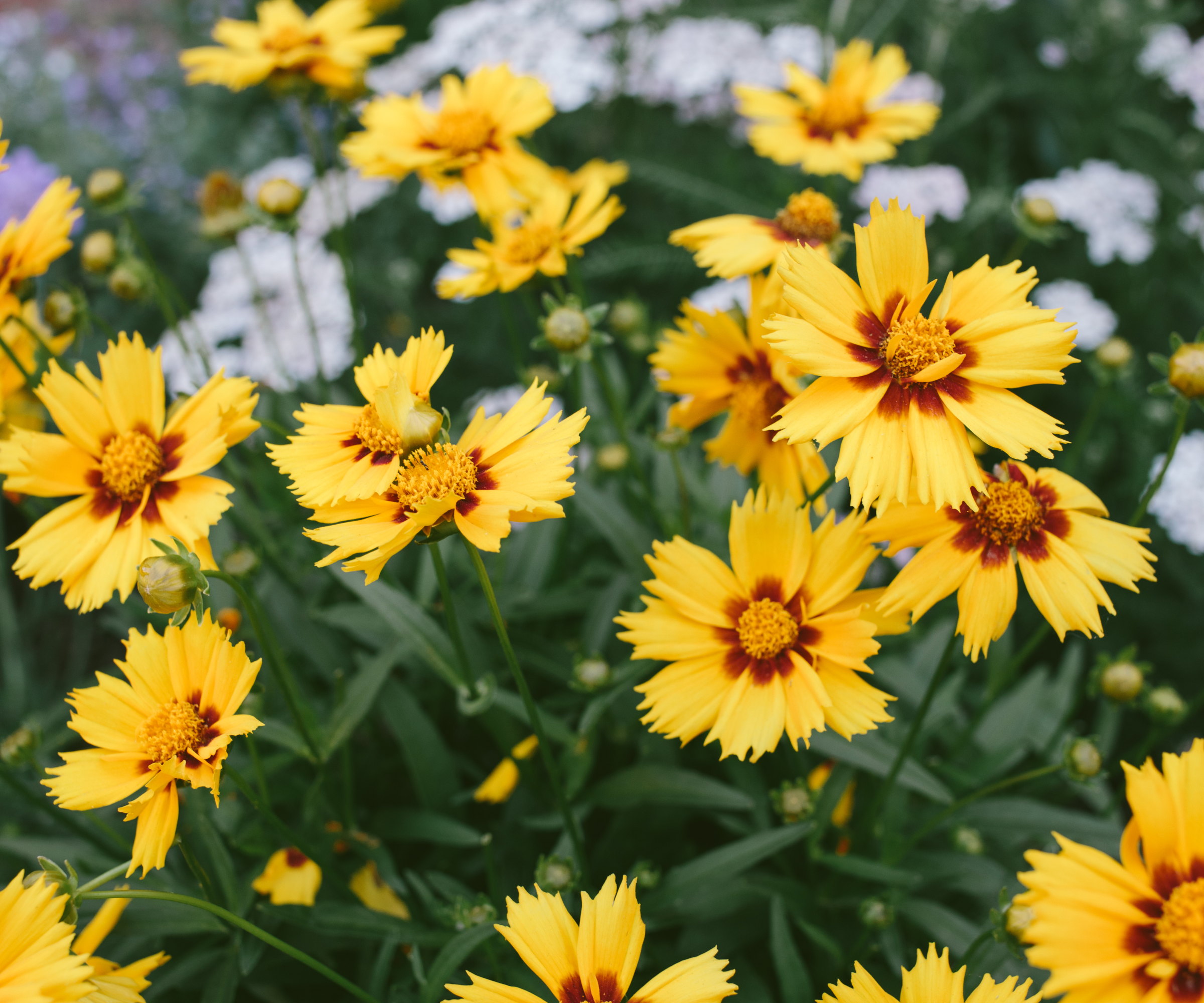
With over 100 species native to the Americas, coreopsis produces bright, open, daisy-like blossoms that draw a multitude of bees and beneficial butterflies. Lanceleaf coreopsis (Coreopsis lanceolata) features vibrant yellow blooms and thrives in sunny, well-draining soils, making it an ideal candidate for rock gardens, dry slopes, and meadow margins. Leaving spent flower heads intact ensures self-seeding while providing a winter banquet for finches and sparrows.
2. Coneflower (Echinacea)
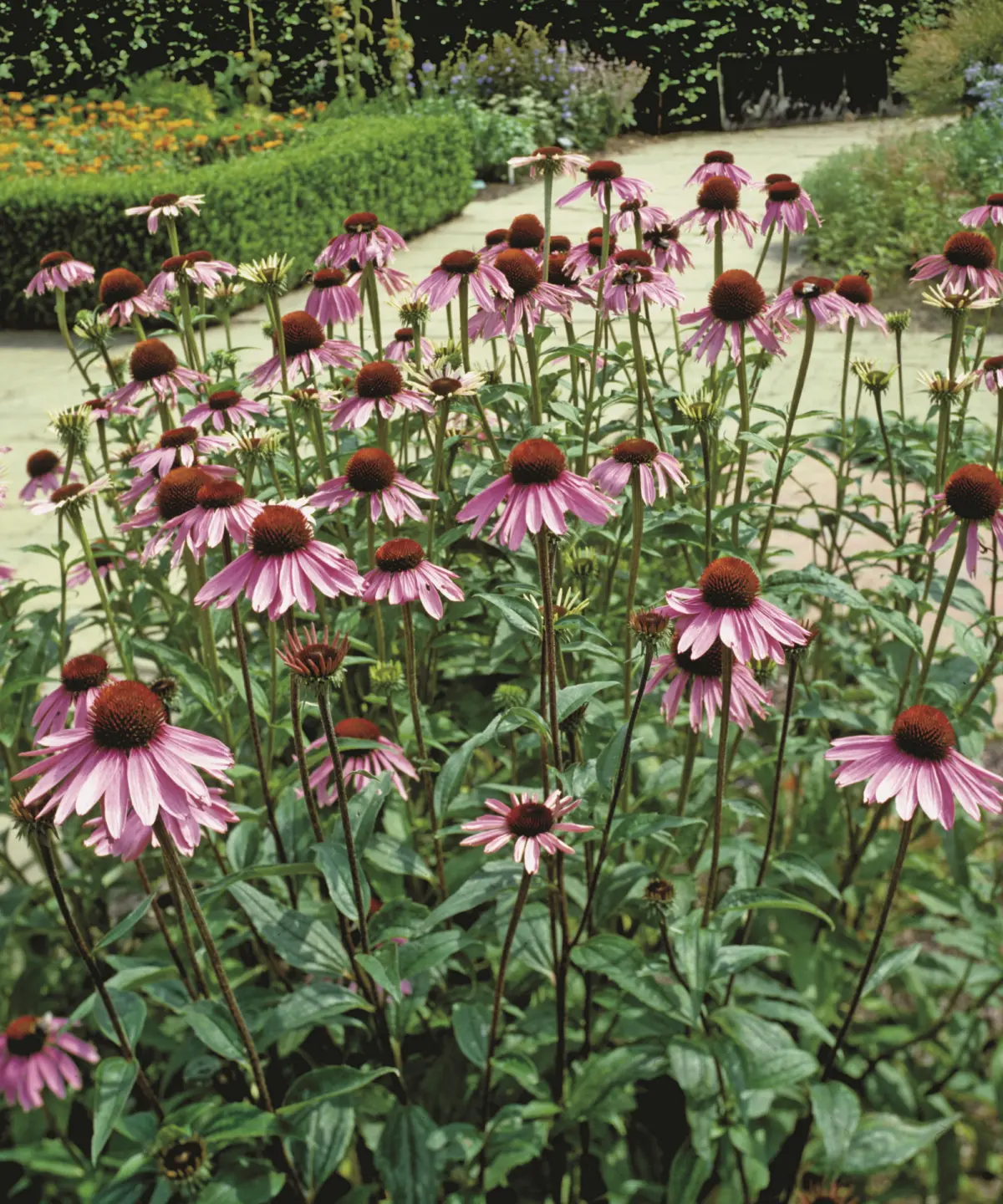
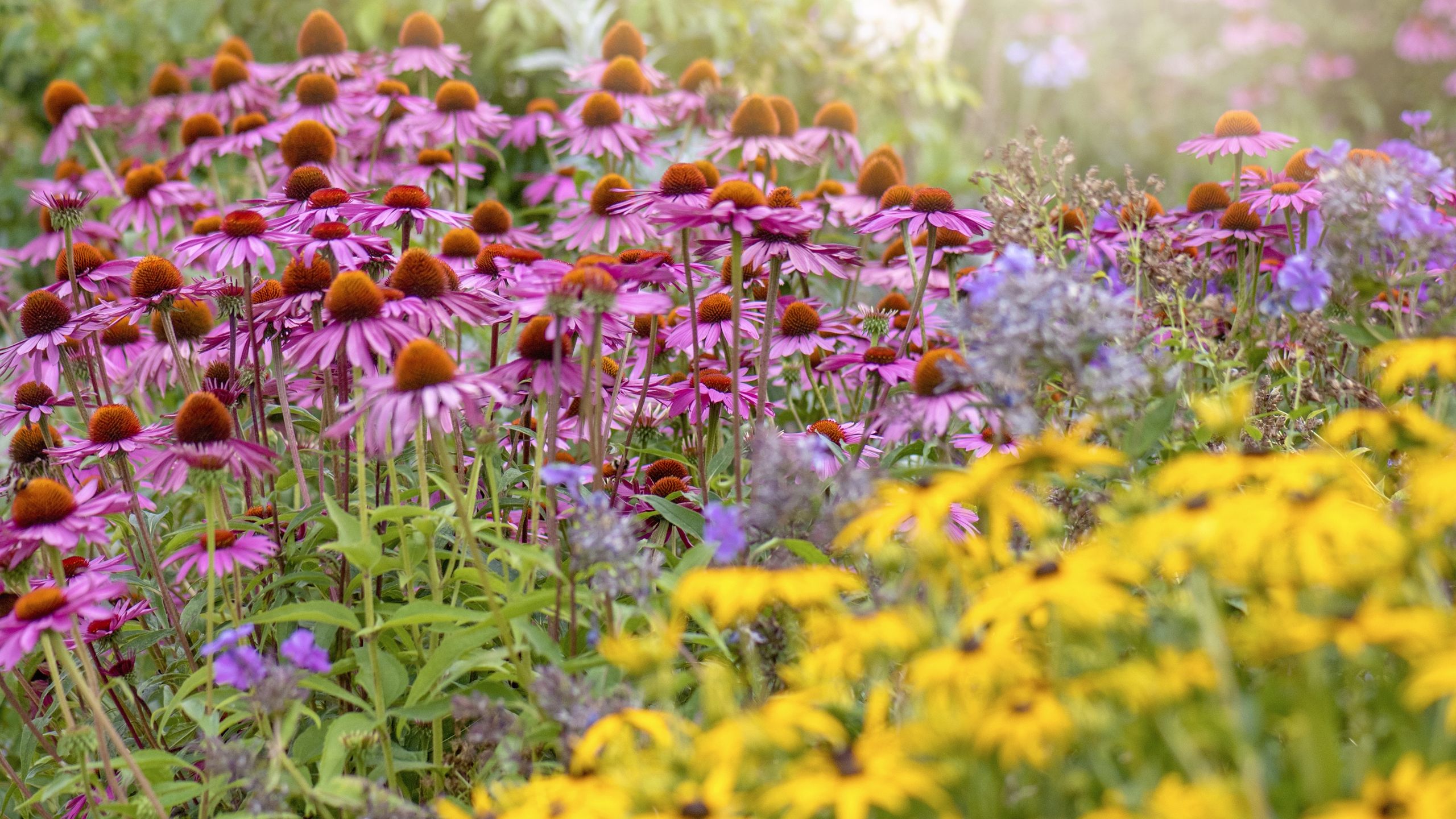
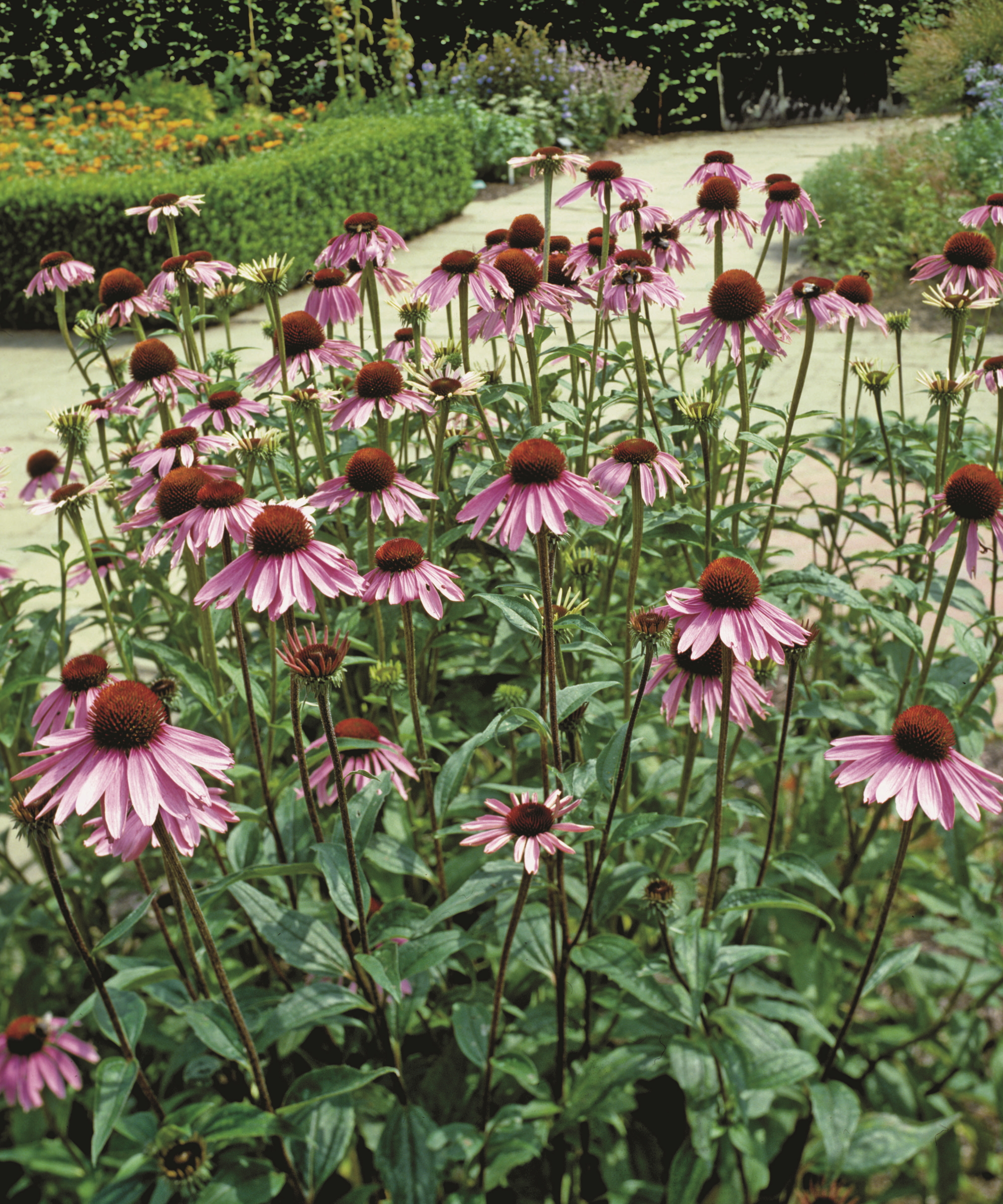
Renowned as a premier perennial for pollinators, the classic purple coneflower (Echinacea purpurea) stands 2 to 4 feet tall, displaying striking pink-purple petals swept back from a prominent central seed cone. Coneflowers thrive in full sun across the central and eastern United States. They readily drop viable seeds that sprout into identical plants the following spring—provided gardeners avoid sterile hybrid cultivars.
3. Black-eyed Susan (Rudbeckia)
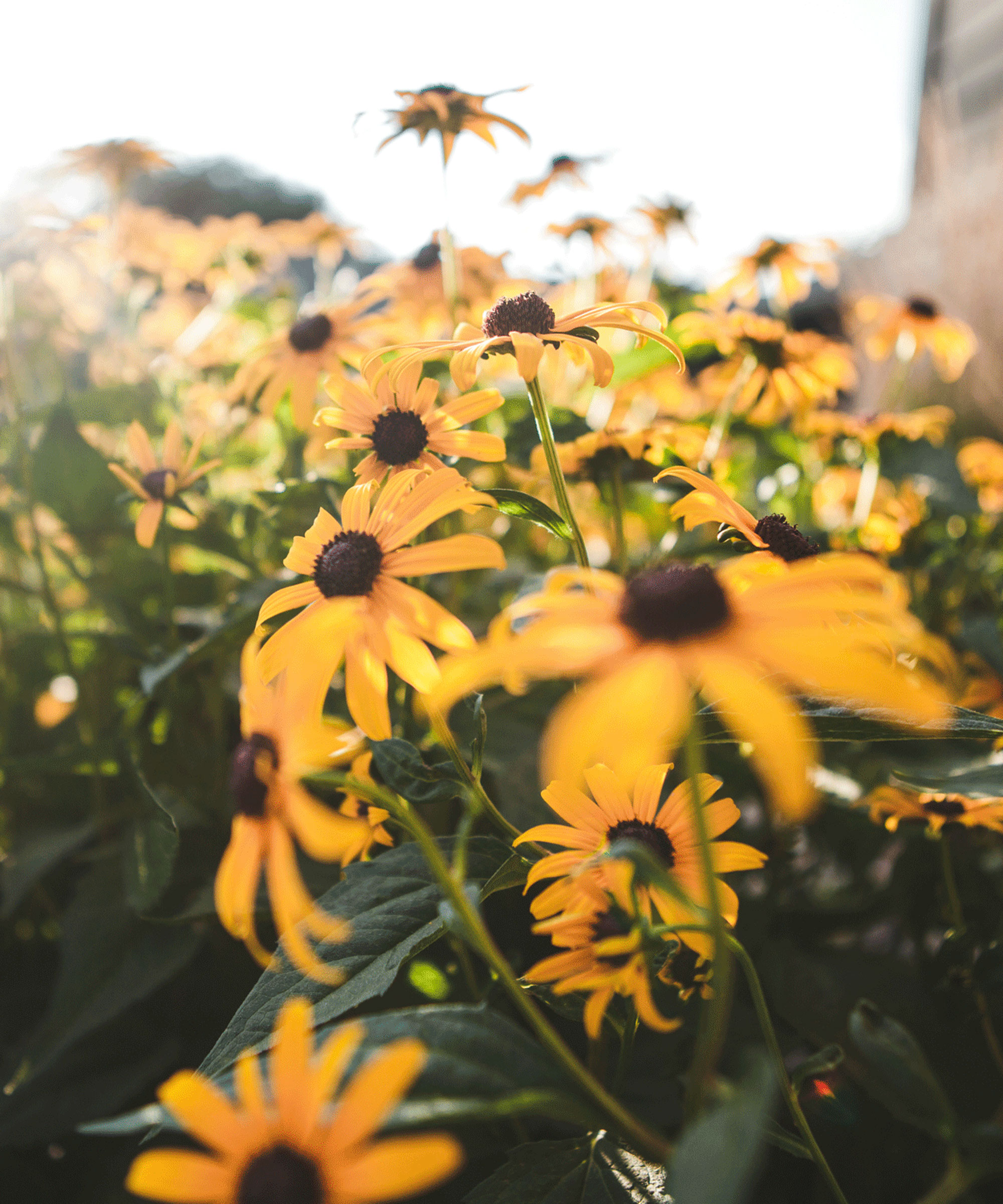
A staple of native prairie plantings, Rudbeckia offers exceptionally long-flowering cycles from mid-summer well into autumn. These nectar-rich blooms attract native bees, predatory wasps, and butterflies. Flourishing in full sun and fertile, well-drained soils, black-eyed Susans are remarkably drought-tolerant once established and will self-seed aggressively if winter deadheading is omitted.
4. Milkweed (Asclepias)
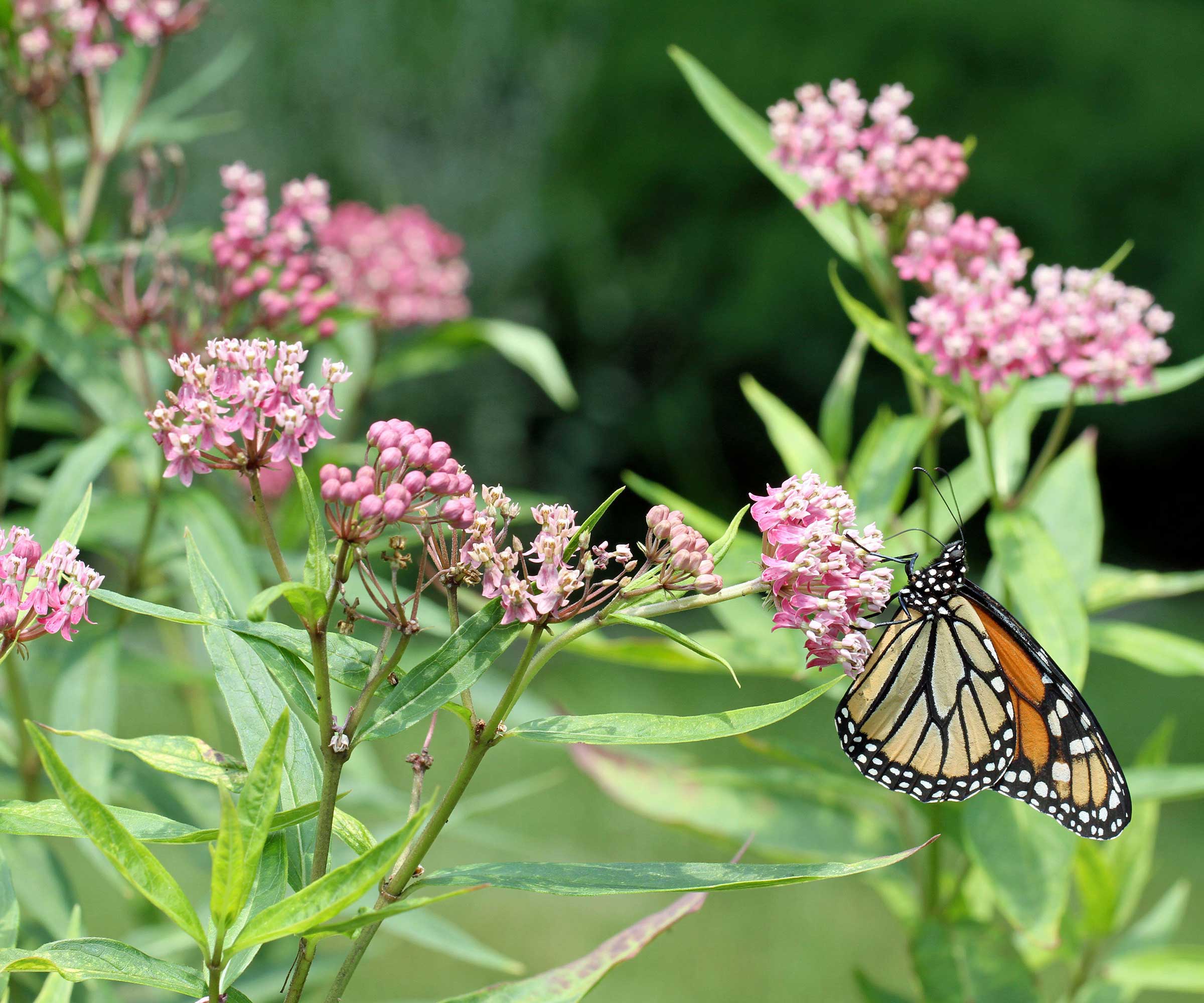
Far from being a mere agricultural nuisance, milkweed is an absolute ecological necessity. As the exclusive host plant for Monarch butterfly larvae, growing species such as common milkweed (Asclepias syriaca), swamp milkweed (Asclepias incarnata), or butterfly weed (Asclepias tuberosa) is vital for species preservation. Milkweed seeds naturally disperse via silky pods carried on the wind, establishing new colonies in sunny corners where they can support successive generations of butterflies.
5. Bee Balm (Monarda)
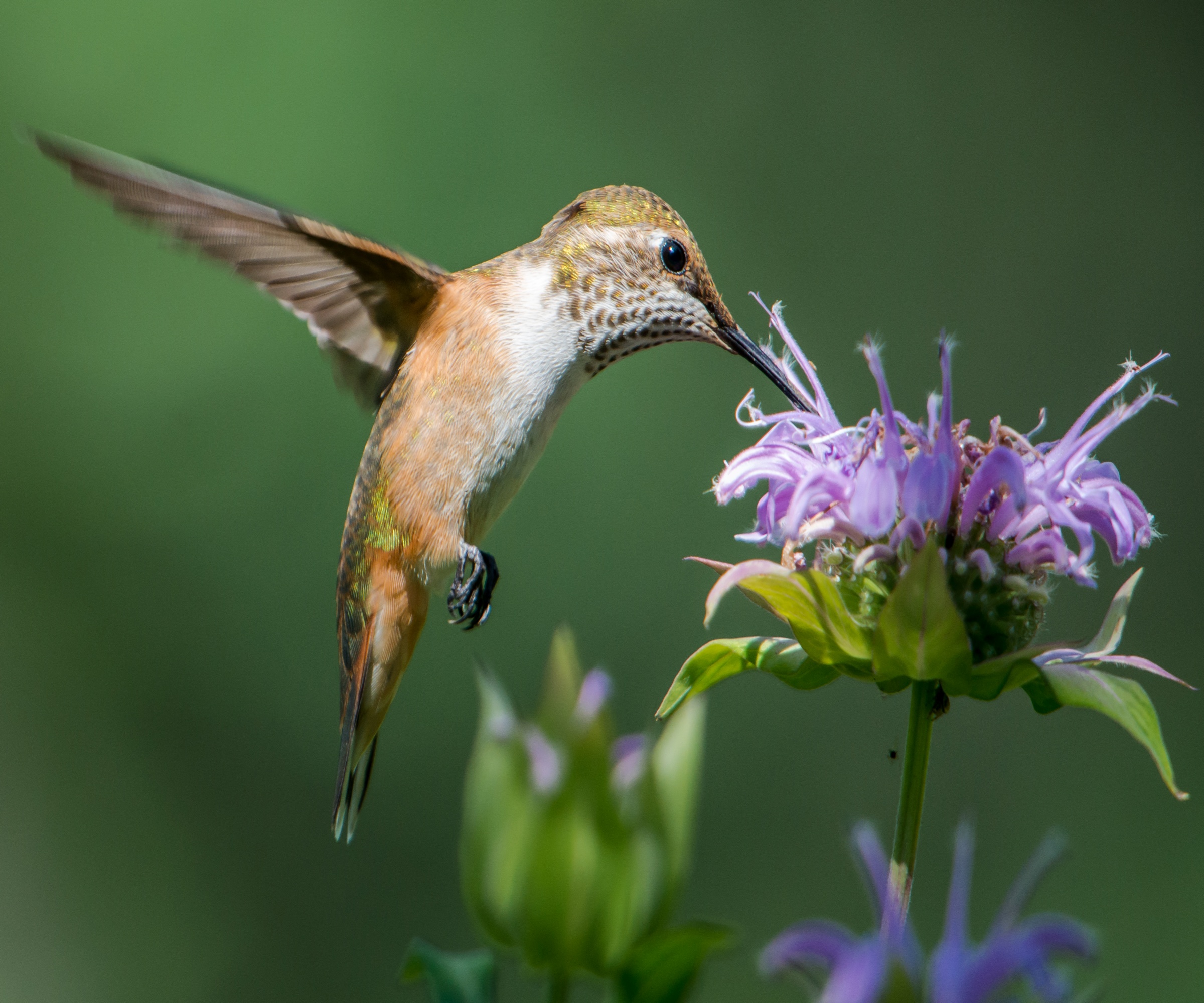
Also known as wild bergamot or horsemint, bee balm produces shaggy, tubular clusters of red, pink, purple, or white flowers that act as a magnet for hummingbirds, long-tongued bees, and butterflies. Thriving in average garden soils amended with organic matter to balance moisture retention and drainage, bee balm spreads via underground rhizomes as well as surface seed drop, creating magnificent, fragrant swaths of color.
6. Goldenrod (Solidago)
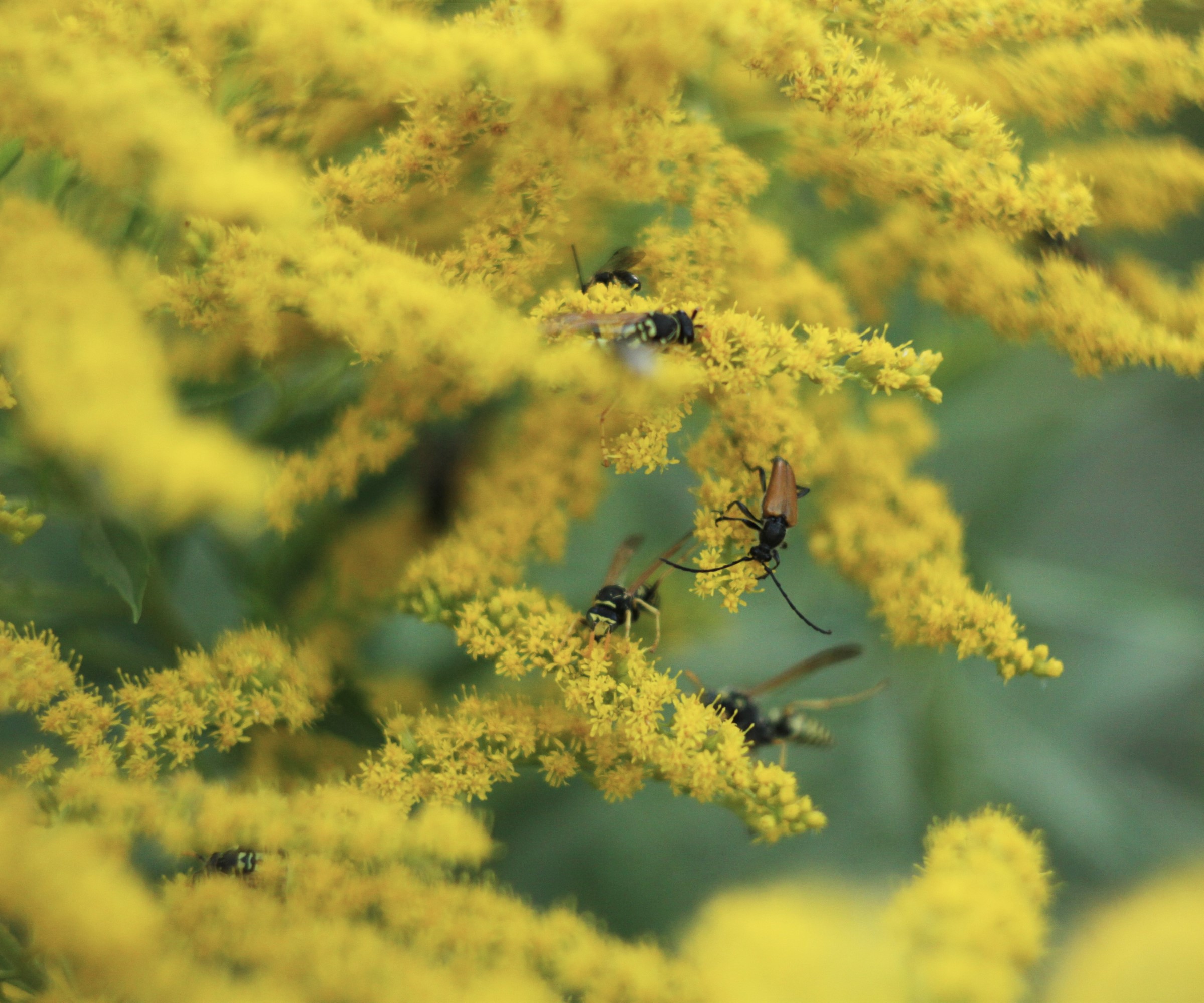
Long unfairly blamed for seasonal allergies (a misconception, as heavy goldenrod pollen is insect-pollinated rather than wind-borne), goldenrod provides a critical late-season nectar bonanza for struggling pollinators preparing for winter and Monarchs embarking on their southward migration. Varieties like ‘Fireworks’ produce striking, cascading plumes of gold from late summer until the first hard frost, easily self-seeding and readily managed through occasional crown division.
7. Blue Vervain (Verbena hastata)
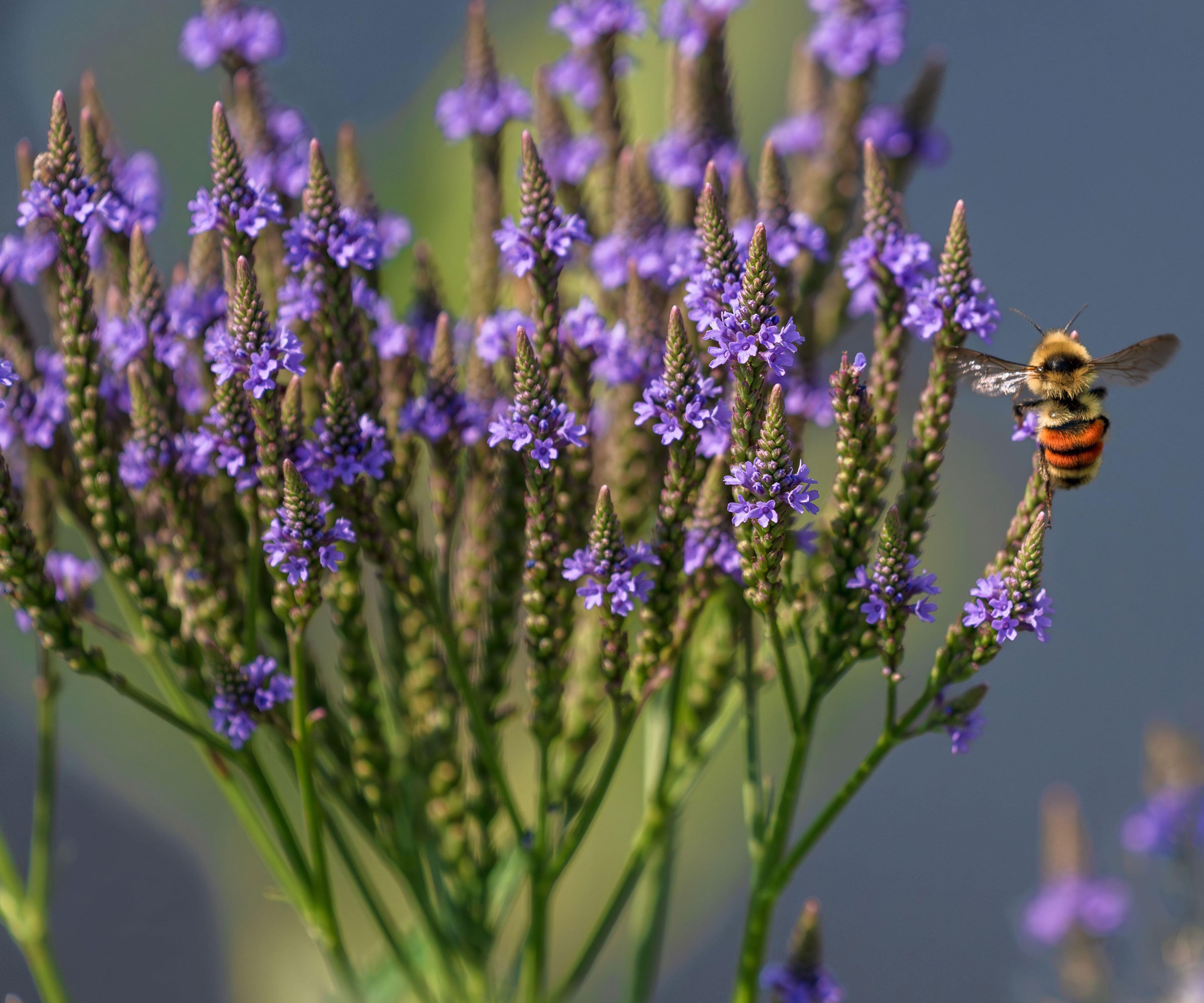
Boasting elegant, candelabra-like spikes of deep blue-purple flowers atop tall stems reaching up to five feet, blue vervain is exceptionally attractive to a wide array of beneficial insects. Because its native habitat includes damp meadows and riverbanks, it is an outstanding choice for rain gardens, bioswales, or damp perimeters around garden ponds. It self-seeds reliably without becoming aggressive, ensuring a recurring display of vertical structure year after year.
Conclusion: Transforming Your Landscape into a Pollinator Pit Stop
Transitioning a portion of your yard into a self-seeding native pollinator haven is one of the most rewarding investments a gardener can make. By carefully selecting and planting native stalwarts this August—such as coreopsis, coneflowers, black-eyed Susans, milkweed, bee balm, goldenrod, and blue vervain—you lay the foundation for a dynamic, low-maintenance ecosystem.
Embracing a slightly wilder, more naturalistic approach that defers heavy autumn cleanup until spring yields compounding ecological dividends. Not only will your garden buzz with life and color for years to come, but you will also play a direct, meaningful role in supporting local biodiversity and wildlife conservation right in your own backyard.
