

WASHINGTON — In the meticulous world of professional construction, fine woodworking, and everyday DIY craftsmanship, the humble utility knife remains an indispensable workhorse. Whether scoring rigid drywall, slicing through industrial-grade cardboard, carving precision angles into foam insulation, or tearing up stubborn wall-to-wall carpeting, the efficiency and safety of the operation ultimately depend on a single, vital component: the blade.
Recent market evaluations assessing dozens of top-tier cutting edges have highlighted a dramatic evolution in materials engineering, moving far beyond traditional carbon steel. Today’s professional-grade utility knife blades are engineered to balance extreme hardness with critical flexibility, transforming a simple workshop accessory into an advanced feat of metallurgy. Leading the pack in recent testing are engineered solutions like the Lenox Gold Utility Knife Blades, celebrated for their bi-metal construction, though a crowded field of high-value, specialized alternatives caters to distinct trade demands.
Main Facts: The Anatomy of Modern Cutting Performance
At first glance, a utility knife blade may appear to be a simple stamped piece of steel. However, manufacturing advancements have turned these tools into sophisticated instruments designed to withstand immense torsional and frictional stress.
Industry analyses demonstrate that standard carbon steel, while exceptionally sharp out of the box, loses its edge rapidly when subjected to abrasive materials like gypsum board or fiberglass insulation. To combat premature wear, modern manufacturers utilize advanced heat treatments, high-speed steel edges, and proprietary coatings such as titanium nitride. These enhancements significantly prolong edge retention, reducing downtime on job sites where frequent blade changes interrupt workflow.
Furthermore, safety engineering has taken center stage. Modern blade designs prioritize fracture resistance. When subjected to heavy sideways pressure—a common hazard when cutting thick or binding materials—older blades tend to shatter violently, sending sharp metal fragments flying. Contemporary bi-metal designs allow the blade to flex under pressure rather than snap, drastically minimizing workplace injury risks.
Chronology: The Evolution of the Workshop Cutting Edge
To understand the current marketplace for utility knife blades, it is helpful to look back at how the technology has progressed:
- Early 20th Century: The introduction of replaceable-blade pocket knives and early utility designs revolutionized light industrial cutting, replacing fixed-blade knives that required tedious, constant sharpening on whetstones.
- The Late 20th Century: Standardized trapezoidal carbon steel blades became ubiquitous across residential construction and shipping facilities. While affordable, these blades dulled quickly and posed a high risk of snapping under heavy torque.
- The Early 2000s: Introduction of bi-metal technology to the utility knife market. By welding a high-speed steel cutting edge to a flexible spring-steel backing, manufacturers solved the historical dilemma of choosing between a blade that held its edge and one that resisted breaking.
- Present Day: The market features hyper-specialized options, including titanium nitride-coated edges for extreme wear resistance, precision-honed budget packs in bulk dispensers, serrated friction-reduction designs, and specialized hook and snap-off configurations tailored to specific trades.
Supporting Data: Product Performance and Category Breakdown
Market research and hands-on testing of leading utility blade options reveal distinct tiers based on application, budget, and design specialization.
1. Best Overall: Lenox Gold Utility Knife Blades
- Construction: Bi-metal with a high-speed steel edge and titanium nitride coating.
- Performance Metrics: Outlasts standard carbon steel significantly. The flexible backing allows the blade to bend under extreme lateral pressure rather than fracturing. Features a four-notch design for extended reach into thicker materials.
- Ideal Applications: General contracting, drywall scoring, heavy cardboard breakdown, carpet trimming, and moulding adjustments. Fully compatible with all standard utility knives.
2. Best Value (Bang for the Buck): Craftsman Heavy-Duty Utility Blades (100-Pack)
- Construction: Precision-honed carbon steel with a pointed tip.
- Performance Metrics: Offers exceptional volume pricing. Precision grinding ensures high initial sharpness. Packaged in a secure plastic dispenser that prevents loose blades from shifting in toolboxes.
- Ideal Applications: High-turnover environments where frequent blade disposal is preferred over resharpening or extended use.
3. Best Hook Blades: Craftsman Hook Blades (50-Pack)
- Construction: Specialized curved profile with a precision-honed edge.
- Performance Metrics: The curved hook slides underneath dense materials, slicing upward and outward to prevent surface scratching on subfloors or underlying layers.
- Ideal Applications: Laying or ripping thick commercial carpeting, cutting heavy canvas, linoleum, and roofing materials.
4. Best Serrated Blades: Rapid Edge Serrated Utility Knife Blades
- Construction: Steel blades featuring a micro-serrated cutting edge.
- Performance Metrics: Engineered specifically to reduce surface friction. By breaking up the contact point with the material, the serrations glide smoothly through dense, binding substances.
- Ideal Applications: Cutting thick foam insulation, heavy-duty rubber, thick structural rope, and industrial packing materials where high friction usually causes standard blades to bind.
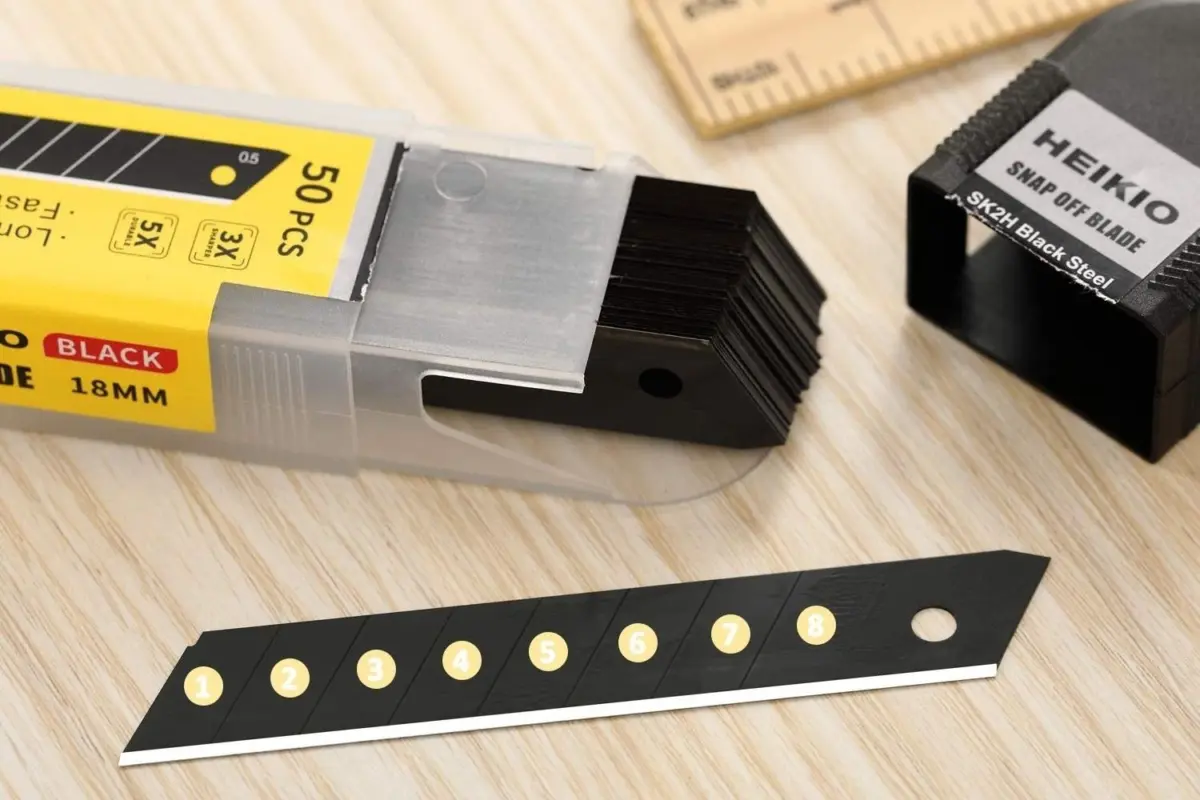
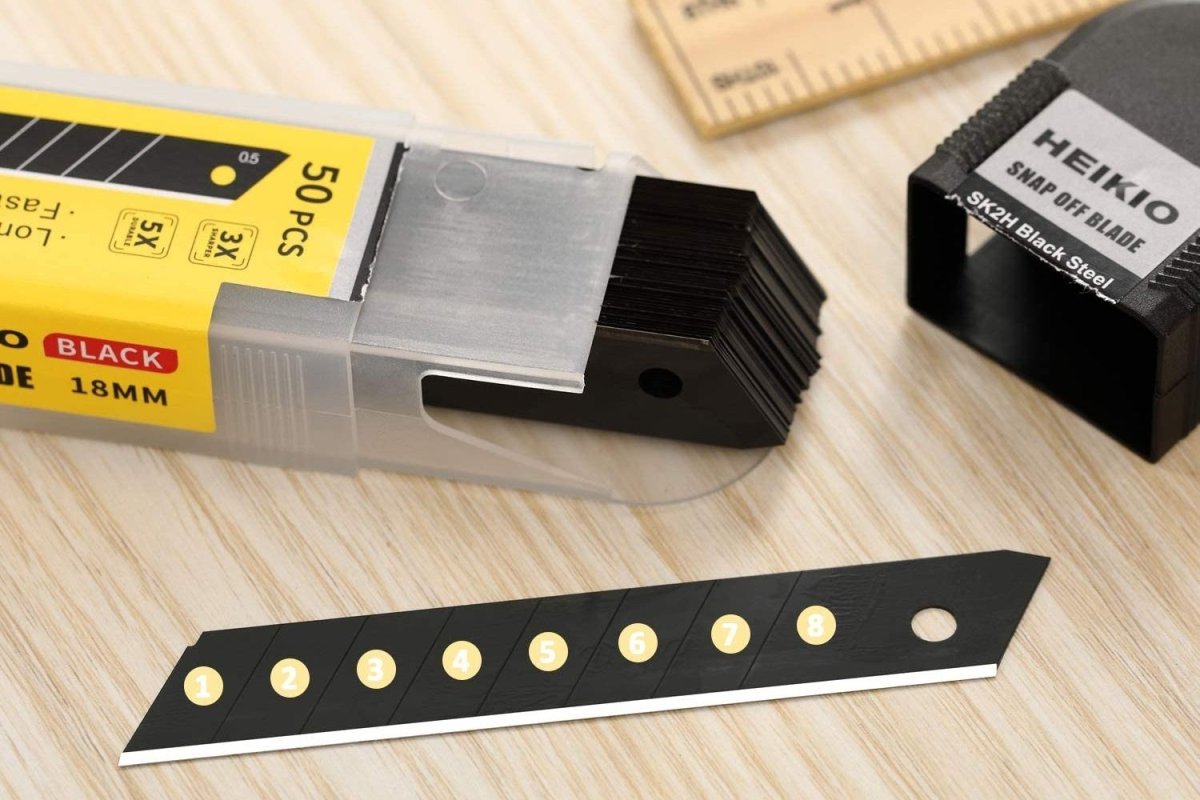
5. Best Snap-Off Blades: Heikio Snap-Off Blades (50-Pack)
- Construction: High-quality carbon steel configured for 18-millimeter retractable snap-off handles.
- Performance Metrics: Each blade contains eight distinct, easily snappable segments, providing an instant fresh edge without requiring tool disassembly. Housed in a secure plastic storage container.
- Ideal Applications: Precision crafts, fine cardboard trimming, wallpaper installation, and detailed leatherworking.
Official Responses & Industry Perspectives: Safety and Efficiency Standards
Safety administrators and trade professionals emphasize that proper blade selection is not merely a matter of convenience, but a critical element of job-site OSHA compliance and injury prevention.
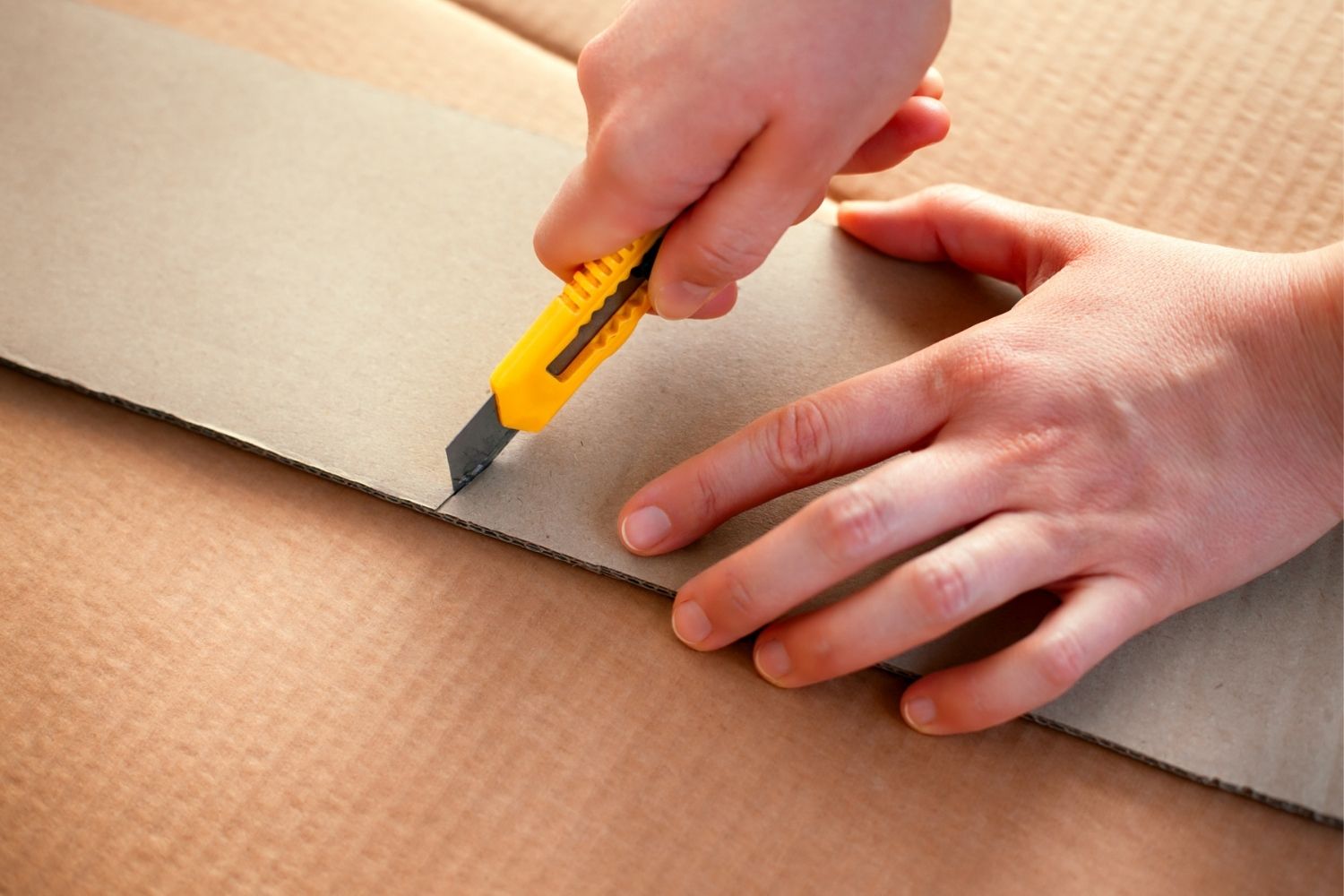
"A dull blade is a dangerous blade," notes a leading safety consultant for residential construction associations. "When a cutting edge loses its sharpness, workers naturally apply excessive, uncontrolled force. That is when slips happen, resulting in severe lacerations. Investing in high-retention blades or establishing a routine of frequent, safe blade replacement prevents accidents before they occur."
Furthermore, manufacturers emphasize that standardizing blade dimensions across the industry has allowed for unprecedented cross-compatibility. Except for specialized snap-off formats, nearly all standard utility knives accept universal trapezoidal and hook configurations, giving craftsmen the freedom to pair high-performance blades with their preferred handle ergonomics.
Implications: Making the Right Choice for Your Workshop
Choosing the correct utility knife blade ultimately hinges on balancing the demands of the project against material costs and safety considerations.
- For the General Contractor: Premium bi-metal blades with specialized coatings (such as titanium nitride) represent the most cost-effective long-term investment, minimizing downtime spent changing broken or dulled edges during heavy structural work.
- For High-Volume Packing and Shipping Operations: High-count, precision-honed carbon steel packs offer maximum economic efficiency, allowing staff to discard dull blades instantly without hesitating over material costs.
- For Specialized Trades (Flooring and Insulation): Hook and serrated blades are not optional luxuries; they are fundamental necessities that drastically reduce physical strain, improve cut quality, and protect underlying substrates from accidental damage.
By understanding the metallurgical differences, application profiles, and safety mechanisms inherent in modern utility blades, professionals and DIYers alike can optimize their workflow, ensuring every cut is clean, efficient, and secure.
