

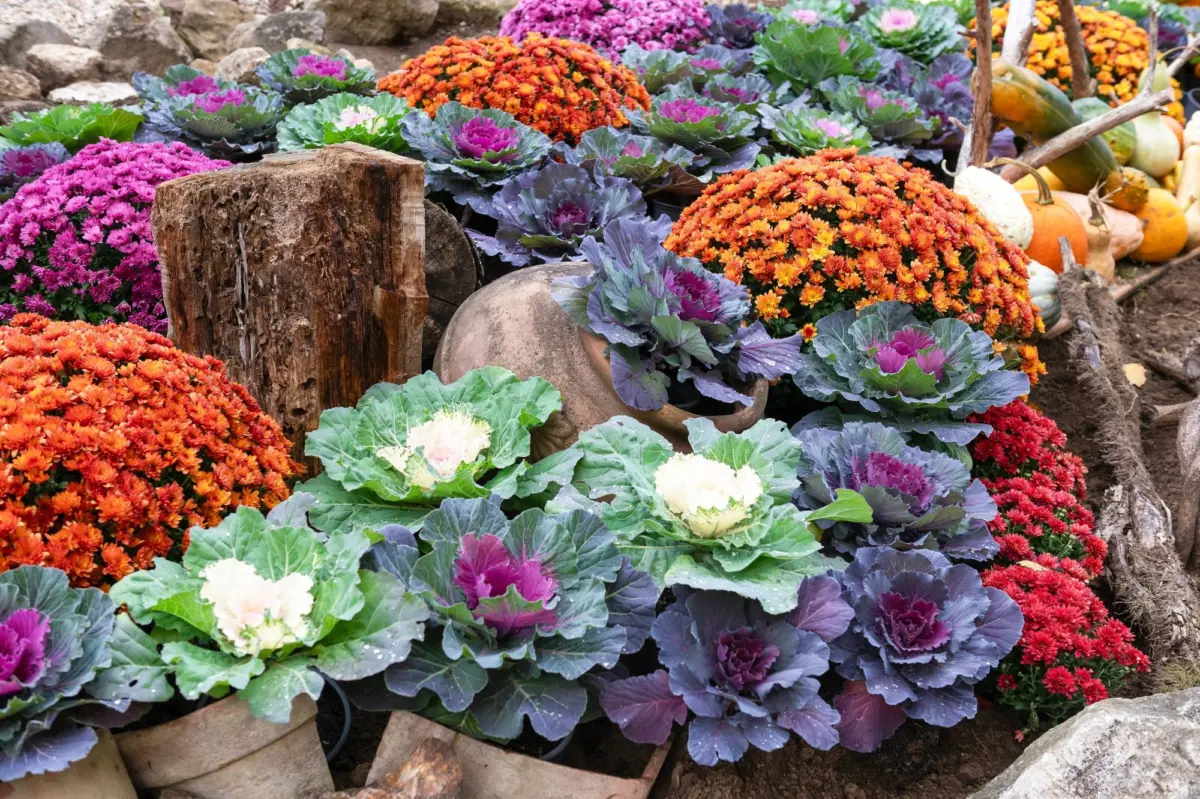
As summer fades and the intense pressure of constant weeding, deadheading, and harvesting begins to ease, September often feels like an awkward transitional lull for homeowners and green thumbs alike. With the year’s last tomatoes softening on the vine and autumn crops still quietly maturing underground, it is easy to view this month as a dormant waiting period.
However, horticultural experts argue the exact opposite. Far from being a dreary interlude, September is the "golden hour" for garden creativity—a cooler, more forgiving month that invites experimentation without the relentless demands of peak summer heat.
"September is not an ending; it is a golden hour for creativity and a quiet invitation to dream up what comes next," says Zeeshan Haider, CEO and founder of Greenry Enthusiast in Sheridan, Wyoming.
To help homeowners make the most of this vibrant seasonal shift, we have compiled five expert-approved projects and strategies designed to elevate, revitalize, and prepare your outdoor oasis for the cooler months ahead.

Main Facts: Embracing the September Transition
The core strategy of September gardening revolves around shifting focus from high-maintenance summer upkeep to architectural design, container styling, and forward-looking propagation. Key elements of this seasonal pivot include:
- Shifting Color Palettes: Replacing fading summer annuals with deep, frost-tolerant autumn hues like burgundy, near-black purple, and rust orange.
- Seasonal Crafting: Utilizing late-season garden yields—such as limelight hydrangeas and aromatic herbs—to create functional home decor.
- Structural Hardscaping: Installing small, low-maintenance water features that elevate backyard ambiance.
- Future Planning: Implementing advanced bulb-layering techniques in containers to guarantee a continuous, multi-season floral display extending from late winter through spring.
Chronology: The Seasonal Evolution of the Autumn Garden
Understanding the natural progression of the autumn garden helps homeowners time their projects for maximum visual impact and plant health.
Early September: The Palette Shift and Crafting Phase
As daytime temperatures begin to moderate, the immediate task is replacing heat-stressed summer plants. Early September is the ideal window to plant cool-season varieties like ornamental kale, frilly cabbages, and coral bells, which actually intensify in color as the weather cools. Simultaneously, gardeners can harvest the last of the season’s perennial herbs—such as basil, sage, and thyme—for drying stations, and clip pristine limelight hydrangeas before they brown to craft welcoming autumn door wreaths.
Mid-September: Structural Upgrades and Water Features
With the atmospheric temperature settling comfortably, mid-month offers optimal conditions for DIY hardscaping projects. Constructing container water features or installing minimalist solar pumps takes advantage of comfortable outdoor working conditions. It also ensures that the soothing auditory elements of a garden fountain are fully established before entertaining moves indoors for the late autumn.

Late September to October: Subterranean Investments
As the calendar edges closer to October, attention shifts firmly to the soil. Late September marks the prime window for bulb planting. By utilizing the vertical "bulb lasagna" technique—layering tulips, daffodils, hyacinths, and crocuses at precise depths within a single container—gardeners make a long-term investment that silently establishes itself underground while the rest of the landscape prepares for winter dormancy.
Supporting Data: Selecting the Right Palette and Materials
Transforming a September garden requires an intentional selection of flora, containers, and building materials to withstand changing weather patterns while maximizing aesthetic appeal.
The Moody Autumn Color Palette
To capture the essence of the harvest season, horticulturists recommend moving away from pastel summer tones and embracing a rich, saturated colorway:
- Deep Burgundy & Rust Orange: Sourced from coral bells (Heuchera) and autumn mums, these warm shades anchor the garden design.
- Near-Black Purple: Achieved through plants like black mondo grass (Ophiopogon planiscapus ‘Nigrescens’), adding dramatic, spiky contrast.
- Silver & Cream: Provided by dusty miller (Jacoba maritima) or ornamental cabbage, creating a ghostly, balanced border that makes darker tones pop.
Container and Hardware Guidelines
When upgrading pots and water features for fall, material choice dictates both durability and style:

- Pots: Opt for matte, weathered finishes such as dark glazed ceramics, aged concrete, or industrial galvanized metal tubs. Avoid bright, glossy plastics that clash with the rustic, organic aesthetic of autumn.
- Water Features: For a low-profile DIY fountain, utilize a glazed ceramic pot or a half-whiskey barrel, seal drainage holes with marine-grade silicone, and integrate a low-voltage solar or plug-in pump rated between 80 and 130 gallons per hour.
Official Responses and Expert Insights
Industry professionals emphasize that September’s unique climate offers a psychological and biological reprieve for gardeners, allowing for a shift from exhausting labor to artistic expression.
"I love turning quiet corners into moody fall container gardens, mixing deep purple mums, ornamental peppers, and frilly cabbage that actually gets more vibrant as the temperature drops," notes Zeeshan Haider. "It feels like painting with living colors."
Detailing the transition from garden to front-door decor, floral educator Erin Williams of Gathered from the Garden highlights the simplicity of utilizing natural materials. For a long-lasting autumn wreath, Williams advises gardeners to look for limelight hydrangea blossoms that feature a clean mix of white, green, and pink petals without any brown spots. By slotting these stems at an angle into a simple grapevine wreath form—secured without wire—homeowners can craft an organic piece that welcomes guests with a sophisticated seasonal vibe.
When discussing the integration of aquatic elements, Loren Taylor of Outdoor Fountain Pros points out that DIY container water gardens are both cost-effective and surprisingly straightforward. "I usually stick to a hardy dwarf water lily or a native rush suited to the region, sourced from a local nursery that knows the rules," Taylor explains, noting that the entire project takes an afternoon and costs less than purchasing a standard landscape shrub.

Implications: The Long-Term Benefits of September Gardening
Investing time and creativity into your garden during September yields significant dividends that extend far beyond the immediate autumn months.
Maximizing Micro-Spaces Through Vertical Design
Techniques such as vertical bulb layering—often confused with multi-pot bulb lasagna—fundamentally change how small urban yards and patios utilize space. By placing large, late-blooming bulbs (tulips and daffodils) at the base of a container, medium-sized bulbs (hyacinths) in the middle, and early-blooming miniatures (crocuses) near the surface, gardeners bypass horizontal space constraints. The result is a staggered, continuous floral parade that transforms a single container from a barren winter pot into a rotating show spanning late winter through late spring.
Psychological and Environmental Harmony
Above all, September gardening bridges the psychological gap between the vibrant energy of summer and the stark quiet of winter. As Haider observes, executing parallel projects—such as watching herbs dry naturally on a porch while spring-flowering bulbs silently anchor themselves underground—creates a dynamic environment. The garden remains visually and practically alive, proving that the transition into cooler weather is not a period of dormancy, but an essential season of renewal and quiet anticipation.
