Navigating the labyrinth of modern residential energy systems can feel like an exercise in frustration. As homeowners increasingly seek total resilience against grid instability, extreme weather events, and fluctuating electricity pricing, the demands placed on home energy setups have grown exponentially.
Earlier this week, a home solar shopper took to Reddit looking for the ultimate holy grail: a comprehensive home solar panel and battery backup system that could intelligently manage solar and grid power, automatically switch over during a power outage, and seamlessly accept internal combustion engine (ICE) generator input during prolonged grid failures.
What started as a theoretical query on the popular r/solar subreddit quickly blossomed into a masterclass on the current state of home energy engineering. By connecting with top industry experts, leaning on the collective wisdom of online communities, and examining hardware capabilities from major manufacturers, a clear picture emerges. The technology to achieve complete, intelligent, multi-source energy independence isn’t just coming—it is already here.
Main Facts
The core inquiry was posted by a Reddit user going by u/MickFlaherty on the r/solar community. The user outlined a complex, multi-layered hypothetical home energy system designed to handle every imaginable worst-case scenario. The criteria included:
Intelligent Power Management: A system smart enough to dynamically balance loads between solar arrays, the utility grid, and energy storage batteries.
Automated Failover: Instantaneous, seamless switching to backup power the moment a grid failure occurs, preventing disruptions to household appliances.
Generator Integration: The ability to accept input from traditional ICE (Internal Combustion Engine) generators—whether portable or standby units—during extended grid outages where solar generation alone might fall short.
Customizable Reserves: Configurable battery thresholds that prioritize self-consumption, protect emergency reserves, and know precisely when to draw from the grid or prompt a generator to start.
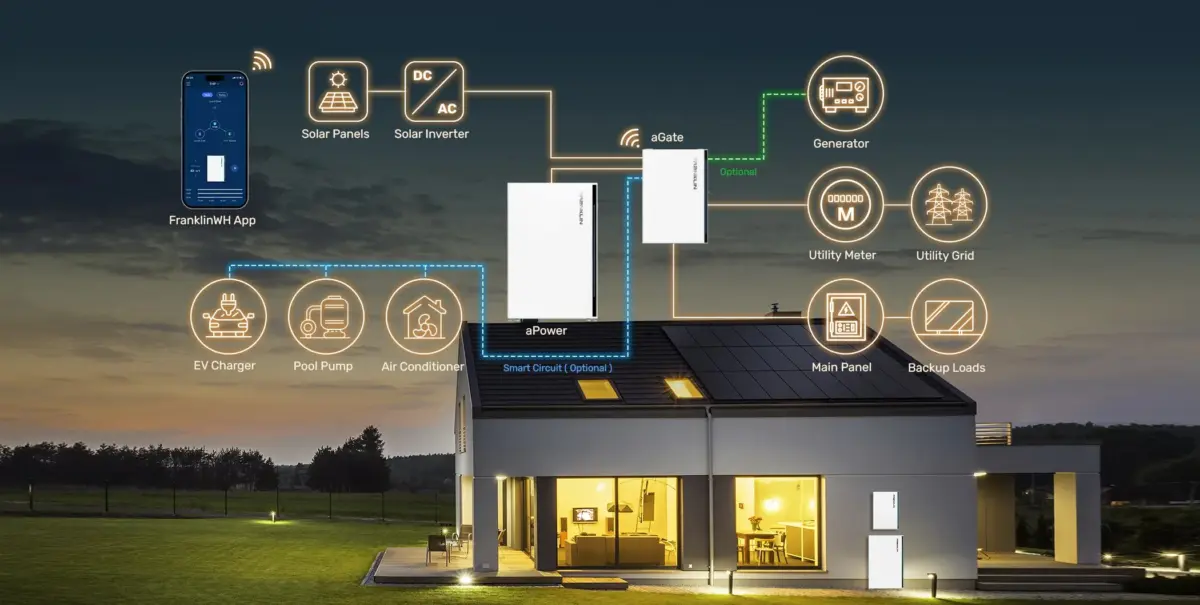
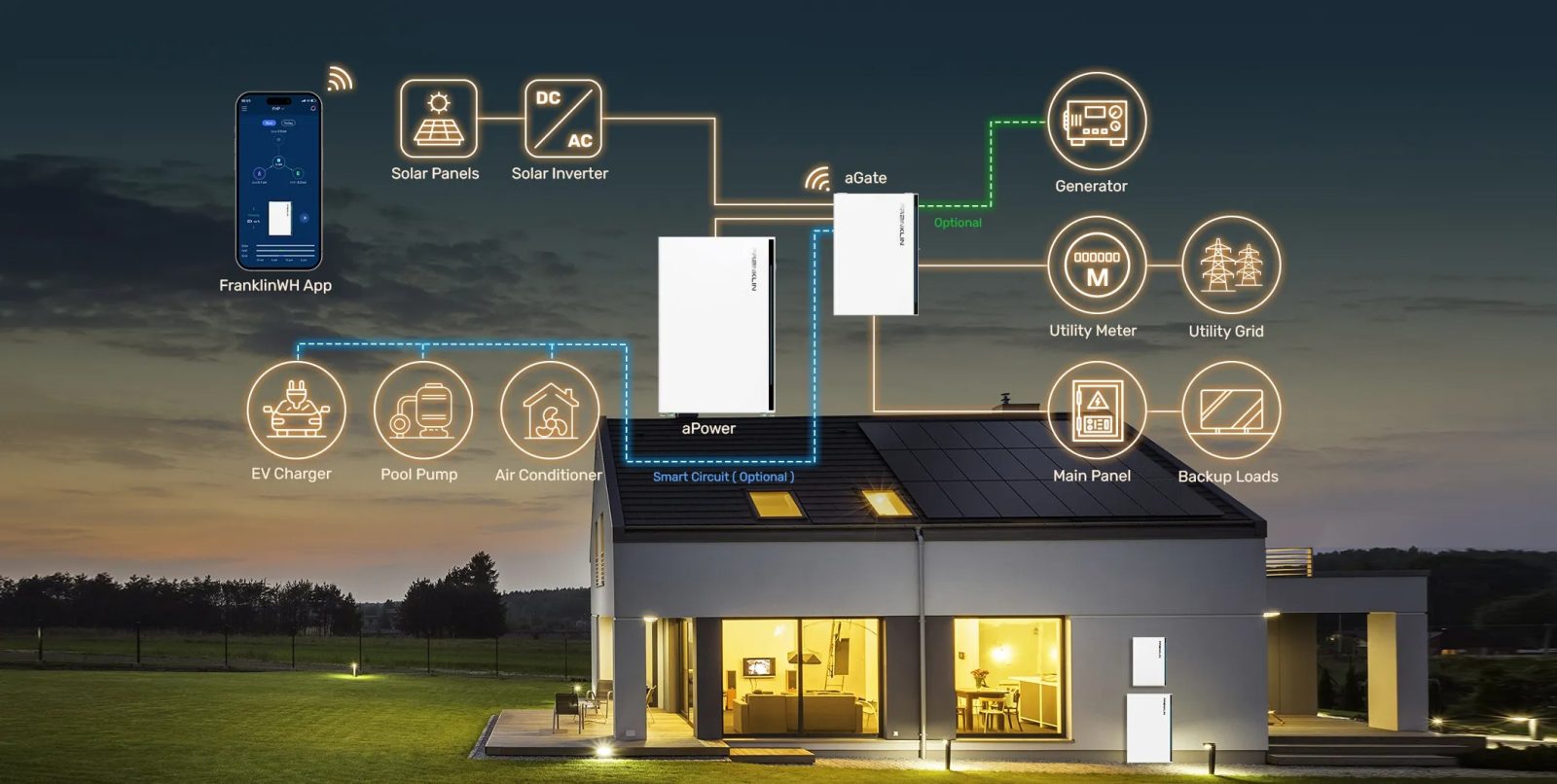
Industry experts confirmed that such advanced configurations are not only possible but are actively being deployed by market leaders like FranklinWH, Enphase, and Sol-Ark. These systems rely on sophisticated hardware controllers—such as FranklinWH’s aGate or Enphase’s microinverter-based ecosystems—that use relay-based switching and advanced software algorithms to orchestrate multiple power streams simultaneously.
Chronology of the Debate
1. The Reddit Inquiry
The conversation began when u/MickFlaherty posted a lengthy, detailed breakdown of his dream setup on r/solar. Concluding the post with a self-aware, "sorry for length of this but just trying to figure out what’s really possible," the user invited technical scrutiny on whether modern hardware could bridge the gap between solar, lithium-ion batteries, and traditional backup generators.
2. Industry Precedent and Expert Outreach
The post struck a chord because it mirrored ongoing discussions in the clean energy sector. Earlier this year, in April, Electrek published an article titled "Backup power is the LEAST interesting thing your home battery can do," which subsequently led to an in-depth interview with FranklinWH CEO Gary Lam on the Quick Charge podcast.
Following the Reddit thread, Electrek reached out to Gary Lam, who connected them with Ronnie Pettersson, FranklinWH’s Vice President of Product and Application Engineering. Pettersson provided technical validation, confirming that the exact system MickFlaherty envisioned matches the intended design of FranklinWH’s ecosystem.
3. Community Feedback and Alternative Solutions
As the Reddit thread gained traction, the online community weighed in with real-world installation experiences. Users pointed out that FranklinWH is not a lone player in this space. Reddit user arcnsparks98, an experienced installer, noted that both Enphase and FranklinWH systems natively handle these exact operational profiles.
Furthermore, user Head_Mycologist3917 highlighted Sol-Ark inverter systems as another robust alternative, proving that careful reading of technical manuals—rather than relying solely on conventional sales pitches—can unlock advanced multi-source capabilities across multiple brands.
Supporting Data & Technical Specifications
To understand how these modern energy systems operate under the hood, it is helpful to examine the hardware and specifications that make multi-source integration possible.
The Brains of the Operation: System Controllers
Modern whole-home backup systems rely on dedicated control hubs—such as the FranklinWH aGate—that sit between the utility meter, the main electrical panel, the solar inverter, and the battery bank.
Grid Monitoring: The controller continuously monitors utility voltage and frequency.
Instantaneous Switching: Upon detecting an anomaly or complete blackout, solid-state relays or heavy-duty contactors disconnect the home from the grid within milliseconds, routing power seamlessly from the battery storage.
Generator Compatibility and Dual-Charging
One of the primary hurdles MickFlaherty asked about was generator integration. According to FranklinWH engineering data, any standard 240V, 60Hz generator—whether it is a small portable unit, a permanent standby gas generator, or even a compatible bidirectional Electric Vehicle (EV)—can be integrated, provided it is properly sized to match the home’s loads and battery specifications.
Standby Generators: Homeowners can set specific upper and lower battery thresholds (for example, a default range of 20% to 80%). When off-grid, the system autonomously starts and stops the standby generator to maintain the battery within that optimal window.
Portable Units: For manually operated portable generators, users start the unit manually and toggle the system onto generator power directly through the manufacturer’s smartphone application.
Simultaneous Charging: A standout technical capability of systems like the FranklinWH aPower S paired with the aGate is the ability to charge batteries from both solar and the generator simultaneously. Most conventional systems on the market force a choice between sources. Dual-source charging accelerates battery replenishment and can cut generator runtime in half, reducing fuel consumption and noise during extended outages.
Battery Reserve Management
Energy management software allows granular control over stored power:
Default Operation: Under normal grid-connected conditions, solar and batteries power the home.
Reserve Protection: Once the battery drops to a user-defined reserve limit (typically 20%), the system automatically pulls power from the utility grid to run household loads, thereby locking away the reserve for an unexpected emergency.
Off-Grid Flexibility: During an actual outage, that locked reserve is deployed. As the battery approaches the threshold, the app alerts the user, signaling that it is time to rely on the grid (if restored) or fire up a backup generator. For purists who wish to remain completely off-grid, systems can also be configured during installation to charge strictly via solar input, ignoring the grid entirely.
Official Responses and Expert Insights
To clear up the confusion surrounding multi-source energy integration, Ronnie Pettersson, Vice President of Product and Application Engineering at FranklinWH, provided an official breakdown of how modern architecture solves these complex requirements:
"The system described in that thread exists, and it’s how FranklinWH’s aGate and aPower S are built to work together," Pettersson explained. "The aGate is the system’s controller, and it continuously monitors the grid. When it detects a failure, it automatically switches the home to battery power."
Addressing generator integration and battery thresholds, Pettersson elaborated:
"For homeowners who also want generator backup, the aGate manages that through the same relay-based switching that makes the automatic grid failover seamless. Any generator works—portable, standby, or even a compatible EV—as long as it’s 240V, 60Hz and sized to the home’s batteries and loads…
The aPower S can charge its batteries from solar and the generator simultaneously, a capability most other systems on the market lack. Charging from both sources at once gets the battery back up faster and can cut generator runtime in half depending on the home’s size."
Community installers echoed these sentiments. As arcnsparks98 noted from the field:
"What you’re describing sounds like the basic operation of both Enphase and FranklinWH… Using the app, you select the discharge level of the batteries so that the generator knows when to kick in. The system disconnects the solar input to allow the generator to charge the batteries to a level that you specify. It could be 100%, 80%, whatever you want."
Implications for Future Homeowners
The realization that highly integrated, multi-source energy systems are commercially available carries several vital implications for consumers looking to invest in residential solar and storage:
Read the Manual (RTFM): As highlighted by community reactions regarding Sol-Ark systems, standard sales representatives and general installers sometimes underestimate the advanced features built into modern hardware. Homeowners who thoroughly research technical documentation can often unlock capabilities that local salespeople assume are impossible.
Moving Beyond Simple Backup: Home batteries are evolving far beyond passive emergency boxes. Features like virtual power plant (VPP) participation, time-of-use load shifting, and intelligent multi-source generator integration mean that a home energy system is an active financial and operational asset.
The Importance of Professional Guidance: Navigating specs, generator sizing, local utility interconnection rules, and software settings is inherently complicated. Prospective buyers are well-advised to consult qualified, pre-vetted professionals—and utilize comparison platforms like EnergySage—to ensure their proposed systems align with their exact resilience goals without paying for redundant or incompatible hardware.
Financial Due Diligence: With complex systems come varying cost structures. Homeowners must weigh equipment costs against available incentives, such as local utility rebates and federal tax credits, consulting with financial or tax professionals to separate marketing hype from genuine economic value.
Ultimately, MickFlaherty’s deep dive into the Reddit ether proves one thing: the modern home energy consumer is increasingly sophisticated, and the engineering community is rising to meet those demands with hardware that is smarter, more resilient, and more flexible than ever before.