


By Automotive and Technology Desk
Published: September 2026
Main Facts
Tesla has officially reopened reservation books for its long-delayed, next-generation Roadster, demanding a hefty $50,000 upfront deposit from prospective buyers just weeks before the vehicle is slated for its long-awaited unveiling. The newly minted reservation portal went live this week, setting the stage for a high-stakes reveal event near Waco, Texas, scheduled for October 1.
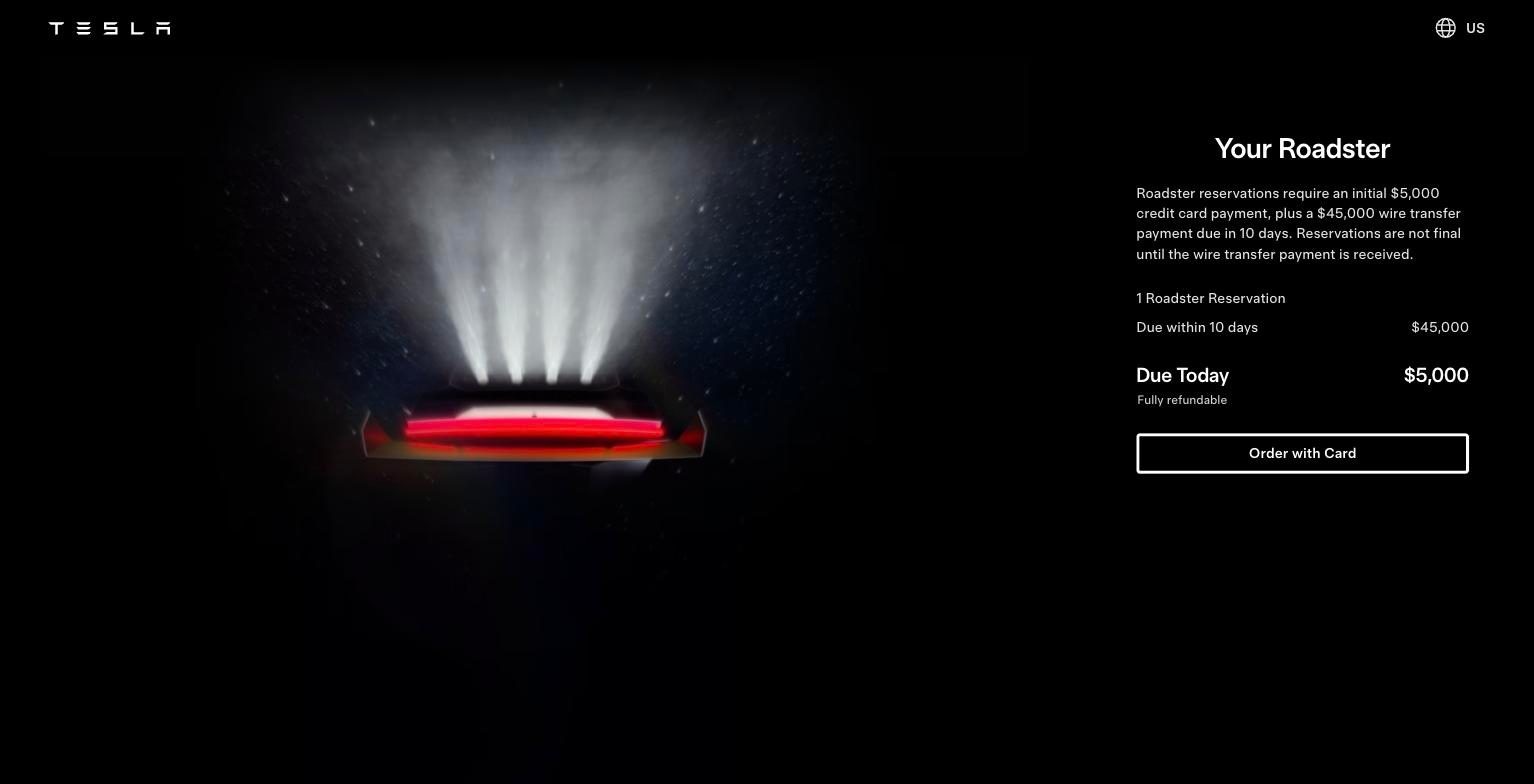
The financial terms of the reservation are split into two strict phases to filter out casual window-shoppers. Interested buyers must first authorize a $5,000 credit card payment—which Tesla labels as "fully refundable"—followed immediately by a $45,000 wire transfer that must clear within 10 days to officially lock in a reservation slot.
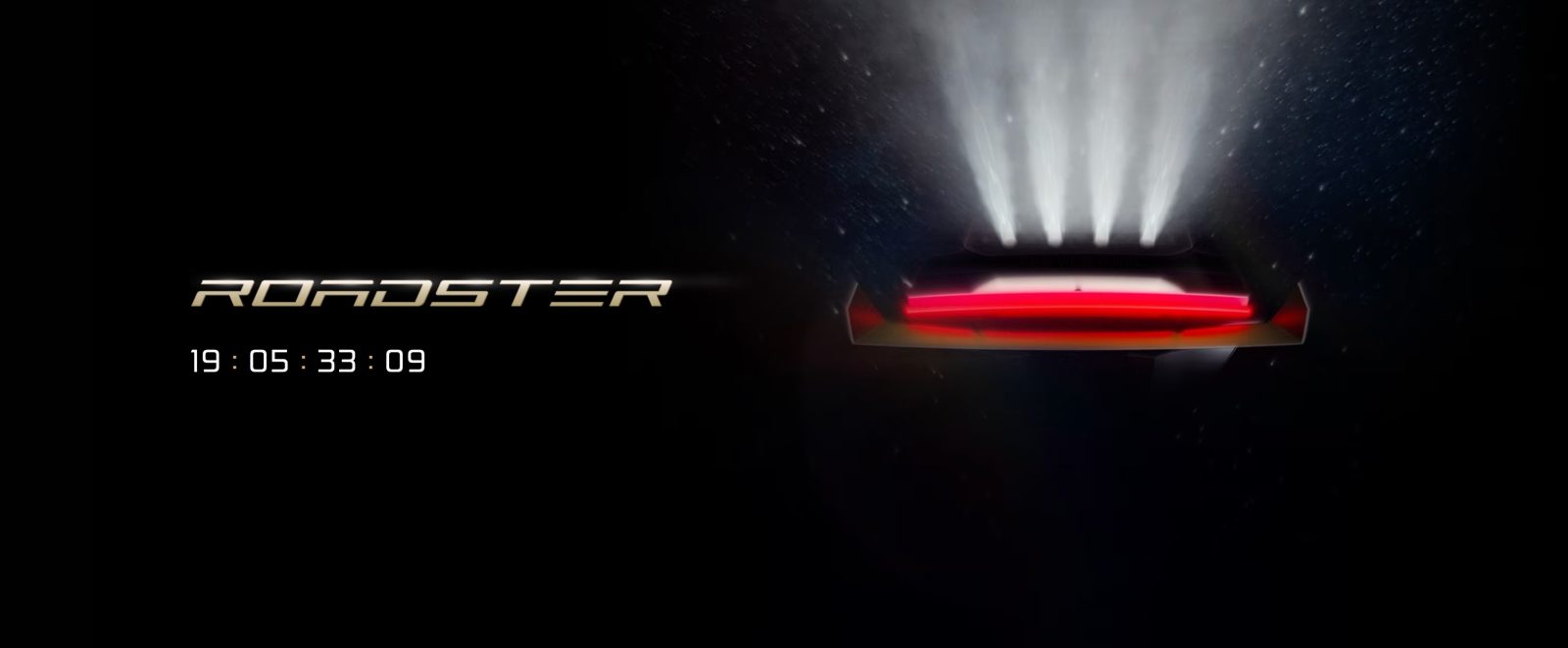
This move comes nearly nine years after Tesla first teased the electric supercar in November 2017. For the original wave of deposit-holders—many of whom handed over identical sums nearly a decade ago—the launch of a new reservation page feels less like progress and more like a cruel rerun of an old script. To date, not a single production unit of the 2017 Roadster prototype has been delivered to a customer.
Chronology of a Never-Ending Wait
To understand the current skepticism surrounding the Roadster, one must look back at the vehicle’s tortured timeline, which spans nearly a decade of missed deadlines, shifting priorities, and frustrated consumers.
- November 2017: Tesla surprises the world during its Semi truck unveiling event by rolling out a striking Roadster prototype. CEO Elon Musk promises mind-bending performance metrics—including a 0–60 mph time under 1.9 seconds and a 620-mile range—with a targeted production date of 2020. Base models are priced at $200,000, while a limited "Founders Series" requires the full $250,000 upfront.
- 2020–2023: The promised 2020 delivery window comes and goes without production commencing. As Tesla pivots its manufacturing focus toward scaling the Model Y, ramping up the Cybertruck, and developing affordable mass-market platforms, the Roadster is repeatedly pushed down the corporate priority list. Over the years, the vehicle suffers at least eight major public delays.
- Late 2025: Frustration boils over within the tech and automotive communities. High-profile early adopters—such as prominent tech YouTuber Marques Brownlee, who waited eight years, and OpenAI CEO Sam Altman—publicly detail their struggles to reclaim their initial deposits, with Altman claiming he was "ghosted" by Tesla customer service when attempting to cancel his reservation.
- August 2026: Elon Musk shifts the narrative toward science fiction, teasing an upcoming demonstration utilizing SpaceX-derived cold gas thrusters designed to make the vehicle "fly" or hover. Industry analysts confirm that this stunt car will likely be a non-street-legal, remote-operated prototype.
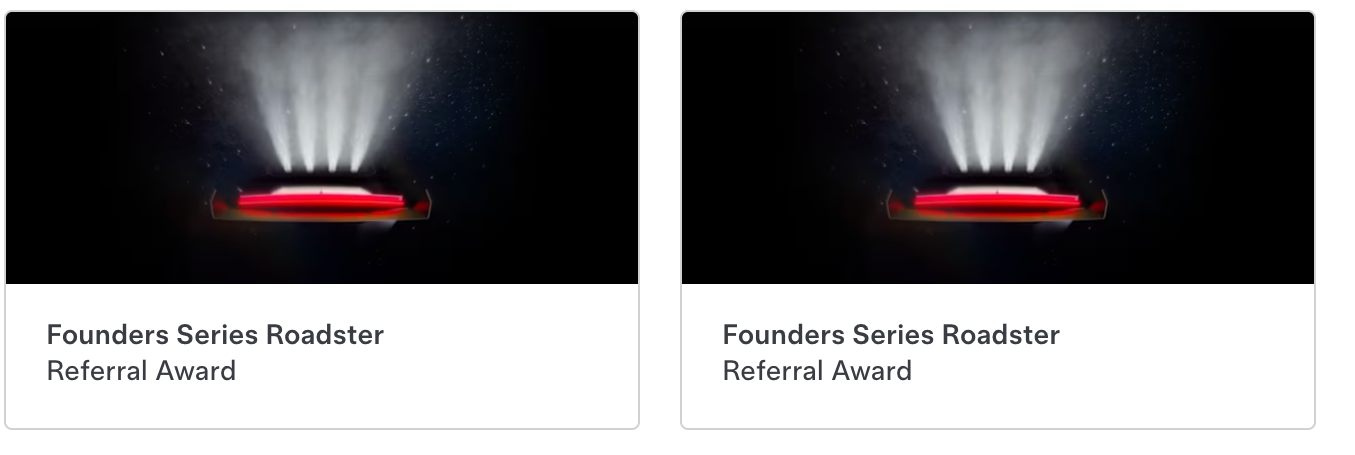
- September 2026: Tesla quietly updates internal referral portals—swapping placeholder art for new teaser imagery—and launches the public reservation portal requiring a fresh $50,000 deposit, setting the stage for the October 1 reveal near Waco, Texas.
Supporting Data and Market Sentiment
Despite Tesla’s historical penchant for generating immense hype, hard data and decentralized prediction markets reveal a profound lack of confidence in the company’s latest timelines.
Market sentiment can be broken down into several critical metrics:
- The Deposit Burden: New buyers must tie up $50,000 of liquid capital without seeing a finalized production model, a stark contrast to mainstream EV pre-orders that typically require refundable deposits ranging from $100 to $1,000 (such as the Cybertruck’s initial $100 fee).
- Prediction Market Pessimism: On Polymarket and similar forecasting platforms, financial contracts predicting that the Roadster will reach actual paying customers by the end of 2026 are trading at under 5%. Even expectations for a 2027 delivery sit skeptically at roughly 61%, reflecting deep-seated doubt among financial speculators.
- Historical Performance Benchmarks (2017 Claims):
- 0–60 mph: 1.9 seconds
- Top Speed: 250+ mph
- Range: 620 miles per charge
- Base Price: $200,000
- Founders Series Price: $250,000 (paid in full)
With the automotive landscape rapidly evolving—featuring ultra-high-performance electric offerings from Porsche, Rimac, and Lotus—the performance figures that once seemed like science fiction in 2017 are now increasingly being matched or approached by production vehicles currently on sale.
Official Responses and Executive Statements
Elon Musk has leaned heavily into managing public expectations ahead of the October 1 event, acknowledging the inherent risks while doubling down on the spectacle of the presentation.
Speaking candidly at the All-In Summit earlier this month, Musk addressed the skepticism head-on:
"It’ll be a banger. Excitement guaranteed. Success is not guaranteed, but excitement is."
Musk also noted the necessity of an in-person, live audience for the Waco demonstration, stating that Tesla requires eyewitnesses "to vouch for the fact that this is not AI."

While Musk has continuously hyped the addition of SpaceX thrusters and a radical redesign incorporating angular "Cyber" styling and full-width light bars, company executives have remained tight-lipped regarding how Tesla plans to clear the backlog of nearly decade-old reservations before fulfilling orders for new $50,000 depositors.
Implications for the Industry and Consumers
The reopening of Roadster reservations carries significant psychological and financial implications for both Tesla’s brand equity and the broader electric vehicle market.
1. The Erosion of Consumer Trust
By asking for another round of $50,000 deposits before fulfilling commitments made in 2017, Tesla tests the loyalty of its most dedicated supporters. Incidents involving high-profile figures struggling to claw back their initial deposits have already created a public relations hurdle. If the October 1 event fails to provide a concrete, credible manufacturing timeline—complete with binding delivery dates—it risks transforming the Roadster from an aspirational halo car into an ongoing cautionary tale about corporate crowdfunding.

2. Shifting Technological Priorities
The heavy emphasis on SpaceX-inspired cold gas thrusters suggests that Tesla is positioning the new Roadster less as a traditional track-day supercar and more as an engineering moonshot. While this strategy guarantees viral marketing moments and widespread media coverage, it raises engineering questions regarding vehicle weight, safety regulations, crash-test compliance, and street legality.
3. A Litmus Test for Tesla’s Execution
For years, critics have accused Tesla of using vaporware—such as the Semi, the original Roadster, and early autonomous driving promises—to maintain stock momentum and secure interest-free capital during capital-intensive periods. The 2026 Roadster launch will serve as an ultimate litmus test. Can Tesla successfully transition from staging futuristic spectacles to mass-producing an ultra-low-volume, highly complex halo vehicle while navigating a maturing global EV market?
Until the first production models roll off a verified assembly line and into the driveways of everyday consumers—and the original 2017 reservation holders finally receive the keys they were promised nearly ten years ago—the automotive world will continue to watch, wait, and wonder if this time is truly different.
