

By: Horticultural Desk & Gardening Specialists
Published in partnership with Home & Garden Insights
Main Facts: The Renaissance of Vertical and Suspended Horticulture
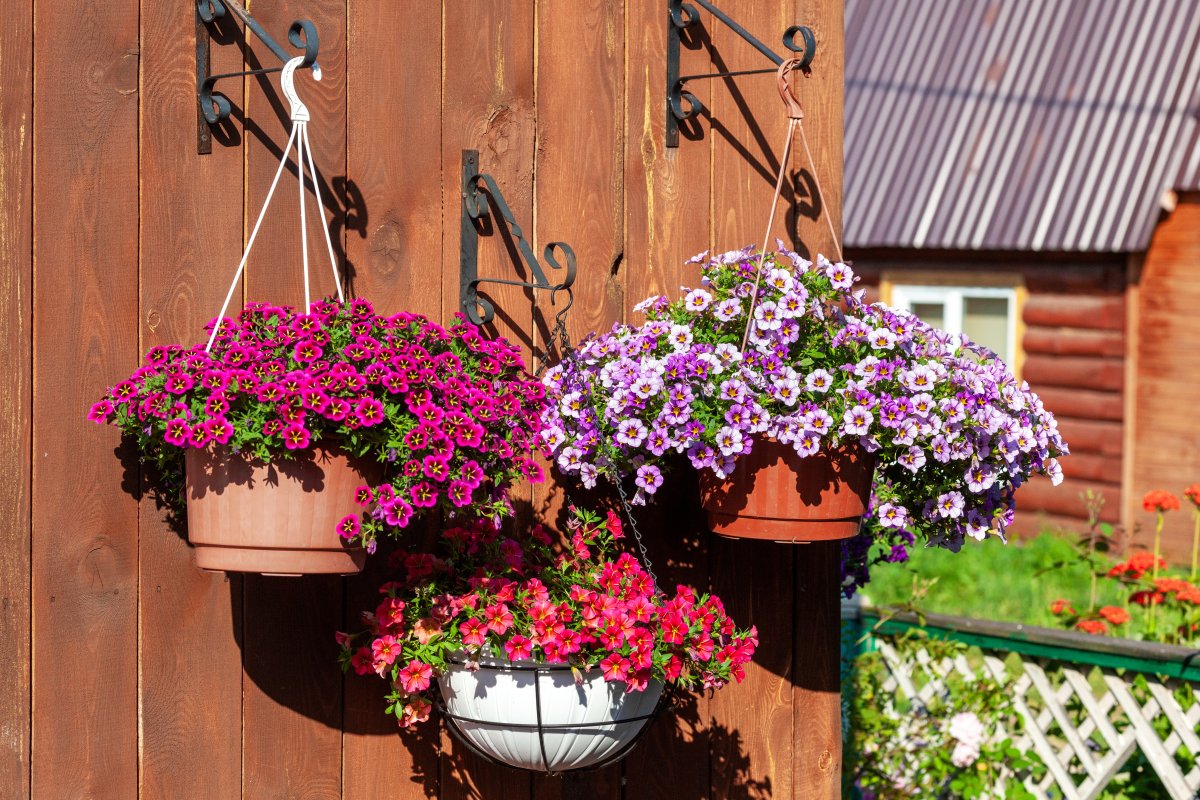
A plush hanging basket bursting with vibrant, cascading blooms instantly commands attention, elevating the aesthetic standard of any porch, balcony, or patio. In the realm of landscape architecture and residential real estate, these suspended botanical containers are recognized as one of the most effective tools for maximizing immediate curb appeal. By drawing the eye upward or displaying intricate trailing vines at eye level, hanging baskets introduce a dynamic three-dimensional element to otherwise flat architectural facades.
However, cultivating a thriving suspended garden is fundamentally different from traditional in-ground planting. Because hanging containers are bound by a confined root zone, they exhaust water, nutrients, and oxygen much more rapidly than garden beds. Consequently, sustained success relies entirely on matching the right plant species to its specific microclimate, lighting, and irrigation needs. While these botanical centerpieces demand a higher degree of diligence from the gardener, the visual and sensory dividends far outweigh the labor.
Chronology: The Evolution of Hanging Baskets in Residential Design
- Early Civilations to the 19th Century: Suspended containers date back millennia—most famously represented by the Hanging Gardens of Babylon, though practical container gardening was historically driven by utility, such as growing herbs and edible crops in confined spaces.
- The Victorian Era: The popularity of hanging flora surged during the mid-to-late 19th century in Victorian England, where ornate wire baskets lined with moss became staples of conservatory and parlor decor, reflecting a cultural obsession with exotic botany.
- Late 20th Century Mass Market: The introduction of lightweight plastic pots, synthetic coconut coir liners, and controlled-release fertilizers transformed hanging baskets from fragile, high-maintenance novelties into accessible, mass-market landscape features for suburban homeowners.
- Modern Breeding Breakthroughs (2000s–Present): Horticultural laboratories unlocked decades of genetic advancement, yielding sterile, disease-resistant, and heat-tolerant hybrids. Innovations such as Supertunia petunias, trailing pansies, and Dichondra ‘Silver Falls’ revolutionized what suspended gardens could achieve without requiring relentless deadheading or specialized greenhouse conditions.
Supporting Data: Understanding Hanging Plant Care Requirements
To maintain lush, floriferous hanging baskets throughout the growing season, gardeners must account for several critical environmental factors:

- Hydration Dynamics: Due to constant air circulation around suspended pots, soil moisture evaporates exponentially faster than in-ground beds. During peak summer months, daily—or even twice-daily—watering is often mandatory.
- Nutrient Depletion: Frequent watering leaches essential macro- and micronutrients out of the potting mix. Regular, water-soluble fertilizer applications (typically every 7 to 14 days) are required to sustain heavy bloom production.
- Sunlight Exposure: Most flowering annuals utilized in hanging baskets require a minimum of 6 hours of direct sunlight daily to reach their blooming potential, whereas foliage plants generally prefer bright, indirect light.
Official Responses and Expert Recommendations: The Top 25 Plants for Baskets
Horticultural extension agents and professional landscape designers categorize the best plants for hanging baskets into structural categories: "thrillers" (upright focal points), "fillers" (mounding plants that add volume), and "spillers" (cascading varieties that soften the edges of the container).
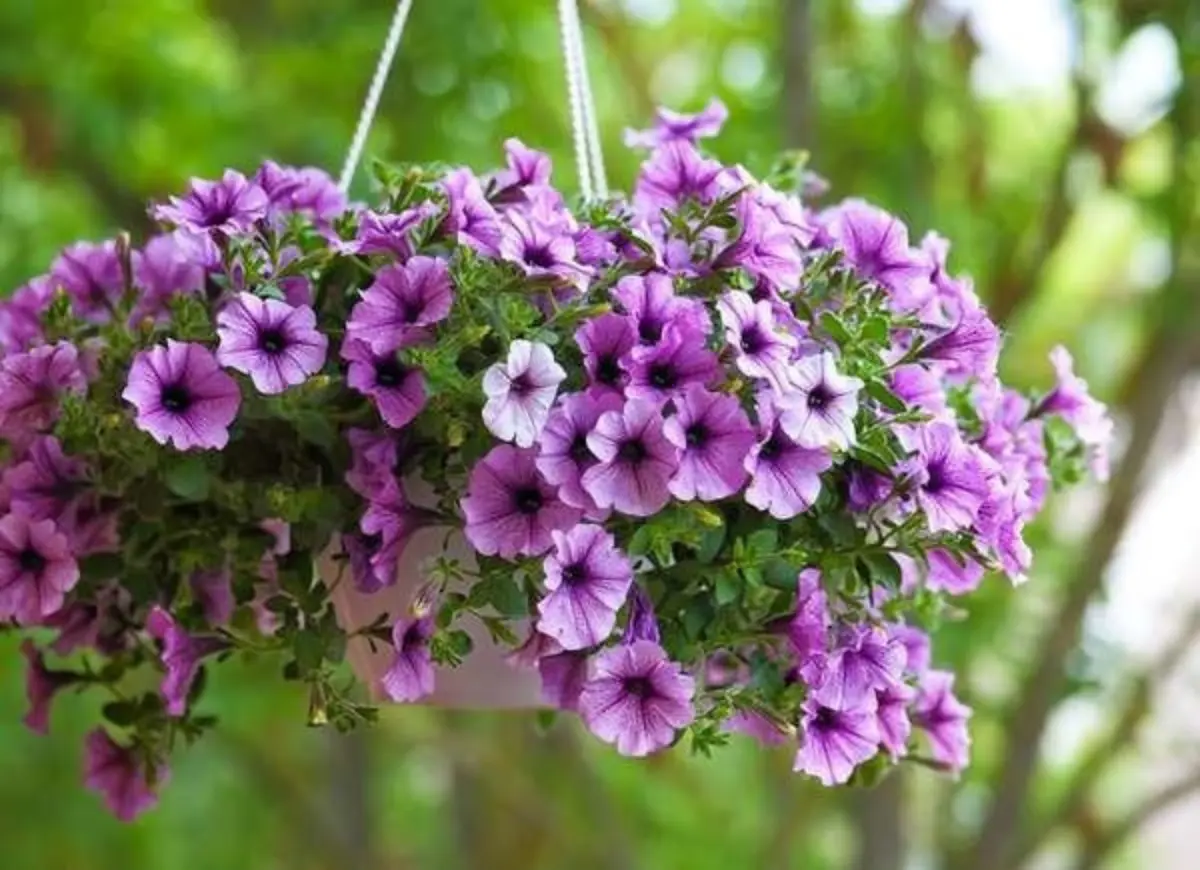
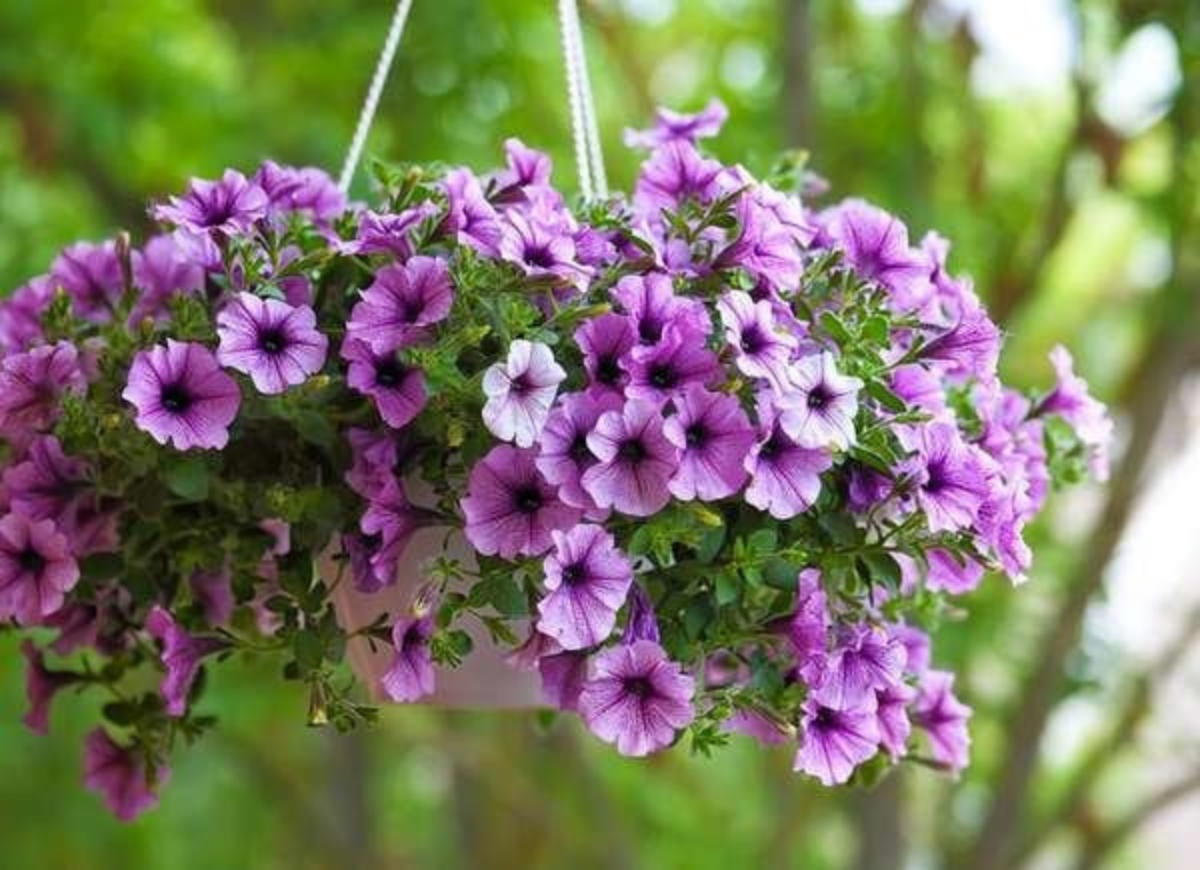
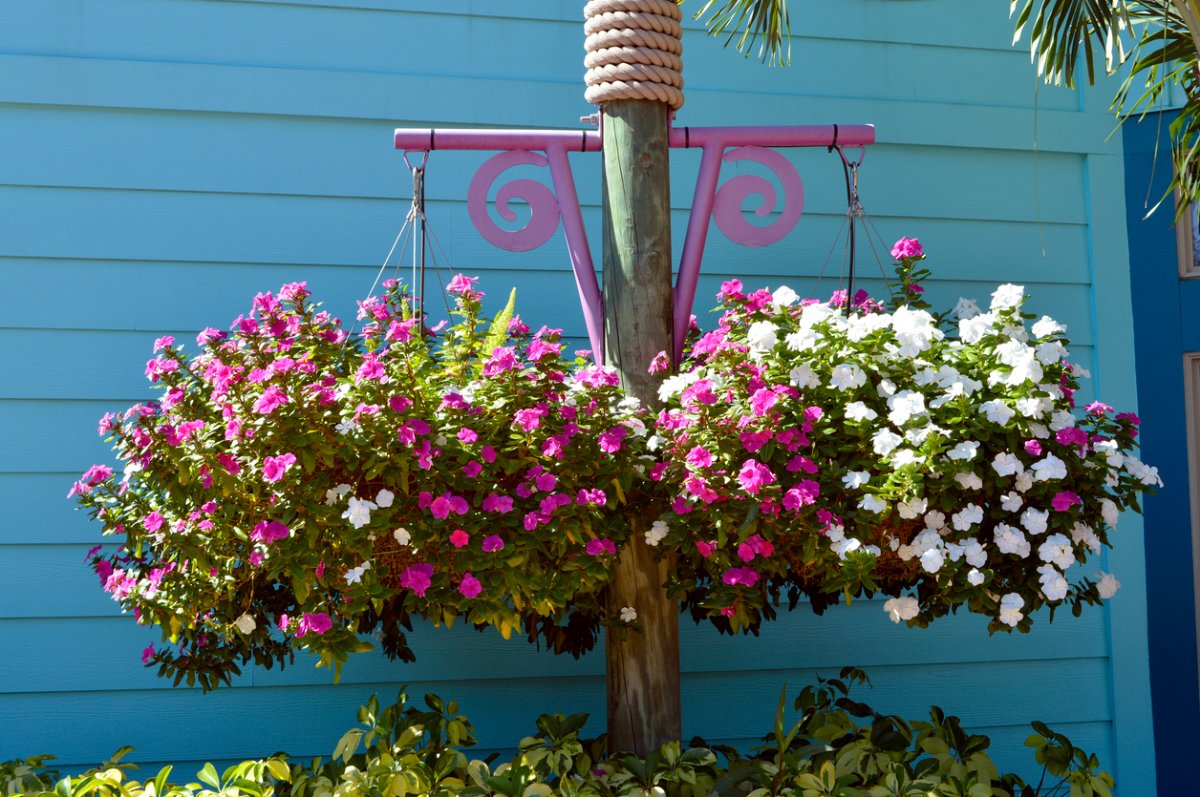
1. Supertunia Petunias (Petunia hybrid)
A vigorous hybrid prized for its rich color palette and natural trailing habit, the Supertunia attracts hummingbirds and butterflies alike. Unlike older varieties, most modern Supertunias are self-cleaning and do not require deadheading. For optimal fullness, ensure they receive at least 6 hours of full sun daily, regular watering, and weekly fertilization.
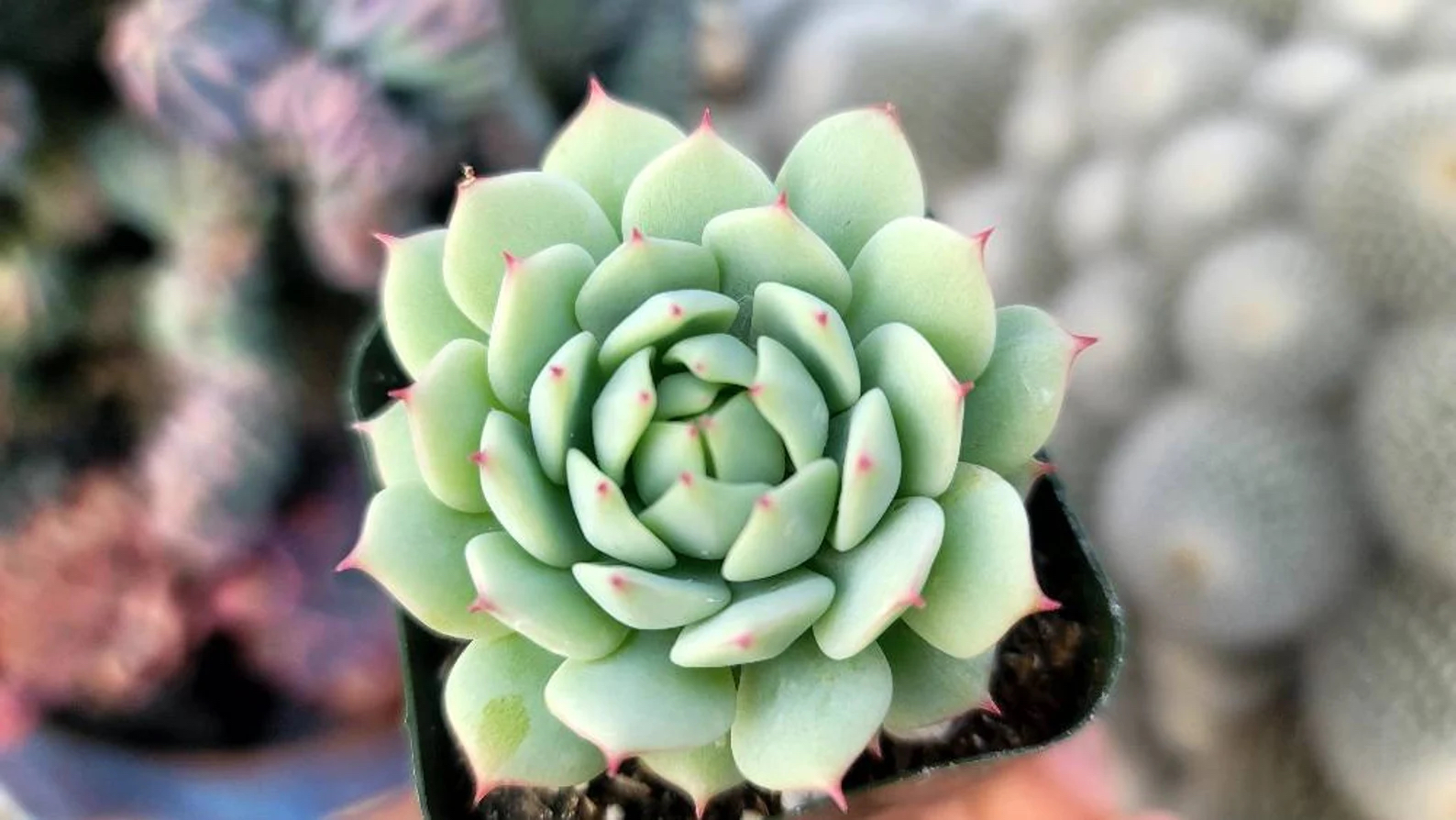
2. Painted Lady (Echeveria derenbergii)
Featuring stunning two-toned succulent rosettes, this drought-resistant specimen excels in containers. Once established, Echeveria derenbergii withstands extended dry spells, producing striking yellow flowers with red tips during warmer months. Water sparingly and place in a high-light environment.
3. Dwarf Lavender (Lavandula angustifolia)
Dwarf lavender infuses hanging displays with delicate purple blooms and a soothing, aromatic fragrance. These sun-loving plants thrive in sheltered outdoor locations receiving 6 or more hours of direct sunlight, or near a bright, unobstructed indoor window.
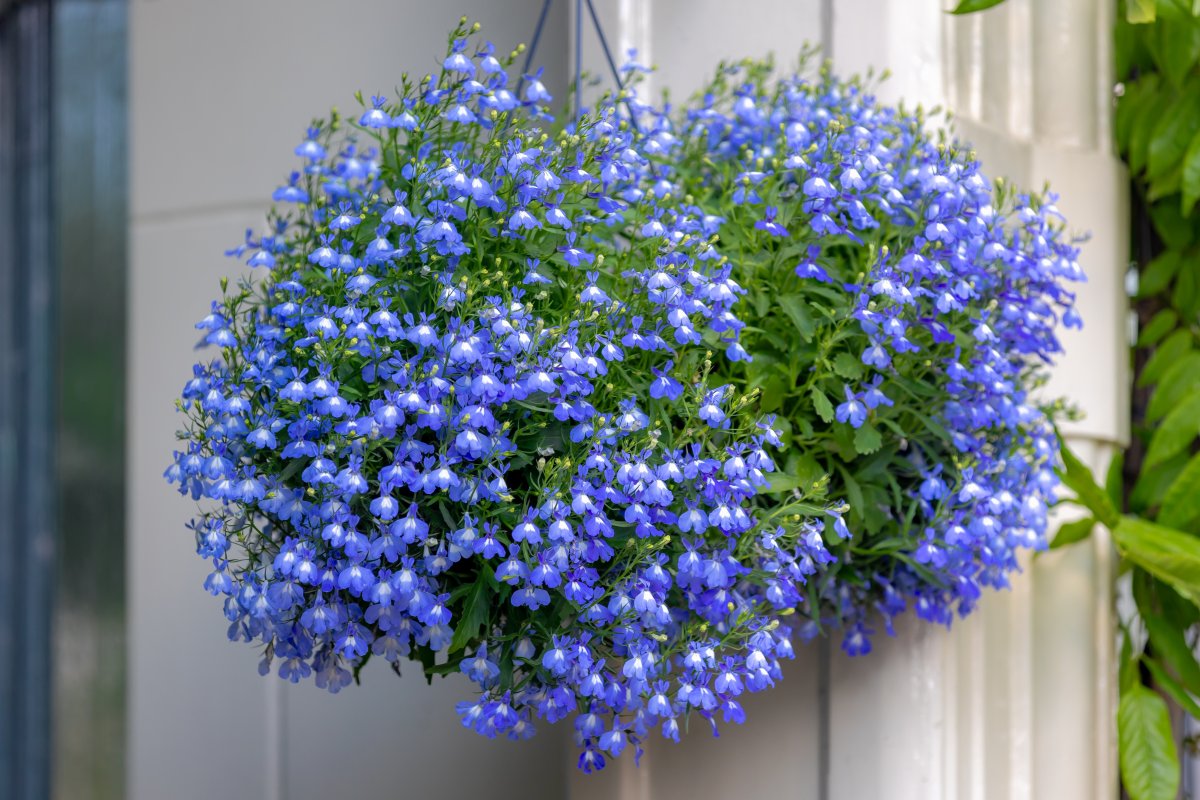
4. Lobelia (Lobelia erinus)
Trailing lobelia offers exquisite shades of deep blue, violet, and pristine white. While ideal for window boxes and hanging pots, lobelia is sensitive to extreme heat and may wilt under scorching afternoon sun. Prune back spent blossoms or trim the plant by up to a third if it becomes leggy to stimulate fresh growth.
5. Impatiens (Impatiens walleriana)
Growing impatiens in hanging baskets keeps them elevated away from soil-borne pathogens like downy mildew. Thriving in partial shade, these quintessential shade-lovers require consistently moist, well-draining soil and diligent watering due to rapid container evaporation.
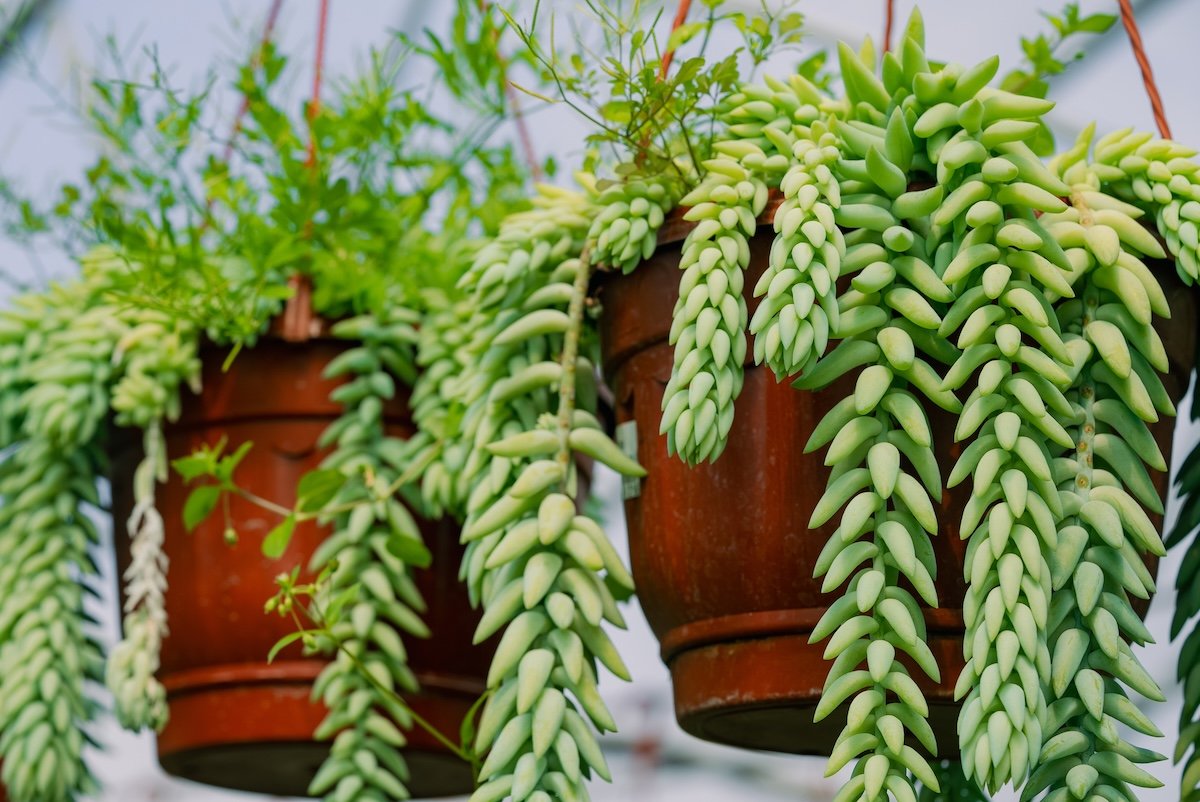
6. Burro’s Tail (Sedum morganianum)
Commonly referred to as donkey’s tail, this succulent features fleshy, vibrant green leaves stacked tightly along cascading stems. It prospers in full sun with moderate, regular watering (reduced during winter). Gardeners must handle the stems gently, as the plump leaves detach easily upon impact.
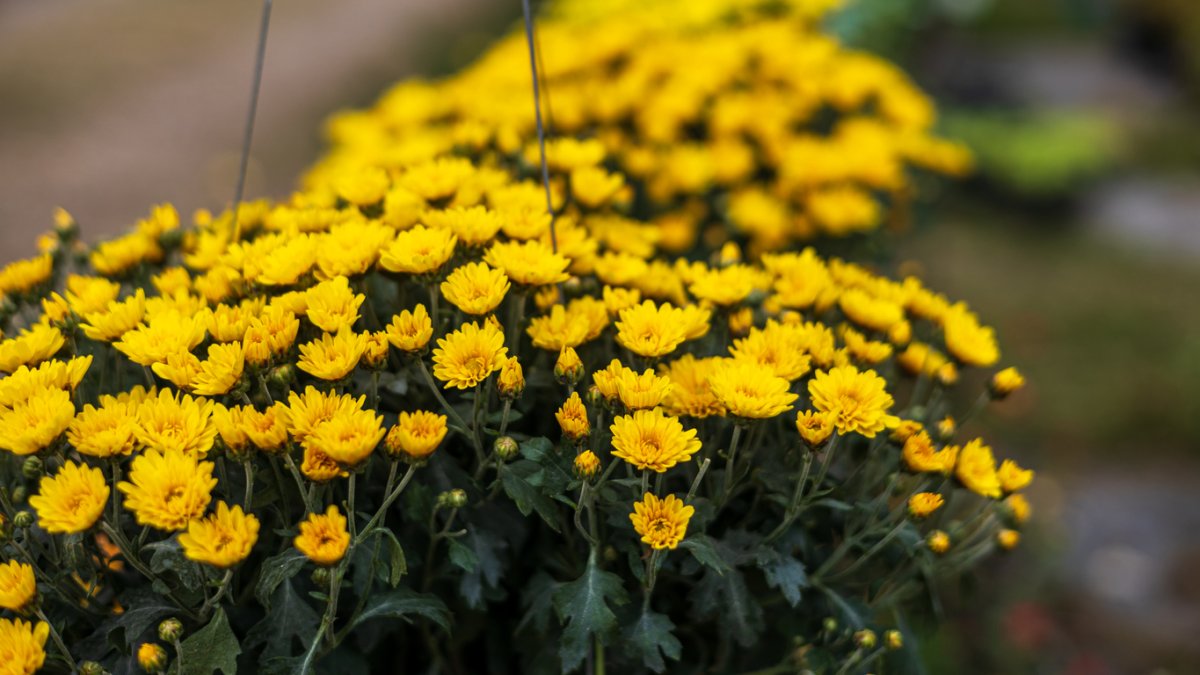
7. Chrysanthemum (Chrysanthemum spp.)
Hardy in cooler weather, chrysanthemums extend the seasonal utility of porch displays long after summer annuals have faded. Varieties like the deep maroon ‘Maroon Pride’ or fragrant ‘Pink Magnificent’ require 6 hours of daily sunlight, prompt deadheading, and consistent moisture.
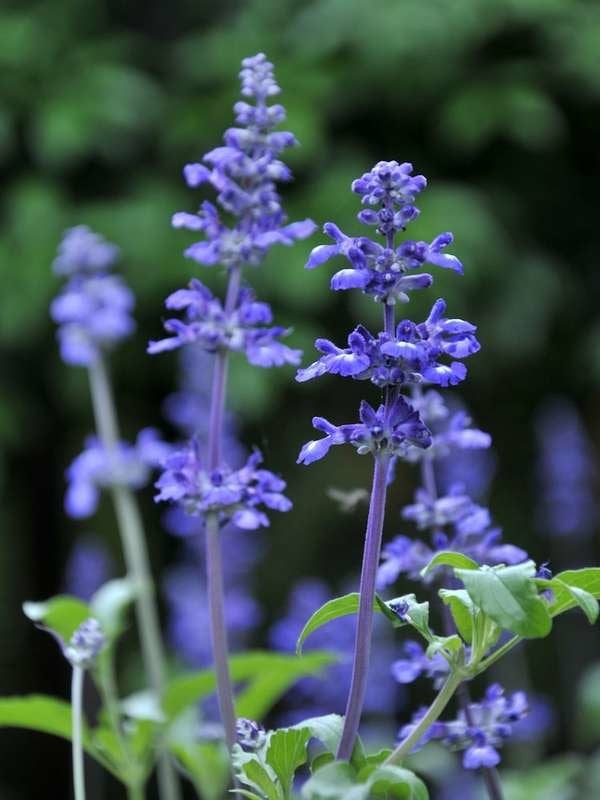
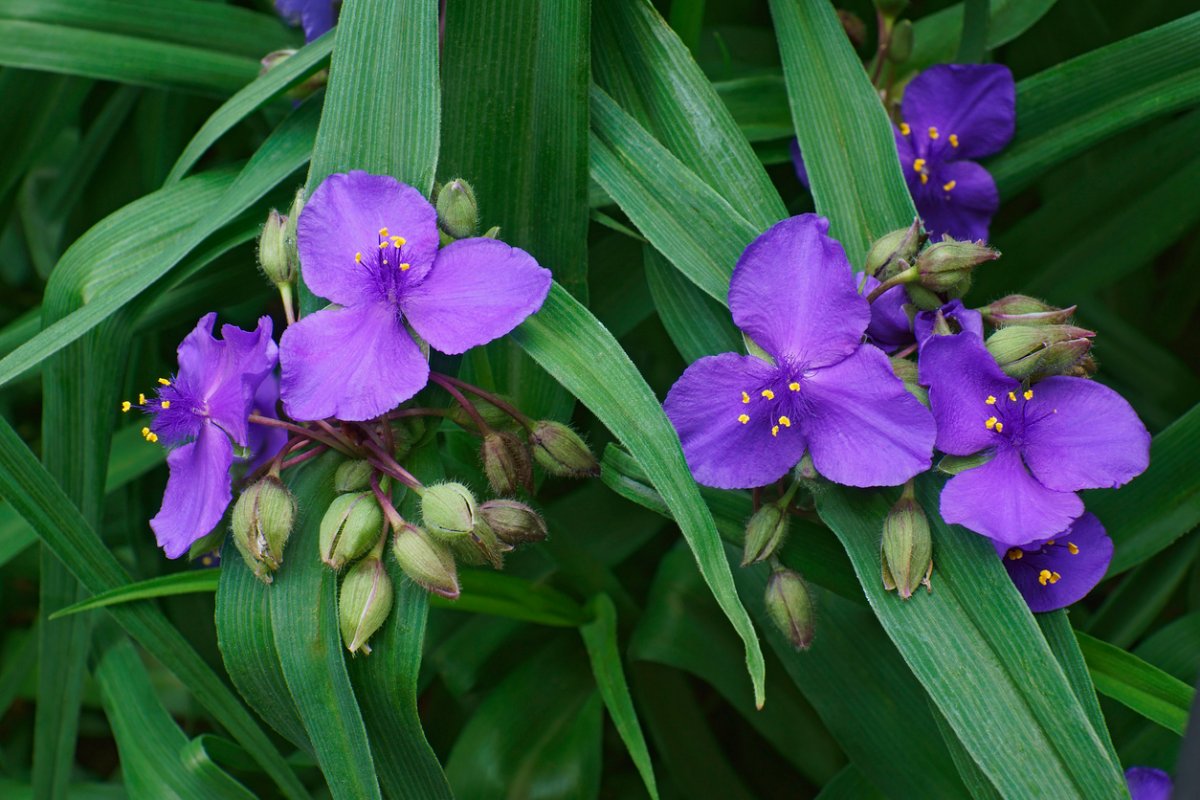
8. Spiderwort (Tradescantia spp.)
Spiderwort is an exceptionally resilient perennial whose sprawling tendencies are neatly reined in by a hanging container. Highly adaptable to varying light and soil conditions, it produces long-lasting flowers and benefits from occasional trimming to maintain a dense shape.
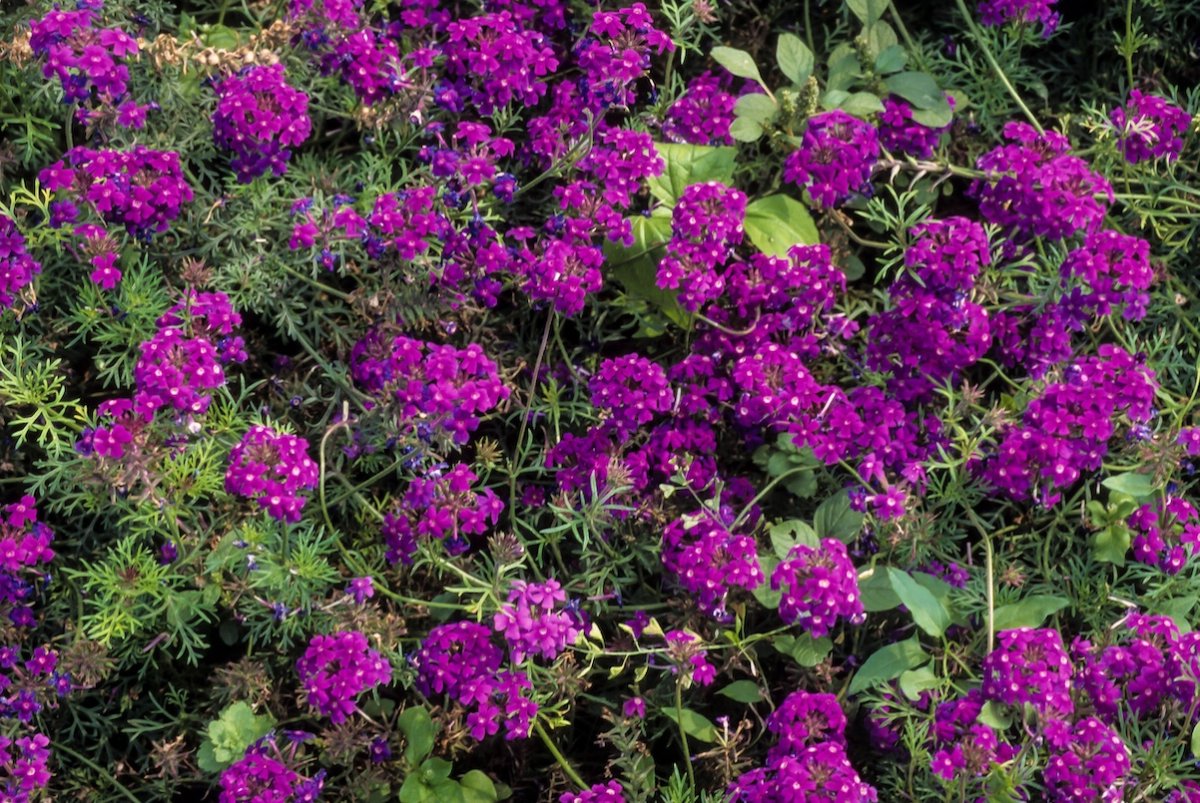
9. Imagination Verbena (Verbena speciosa ‘Imagination’)
Boasting brilliant, deep purple-pink flower clusters, this trailing verbena thrives in full sun. Monthly fertilization during the growing season, consistent moisture, and regular deadheading ensure an uninterrupted display of vivid color.
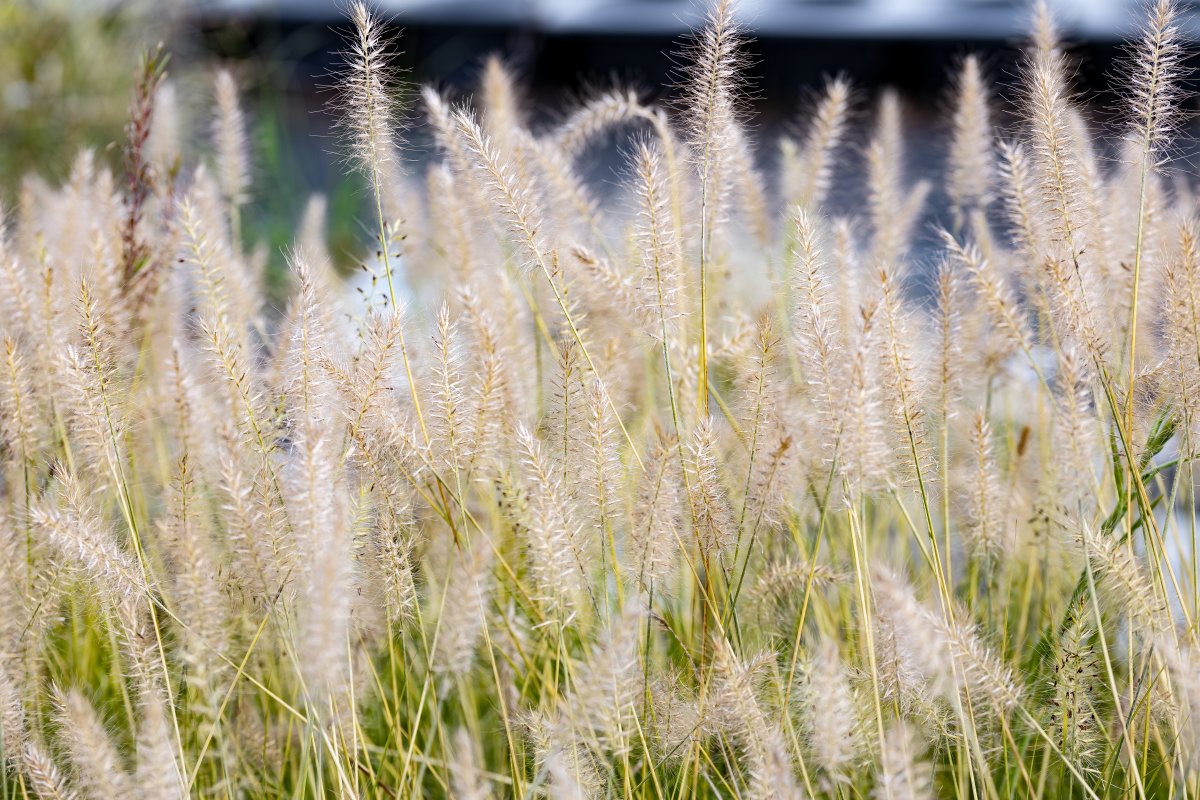
10. Fountain Grass (Pennisetum spp.)
For structural height, dwarf fountain grasses like Pennisetum alopecuroides ‘Hameln’ act as the ultimate "thriller." Their foxtail blooms shift from light brown in early summer to pink-bronze by autumn, offering architectural grace and deer resistance in a sunny exposure.
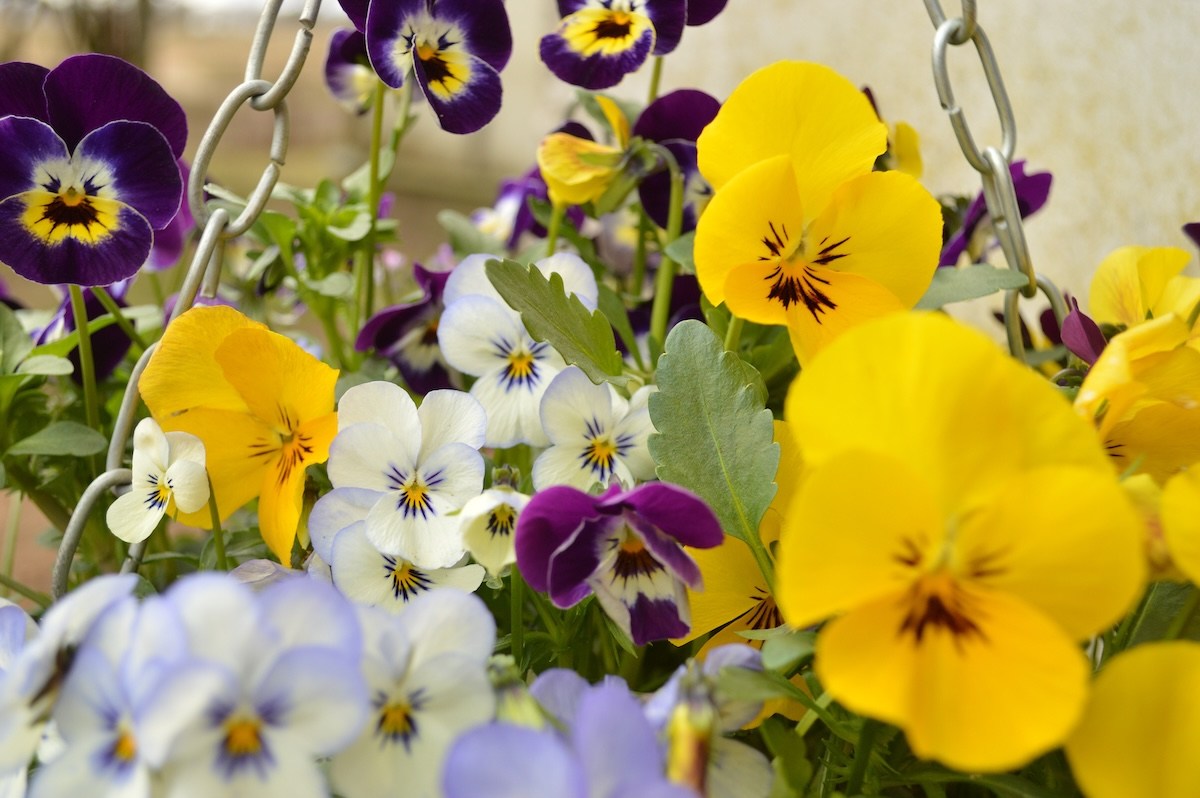
11. Trailing Pansy (Viola x wittrockiana)
The result of over a decade of targeted breeding, trailing pansies offer a wider spread and richer pigmentation than traditional varieties. Exhibiting cold-hardiness capable of surviving subzero temperatures, they require bi-weekly feeding and protection from intense afternoon heat waves.
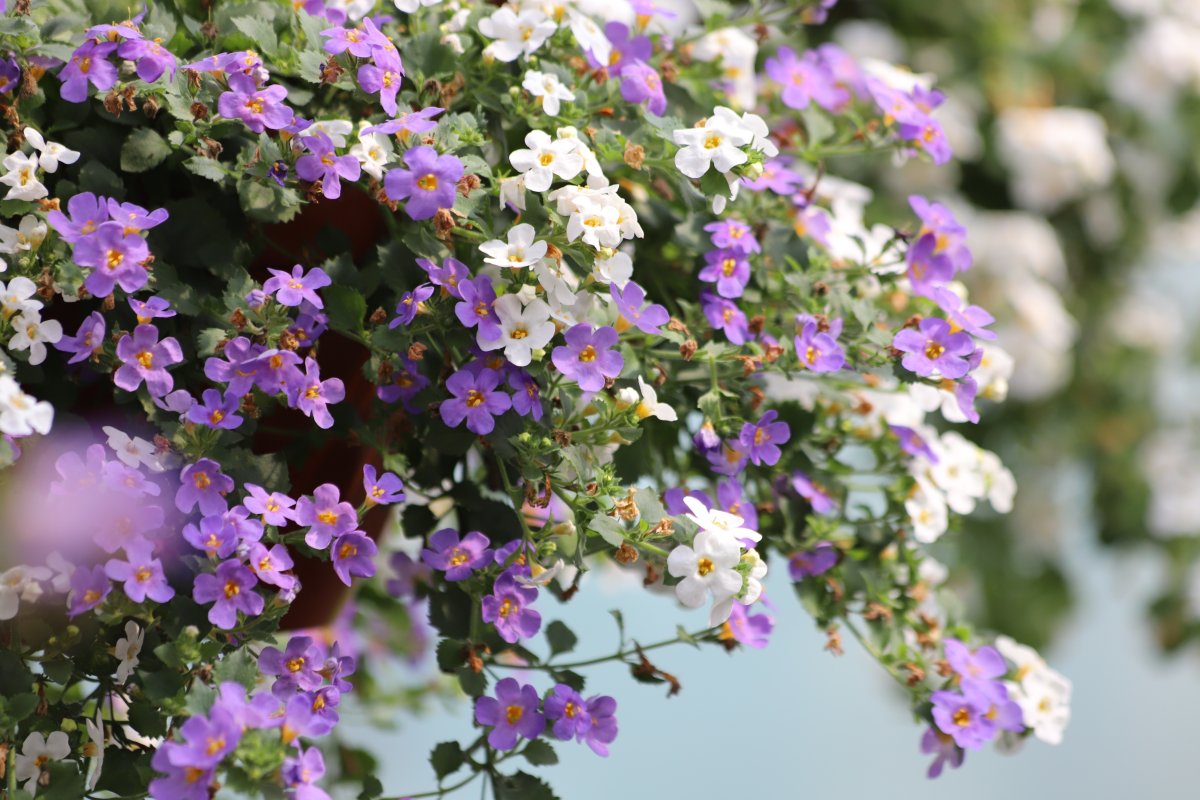
12. Bacopa (Bacopa monnieri ‘Snowtopia’)
Bacopa features evergreen stems smothered in a blanket of snowy white blossoms from June through September. Thriving in full sun or partial shade, it requires regular watering and periodic fertilization to sustain its heavy cascading bloom count.
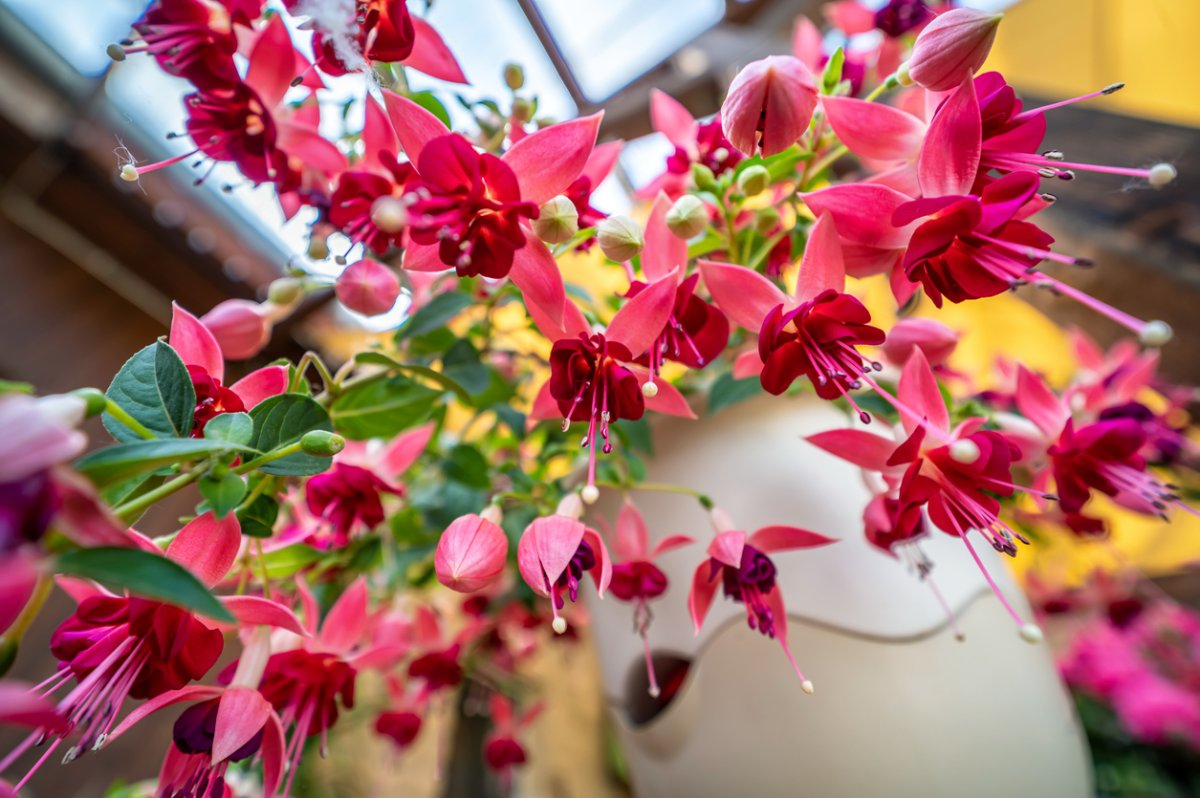
13. Fuchsia (Fuchsia spp.)
Celebrated for their exotic, lantern-like blossoms that act as magnets for hummingbirds, fuchsias excel in partial to full shade. Because their flower production requires high energy, they demand regular feeding and careful monitoring for moisture.
14. Calibrachoa (Calibrachoa spp.)
Often called Million Bells or trailing petunia, calibrachoa spills 12 to 24 inches in every direction, creating a dense, floriferous sphere. Native to South America, it requires up to 8 hours of sun daily, daily irrigation during peak heat, and consistent fertilizer regimens.
15. Begonia (Begonia spp.)
Valued for exceptional heat tolerance and showy, rose-like flowers, "nonstop" begonia cultivars provide continuous color from spring through frost. They perform best in sheltered, part-shade environments with monthly nutrient supplementation.
16. Sweet Alyssum (Lobularia maritima)
Though delicate in appearance, sweet alyssum forms dense carpets of white, pink, or purple flowers that emit a powerful, honey-like fragrance. Requiring 6 hours of direct sun and moderate watering, they reliably draw beneficial pollinators and butterflies to entryways.
17. Moss Rose (Portulaca grandiflora)
Moss rose is a sun-drenched succulent that laughs off intense summer heat waves. Because it stores water in its foliage, it prefers drier soil conditions between waterings, and its flowers naturally drop off cleanly without manual deadheading. Note: This plant is toxic to cats and dogs.
18. Lantana (Lantana camara)
Lantana is an ultra-hardy, drought-tolerant shrub that produces multi-colored flower clusters favored by bees, butterflies, and hummingbirds. Requiring minimal upkeep beyond monthly fertilizing and occasional pruning, it stands up brilliantly to blazing sunlight.
19. Geranium (Pelargonium x hortorum)
With hundreds of varieties available, trailing geraniums introduce striking pops of saturated color. While they demand 6 hours of sun daily, they dislike prolonged extreme heat and freezing temperatures. Consistent moisture and strategic pruning encourage continuous flushes of blooms.
20. Asparagus Fern (Asparagus densiflorus ‘Sprengeri’)
Despite its name, the asparagus fern is actually an evergreen herb featuring arching, needle-like branches. Preferring medium light and drier soil between waterings, it produces subtle white flowers followed by red berries. It must be brought indoors prior to winter frost.
21. Ferns (Polypodiopsida)
The classic Boston fern and its variegated cousin, the tiger fern, remain timeless choices for shaded porches and humid indoor spaces. They require consistently moist, rich potting media, indirect light, and occasional misting to replicate their native woodland humidity.
22. Golden Pothos (Epipremnum aureum)
Also known as devil’s ivy, golden pothos thrives in low-to-medium indoor light conditions. Its variegated, heart-shaped leaves cascade gracefully from hanging baskets, though frequent trimming is necessary to prevent leggy growth. Note: Pothos is toxic if ingested by pets or children.
23. String of Pearls (Curio rowleyanus)
This distinctive South African succulent features spherical, pea-like leaves strung along delicate trailing vines. Requiring bright, indirect light and minimal watering (only when leaves appear slightly wrinkled), it makes an extraordinary indoor statement piece. Note: Ingestion can cause digestive upset in animals.
24. Dichondra ‘Silver Falls’ (Dichondra argentea ‘Silver Falls’)
Prized for its shimmering, silver-grey, fan-shaped foliage, this trailing vine creates a cascading waterfall effect. Highly drought-tolerant, it performs best in morning sun with watering required only every two to three weeks.
25. Osteospermum (Osteospermum ecklonis)
Commonly known as the African daisy, osteospermum varieties feature striking, multi-colored daisy-like blossoms spanning shades of purple, pink, white, and yellow. Trailing types drape handsomely over container rims, while dwarf varieties anchor the center of the arrangement. They must be wintered indoors in cold climates.
Implications: Maximizing Curb Appeal and Environmental Impact
The integration of strategically chosen hanging plants into residential and commercial landscapes yields far-reaching benefits. Beyond immediate aesthetic enhancement and property value appreciation, curated hanging baskets serve vital ecological functions. By incorporating nectar-rich species such as lantana, verbena, and supertunias, urban and suburban gardeners actively support declining pollinator populations, including native bees, butterflies, and hummingbirds.
Ultimately, mastering the nuanced watering and feeding protocols required for suspended horticulture transforms casual gardeners into skilled stewards of micro-ecosystems, proving that high-impact curb appeal and environmental sustainability can flourish hand in hand.
