

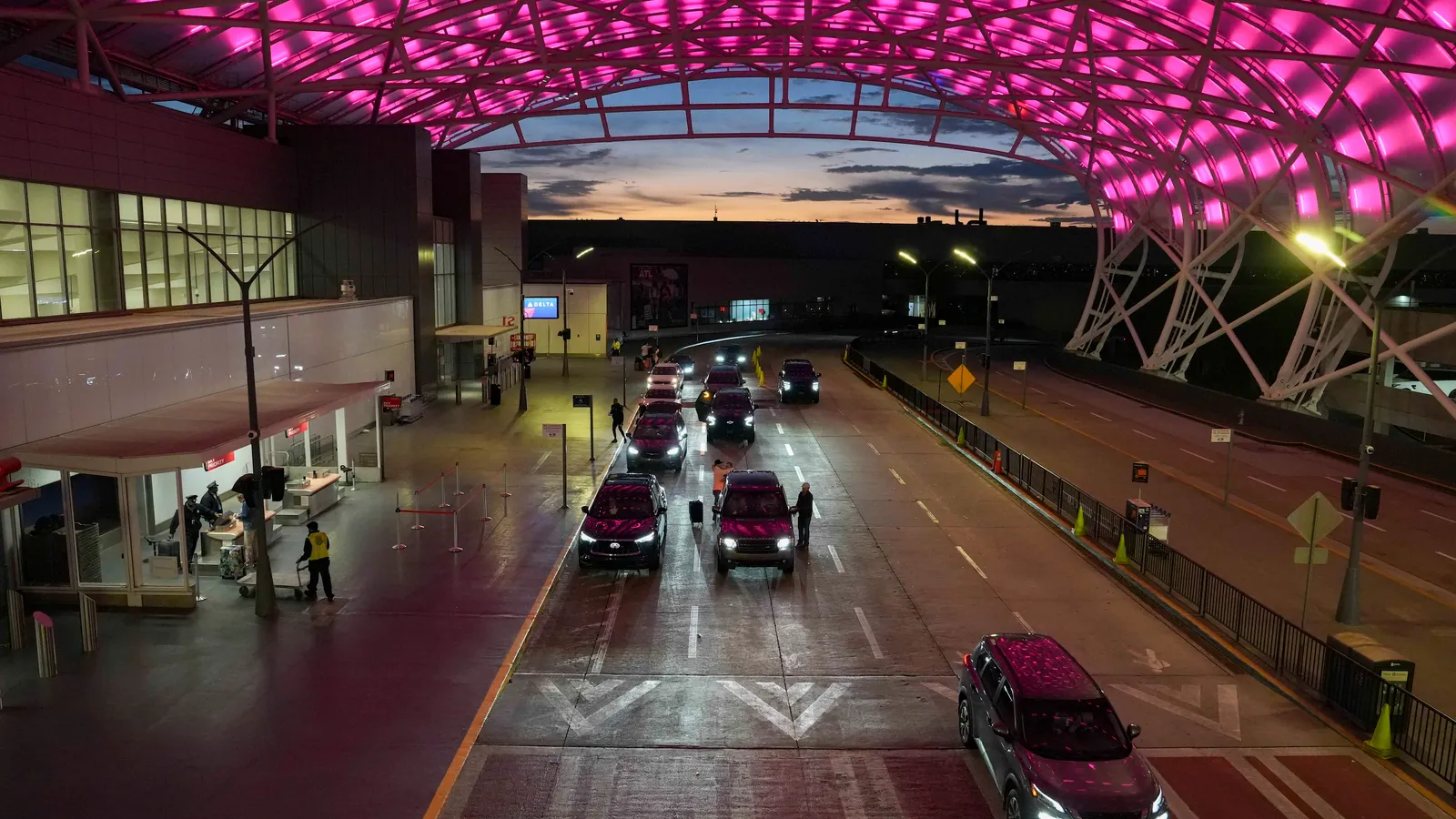
WASHINGTON — In a sweeping federal push to overhaul aging aviation infrastructure and accommodate surging passenger volumes, the Federal Aviation Administration (FAA) has announced a substantial allocation of federal grant funding. Targeted directly at some of the busiest and most critical aviation hubs across the United States, the investment aims to enhance overall system safety, streamline terminal operations, and reconstruct vital airside assets, including runways and taxiways.
Transportation officials emphasize that these financial injections are not merely routine maintenance updates, but rather foundational investments designed to future-proof America’s skies. As domestic and international travel continue to shatter post-pandemic volume records, federal leaders are leaning into capital projects that promise to alleviate bottlenecks, reduce gate delays, and elevate the standard of the passenger experience nationwide.
Main Facts
The latest federal funding tranche channels millions of dollars in capital improvement grants directly to airport operators across the country. According to official releases from the FAA and the Department of Transportation (DOT), the primary objective of this initiative is to fortify the physical backbone of the U.S. National Airspace System (NAS).
Key elements of the funding announcement include:
- Targeted Recipients: Funds are directed toward a diverse mix of massive international mega-hubs and vital regional airports.
- Core Project Types: Capital works span a wide spectrum of aviation engineering needs, prominently featuring the reconstruction of deteriorating runways, the redesign and expansion of congested taxiways, and comprehensive terminal modernizations.
- Primary Objective: Enhancing passenger safety, operational efficiency, and long-term capacity management to meet escalating travel demands.
- Leadership Alignment: The initiative represents a coordinated effort between top federal transportation officials, including FAA Administrator Bryan Bedford and Transportation Secretary Sean Duffy, to usher in a modernized era of American travel infrastructure.
Chronology
While federal airport improvement grants are distributed on a rolling, annual basis through programs like the Airport Improvement Program (AIP) and supplemental legislative packages, the trajectory leading up to this specific announcement reflects years of mounting pressure on national aviation networks.
- Post-Pandemic Surge (2022–2023): As pandemic-era restrictions dissolved, U.S. commercial aviation experienced an unprecedented, rapid rebound in passenger numbers. Airports quickly found themselves grappling with volumes that frequently exceeded pre-2019 peaks, placing extreme strain on infrastructure that had seen reduced utilization during the health crisis.
- Infrastructure Planning and Bipartisan Funding (2021–2024): Long-term capital planning set the groundwork for massive federal outlays. Federal agencies began systematically evaluating structural deficits across hundreds of commercial facilities, prioritizing projects that could deliver the highest return on safety and efficiency.
- Recent Grant Evaluations and Selection (Late 2024–Early 2025): The FAA conducted rigorous technical and economic reviews of project proposals submitted by airport authorities nationwide. Applications were vetted based on safety imperatives, volume metrics, and readiness for construction.
- The Official Announcement: Federal transportation leadership officially unveiled the specific award list, detailing exact funding packages for mega-hubs like Hartsfield-Jackson Atlanta International Airport, Indianapolis International Airport, Louisville Muhammad Ali International Airport, and San Diego International Airport. Construction timelines for these awarded projects are slated to kick off immediately or phase in over the upcoming fiscal quarters.
Supporting Data
The scope and scale of the FAA’s funding distribution underscore the immense financial capital required to maintain and upgrade the world’s most complex aviation network. A granular look at the award list highlights several standout infrastructure projects funded through this recent allocation:
Major Project Allocations
- Hartsfield-Jackson Atlanta International Airport (Georgia): Receiving a monumental $100 million, the world’s busiest passenger airport will channel these funds into extensive runway, taxiway, and terminal reconstruction. Given the sheer volume of daily aircraft movements in Atlanta, maintaining the integrity of airside pavement is paramount to preventing cascading national delays.
- Indianapolis International Airport (Indiana): Securing $39 million, Indianapolis will focus heavily on terminal improvements. These upgrades are designed to streamline passenger processing, enhance baggage handling capabilities, and improve the overall flow of travelers through the facility.
- Louisville Muhammad Ali International Airport (Kentucky): Allocated $32.5 million, Louisville—a vital global logistics and cargo nexus in addition to being a key passenger hub—will utilize the capital to execute major terminal reconstruction efforts.
- San Diego International Airport (California): Receiving $30.3 million, San Diego will direct its federal package toward comprehensive terminal reconstruction projects, addressing capacity constraints driven by the region’s steady population and tourism growth.
National Context
These specific figures represent just a fraction of the broader federal capital investment strategy. Across the United States, thousands of commercial, reliever, and general aviation airports rely on these matching grants to fund multi-year construction projects that local municipal bonds or airline-derived user fees alone cannot cover. By absorbing a significant portion of the capital expenditure, the federal government ensures that critical safety enhancements do not get deferred due to local budgetary constraints.
Official Responses
Federal leadership has framed the funding announcement as a vital step toward creating a frictionless, state-of-the-art transportation network capable of supporting economic growth for decades to come.
Bryan Bedford, FAA Administrator, emphasized the dual focus on immediate operational needs and long-term foresight in an official agency release:
“We’re investing in airport infrastructure that keeps travelers safe and airports operating efficiently. These grants will help airports across the country meet the demands of today’s travelers while preparing for the future.”
Echoing these sentiments, Transportation Secretary Sean Duffy placed the infrastructure investments within a broader national vision, highlighting the impact on everyday American travelers:
“From our regional hubs to some of America’s busiest airports, we are investing in critical infrastructure that will provide American families with a more seamless, efficient travel experience for years to come. Upgrading our runway infrastructure is part of our work to usher in the Golden Age of Transportation.”
Local airport authorities and regional stakeholders have similarly lauded the influx of capital. Representatives from recipient airports noted that federal backing accelerates timelines for complex engineering projects—such as pouring new concrete for heavy-duty runways or expanding terminal footprints—that would otherwise take years of phased local financing to complete.
Implications
The distribution of these federal grants carries profound implications for the commercial aviation sector, local economies, and the traveling public.
1. Enhanced Safety and Risk Mitigation
First and foremost, pouring millions of dollars into runway and taxiway reconstruction directly mitigates the risks associated with aging pavement, such as foreign object debris (FOD) and surface cracking. By modernizing airside infrastructure, the FAA reduces the likelihood of runway incursions and surface-related incidents, upholding the U.S. aviation system’s world-class safety record.
2. Alleviating Systemic Bottlenecks
Delays at major mega-hubs like Atlanta rarely stay localized; a ground stop or taxiway closure in Georgia can trigger a ripple effect of cancellations and delays from coast to coast. By reinforcing Hartsfield-Jackson and other critical nodes, the FAA is effectively investing in the systemic resilience of the entire National Airspace System. Efficient terminals and modern taxiways mean quicker turnaround times for commercial aircraft, keeping schedules tighter and more reliable for passengers.
3. Economic and Regional Growth
Airports serve as the primary economic gateways for their respective regions. Projects of this scale generate thousands of high-paying construction, engineering, and project management jobs. Furthermore, expanded terminal capacities and improved cargo infrastructure (such as those in Louisville) empower local economies to attract new business ventures, boost tourism, and facilitate global trade.
4. Preparing for Future Demand
As aerospace technology evolves—from anticipated advanced air mobility (AAM) integrations to the continuous growth of wide-body aircraft fleets—ground infrastructure must adapt. The targeted investments announced by the FAA ensure that American airports are not just catching up to current passenger volumes, but are actively positioning themselves to handle the technological and demographic demands of the next quarter-century.
