

By Automotive News Desk
Published: October 2026
Main Facts
Hyundai is aggressively expanding its all-electric footprint by introducing two strategic additions to its growing IONIQ lineup: the IONIQ 4 and the IONIQ 7.
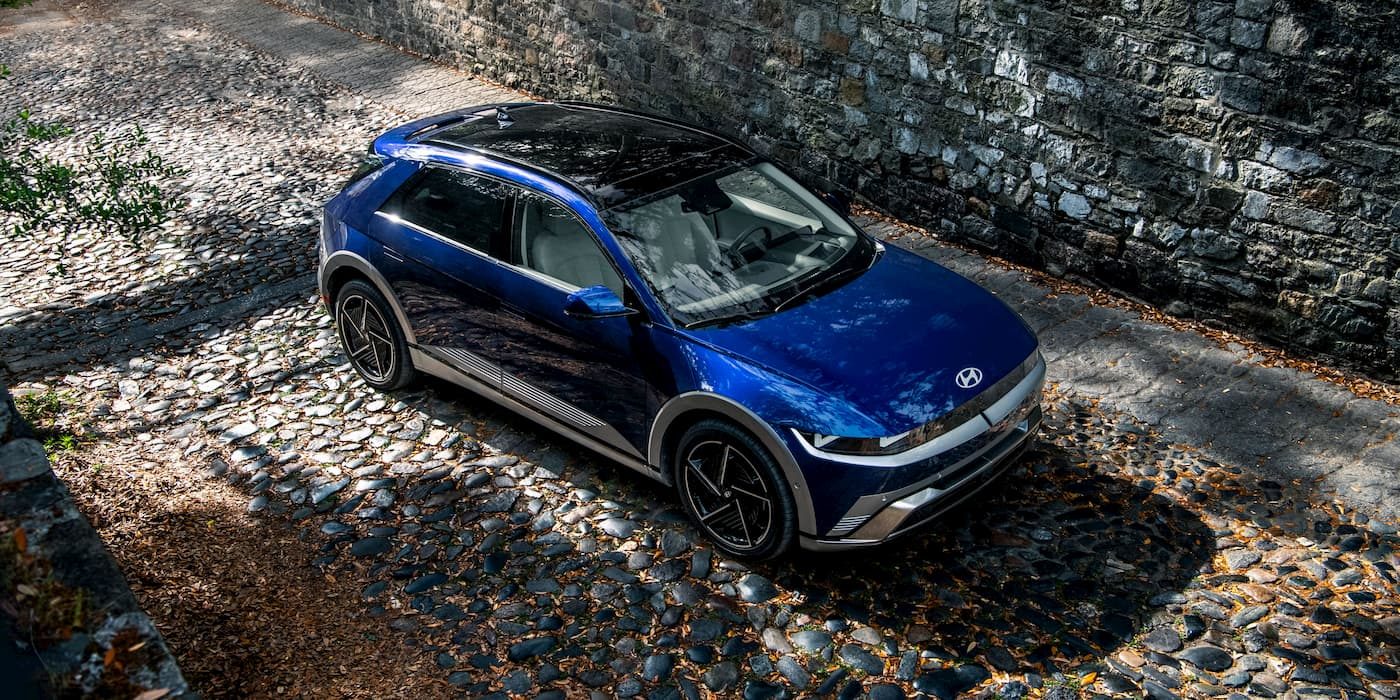
Following the massive success of the retro-futuristic IONIQ 5 and the introduction of the company’s new flagship three-row behemoth, the IONIQ 9, Hyundai is targeting the critical gaps within its EV portfolio.
- The IONIQ 7: Positioned directly between the compact-to-midsize IONIQ 5 and the massive, family-oriented IONIQ 9, this upcoming SUV features a traditional, boxy profile. It is engineered to cater to larger families, offering flexible two- and three-row seating configurations, single- and dual-motor powertrains, an advanced 800V charging architecture, and an estimated WLTP driving range surpassing 400 miles. US buyers can reasonably anticipate a starting price between $40,000 and $45,000.
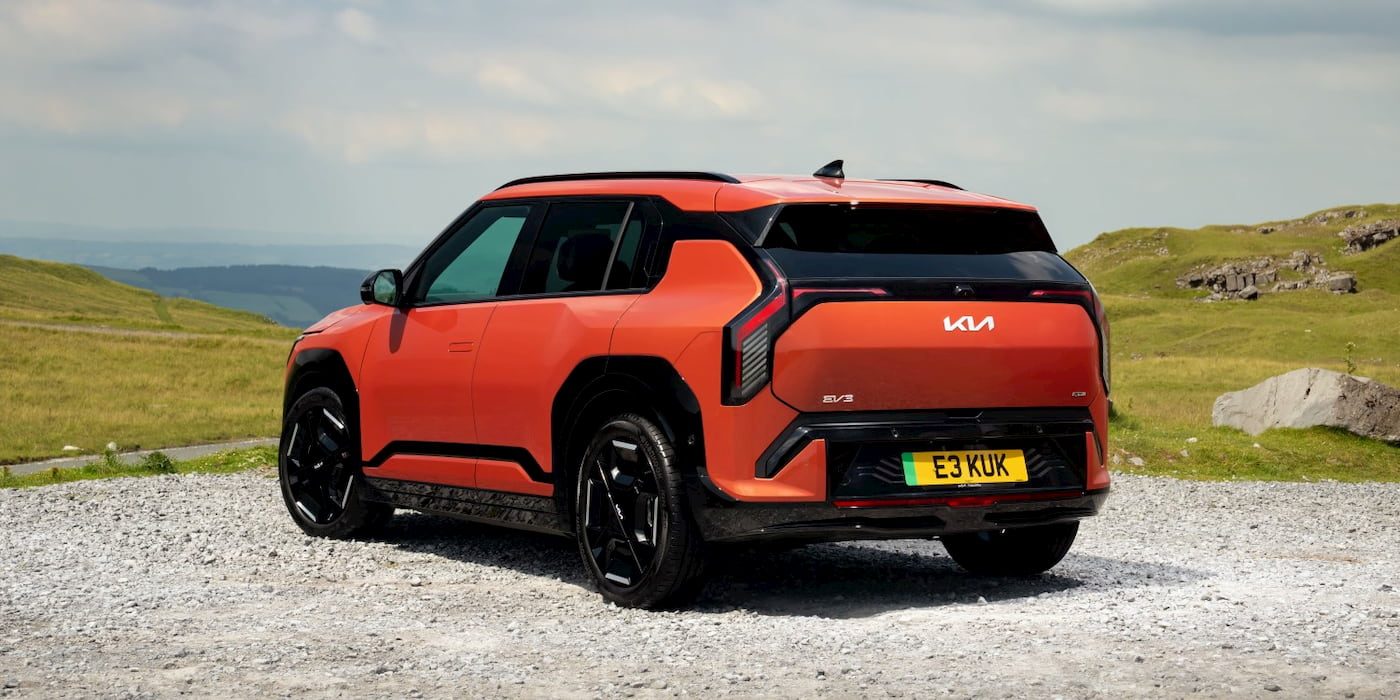
- The IONIQ 4: Acting as a B-segment urban crossover and mechanical sibling to the Kia EV3, the IONIQ 4 slots snugly between the entry-level IONIQ 3 and the popular IONIQ 5. Expected to launch with a competitive entry-level price tag of roughly £25,000 ($33,000) in the UK, it will share battery pack options with the IONIQ 3—specifically the 42 kWh and 61 kWh units—delivering maximum WLTP ranges of up to 214 and 308 miles, respectively.
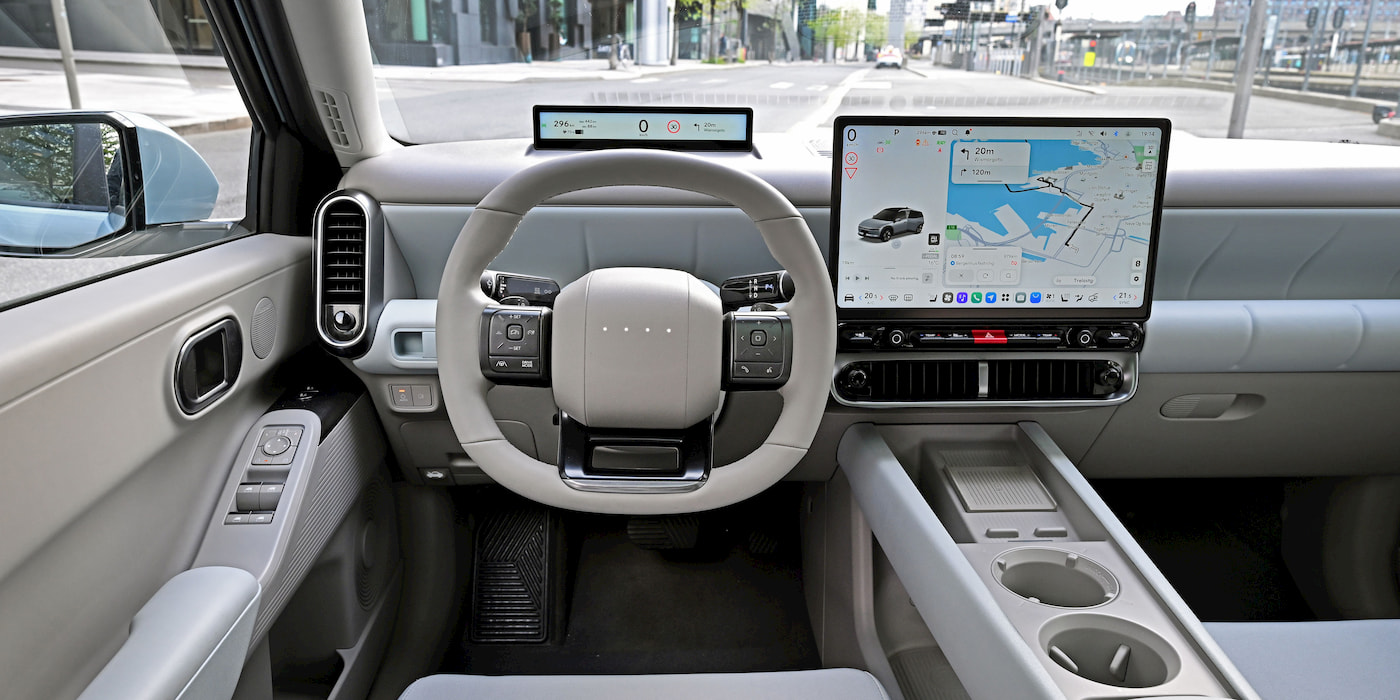
- The Technology: Both models will integrate Hyundai’s next-generation Pleos Connect infotainment system, a software ecosystem making waves globally and serving as the digital core for upcoming vehicles like the 2027 Tucson and the European-spec IONIQ 3.
Chronology of Hyundai’s EV Evolution
To understand the weight of the IONIQ 4 and IONIQ 7 announcements, it is essential to trace how Hyundai transformed itself from an internal-combustion manufacturer into a global electrification powerhouse:
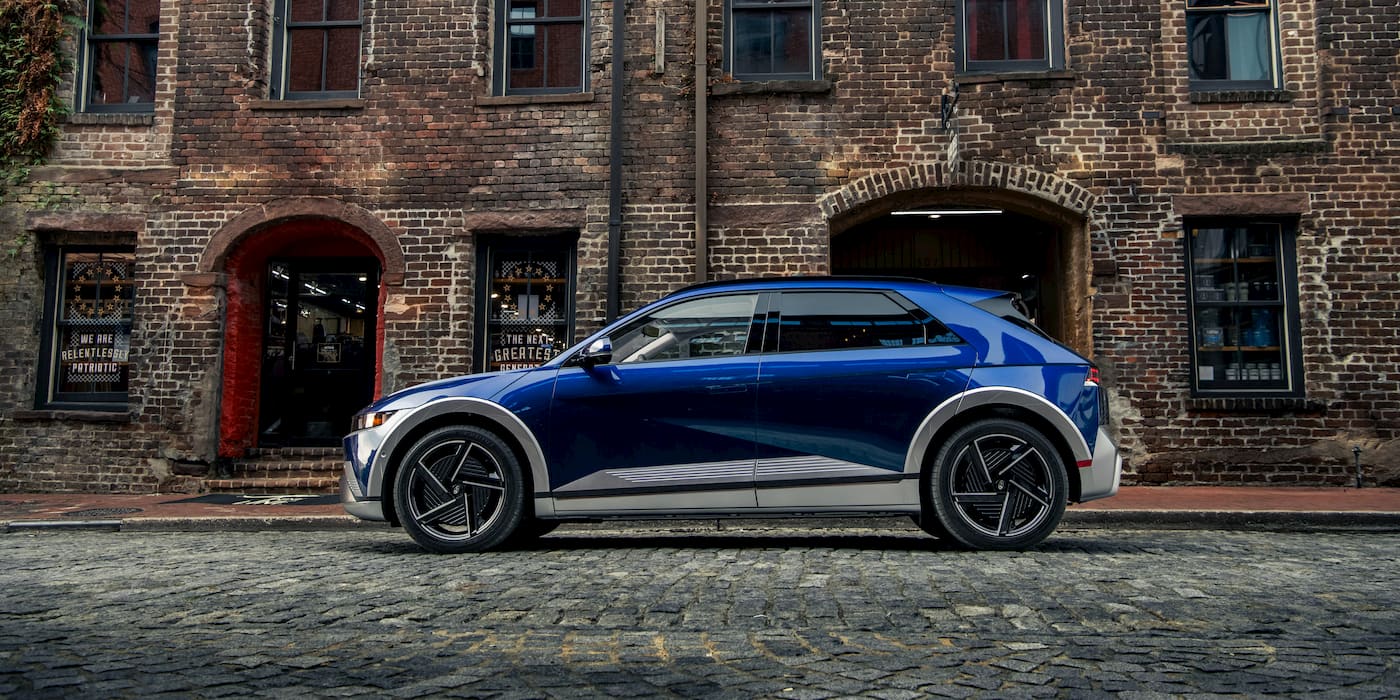
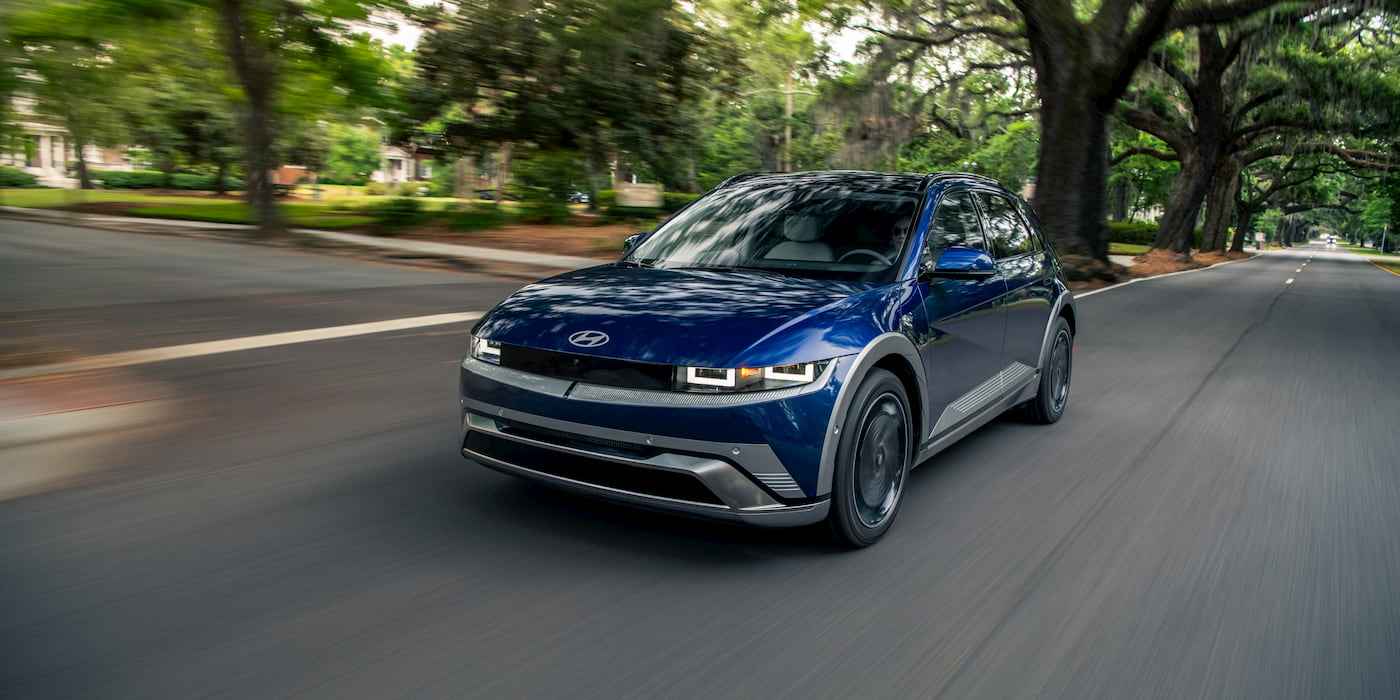
- The E-GMP Platform Era Begins: Hyundai introduced its dedicated Electric-Global Modular Platform (E-GMP), underpinning pathbreaking models like the IONIQ 5. This architecture brought benchmark-setting 800V fast-charging capabilities to the mainstream automotive market.
- The Flagship Shift (The SEVEN Concept to IONIQ 9): Initially, industry analysts anticipated that Hyundai’s large conceptual vehicle—first previewed as the "SEVEN" Concept—would hit the production lines as the IONIQ 7. However, strategic evaluations prompted Hyundai to pivot, designating the three-row flagship as the IONIQ 9 to mirror the market positioning of its corporate cousin, the Kia EV9. This left the "IONIQ 7" nomenclature open for a vital mid-tier contender.
- The Expansion Strategy Unveiled: In late 2025 and mid-2026, corporate roadmaps leaked via Auto Express and official global briefings confirmed that Hyundai would roll out multiple adjacent models to fill out its numeric hierarchy, specifically targeting the B-segment (IONIQ 4) and filling the void beneath the flagship (IONIQ 7).
- The Rollout of Pleos Connect: Hyundai debuted its new Pleos Connect infotainment system in Europe via the IONIQ 3, followed closely by its North American integration into the redesigned 2027 Tucson. Both the IONIQ 4 and IONIQ 7 are confirmed to adopt this cutting-edge software architecture.
- The Upcoming 12-to-18 Month Horizon: Both vehicles are officially slated for commercial release within the next year and a half, setting the stage for a dramatic market share battle across Europe, Asia, and potentially North America.
Supporting Data and Technical Specifications
A deep dive into the comparative metrics of Hyundai’s current and upcoming vehicle lineup highlights how the IONIQ 4 and IONIQ 7 bridge crucial market gaps:
Dimension and Architecture Breakdown
- Hyundai IONIQ 5 (Reference Model):
- Length: 183.3 inches
- Width: 74.4 inches
- Height: 63.0 inches
- Wheelbase: 118.1 inches
- US Battery Options: 63 kWh (EPA range up to 245 miles) or 84 kWh (EPA range up to 318 miles)
- Starting Price (2027 model): $35,250
- Hyundai IONIQ 7 (Projected):
- Footprint: Slightly larger dimensions than the IONIQ 5, adopting a squared-off, traditional SUV silhouette to maximize cargo and passenger volume.
- Seating: Flexible 2-row and 3-row configurations.
- Powertrains: Single-motor rear-wheel-drive and dual-motor all-wheel-drive options.
- Charging Infrastructure: Ultra-fast 800V architecture capable of replenishing state-of-charge rapidly on DC fast chargers.
- Estimated Range: Targeting a WLTP range of at least 400 miles on upper-tier trims.
- Projected US Pricing: $40,000 – $45,000.
- Hyundai IONIQ 4 (Projected):
- Segment: B-segment SUV (closely related to the Kia EV3).
- Battery Configurations: 42 kWh and 61 kWh packs.
- Range: Up to 214 miles (42 kWh) and 308 miles (61 kWh) under WLTP testing parameters.
- Projected Pricing: Starting around £25,000 ($33,000) in the UK market.
Official Responses and Industry Insights
While Hyundai’s corporate communications department has maintained tight-lipped secrecy regarding complete spec-sheets, senior executives and industry insiders have dropped significant hints regarding the philosophy behind these new vehicles.
Industry analysts note that Hyundai is taking a page out of the traditional internal-combustion playbook: covering every single millimeter of the consumer market. By ensuring there is an EV option for every lifestyle—from the city-dwelling commuter seeking an affordable B-segment crossover (IONIQ 4) to the suburban family requiring a spacious, boxy hauler (IONIQ 7)—Hyundai is effectively insulating itself against market volatility.
Furthermore, reactions to the inclusion of the Pleos Connect system have been overwhelmingly positive. Early reviews of the software interface highlight its streamlined UI, vastly improved responsiveness over previous-generation setups, and deeper ecosystem integrations, positioning Hyundai not just as a hardware manufacturer, but as a serious software contender against tech-forward competitors like Tesla and Rivian.
Market Implications and Regional Availability
The rollout of the IONIQ 4 and IONIQ 7 carries substantial implications for the global automotive landscape, though regional availability remains a key factor for consumers:
The North American Outlook
American consumers are likely to experience a mixed reality. While subcompact hatchbacks and B-segment crossovers like the IONIQ 4 face an uphill battle in the US market—largely due to consumer preference for larger vehicles and regulatory hurdles—there is intense optimism regarding the IONIQ 7.
With the Kia EV3 dominating headlines and capturing market share in global territories, American buyers missing out on the IONIQ 4 can take solace in the high probability that the IONIQ 7 will cross the Pacific. Positioned cleanly between the $35,250 IONIQ 5 and the towering IONIQ 9, an IONIQ 7 priced in the $40,000 to $45,000 bracket would strike directly at the heartland of American family transport, putting pressure on legacy combustion SUVs and emerging EV competitors alike.
The European and Global Outlook
In Europe, the IONIQ 4 is expected to be a runaway success. Competing directly in the fiercely contested affordable EV segment (alongside vehicles like the Volvo EX30 and various European offerings), a £25,000 entry point paired with a 308-mile range makes it an exceptionally compelling proposition for cost-conscious urban and suburban buyers.

Strategic Takeaway
Hyundai’s methodical expansion proves that the South Korean automaker is playing the long game. By refusing to rely on a one-size-fits-all approach, Hyundai is constructing an automotive fortress across every major price point and body style. As these models make their way out of development and onto showroom floors over the next 12 to 18 months, competitors will be forced to respond to Hyundai’s unmatched versatility and relentless pace of innovation.
Stay tuned to our continuous coverage as we track official announcements, factory rollouts, and first-drive reviews for both the Hyundai IONIQ 4 and IONIQ 7.
