

By Joe Bousquin
Published August 6, 2026
Main Facts: Leadership Transitions at the Helm of Major Contractors
The architectural and structural skylines of cities across North America are defined not just by steel, glass, and concrete, but by the strategic leadership driving these monumental projects from conception to completion. In the highly competitive commercial construction sector, executive talent is the ultimate engine of growth, operational efficiency, and technological innovation.
Midway through the 2026 fiscal year, the construction industry is experiencing a sweeping wave of executive leadership realignments. Major Tier-1 and Tier-2 contractors—including industry heavyweights such as Swinerton, Balfour Beatty, and Gilbane—have announced a robust series of strategic appointments, promotions, and organizational restructuring. These shifts come as firms position themselves to capture emerging market opportunities in advanced manufacturing, life sciences, green infrastructure, and high-density urban development.
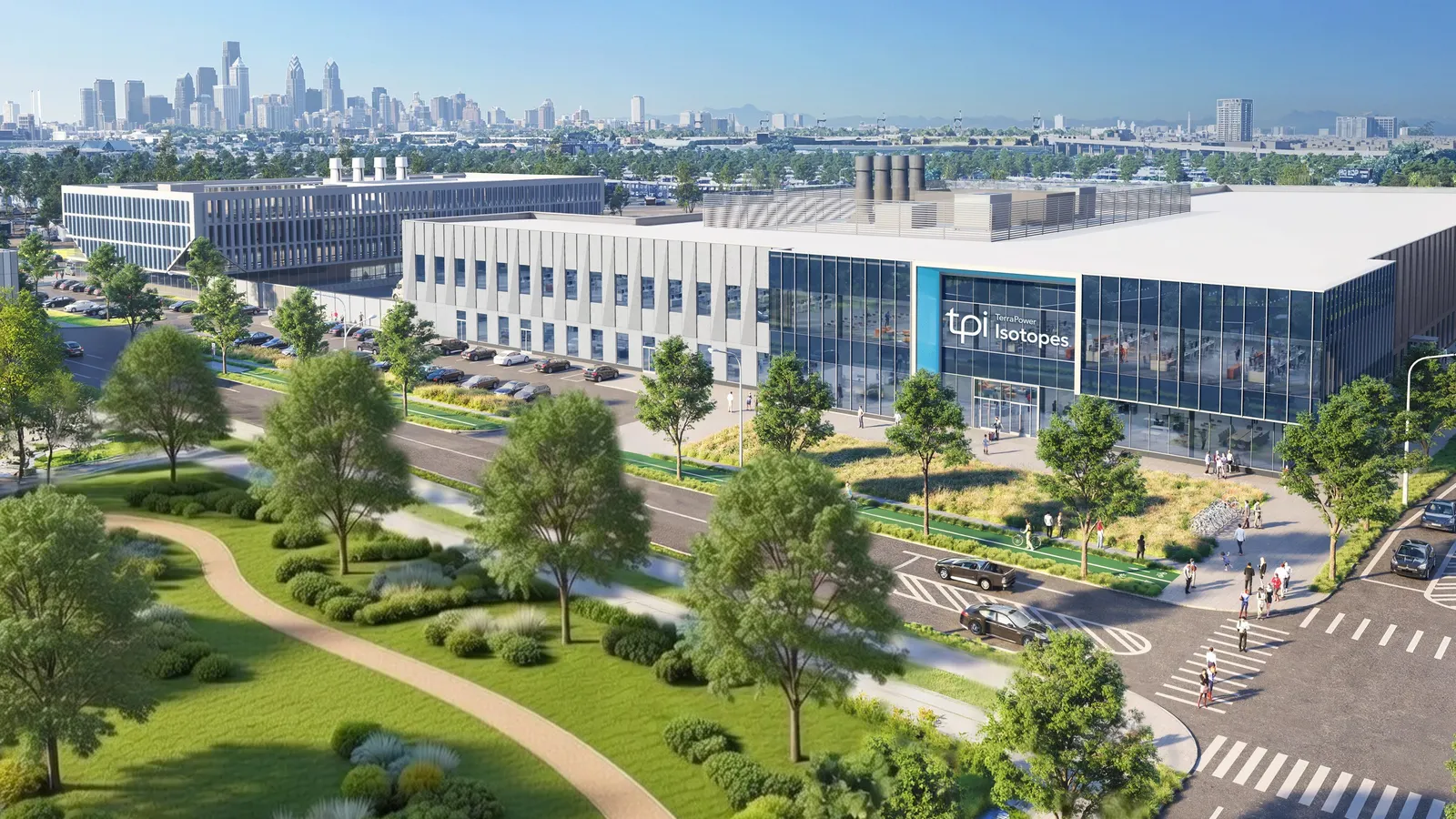
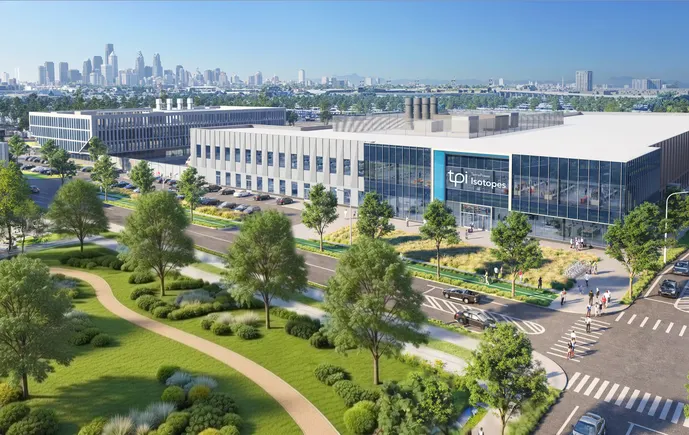
While many construction conglomerates traditionally reserve executive announcements for the turn of the calendar year, the dynamic nature of project pipelines, shifting regulatory frameworks, and a wave of planned retirements among veteran executives have kept the executive market in constant motion through the summer months. From preconstruction management on high-profile biotech facilities like TerraPower Isotopes’ Bellwether Laboratory in Philadelphia to enterprise-wide operational restructuring, firms are actively fortifying their leadership benches to navigate persistent supply chain complexities, labor constraints, and evolving technological demands.
Chronology: The Evolution of 2026 Executive Shifts
To understand how the executive landscape has transformed, it is necessary to examine the steady cadence of leadership appointments that have shaped the first seven months of 2026.
Q1 2026: The Annual Reshuffling and Strategic Realignment
As is customary across the engineering and construction (E&C) sector, January and February saw a surge in high-level corporate announcements. Firms utilized the start of the fiscal year to realign operational divisions, elevate long-tenured vice presidents to senior vice president roles, and onboard fresh executive talent from outside the sector to inject cross-industry perspectives. Key focus areas during this initial period included bolstering digital transformation teams, expanding regional offices in the Sun Belt, and shoring up safety and risk management protocols in the wake of expanding project sizes.
Q2 2026: Mid-Year Adaptations and Project-Driven Appointments
Moving into April, May, and June, the driver behind executive changes shifted away from routine annual planning toward project-specific requirements and immediate market demands. As mega-projects—particularly in the semiconductor, pharmaceutical, and clean energy sectors—demanded specialized preconstruction and execution leadership, firms began making targeted lateral hires. Specialized contractors started bidding aggressively for leadership talent capable of handling complex public-private partnerships (PPPs) and design-build delivery models.
July 2026: Summer Transitions and Retirement Wave
July marked a distinct inflection point characterized by planned retirements among foundational figures who helped steer major contractors through the post-pandemic economic recovery. Rather than leaving vacancies, firms implemented carefully orchestrated succession plans, elevating internal rising stars who represent the next generation of construction leadership. This mid-summer roster update highlights an industry actively bridging the knowledge gap between seasoned veterans and digitally fluent younger executives.
Supporting Data: The Executive Landscape in Numbers
Analyzing the broader trends behind these appointments reveals critical insights into the current state of the commercial construction market:
- Sector Focus: Approximately 42% of recent executive promotions and lateral moves are concentrated in sectors driving advanced technological and industrial construction—specifically life sciences, data centers, and advanced manufacturing.
- Internal Promotion vs. External Hires: Data from industry tracking indicates a healthy 60/40 split, with 60% of leadership slots filled via internal promotions. This points to robust succession planning and talent retention programs within major general contracting firms.
- Geographic Distribution: The South and Southeast regions account for the highest volume of executive expansions, reflecting the ongoing "Sun Belt migration" of corporate headquarters, manufacturing hubs, and residential developments.
- Diversity and Inclusion Metrics: Diversity appointments at the vice president and C-suite levels have seen a modest year-over-year increase of 4.5%, as major firms double down on board-level and executive diversity commitments to reflect the modern workforce.
Official Responses and Industry Perspectives
Corporate leadership teams across the sector have been vocal about the strategic imperative behind these human capital investments.

In a recent corporate town hall discussing structural changes at Gilbane, executive leadership emphasized that winning complex, high-stakes projects requires localized expertise paired with enterprise-level backing. Commenting on the firm’s involvement in advanced facilities like the Bellwether Laboratory—backed by prominent innovators including Bill Gates’ TerraPower—leadership noted that managing specialized preconstruction and core-and-shell execution demands an elite tier of project management professionals who can integrate technical precision with stringent regulatory compliance.
Similarly, representatives from Swinerton and Balfour Beatty have pointed to the integration of sustainable building practices and prefabrication technologies as primary catalysts for leadership restructuring.
"The construction manager of today is no longer just a coordinator of trades; they are technology integrators, financial strategists, and sustainability officers," noted a prominent industry recruitment consultant specializing in the E&C sector. "When firms shuffle their bullpen lineups, they are looking for leaders who can look at a 36-month schedule and anticipate financial, material, and labor bottlenecks before they materialize on the job site."
Furthermore, human resources executives within major contracting firms report an intense war for talent at the mid-to-senior management levels. As older generations step down, firms are competing fiercely not only against each other, but against tech firms and real estate developers for professionals skilled in Building Information Modeling (BIM), modular construction, and data-driven project controls.
Implications: What These Moves Mean for the Future of Construction
The continuous evolution of executive rosters carries profound implications for the trajectory of the construction industry over the remainder of the decade and into the 2030s.

1. Accelerated Adoption of Technology and AI
With newly appointed executives taking the reins—many of whom possess extensive backgrounds in digital engineering and operations—the pace at which artificial intelligence, generative design, and automated site-monitoring tools are adopted is expected to accelerate. Firms that fail to modernize their executive suites risk falling behind competitors capable of leveraging data analytics to optimize project delivery times and reduce material waste.
2. Heightened Focus on Risk Mitigation and Supply Chain Resilience
Global supply chain volatility and inflationary pressures have permanently altered how contractors approach bidding and contract negotiation. The current cohort of executive appointments favors leaders with deep expertise in risk management, alternative procurement strategies, and localized supply chain partnerships. Contractors are positioning themselves to absorb macroeconomic shocks without sacrificing profit margins or project delivery schedules.
3. Evolution of Workforce Development and Retention
As executive teams turn over, the culture of construction firms is inevitably impacted. Newly minted leaders are placing a renewed emphasis on talent development, mental health initiatives, and inclusive workplace cultures to combat the industry-wide labor shortage. By fostering pathways for internal advancement—as evidenced by the high volume of internal promotions seen this year—firms are creating clearer career trajectories that attract younger generations to the engineering and construction trades.
Conclusion
Construction’s executive bullpen will undoubtedly remain in flux as market demands, economic conditions, and technological innovations continue to evolve. For firms like Swinerton, Balfour Beatty, Gilbane, and their peers, the strategic placement of top-tier leadership is the ultimate differentiator between simply building structures and actively shaping the future of the built environment. As the industry moves past the midpoint of 2026, all eyes will be on these newly appointed leaders to deliver complex projects safely, efficiently, and on the cutting edge of modern construction science.
