

When most people think of mid-century modern design, visions of palatial, sprawling California ranches immediately come to mind. These mental snapshots typically feature homes with grand wood-paneled walls, steeply pitched ceilings, and iconic, prohibitively expensive curved furnishings crafted by legendary designers like Eames, Saarinen, or Noguchi. Because of these pop-culture associations, the mid-century modern aesthetic is frequently dismissed as an elite, high-budget design tier reserved for architectural purists and multimillionaires.
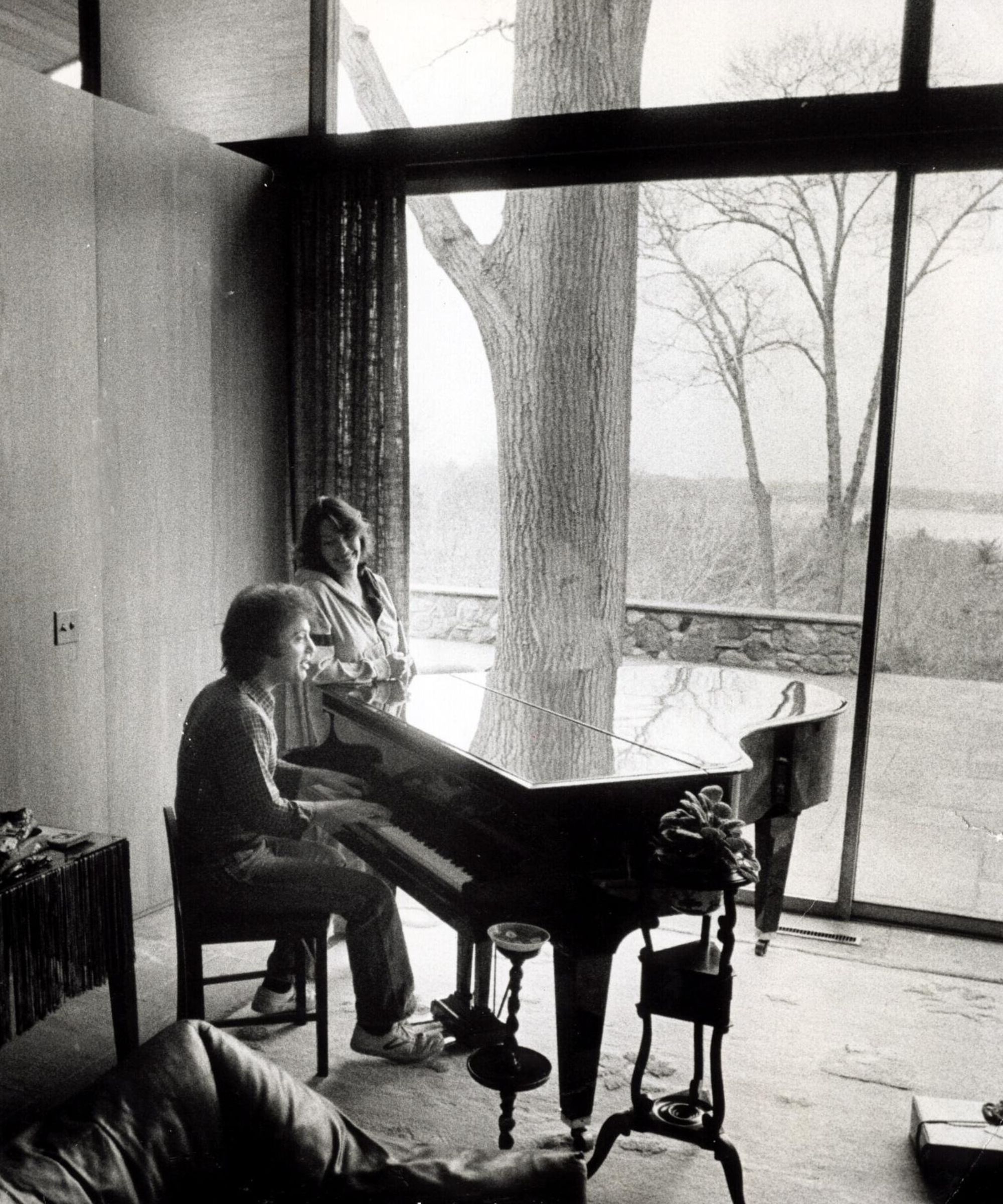
However, a fascinating archival look into the past proves that achieving this iconic aesthetic is far more accessible than conventional wisdom suggests. Archival photographs capturing the Oyster Bay, Long Island living room of legendary musician Billy Joel and his then-wife Elizabeth in 1978 offer a masterclass in how a handful of carefully curated, elegant accessories can effortlessly channel a timeless architectural style into almost any living space.
Main Facts: The Anatomy of Billy Joel’s 1978 Long Island Sanctuary
A peek inside Joel’s architectural Long Island "glass house" from the late 1970s reveals a masterfully balanced room. Rather than overwhelming the senses with heavy ornamentation or chaotic color schemes, the space relies on a restrained palette and organic materials.

- The Core Elements: The room is anchored by natural wood accents—specifically a simple wooden plant stand and a streamlined wooden sideboard—complemented by a classic leather sofa and, fittingly for the "Piano Man," a grand piano.
- Texture and Light: Underfoot, a plush shag carpet introduces a soft, tactile contrast against the clean lines of the wooden grain and furniture legs. Meanwhile, minimal, gauzy curtains frame the expansive, angular windows, allowing the structural architecture of the glass house to shine without visual clutter.
- The Design Philosophy: Though individual choices appear subtle, they instantly cohere into a sophisticated, deliberate homage to mid-century modern style. It serves as proof that achieving a high-end designer look is not about buying out a showroom, but rather about intentionality and curation.
Chronology: The Evolution of Mid-Century Modern and the Piano Man’s Retreat
To understand the significance of Joel’s 1978 living room, it helps to place the space within both architectural history and the musician’s personal timeline.
Mid-20th Century: The Genesis of the Movement
Originating roughly between the mid-1930s and the mid-1960s, mid-century modern design was born out of post-war optimism, rapid industrial manufacturing advancements, and a cultural shift toward indoor-outdoor living. Architects embraced glass, steel, and open-concept floor plans, creating homes that blurred the boundaries between interior rooms and the natural world outside.
1978: The Oyster Bay Era
By the late 1970s, Billy Joel was riding the monumental commercial success of albums like The Stranger (1977), which featured timeless hits like "Just the Way You Are" and "Movin’ Out (Anthony’s Song)." During this prolific era of his career, Joel resided in Oyster Bay, Long Island. His home—affectionately dubbed a "glass house"—mirrored the architectural philosophy of mid-century pioneers like Philip Johnson. The space capitalized on natural light, geometric angles, and a seamless connection to the surrounding coastal landscape. The interior styling captured in the 1978 photographs reflects a transitional period where sleek mid-century structural bones met the relaxed, tactile textures of the late 1970s.
Supporting Data & Expert Insights: The Enduring Appeal of Natural Wood
Why does Billy Joel’s Oyster Bay living room continue to captivate interior designers decades later? Much of the credit goes to the integration of natural wood elements, a material that remains a perpetual favorite among professional decorators.
According to Magdalena Gierasinska, Design Expert at Barker and Stonehouse, natural wood is enjoying a massive modern renaissance. "This season, celebrate the renaissance of wood and embrace the characterful beauty of this natural material," Gierasinska notes. "Endlessly versatile and utterly timeless, wood really does suit every home."
Gierasinska breaks down how homeowners can leverage different types of wood to achieve distinct interior atmospheres:
- For a Bold, Contemporary Look: "Choose pieces crafted from burl. With its distinctive, almost marbled effect, burl wood brings an effortlessly cool and contemporary feel to interiors."
- For a Relaxed Coastal Aesthetic: "Opt for weathered pieces that celebrate the natural texture and patina of the wood."
- For a Classic, Heritage-Inspired Style: "Focus on larger furniture pieces, such as traditional dining tables, that showcase the beauty of distinctive knots and expressive grain."
Ultimately, no matter what your personal interior style may be, you can easily emulate the effortless beauty of Billy Joel’s historic home with just a touch of thoughtfully placed natural wood.
Recreate Billy Joel’s Look at Home: Curated 2026 Alternatives
If you are hoping to capture the organic, relaxed mid-century modern elegance of Billy’s Oyster Bay living room today, interior editors suggest blending vintage inspirations with contemporary silhouettes. Here are several key pieces designed to channel the look with a modern twist:
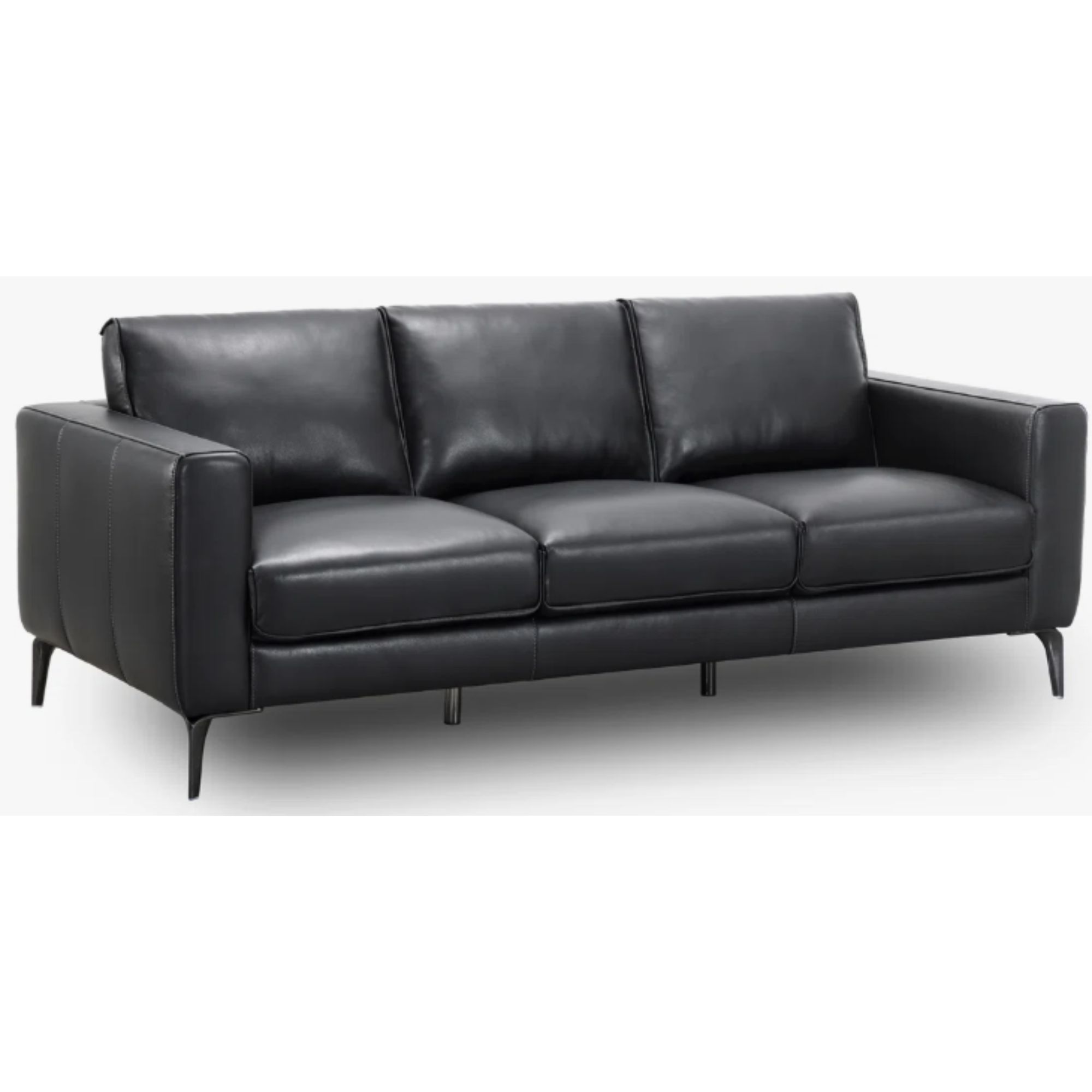
1. The Anchor Seating: Latitude Run Cerellia Leather Sofa
A study in sophistication, this sofa merges mid-century elegance with a clean, contemporary silhouette. Its top-grain leather seating is accented with refined stitching, offering the same grounded, masculine luxury found in Joel’s 1978 living room without feeling heavy or dated.

2. The Textural Foundation: Ultra-Soft White Shag Area Rug
Channeling the tactile contrast seen underfoot in the Oyster Bay house, an ultra-soft shag rug introduces instant warmth and character. At an accessible price point, it provides a gorgeous grounding texture when paired alongside rich wooden furniture schemes.
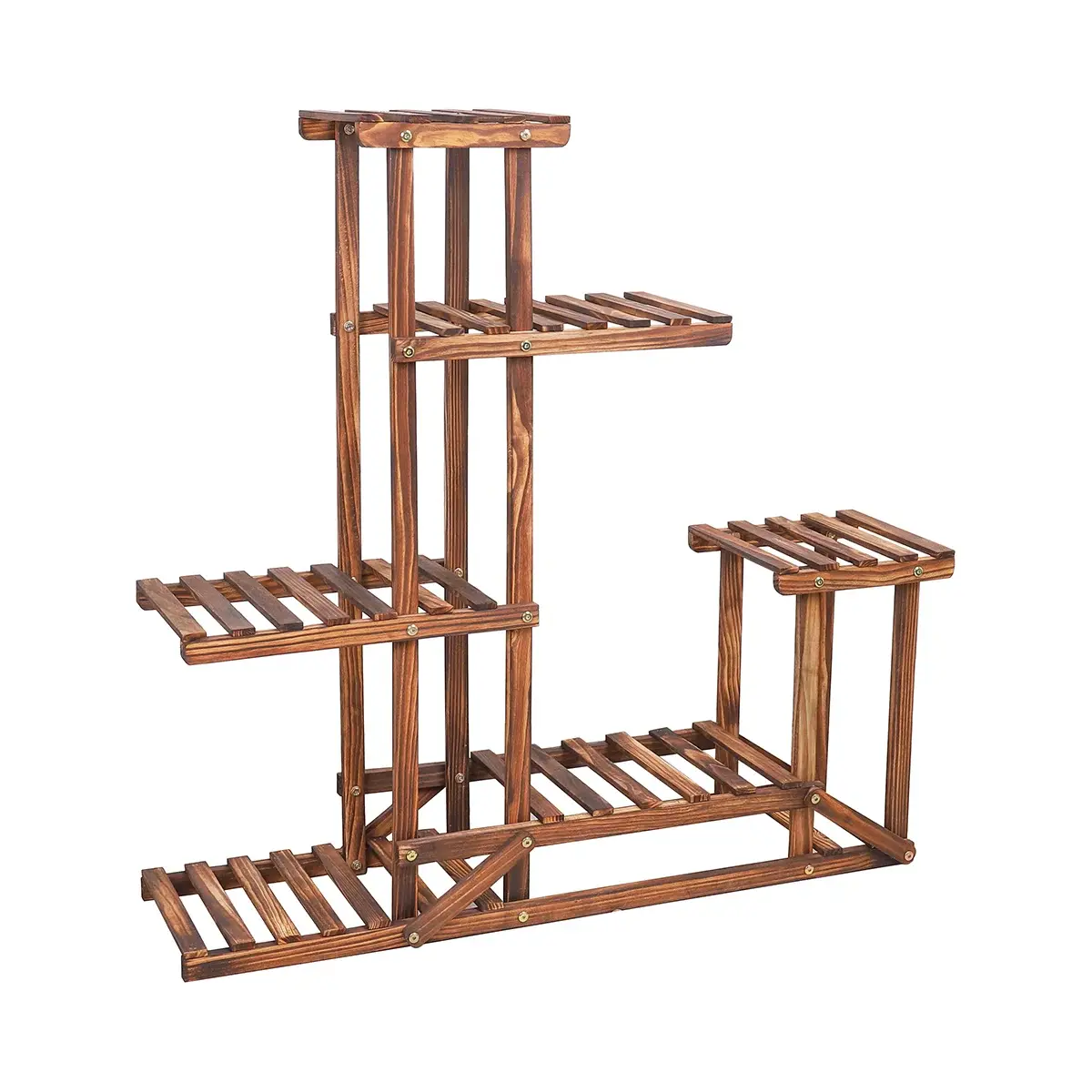
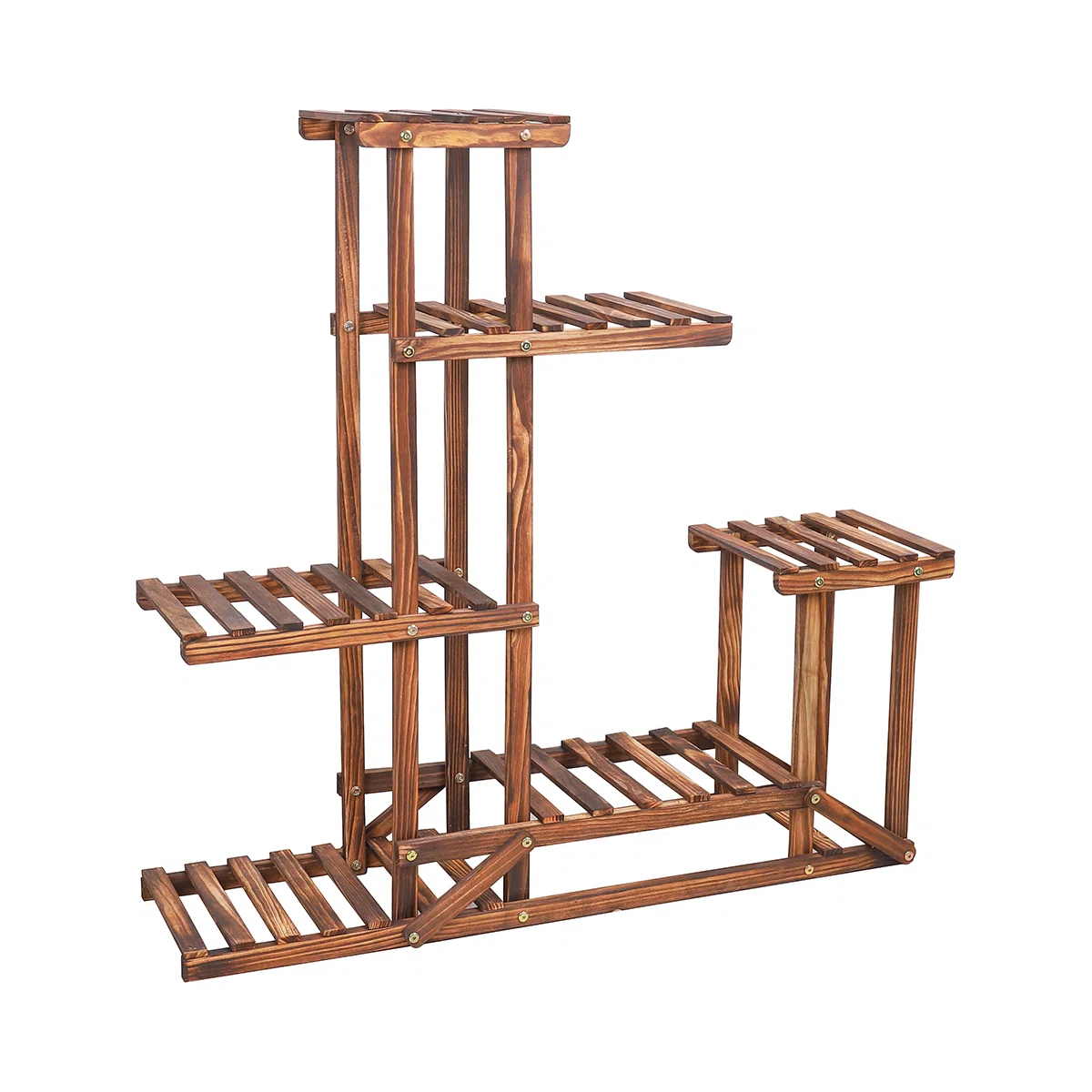
3. The Greenery Display: Millwood Pines Ballsallagh Plant Stand
Plants were essential to the biophilic design ethos of mid-century homes, bridging the gap between indoor spaces and the outdoors. If you have extra space to work with, a tiered wooden or weather-resistant plant stand creates magnificent visual interest while holding a vast array of indoor greenery.
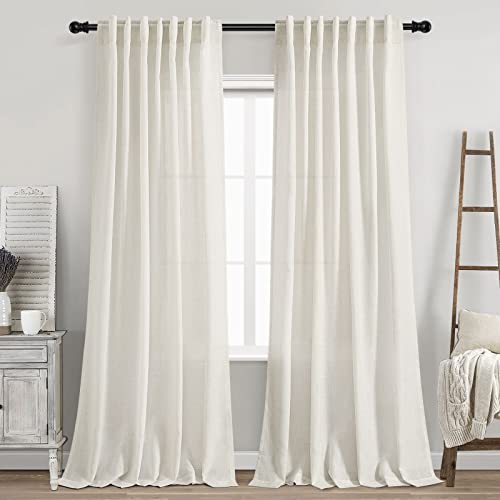
4. The Window Treatment: Cream Linen Back Tab Curtains
To honor the expansive, angular windows of a glass house, heavy drapes simply won’t do. The soft, cream-colored linen-look fabric and understated pleating of semi-sheer linen curtains provide natural privacy while diffusing sunlight, keeping a pared-back space warm and inviting.
5. The Musical Touch: George Oliver Barajas Record Storage Console
You don’t necessarily need a grand piano to fill your living room with music. A stylish mid-century record storage console offers geometric lines and warm wood tones, serving as both a functional home for a vinyl collection and a striking design statement.
6. The Finishing Accent: Jabas Black Woven Leather Throw Pillow
Inspired by rich global weaving traditions, throw pillows featuring buttery-soft woven leather add subtle dimension to a leather sofa or lounge chair. It is an effortless way to layer texture into a room without making a massive financial investment.
Implications: Quality Over Quantity in Modern Interior Design
The enduring lesson of Billy Joel’s 1978 Oyster Bay living room extends far beyond celebrity voyeurism or retro nostalgia; it challenges how we think about decorating modern spaces.
In an era dominated by fast furniture, overconsumption, and maximalist trends, the mid-century modern philosophy championed in Joel’s home offers a refreshing antidote. As Magdalena Gierasinska points out, the true essence of mid-century design is not about decorating more; it is about choosing better.
"Achieving the look today means prioritizing quality over quantity: seek furniture that feels architectural in its silhouette, honest in its materials, and functional in its purpose," Gierasinska advises. "Add subtle layers through woven rugs, ceramic accents, and greenery, but let the furniture lead. The beauty of mid-century style is that it speaks loudest in its simplicity."
By evaluating our spaces through a lens of curation rather than accumulation, everyday homeowners can replicate the effortless, architectural grace of a legendary musician’s mid-century sanctuary. Whether you live in a sprawling glass house on the shores of Long Island or a cozy urban apartment, the path to timeless design begins with a single thoughtful piece of natural wood, a touch of texture, and an appreciation for clean, honest lines.
