

Both spring and fall represent critical inflection points in the gardening calendar. Characterized by temperate weather conditions, moderate moisture levels, and stable soil temperatures, these transitional seasons provide the biological sweet spot for successful seed germination. Yet, for many home gardeners, staring down a long, ambitious list of seeds to sow can quickly transform a therapeutic, mindful pastime into a frantic chore.
When performed haphazardly, seed sowing can feel fiddly, stressful, and prone to low germination rates or leggy, weak seedlings. However, transforming this foundational horticultural task into an organized, deeply satisfying experience relies less on luck and more on having the right equipment at hand. Whether you are prepping winter vegetables or getting a head start on sowing flowers for the autumn or coming spring, utilizing a thoughtfully curated seed-sowing kit makes all the difference.
Main Facts: The Anatomy of an Efficient Seed-Sowing Kit
To streamline the sowing process, professional horticulturists and seasoned gardeners rely on a specialized toolkit. Eliminating guesswork and reducing physical strain, these key implements ensure that every seed is given the optimal environment in which to thrive.
1. Precision Tools: Dibbers and Spacers
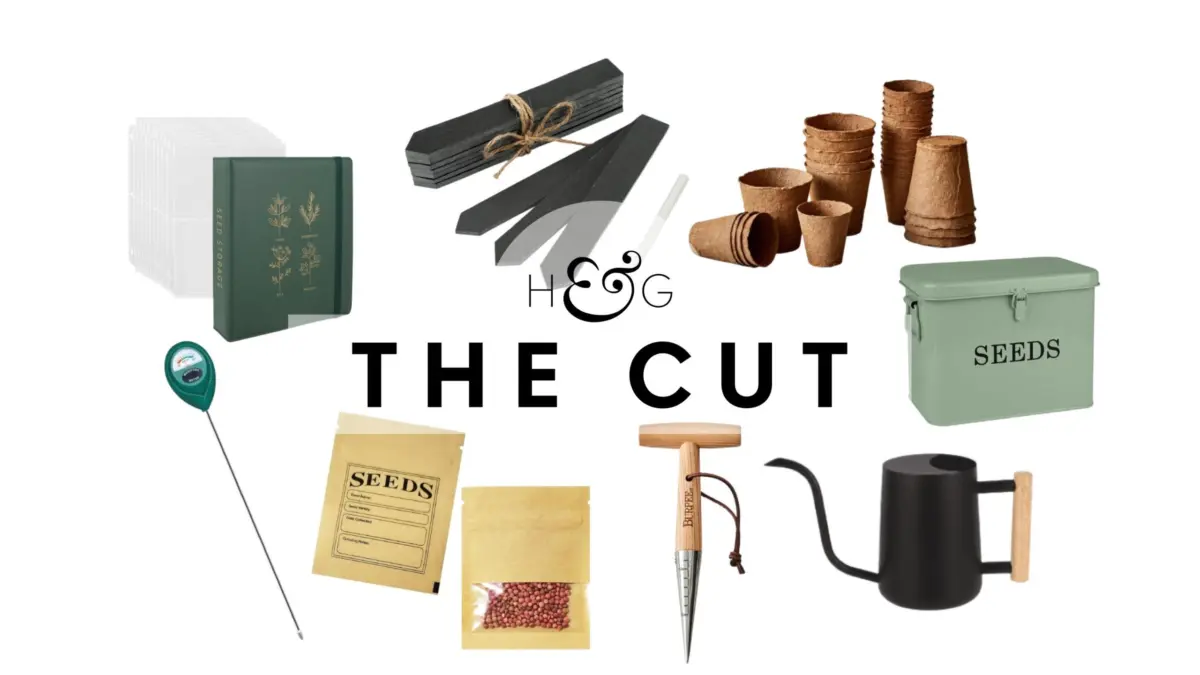
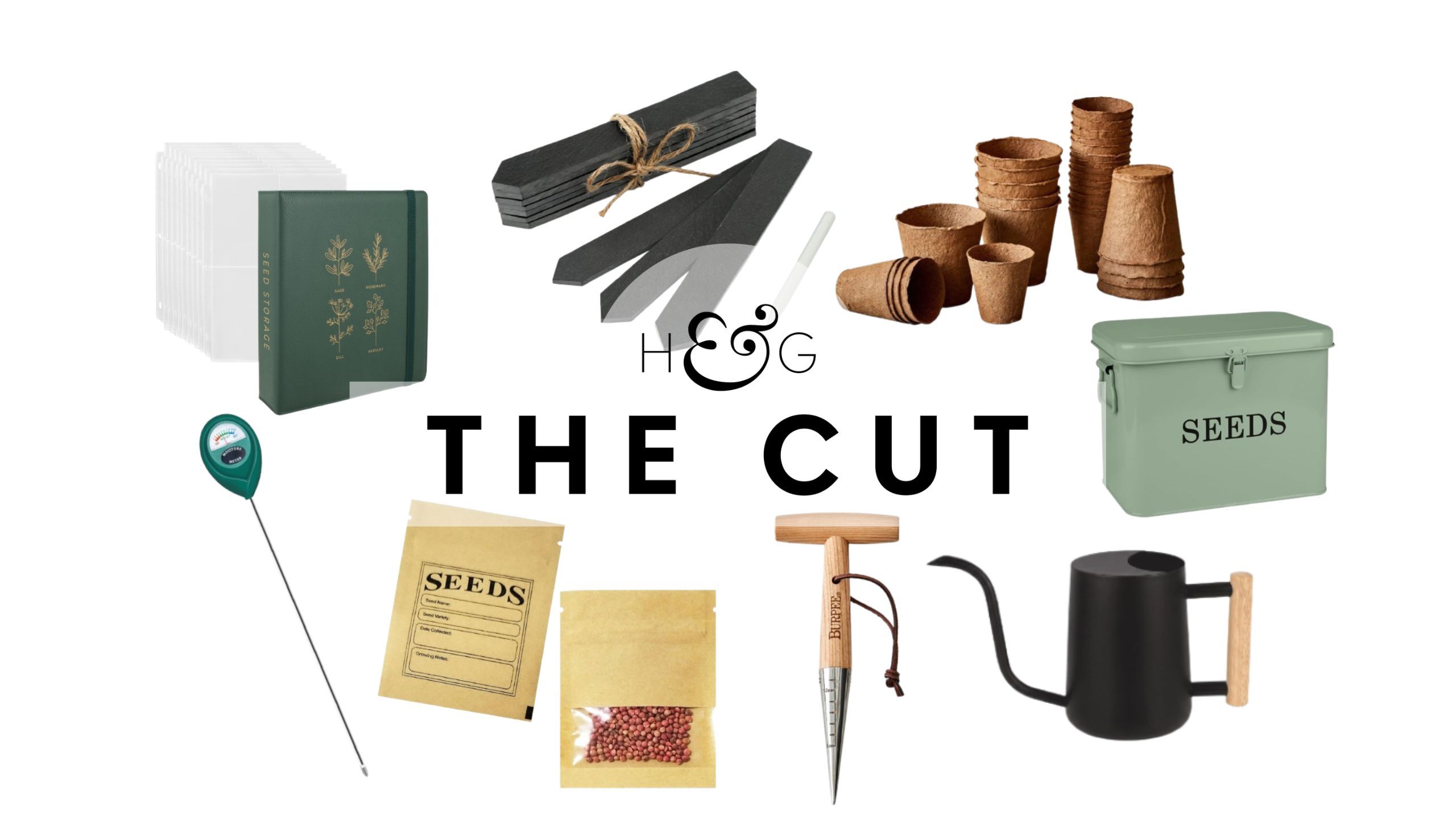
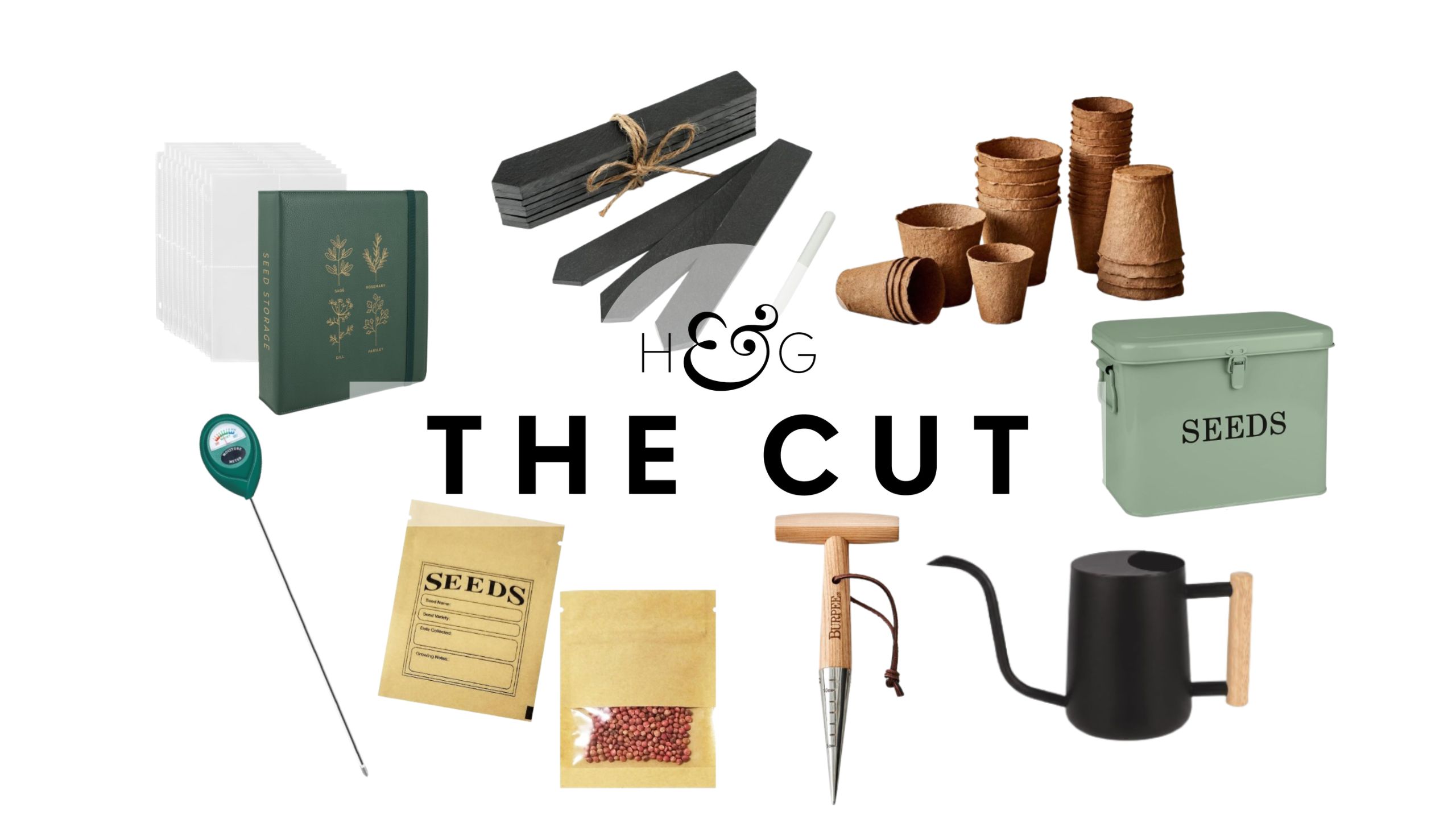
- The Stainless Steel Dibber: Whether you are sowing seeds directly into outdoor garden beds or punching holes in modular trays indoors, a quality dibber—such as the Burpee stainless steel dibbler—allows you to create uniform planting depths with absolute precision. Consistent depth is critical because seeds planted too deep may lack the energy to push through the soil, while those planted too shallowly risk drying out or washing away.
- The Seed Spacer: One of the most common pitfalls for beginners is overcrowding. Utilizing a dedicated seed spacer ensures that seeds are distributed evenly at precisely the right intervals. This guarantees that mature plants will have adequate access to light, water, and nutrients without competing with their neighbors.
2. Specialized Containers: Plantable Fiber Pots
Certain plant species—particularly those with delicate root systems like poppies, sweet peas, and many root vegetables—notoriously detest being transplanted. The disturbance of their roots during standard potting-on procedures can induce severe transplant shock, stunting their growth or killing them outright.
- Biodegradable Solutions: For plants that require an indoor head start but struggle with root disturbance, plantable fiber pots (such as Burpee’s round fiber pots) offer the ideal workaround. Gardeners can sow directly into these pots and plant the entire container straight into the ground or a larger vessel, where the material naturally decomposes and enriches the soil.
3. Comprehensive Storage and Identification Systems
- Seed Tins and Organizers: Keeping a collection of both purchased seed packets and saved seeds organized can be a challenge. A dedicated storage solution, such as a partitioned metal seed tin, protects seeds from moisture, light, and temperature fluctuations while keeping varieties sorted by season or type.
- Kraft Envelopes for Seed Savers: For gardeners who practice seed harvesting from their own yards, self-sealing kraft paper envelopes provide a breathable, secure storage medium. Selecting envelopes with designated spaces to record the plant variety, cultivar, and collection date prevents costly mix-ups down the road.
- Durable Plant Labels: Once seeds are safely in the earth, memory alone is rarely enough to track what is growing where. Slate or weather-resistant plant markers eliminate identification confusion as tiny, unrecognizably young seedlings begin to emerge.
Chronology: The Seasonal Seed-Sowing Timeline
Understanding when to sow is just as important as knowing how. A structured chronological approach ensures year-round garden productivity.
Late Winter to Early Spring: The Indoor Head Start
As winter begins its slow retreat, indoor seed starting takes center stage. Long before the final frost date passes, gardeners utilize indoor grow lights, heat mats, and seed-starting trays to kick off tender annuals, tomatoes, peppers, and perennial flowers. This period requires meticulous attention to moisture control and temperature to prevent fungal issues like "damping off."
Mid-Spring: Direct Sowing Outdoors
As the soil warms and the threat of hard frost diminishes, attention shifts outdoors. Hardy annuals, root crops (like carrots and radishes), and leafy greens are direct-sown into garden beds. This is the window where tools like dibbers and seed spacers prove exceptionally valuable for creating neat, highly productive rows.
Late Summer to Mid-Fall: The Second Wave
Often overlooked by novice growers, fall is a powerhouse season for seed sowing. Temperate soil paired with cooling air temperatures creates an ideal environment for establishing hardy biennial flowers, cool-season vegetables (such as spinach, kale, and garlic), and perennial wildflowers. Sowing in autumn allows root systems to establish deeply before winter dormancy, resulting in vigorous, early-blooming plants when spring arrives.
Supporting Data and Common Pitfalls to Avoid
Even with a top-tier toolkit, poor technique can easily sabotage your planting efforts. Horticultural data consistently points to a few recurring errors that undermine germination success.
- The Overcrowding Trap: Sowing seeds too closely together is the single most frequent mistake made by home gardeners. While it feels counterintuitive to leave empty space in a tray or bed, dense planting leads to weak, spindly seedlings fighting for light. If you accidentally sow too many seeds in one area, make sure to aggressively thin out the excess seedlings once they develop their first set of true leaves, leaving only the strongest specimens to mature.
- Choosing the Wrong Substrate: Garden soil brought straight from the yard is often far too dense, prone to crusting over, and may harbor weed seeds, fungal spores, or pests. Specialized seed-starting mixes—widely available at major retailers like Walmart—are specifically formulated to be sterile, fine-textured, and exceptionally well-draining, providing the exact balance of aeration and moisture retention that fragile germinating seeds require.
Expert Insights: Perspectives from Horticultural Professionals
According to Tenielle Gardens, a prominent Gardens Content Editor and former editorial team member at the Royal Horticultural Society (RHS), the shift toward mindful, structured gardening is vital for long-term success.
"When there’s a long list of seeds to get through, it can be far from a mindful activity and rather feel rushed," notes Gardens. "But with the right seed-sowing kit to hand, it’s much easier to keep things organized, less fiddly, and turn this essential task into an enjoyable one."
Industry experts emphasize that gardening is as much about psychological well-being as it is about botanical production. By investing in organized storage, proper labeling, and ergonomic planting tools, the act of sowing shifts from a stressful chore into a meditative ritual that connects the grower to the natural rhythms of the seasons.
Implications: The Broader Impact of Home Seed Sowing
Embracing structured seed-sowing practices carries significant implications for both environmental sustainability and personal food security.
- Biodiversity and Conservation: By saving seeds from year to year and planting heirloom or open-pollinated varieties, gardeners actively contribute to the preservation of genetic diversity in plants. This counters the commercial homogenization of agriculture and supports localized ecosystems.
- Economic Efficiency: Purchasing seeds and propagating plants from scratch is exponentially more cost-effective than buying mature bedding plants or nursery stock in the spring. A single packet of seeds costing just a few dollars can yield dozens—or even hundreds—of plants.
- Mental Health and Mindfulness: As urban environments grow denser and screen time increases, structured outdoor activities like seed sowing offer proven therapeutic benefits. The deliberate pacing required to measure spaces, label varieties, and tend to fragile sprouts fosters mindfulness, reduces cortisol levels, and instills a profound sense of accomplishment as the garden comes to life.
By equipping yourself with the right tools, respecting the natural seasonal timeline, and avoiding common execution errors, seed sowing transforms from an intimidating agricultural hurdle into one of the most rewarding aspects of the gardening year.
