As the crisp air of autumn sweeps in and our thoughts turn toward hunkering down indoors, the concept of the "home as a sanctuary" takes on renewed meaning. While many default to calming neutrals and muted palettes for the cooler months, a growing counter-movement celebrates unrestrained self-expression, eclectic layering, and unapologetic color.
No space captures this rebellious, soulful energy quite like pop icon Miley Cyrus’s vibrant living room. Styled by her mother and frequent collaborator, Tish Cyrus, the singer’s residence serves as a masterclass in non-traditional interior design—proving that comfort and coziness do not have to come at the expense of personality.
Main Facts: The Anatomy of a Rock-and-Roll Retreat
Miley Cyrus’s living room is a visual feast that bridges the gap between raw, moody architecture and playful, retro-inspired maximalism. At its core, the space relies on a stark juxtaposition of light, dark, and texture:
Moody Black Walls: The foundation of the room is set with dramatic dark walls, providing a striking, high-contrast backdrop that allows vivid jewel tones to pop.
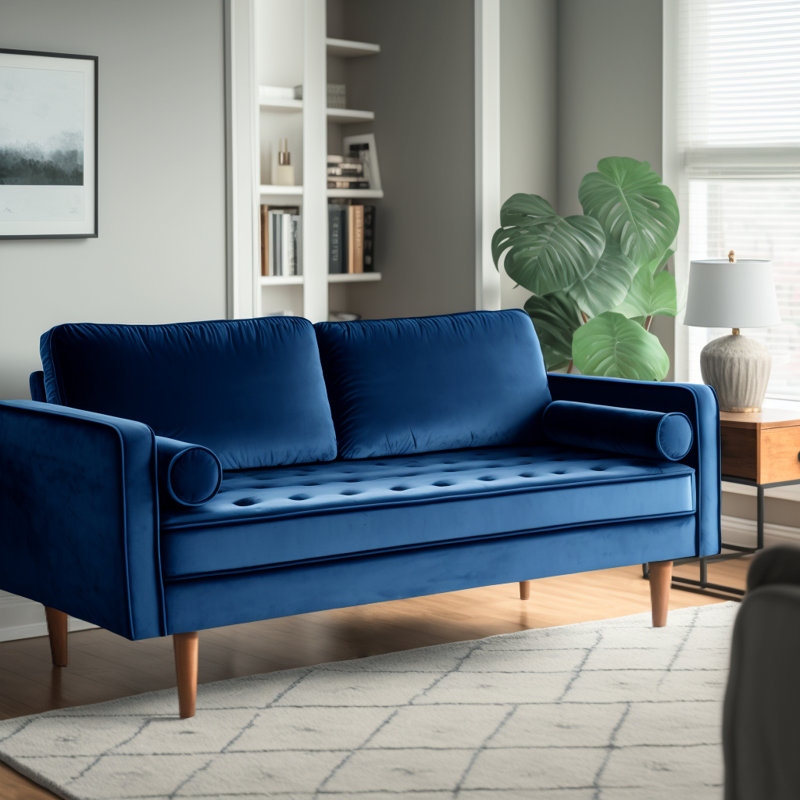
Vibrant Seating: Anchored against the dark perimeter are brilliant blue living room sofas, introducing a luxurious velvet texture and a saturated jolt of color.
Focal Point Fireplace: Suspended above the hearth is a dynamic, multi-colored art installation featuring electric shades of purple, blue, and pink, drawing the eye naturally toward the room’s architectural center.
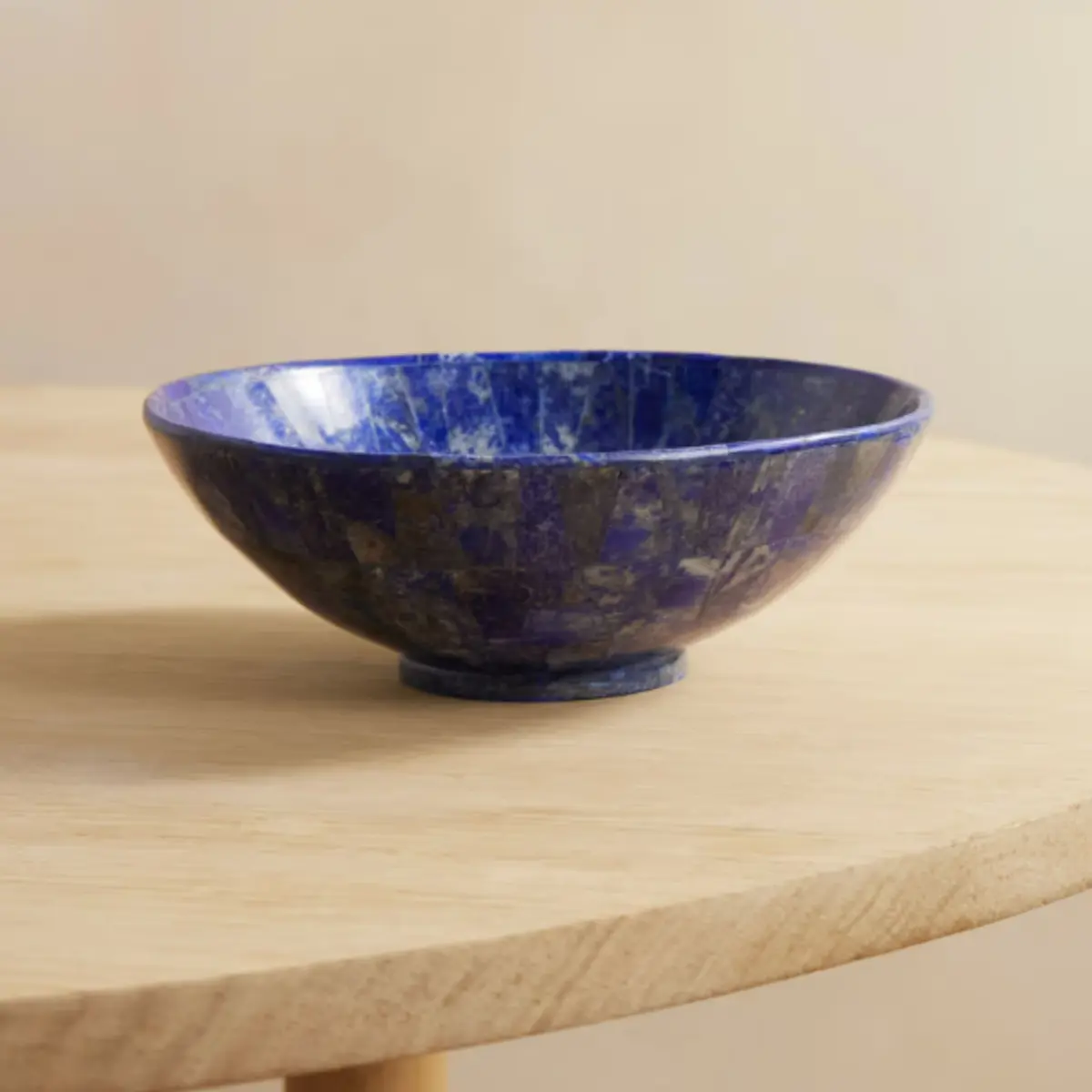
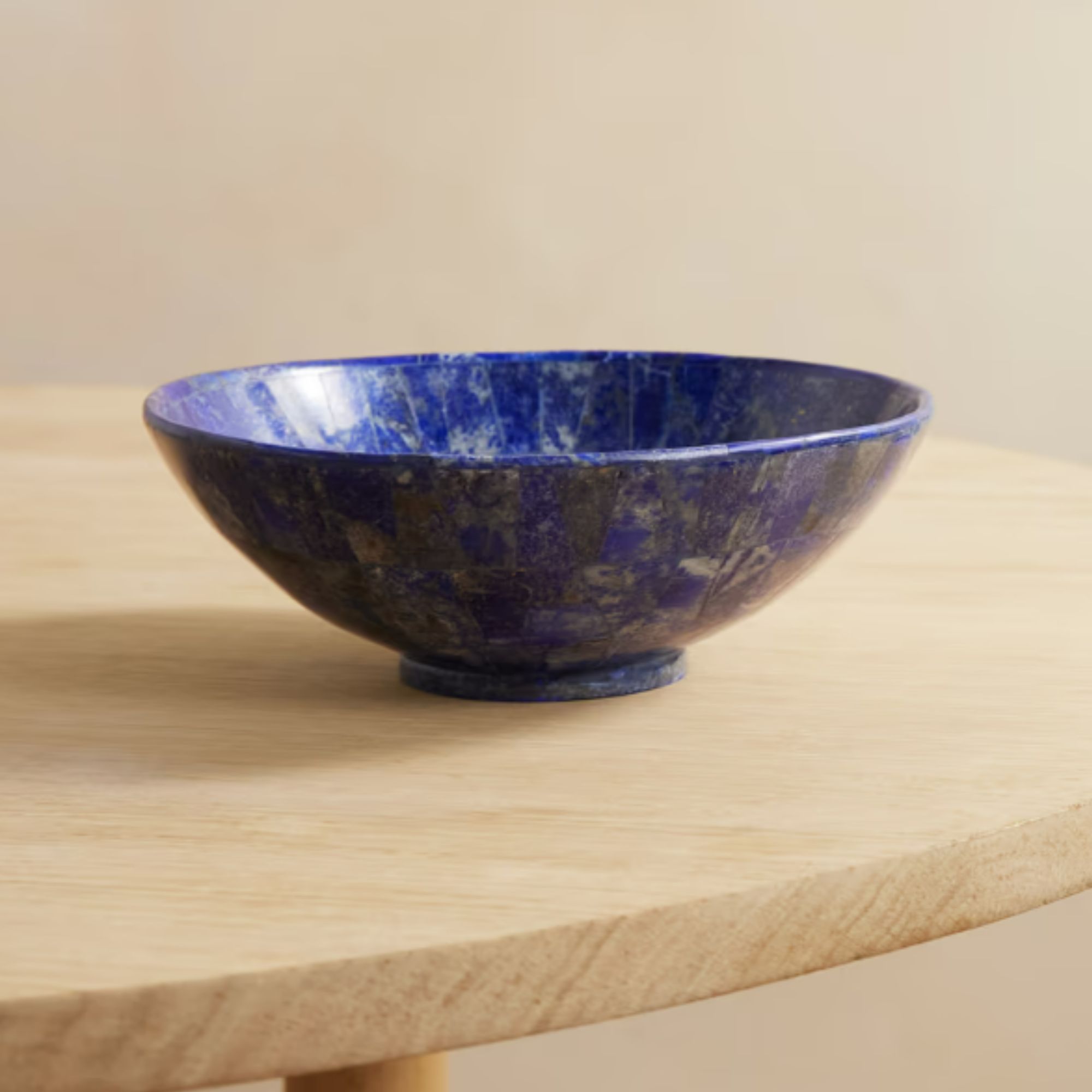
Metallic and Mineral Accents: A gleaming gold coffee table sits at the middle of the room, offering warmth and a touch of mid-century glamor. It is styled with curated objects, including a matte stoneware bowl reminiscent of rich lapis lazuli.
Curated Built-Ins: The surrounding built-in shelving acts as a gallery of personal history, showcasing colorful decorative items, designer pieces by artists like Helle Mardahl, and well-read coffee table staples such as the classic monographs of Keith Haring.
Chronology: The Evolution of Celebrity Maximalism
The trajectory toward the kind of expressive interior seen in Cyrus’s home has been building for years, shifting the pendulum away from the sterile, hyper-minimalist aesthetics of the 2010s.
Phase 1: The Post-Pandemic Pivot to Comfort (2020–2022)
In the wake of global lockdowns, homeowners began looking at their living spaces not just as places to sleep and eat, but as emotional shields against external uncertainty. The initial wave favored "cocooning" neutrals, but designers quickly realized that soft grays and stark whites failed to provide the psychological warmth and stimulation people genuinely craved.
Phase 2: The Rise of Celebrity-Led Design (2023–2025)
As celebrities opened their homes to architectural and lifestyle publications, fans gained insight into the private domains of artists like Miley Cyrus. Tish Cyrus, recognized for her distinct eye and ability to blend rock-and-roll heritage with modern sophistication, spearheaded spaces that prioritized individual narrative over fleeting trends. Homes transformed from magazine-ready showrooms into curated autobiographies.
Phase 3: The Consolidation of ‘Nostalgia-Core’ (2026–Present)
Entering the design landscape, interiors have firmly embraced the "nostalgia-core" movement. Rather than looking forward to hyper-futuristic designs, contemporary style draws heavily on the sensory familiarity of the 1970s, ’80s, and ’90s. The Cyrus living room stands as an archetype of this era-blending philosophy, proving that retro influences remain intensely relevant.
Supporting Data: Why Maximalism and Retro Design Are Resurging
Market research and interior design analytics point to a massive shift in consumer behavior heading toward upcoming design cycles:
The Decline of Minimalism: According to recent home furnishing reports, sales of high-gloss, ultra-minimalist white furniture have dipped by over 22% since 2023, while demand for rich-hued velvets, textured stone (such as travertine), and artisanal ceramics has seen a steady upward trajectory.
Search Trends: Interest in keywords related to "maximalist living rooms," "jewel-tone color schemes," and "retro-core interior design" has surged globally by upwards of 45%, driven largely by younger demographics seeking authenticity in their living spaces.
The Psychology of Color: Environmental psychology studies consistently show that saturated colors—such as deep blues, rich blacks, and warm metallic accents—foster feelings of security and mental stimulation when balanced correctly, making them ideal psychological anchors for spaces meant for relaxation and entertaining alike.
Official Responses and Expert Insights
Industry professionals and interior authorities have taken note of the broader cultural shift toward expressive, nostalgia-infused design.
Georgia Metcalfe, design and furniture expert at French Bedroom, notes that the modern homeowner’s relationship with space has fundamentally evolved:
"The world has felt a little turbulent lately, and minimalist interiors don’t quite offer the cocooning feel that we crave from our homes. So, it’s no surprise that we’re turning to spaces that feel nostalgic and synonymous with familiarity and comfort."
Metcalfe adds that the beauty of this approach lies in its inherent flexibility:
"The most wonderful thing about this look is that it encourages an eclectic approach to interiors—the fusion of old and new, a combination of stripes and florals, and a plentiful use of color and pattern."
Echoing these sentiments, designer Lena Gierasinska elaborates on the mechanics of the nostalgia-core movement:
"Nostalgia-core in interior design is a compelling trend that draws on the comforting aesthetics of the past. It’s about recreating the emotional connection to bygone eras—whether it’s the ’70s, ’80s, or ’90s. The appeal of this style lies in its ability to provide a sense of stability and familiarity in a world that constantly changes and can sometimes feel uncertain."
Gierasinska highlights that these interiors successfully bypass temporary trends by anchoring themselves in genuine emotional resonance: "Nostalgia-core interiors often feature retro-style color palettes, iconic patterns, and furniture that harks back to previous decades, evoking a feeling of warmth and sentimentality."
Implications: What Miley Cyrus’s Living Room Means for the Future of Home Decor
The widespread fascination with Miley Cyrus’s rock-and-roll living room points to a larger cultural reckoning with how we define luxury and personal space.
The Death of the "Showroom" Aesthetic: Consumers are increasingly moving away from uniform, catalog-ordered rooms that lack personal narrative. The emphasis is now on collecting pieces—vintage books, artisan bowls, thrifted art, and bold statement furniture—that tell a cohesive story about the inhabitant’s life.
Embracing Fearless Color Transitions: As seasonal shifts bring cooler weather, the traditional impulse to retreat into beige or gray is being challenged by moody, saturated alternatives. Dark walls paired with bright primary or jewel-tone accents prove that moody spaces can simultaneously feel vibrant and inviting.
Investment in Emotional Longevity: When design choices are driven by nostalgia, personal taste, and authentic history rather than algorithm-driven micro-trends, spaces achieve longevity. A room styled with meaningful art, memories, and bold textures never truly goes out of style because it is intrinsically tied to the identity of the person living within it.
Ultimately, Miley Cyrus’s vibrant, rock-chic haven offers a powerful blueprint for anyone looking to revamp their home for the cooler months ahead. By trading cautious neutrals for fearless jewel tones and deeply personal artifacts, your living room can transform into a true sanctuary of self-expression.