

As the intense heat of summer steadily recedes into memory, September emerges as a golden window of opportunity for passionate gardeners across the globe. While many view autumn merely as a season of harvest and winding down, seasoned horticulturists recognize it as the prime period for plant propagation. With the soil still retaining its summer warmth and the punishing ambient temperatures fading, conditions are uniquely optimized for cuttings and divisions to establish strong, resilient root systems before winter’s chill sets in.
Propagating new plants for free—whether to expand your own verdant borders, fill unexpected gaps in the vegetable patch, or share cherished specimens with family and friends—offers an unmatched sense of horticultural satisfaction. Furthermore, with winter frosts looming on the horizon, September provides a vital safety net: a chance to create healthy backups of tender specimens that might otherwise fail to survive the freezing months ahead.
Below is an in-depth, professional guide to mastering September propagation, detailing the ideal techniques, chronological workflows, and essential flora to target this autumn.
Main Facts: Why September is the Ultimate Month for Propagation
The transition from summer to autumn creates a physiological sweet spot for plant life. Key environmental and biological factors converge during this period to make September exceptionally fertile ground for propagation:
- Retained Soil Warmth: Summer sunshine bakes the earth, and the ground holds this thermal energy well into September. Warm soil stimulates root growth, allowing divisions and cuttings to anchor themselves rapidly.
- Reduced Moisture Stress: Unlike the scorching, desiccating days of July and August, September brings cooler ambient temperatures and increased morning dew. This drastically reduces transpirational water loss in newly cut stems.
- Semi-Ripe Wood Maturity: Many perennial plants and shrubs develop semi-hardwood (or semi-ripe) stems by early autumn. These stems possess the structural rigidity required to support root development without being too woody to generate new growth.
- Insurance Against Winter Loss: Tender perennials and bedding plants face high mortality rates during hard freezes. Propagating them in September ensures growers have healthy young clones safely overwintering indoors or under glass.
Chronology of Autumn Gardening: The Propagation Timeline
Successfully multiplying your garden stock requires careful timing. The autumn gardening calendar follows a structured progression as seasonal temperatures drop:
Early to Mid-September: Division and Tender Cuttings
- Perennial Division: As summer blooms fade, herbaceous perennials like Hardy Geraniums and Lamb’s Ear have reached peak maturity. Dividing them now allows the divided root systems to heal and establish before dormancy.
- Tender Plant Cuttings: Pelargoniums (bedding geraniums) and lemon verbena must be propagated before night temperatures plummet. Taking semi-ripe cuttings in mid-September guarantees enough time for root formation prior to indoor relocation.
Late September: Direct Sowing and Hardy Annuals
- Sweet Pea Sowing: In USDA hardiness zones 8 and above, directly sowing sweet pea seeds in late September encourages deep taproot development over winter, resulting in much earlier and more vigorous blooms the following spring.
- Bulb and Border Replenishment: If summer annuals have left barren patches, late September is ideal for filling gaps. Using specialized tools like a Japanese hori-hori knife makes breaking through baked summer soil efficient and precise.
Mid-Fall to Late Winter: Hardwood Cuttings
- Deciduous Shrubs and Trees: Once plants have completely dropped their leaves and entered total dormancy (typically from October through February), growers can transition to hardwood cuttings for deciduous climbers, roses, and butterfly bushes.
Comprehensive Guide: Six Essential Plants to Propagate This September
Horticultural experts recommend focusing on specific varieties that respond exceptionally well to autumn propagation techniques.
1. Hardy Geraniums (Cranesbills)
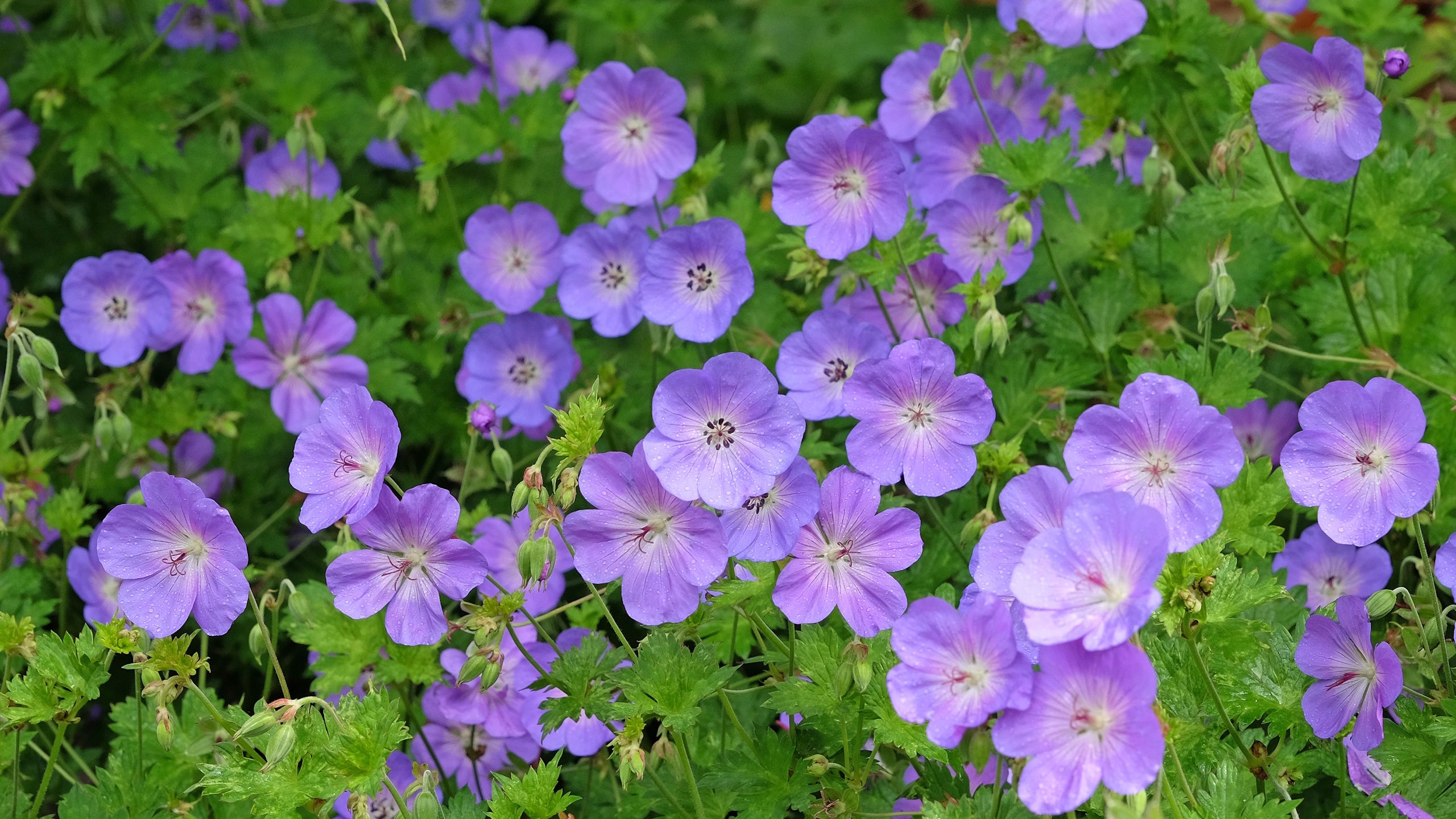
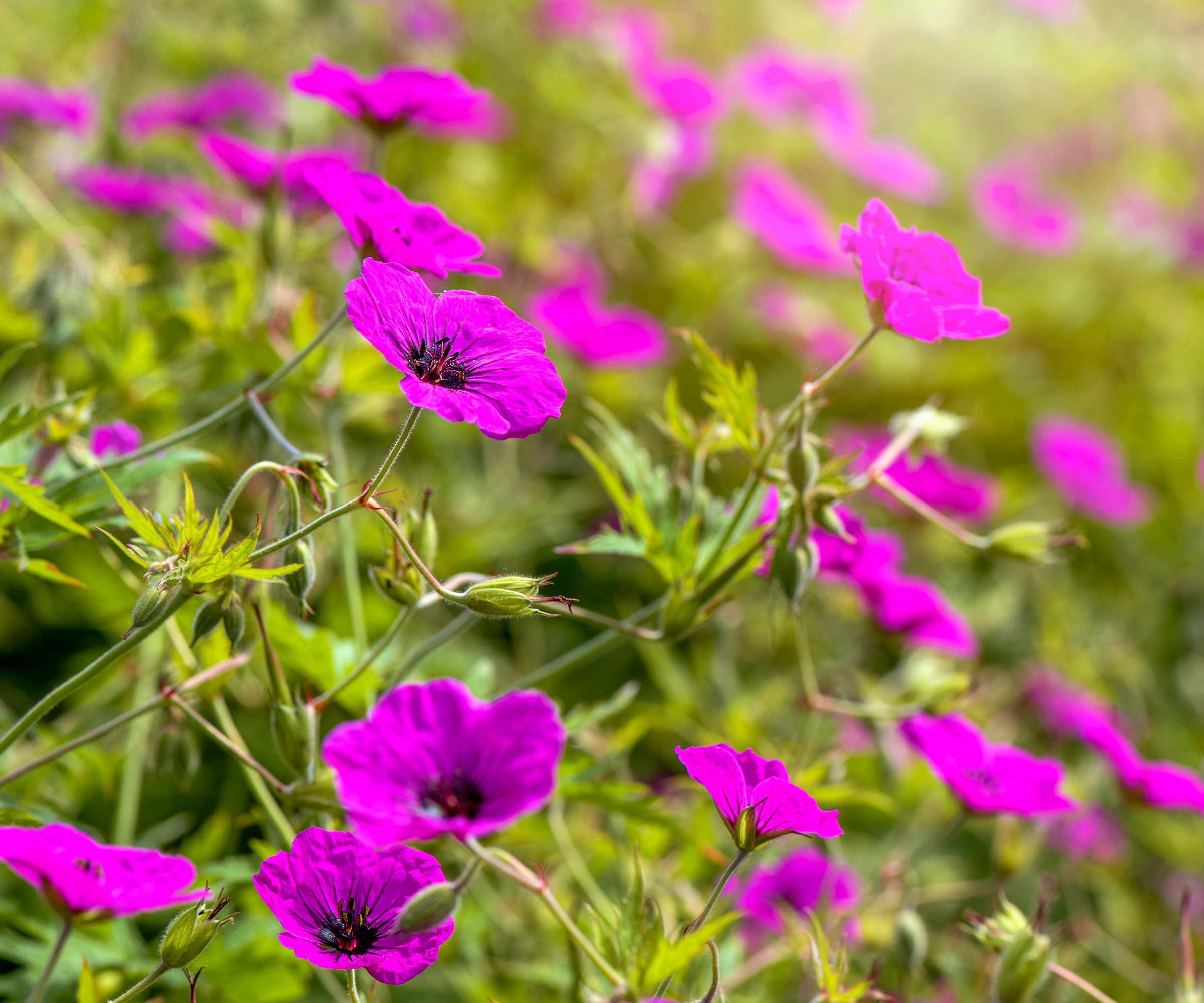
Hardy geraniums are foundational perennials known for their prolific, multi-month flowering cycles and reliable annual return. However, over a span of three to five years, these plants form dense, overcrowded clumps that can suffer from diminished flowering and center dieback.
- The Technique: September is the premier time to revitalize these plants through division. Carefully dig up the entire clump using a garden spade or a specialized perennial tool. Gently tease or slice the root ball into smaller sections, ensuring that every division retains a healthy portion of live roots and at least one robust growth bud.
- Establishment: Replant the new divisions immediately into prepared garden beds or container pots, watering them consistently until they display clear signs of active establishment.
2. Sweet Peas (Lathyrus odoratus)
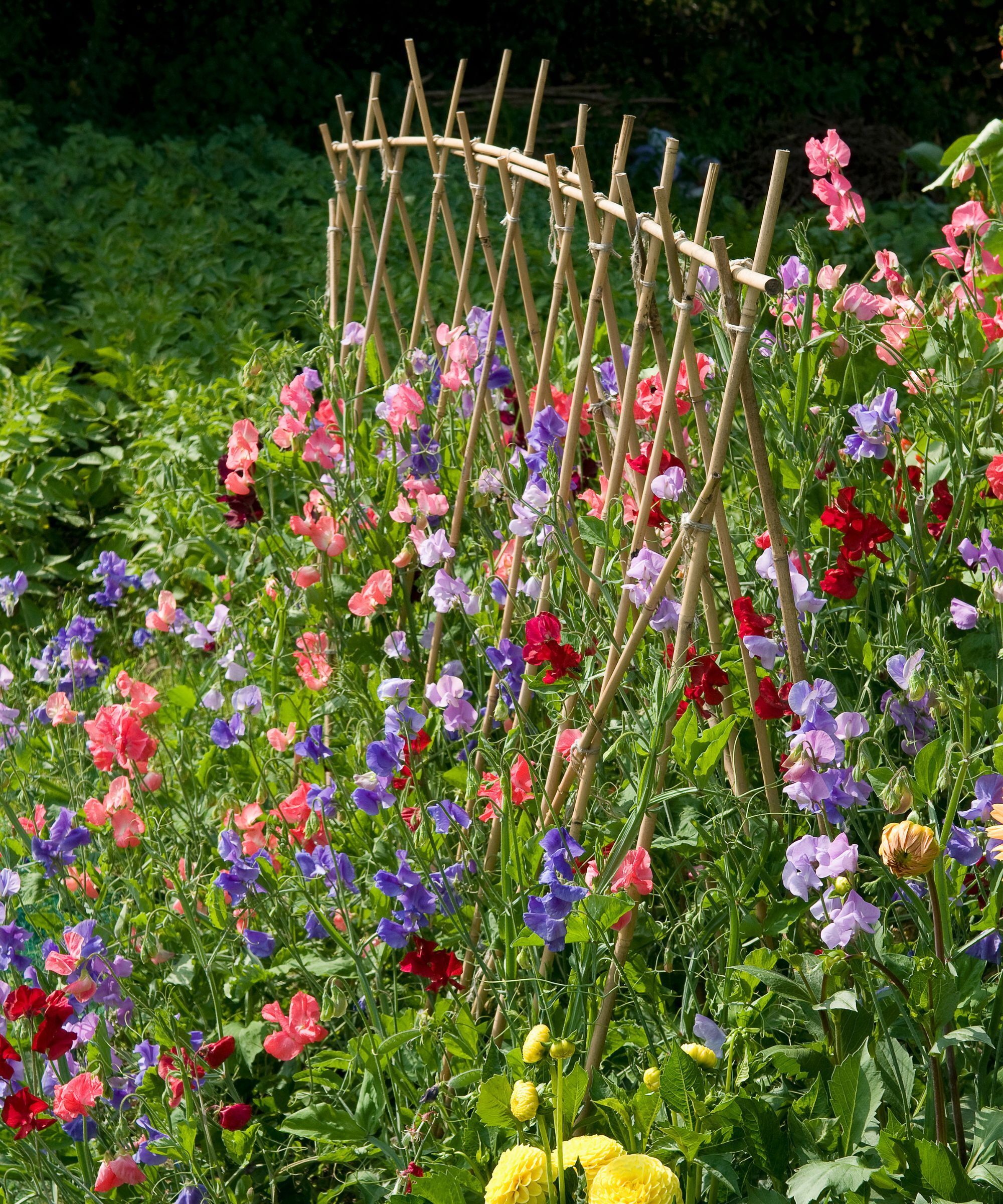
A quintessential favorite of cottage gardens, sweet peas deliver breathtaking fragrance and vibrant color, whether scrambling up a rustic garden wigwam or cut fresh for an indoor vase.
- The Technique: Sweet peas are wonderfully unfussy when it comes to seed collection. Simply allow spent summer flowers to mature into dry, papery pods on the vine, then harvest and store the seeds.
- Seasonal Sowing: As hardy annuals, sweet peas can be sown directly into the soil from late September onward in USDA Zone 8 and warmer. This autumn sowing encourages a robust, deep root system that withstands winter and explodes into early blooms next year. For cooler climates (Zone 7 and below), utilize root-training propagation containers under cover to prevent root disturbance.
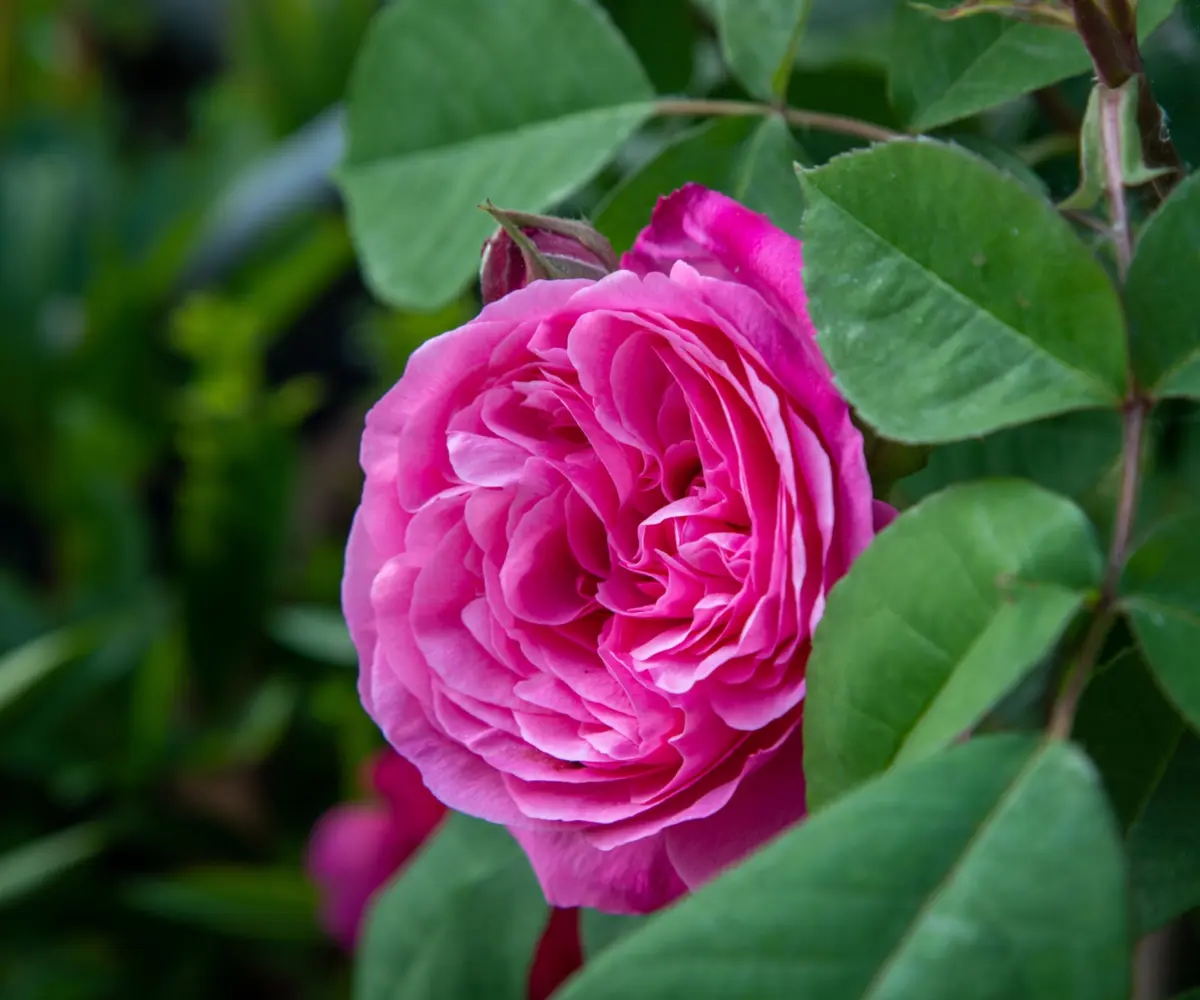
3. Roses
While softwood cuttings are typically taken in spring, missing that window is no reason to abandon your propagation ambitions. September offers ideal conditions for taking semi-hardwood rose cuttings.
- The Technique: Early in the morning—when plant tissues are fully turgid with moisture—use clean, sharp bypass hand pruners to snip a 6-to-8-inch section of a healthy, disease-free stem. The ideal cutting features a firm, woody base and a flexible, green tip. Make a straight cut just below a lower leaf node, strip away all foliage except for the topmost set of leaves, and dip the base in a quality plant-rooting hormone.
- Media and Housing: Insert the prepared stem into a container filled with a 50/50 mix of potting compost and sharp sand. Place the pot inside a greenhouse or cold frame beneath a propagator dome to maintain high humidity and indirect light.
4. Lamb’s Ear (Stachys byzantina)
Valued for its tactile, silver-green velvet foliage and tall purple-pink flower spikes, Lamb’s Ear is a champion of dry, sun-baked borders and low-maintenance landscapes.
- The Technique: While it can be grown from seed, lifting and dividing established clumps in the autumn is exponentially faster and more reliable. Dig up a mature, healthy specimen and use a sharp knife or spade to divide it into rooted segments. The soil’s lingering summer warmth guarantees rapid root regeneration before winter dormancy.
5. Lemon Verbena (Aloysia citrodora)
This aromatic herb produces narrow, citrus-scented leaves prized for herbal teas and culinary desserts. Growing up to six feet tall, it thrives as a perennial in USDA Zones 8 through 11, but is frequently treated as an annual or tender container plant in cooler regions.
- The Technique: Gardeners in Zone 7 and colder should take semi-ripe stem cuttings in September. Overwinter these young starts indoors under protective cover, hardening them off gradually in late spring before reintroducing them to the outdoor patio or herb garden.
6. Pelargoniums (Bedding Geraniums)
Celebrated for their heavily scented leaves, vibrant color palette (ranging from stark whites and pinks to fiery oranges and reds), and resilience, pelargoniums are tender tropicals that cannot survive harsh winter frosts outdoors in Zone 8 and below.
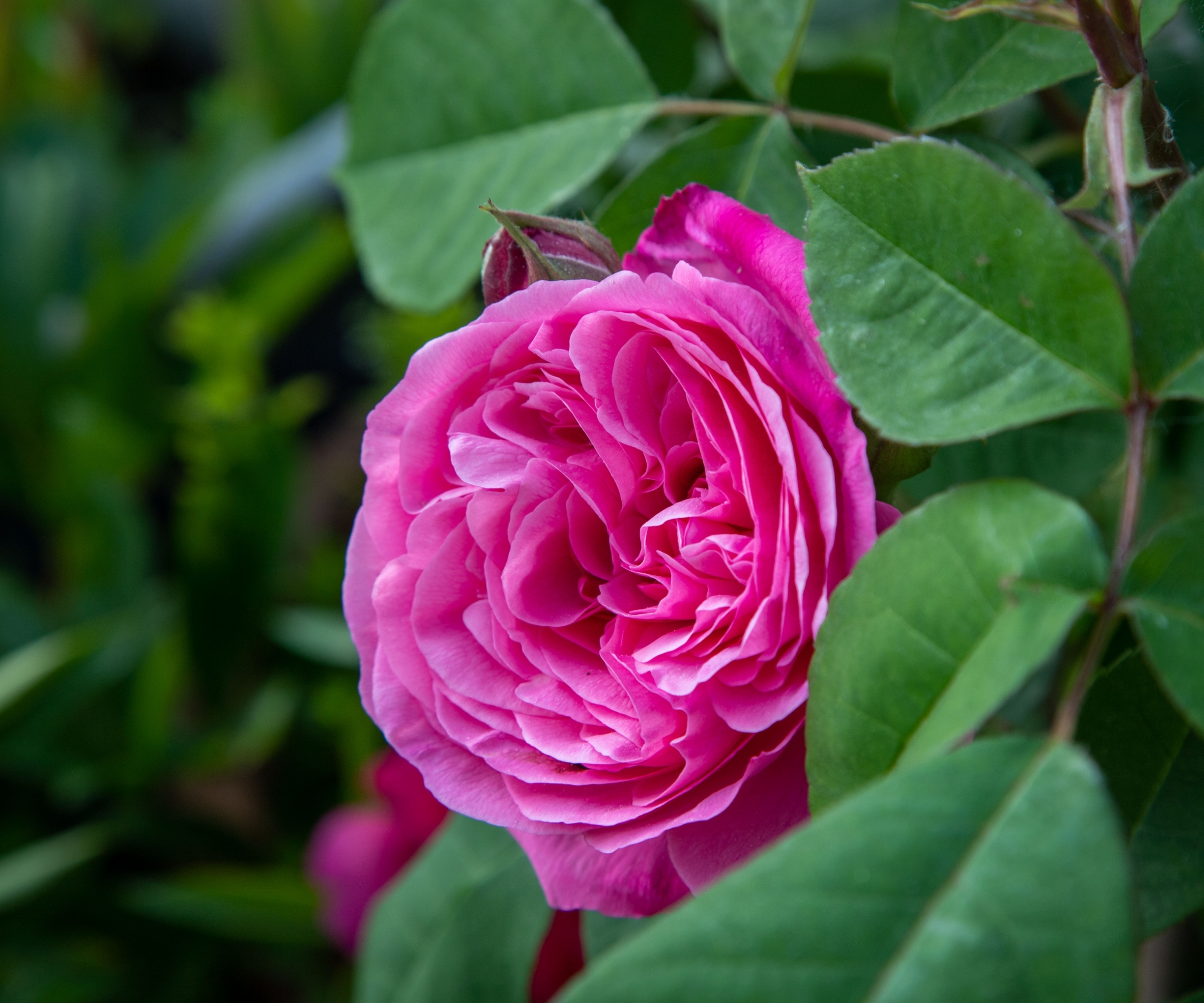
- The Technique: To preserve your favorite varieties without purchasing new stock next spring, take 3-to-4-inch stem cuttings in September. Using a sanitized pruning knife, trim the stems just below a leaf node, remove lower foliage to minimize moisture loss, and plant them in a free-draining propagation mix under a humidity dome.
Supporting Data & Practical Equipment Guidelines
Successful propagation is heavily influenced by the quality of the tools and materials employed. Horticultural data indicates that using specialized equipment dramatically increases strike rates and root health:
- Cutting Implements: Clean, razor-sharp bypass pruners or specialized pruning snips prevent crushing delicate vascular plant tissue, minimizing the risk of fungal infections.
- Digging and Weeding: In late summer and early autumn, garden soil can compact severely. Tools featuring a narrow profile and serrated edges—such as a Japanese hori-hori knife—allow gardeners to slice cleanly through tough roots and compacted earth with minimal physical strain.
- Root Training: Utilizing specialized deep-root containers (such as root-training propagation trays) discourages circling roots and encourages downward, robust root development in annuals and perennials.
- Organization: When managing dozens of individual cuttings across multiple species, accurate tracking is essential. Eco-friendly wooden plant labels provide a sustainable alternative to plastic markers, ensuring proper identification throughout the overwintering process.
Implications for the Modern Gardener
Mastering September propagation shifts the financial and ecological paradigm of home gardening. By harnessing natural seasonal rhythms, gardeners can significantly reduce commercial plant purchases, fostering a sustainable, closed-loop ecosystem within their own backyards.
Furthermore, engaging in autumn propagation builds horticultural resilience. Climate unpredictability has made winter survival a gamble for tender specimens; creating clones in September acts as a living insurance policy. Whether you are expanding a cottage garden border with divisions of hardy geraniums, securing next year’s sweet pea display, or safeguarding beloved pelargoniums from the first frost, the efforts invested in September lay the literal and figurative groundwork for a flourishing, vibrant landscape in the year to come.
