

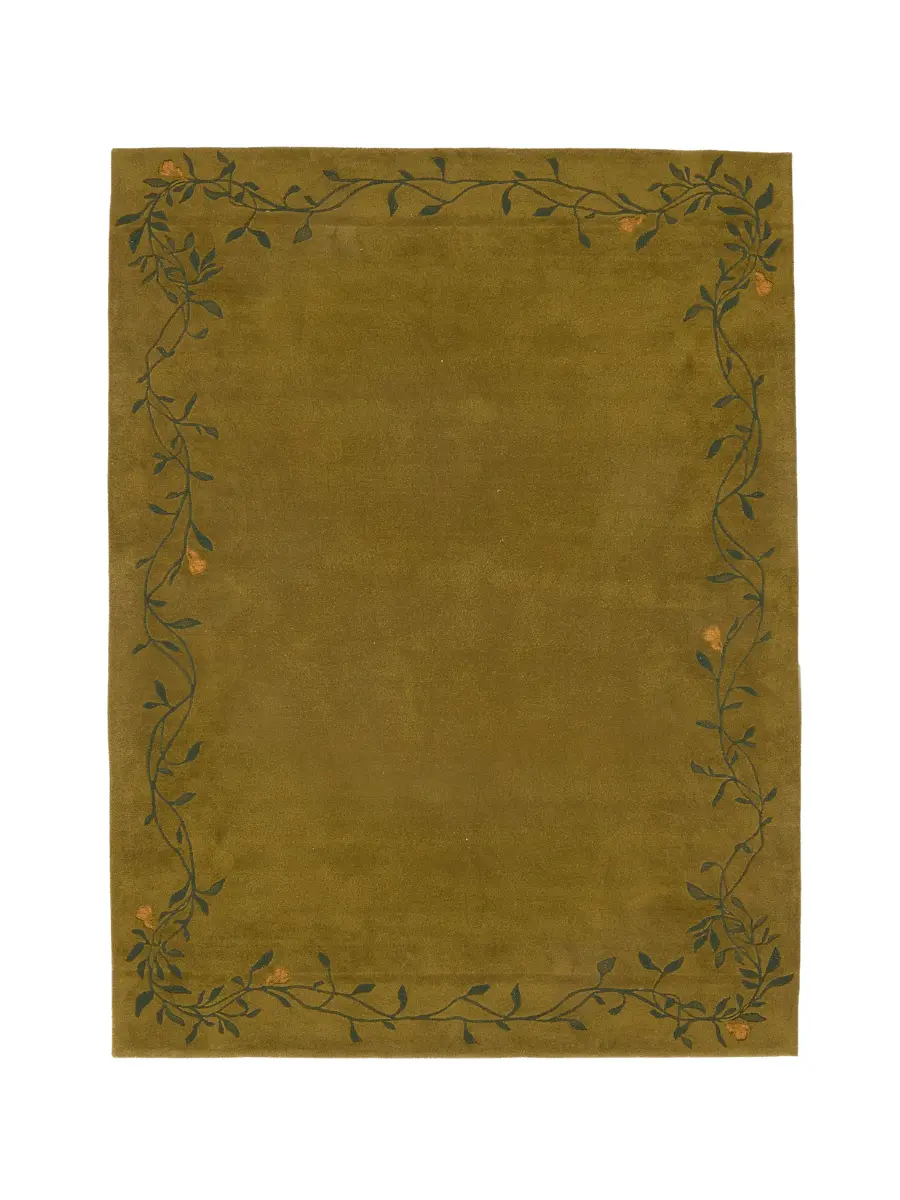
Whether you subscribe to the Danish philosophy of hygge, lean into the seasonal urge for a restorative hibernation, or simply view the colder months as an excuse to spend more time horizontal, one interior truth remains constant: as the days shorten, our homes must evolve. The shift from vibrant summer living to the cocooning months of autumn demands a deliberate interior pivot. It is officially time to retire the breezy, lightweight linens of July and August in favor of rich, tactile, and enveloping layers.
As a style editor, transforming the primary bedroom into a sophisticated, high-end sanctuary is not merely about swapping out a duvet; it is an exercise in sensory design. This season, the focus shifts toward moody palettes, dual-source lighting, and artisanal details that make leaving the bed the hardest part of the morning.
Here is an in-depth look at how to craft a chic, high-end fall hideaway, drawing on the must-have pieces shaping current interior design trends.
Main Facts: The Anatomy of an Autumn Bedroom Reset
The transition from summer to autumn in interior design is governed by three primary pillars: texture, illumination, and psychological comfort. As outdoor temperatures drop, human biology naturally seeks warmth and security indoors. Design trends for the upcoming season reflect this primal nesting instinct, moving away from minimalism toward maximalist coziness.
- The Seasonal Transition: Lightweight, breathable fabrics (such as percale and loose linen) are packed away to make room for heavier, light-absorbing textiles like velvet, heavyweight wool, brushed cotton, and boucle.
- The Lighting Shift: Overhead lighting is entirely abandoned in favor of layered, low-level ambient sources. The nightstand becomes a curated vignette combining tactile analog elements (luxury candles) with modern, portable illumination.
- The Sensory Palette: Fragrance plays an equal role to visual aesthetics. Scents transition from citrus-heavy summer profiles to complex, grounding notes reminiscent of incense, cedarwood, and cathedral resins.
Chronology: The Evolution of the Seasonal Bedroom Transition
Understanding how to properly style a room for autumn requires a chronological approach to interior curation—moving from the foundational purge to the final decorative flourish.
Phase 1: The Great De-Clutter and Summer Storage (Late August)
The process begins with subtraction. Before any autumn items can be introduced, the bedroom must be cleared of summer detritus. Lightweight cotton throws, bright floral patterns, and cooling gel pillows are laundered and stored away. This clearing of the canvas allows the eye to appreciate the heavier textures that will follow.
Phase 2: Upgrading the Foundation (Early September)
Next comes the bed itself—the focal point of any bedroom. Mattresses are flipped, and heavy-duty mattress pads are added for thermal insulation. This is the time to lay down high-thread-count flannel sheets or washed, heavy linen in muted autumn tones like olive, terracotta, and deep charcoal.
Phase 3: Curating the Nightstand Vignette (Mid-September)
With the bed dressed, attention turns to the bedside tables. The modern bedroom hideaway relies heavily on intimate lighting rather than blinding overhead fixtures. As the sun sets earlier, the nightstand becomes an altar of relaxation.
According to leading decor trends, the modern nightstand requires a dual approach to ambient lighting:
- The Analog Glow: A heavy, artisanal perfumed candle serves as a ritualistic element. Brands like Soho Home have popularized scents inspired by cathedral altars—blending heady, holy notes of frankincense, myrrh, and warm wax. Housed in gold-stamped vessels, these candles are designed with longevity in mind, destined to be repurposed as trinket holders long after the wax has burned down.
- The Modern Glow: Paired alongside the candle is a contemporary portable lamp. Moving away from corded bedside lamps, modern interior trends favor cordless, rechargeable designs—such as Soho Home’s Oxford portable lamp—which cast a soft, diffused light through tassel-trimmed linen shades. This combination of flickering flame and muted electric glow creates an immediate sense of sanctuary.
Phase 4: Final Layering and Accessorizing (Late September)
The final step involves draping heavy wool or cashmere throws across the foot of the bed, positioning heavy-weight drapes to block out the chill of drafty window panes, and placing plush rugs beneath bare feet to ensure that every touchpoint in the room communicates warmth.
Supporting Data: The Psychology and Economics of Seasonal Nesting
The surge in autumn home-decor spending is well-documented by retail analysts and interior psychologists alike. According to home-goods market research, consumer spending on bedroom textiles and ambient lighting increases by approximately 34% between August and October each year.
The Role of Lighting in Seasonal Affective Regulation
Environmental psychologists note that lighting is the single most critical factor in regulating mood during the transition to shorter daylight hours. High-intensity blue light or harsh overhead fixtures trigger alertness and can exacerbate autumn fatigue or seasonal affective symptoms. Conversely, warm-toned, low-lumen lighting (ranging from 2,200K to 2,700K)—such as that emitted by a tassel-trimmed portable lamp or a burning wick—signals the pineal gland to produce melatonin, preparing the body for deep rest.
The Rise of Multi-Sensory Decor
Modern interior design has moved beyond visual aesthetics into "multi-sensory branding" for the home. A 2023 interior trends survey revealed that 68% of homeowners consider home fragrance to be just as important as furniture placement when creating a relaxing environment. The pairing of architectural lighting with complex, sacred-geometry-inspired scent profiles (such as altar candles) points to a broader cultural desire for grounding rituals in an increasingly digital world.
Official Responses and Industry Insights
Design leaders and curators from premier lifestyle publications have weighed in on why this specific brand of "chic hibernation" is resonating so strongly with modern consumers.
Jane Thornton, Senior Trend Forecaster for interior design publications, notes a distinct cultural shift away from stark minimalism:
"For years, the design world was obsessed with clean lines, white walls, and clinical perfection. But as global uncertainties have risen, our homes have had to work much harder to provide emotional security. The bedroom is no longer just a place to sleep; it is a psychological bunker. People are craving weight, texture, and history in their spaces. Heavy fabrics, glowing lamps, and candles that smell like old churches aren’t just trendy—they are comforting armor against the outside world."
Furthermore, product developers at luxury home brands emphasize the importance of dual-purpose items in contemporary design. Speaking on the popularity of reusable candle vessels and cordless lighting, product designer Marcus Vance explains:
"Consumers today are smarter and more sustainable. They don’t want disposable luxury. When someone buys a high-end candle, they expect the vessel to have a second life on their vanity holding rings or cufflinks. Similarly, portable lamps offer freedom—they aren’t chained to a wall outlet, allowing the user to redesign their bedside vignette on a whim."
Implications: What the Autumn Sanctuary Trend Means for the Future of Home Design
The widespread adoption of the "chic hideaway" aesthetic carries profound implications for both the consumer market and the future of residential architecture.
1. The Death of the Fixed Interior Layout
The popularity of portable lighting and modular layering indicates that consumers are moving away from permanent interior arrangements. The bedroom is becoming a fluid, adaptable ecosystem where furniture and lighting can be easily shifted to suit changing moods and seasons. Cordless technology will likely continue to dominate lighting design, liberating interior decorators from the tyranny of wall sockets.
2. The Wellness-Driven Home
The boundary between interior design and holistic wellness is officially dissolving. As bedrooms are increasingly optimized for sleep hygiene and mental decompression, interior designers are consulting with sleep scientists and wellness experts. Elements once confined to spas—such as circadian lighting, aromatherapy, and acoustic dampening through heavy textiles—are now standard requirements in primary bedroom design briefs.
3. Sustainability Through Luxury
The trend toward reusable decor objects (such as gold-stamped candle vessels and heirloom-quality portable lamps) underscores a broader movement within luxury retail: "durable indulgence." Consumers are willing to invest higher amounts upfront, provided the items offer multi-generational longevity or functional versatility.
Conclusion
As the autumn chill sets in and the nights stretch out, our living spaces must adapt to protect and nurture us. Transforming your bedroom into an enveloping fall retreat requires a careful curation of touch, light, and scent. By retiring the lightweight aesthetics of summer and embracing the moody, tactile warmth of portable lamps, artisanal altar candles, and heavy layered textiles, you create more than just a stylish room—you forge a personal sanctuary designed to carry you safely through the darker months.
