

Main Facts
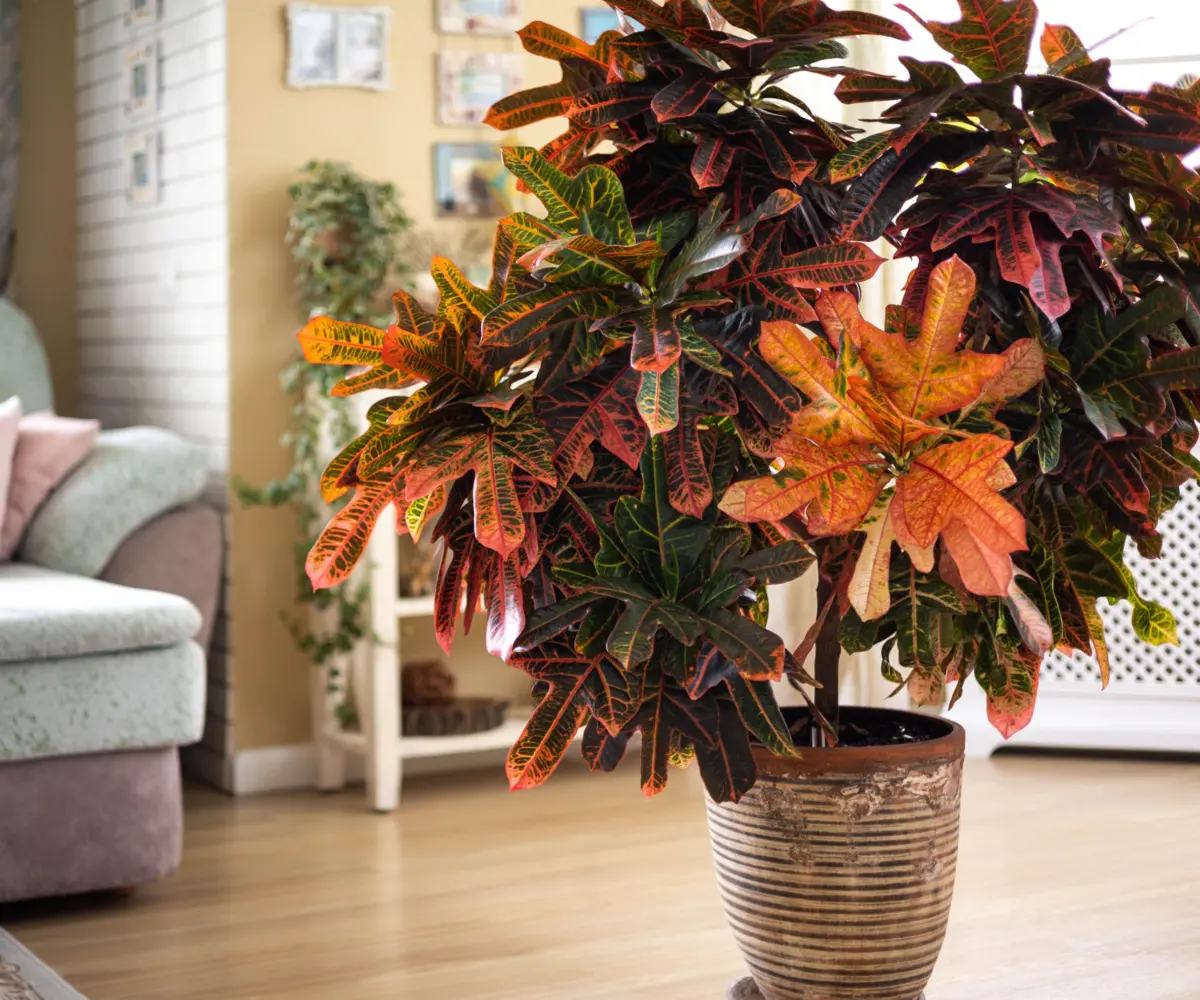
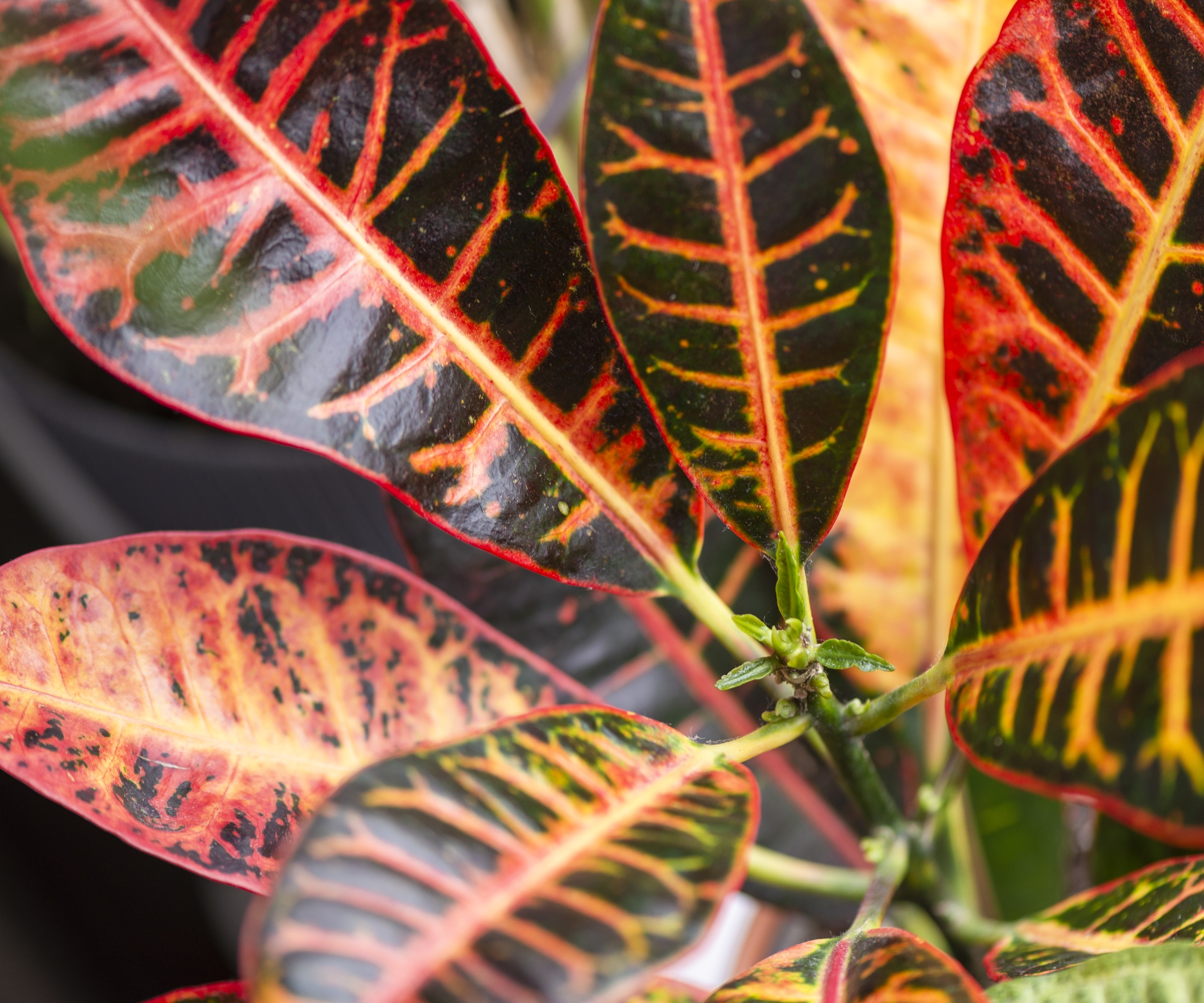
Botanically classified as Codiaeum variegatum, crotons are native to the dense, tropical rainforests of Southeast Asia and have steadily emerged as crown jewels in the global houseplant market. Celebrated for their breathtaking, paddle-shaped foliage that blazes in saturated tones of crimson, burgundy, ochre, rich green, and electric pink, these dynamic plants act as living bursts of color within sunlit interior spaces.
Requiring warm, stable, and humid environments, crotons typically mature to heights between three and six feet indoors, though their ultimate vertical trajectory is naturally regulated by the dimensions of their container. Beyond their distinct aesthetic appeal, these tropical powerhouses function as exceptional air purifiers. According to horticultural data, they actively filter common indoor air toxins—such as formaldehyde, benzene, and xylene—while simultaneously regulating room humidity through natural transpiration.
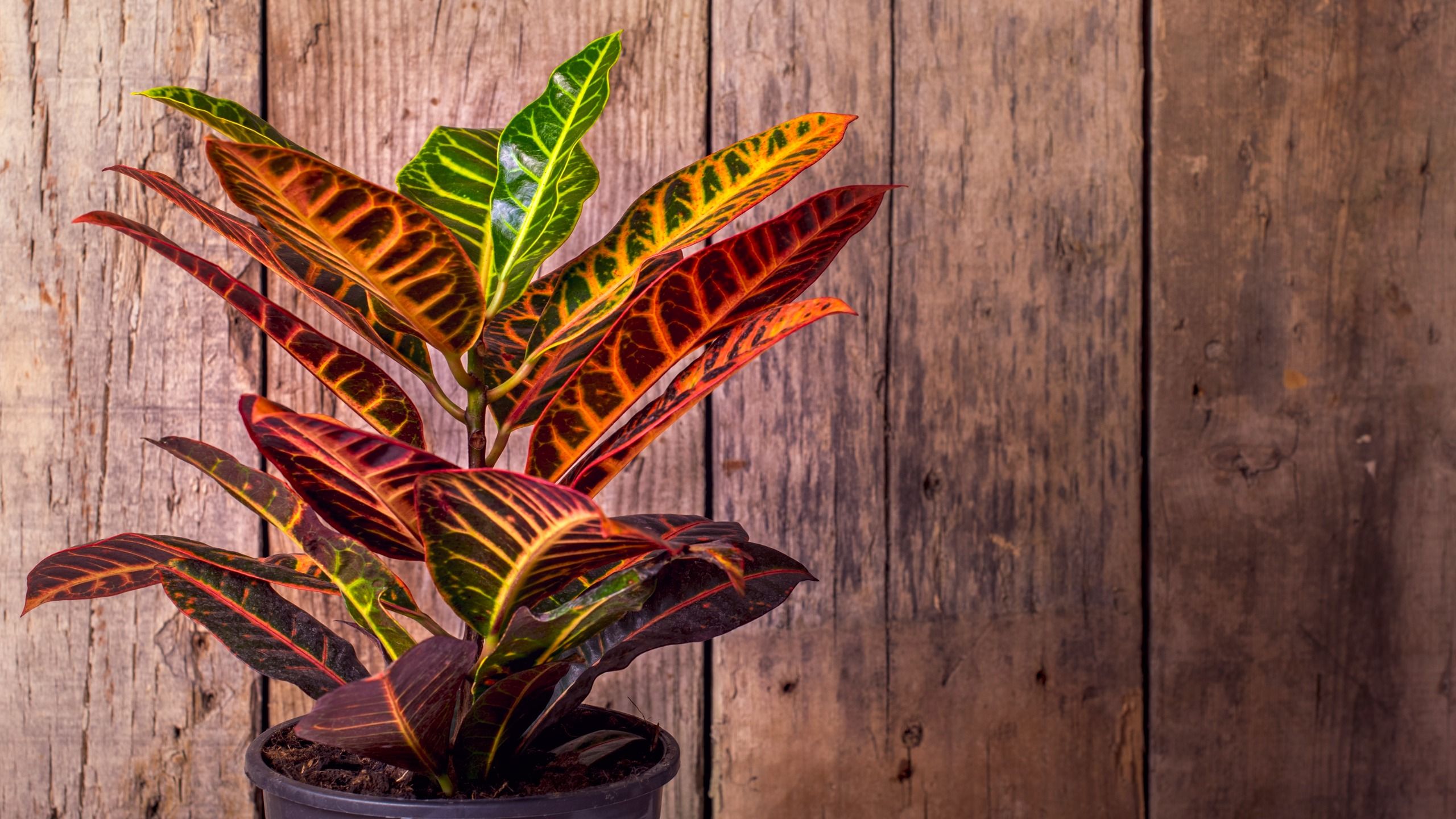
Horticultural experts, including Costa Farms horticulturist Justin Hancock, champion the plants for their dual ability to serve as statement decor pieces and functional health boosters. With a wide variety of cultivars boasting narrow, broad, oak-shaped, or quirky corkscrew leaves—such as the popular ‘Mammy’ and ‘Petra’ varieties—crotons offer limitless versatility for interior stylists and plant enthusiasts alike.
Chronology of the Croton’s Rise in Modern Interior Design
- Pre-19th Century (Indigenous Origins): Originating in the tropical understories of Southeast Asia, Malaysia, and the Western Pacific islands, wild variations of Codiaeum variegatum thrive under the filtered, high-canopy sunlight of the rainforest, developing their signature kaleidoscopic pigmentation as a survival and light-capture mechanism.
- 19th Century (Botanical Exploration): European explorers and botanists discover the species during colonial expeditions into Southeast Asia. The plant is introduced to Western botanical gardens and Victorian-era orangeries, where its striking foliage immediately captivates elite horticulturists.
- Late 20th Century (Commercial Greenhouse Production): As the indoor houseplant industry expands, commercial growers begin cross-breeding and propagating stable cultivars like the ‘Petra’ and ‘Mammy’. Crotons transition from specialty greenhouse novelties into widely accessible retail houseplants.
- Early 21st Century (The Urban Jungle Movement): Fueled by social media platforms and a cultural shift toward biophilic interior design, houseplants surge in popularity. Crotons find a renewed audience among modern maximalists seeking bold, graphic patterns and vibrant autumn-toned palettes for urban apartments and suburban homes.
- Present Day (Design Mainstay): Bolstered by expert endorsements from horticultural organizations and lifestyle publications, crotons are celebrated not just as decorative filler, but as architectural centerpieces, air-filtering agents, and statement decor items across global markets.
Supporting Data and Horticultural Insights
To understand why crotons command such loyalty among plant collectors, it helps to examine the scientific and environmental data underpinning their care and performance:
- Air Purification Efficacy: NASA Clean Air Study metrics and subsequent indoor air quality research confirm that broad-leafed tropical foliage plants effectively absorb volatile organic compounds (VOCs). Crotons contribute significantly to indoor air remediation by breaking down chemicals off-gassed by synthetic carpets, paints, and household cleaning agents.
- Humidity and Transpiration: Through the process of transpiration, a mature indoor croton releases moisture vapor back into dry indoor air, aiding respiratory health and offsetting the drying effects of central heating systems during autumn and winter months.
- Growth and Sizing Metrics:
- Indoor Height Range: 3 to 6 feet (dependent on container volume and pruning).
- Light Requirements: Bright, indirect-to-direct light (minimum 4–6 hours daily to maintain vivid leaf coloration).
- Temperature Tolerance: Thrives in consistent indoor temperatures ranging between 60°F and 80°F (15°C to 27°C); highly sensitive to sudden cold drafts or drastic temperature fluctuations.
Official Responses and Expert Perspectives
Horticultural professionals emphasize that while crotons possess a reputation for being sensitive to environmental changes, understanding their evolutionary background makes them entirely manageable for attentive plant parents.
"I’m a big fan of backlighting crotons—placing the plant where it’s in between me and the light source," explains Justin Hancock, a Costa Farms horticulturist with over 25 years of industry experience. "The way the light can come through the leaves is almost like a stained-glass window. So crotons are perfect for large windowsills or plant stands in front of a window. Plus, they love the light."
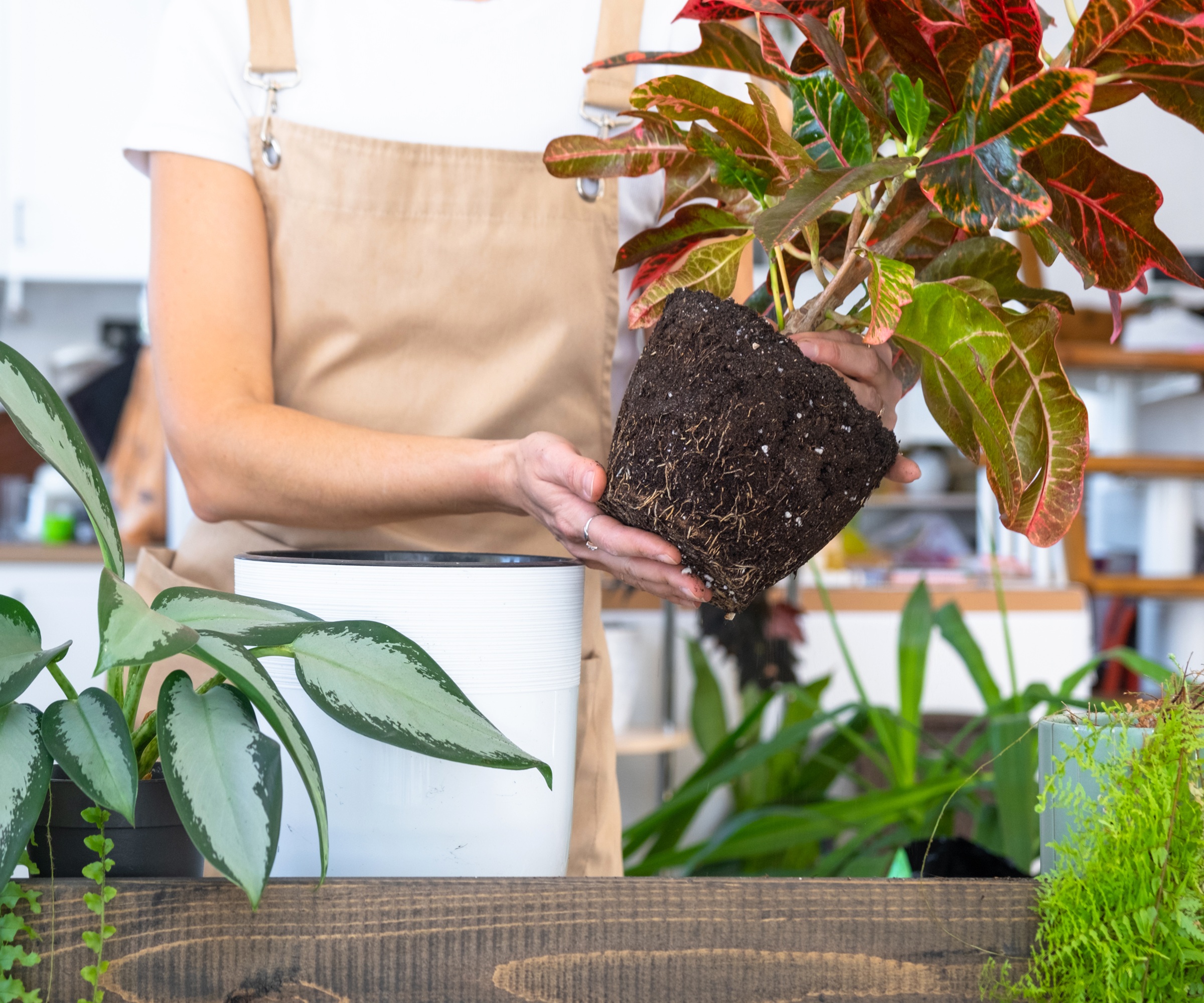
Hancock also stresses the importance of routine maintenance to preserve both the health and aesthetic impact of the plant. "Any dust that accumulates on the leaf both decreases the plant’s appearance and decreases the amount of light it’s getting—acting like a filter—as well as providing a habitat for pests. So it’s a good idea to regularly clean your croton’s leaves with a soft cloth. Cotton or microfiber should be just fine."
When it comes to interior styling, Hancock offers targeted design advice for maximizing the plant’s chromatic potential:
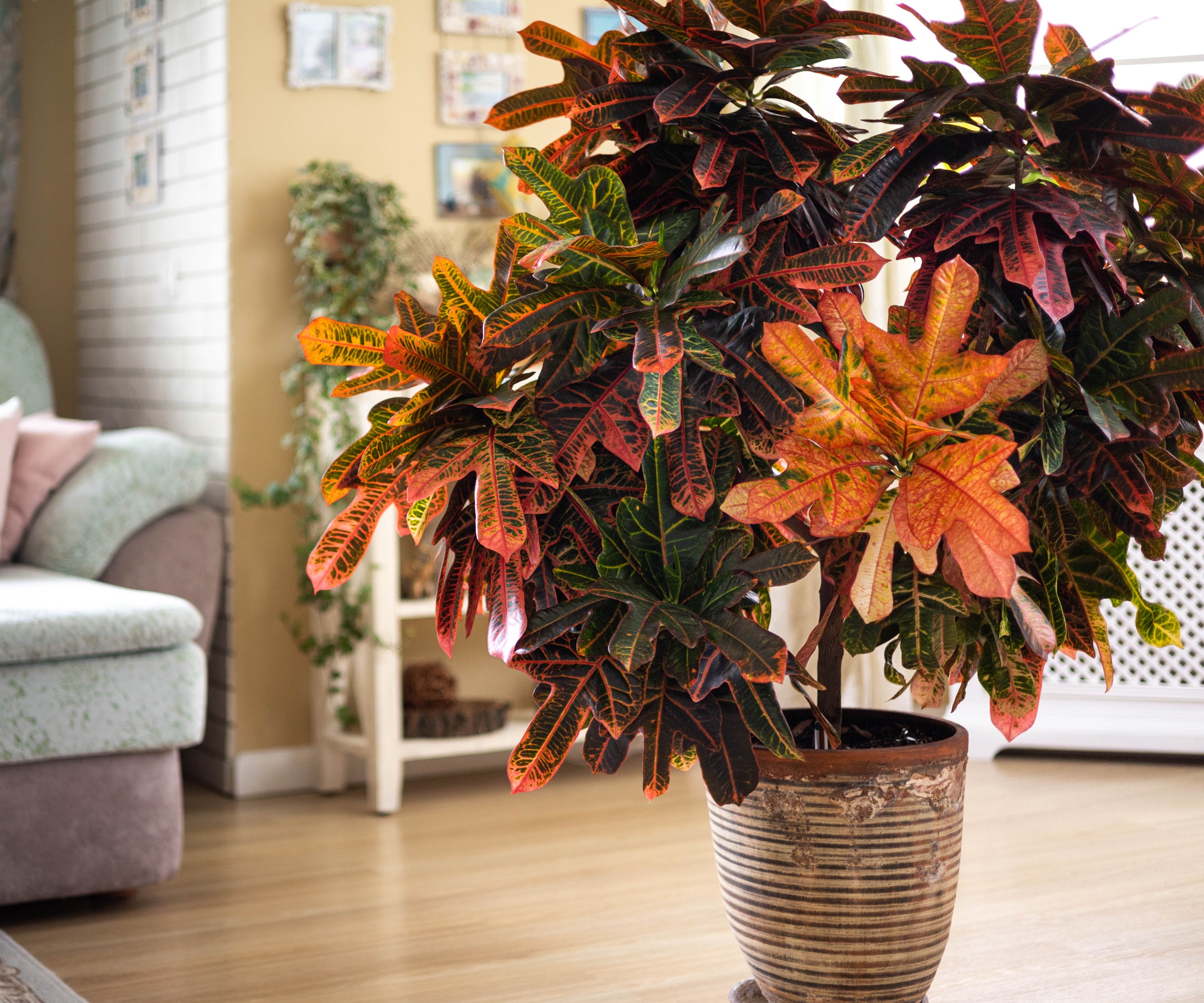
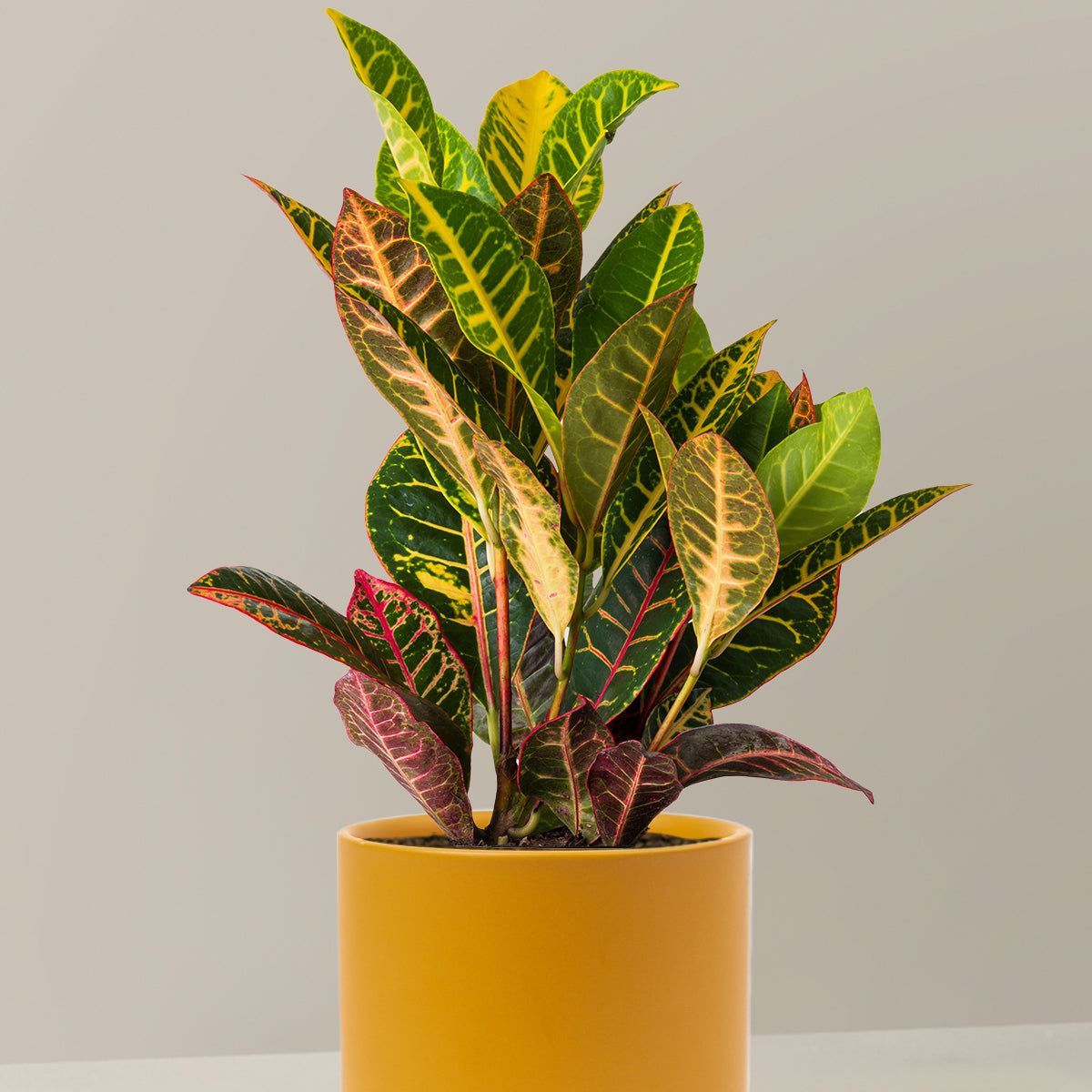
"I’m a big fan of blue pots because blue creates a stunning contrast to the red, orange, and yellow variegation in the foliage. But if a more coordinated, harmonious look suits you, you might go for a bright yellow or orange pot, for example, to echo and hype up the color the plant already has. The same goes for the backdrop; you’ll find your croton may have a totally different, but equally beautiful, look up against a soft blue wall as an orange one."
Implications for Interior Design and Wellness
The resurgence of crotons in contemporary home styling carries notable implications for both interior architecture and personal well-being. As urban living spaces shrink and individuals spend more time indoors, the psychological need to connect with nature—known as biophilia—has never been more pronounced.

Maximalist Styling and Architectural Integration
With their fiery autumn color palettes, crotons provide an immediate seasonal anchor for interior spaces, transitioning seamlessly from vibrant summer decor to cozy, warm autumn atmospheres. Interior designers are increasingly pairing maximalist houseplants like crotons with contrasting, dark-green architectural foliage plants—such as Monstera deliciosa, peace lilies, Birds of Paradise, and Pothos. Arranged on tiered plant stands or displayed along expansive mantelpieces, these multi-textured groupings create rich, layered visual focal points.
The Maintenance Mindset: Cultivating Mindfulness
Although crotons can experience mild leaf drop when subjected to sudden environmental stress, this perceived "pickiness" serves a dual purpose: it trains the plant owner to be observant. Caring for a living organism that communicates its environmental needs so clearly fosters a mindful daily routine. Regular leaf-dusting sessions, monitoring soil moisture levels, and adjusting placement relative to seasonal sunlight shifts encourage a deeper engagement with the living environment of the home.
Sustainable Living and Clean Air
As awareness around indoor air pollution grows, consumers are increasingly turning to botanical solutions over mechanical air purifiers. Integrating crotons into residential and office spaces offers a sustainable, aesthetically pleasing method for mitigating indoor toxins. By combining natural air purification, humidity regulation, and unmatched visual drama, crotons secure their place not merely as fleeting design trends, but as permanent staples of modern, health-conscious interior living.
