

LAKE COMO, ITALY — Nestled along the shimmering, dramatic shores of Lake Como, Villa Oleandra stands as an enduring monument to classic European romance and architectural heritage. Owned by global icon George Clooney and international human rights lawyer Amal Clooney, the historic property effortlessly marries old-world grandeur with modern sophistication. Inside its storied walls, antiques do not merely occupy space—they feel inevitable.
From rich damask wall coverings and deep, dark-wood accents to heavy gilded frames and ornate period fixtures, the interiors of Villa Oleandra reflect centuries of Southern European history. Yet, despite their opulent pedigree, these spaces avoid feeling like a sterile museum. Instead, they exude a rare warmth and a deeply lived-in comfort that interior designers and homeowners worldwide are racing to replicate.
As the design world looks ahead, the Clooney residence is serving as the ultimate blueprint for a burgeoning global trend: the mainstream renaissance of antique and vintage interior decoration. Far from being confined to grand Italian estates, this appreciation for historic craftsmanship is taking root in modern apartments, suburban homes, and sleek urban lofts alike.

Main Facts: The Revival of Old-World Charm in Modern Spaces
The modern obsession with antiquity is not just an aesthetic whim; it is a measurable shift in consumer behavior and interior design philosophy. According to recent industry metrics, vintage and antique furnishings are capturing a larger share of the design market than they have in years.
At the heart of this movement is a desire to move away from mass-produced, cookie-cutter furniture and toward pieces that carry genuine history and character. Villa Oleandra exemplifies this balance. The estate’s interior features a masterclass in contrasting elements: rich blues, opulent golds, textured fabrics, and centuries-old wooden elements that tell a visual story.
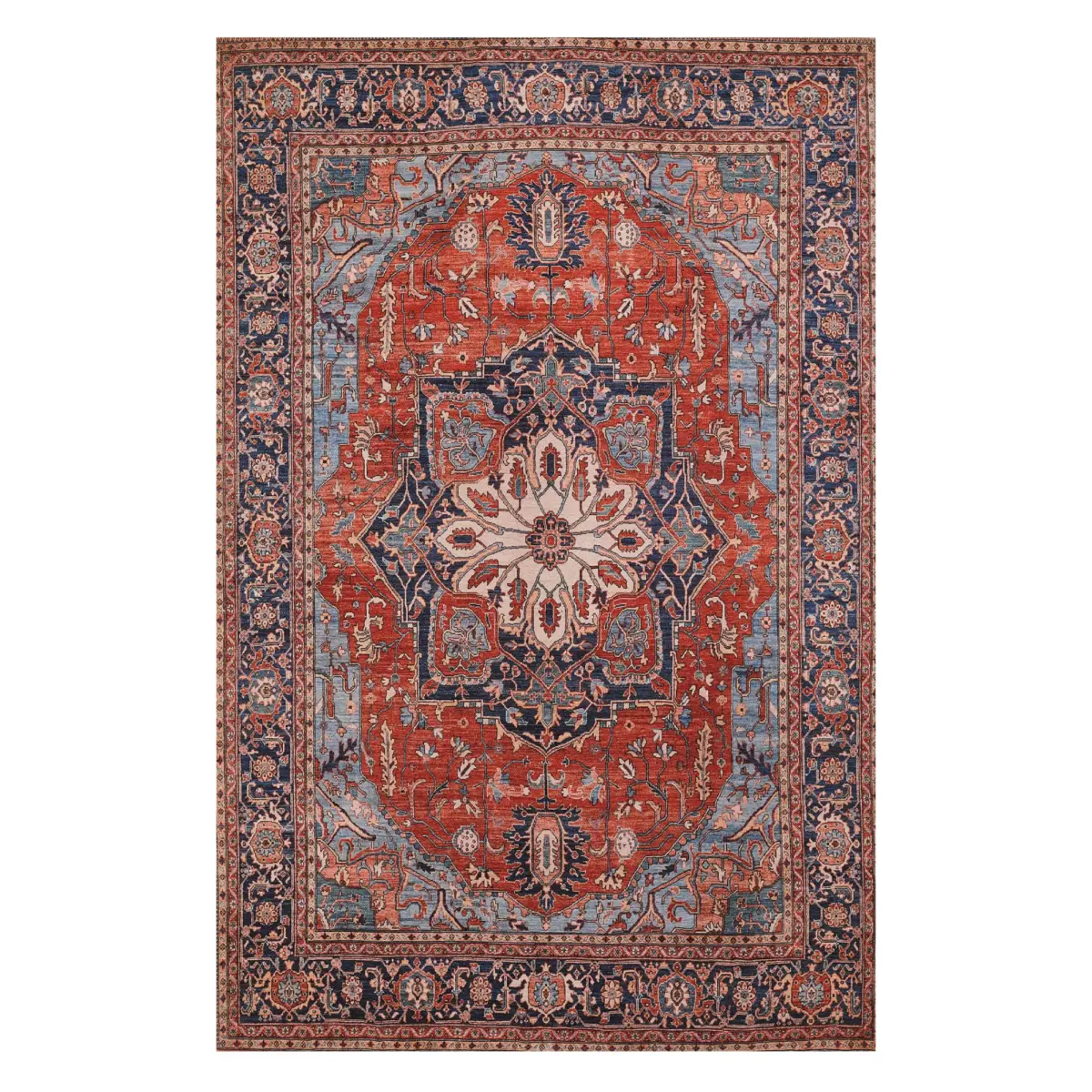
Designers note that incorporating items crafted before the 20th century introduces an immediate sense of layering, unpredictability, and depth. Whether it is an artfully distressed mahogany table, a faded Persian rug, or a gilt-framed mirror, these items provide a deliberate disruption to the hyper-polished, digital-first aesthetic that has dominated home decor over the last decade.
Chronology: How Antiques Reclaimed the Interior Design Spotlight
To understand how antiques returned to the forefront of modern interior design, one must look at the evolution of consumer tastes over the past five years.
- 2021 (The Pandemic-Era Nesting Boom): Following global lockdowns, homeowners turned inward, focusing heavily on comfort, functionality, and rapid home upgrades. At the time, streamlined, ready-to-ship modern furniture dominated the market due to supply chain constraints.
- 2023–2024 (The Craving for Authenticity): As mass-produced minimalism reached a saturation point—often leaving homes looking identical and devoid of personality—designers began searching for antidotes. Thrifted, vintage, and antique pieces slowly re-entered mainstream conversations, driven by sustainability concerns and a desire for unique homes.
- 2025 (The Turning Point): Industry surveys revealed a dramatic spike in the use of vintage items, with older furnishings accounting for an average of 36% of total items specified by top interior designers—the highest percentage recorded since 2021.
- 2026 and Beyond (The Antiques Surge): Projections indicate that the inclusion of true antiques (pieces created prior to 1920) will continue to surge, cementing a permanent shift toward eclectic, layered, and historically rich interiors.
Supporting Data: What the Industry Metrics Reveal
The cultural pivot toward historic decor is backed by hard numbers from real estate and interior design analysts. Crystal Olenbush, a leading real estate expert at Austin Real Estate, highlights the striking data captured in recent industry surveys.
"A designer survey done this year shows that 36% of items used in interior projects, on average, were vintage, marking the highest percentage we have seen since 2021," Olenbush explains.
Even more telling is the accelerated adoption of true historical pieces. "The use of antiques that were created prior to 1920 increased from 56% in 2024 to 63%," Olenbush notes. "This demonstrates that designers are not just dabbling in vintage trends; they are intentionally adding older, curated items to their work to increase the sense of layering, complexity, and unpredictability."
These statistics underscore a broader cultural fatigue with fast-furniture culture. Consumers are increasingly viewing home decor as an investment in longevity, sustainability, and personal storytelling rather than a disposable commodity.
Official Responses and Expert Insights: Redefining Perfection
Why do antiques resonate so deeply in contemporary living spaces? According to design authorities, the secret lies in how these objects alter our perception of flaw and perfection.
In a pristine, newly renovated neutral living room, minor scuffs, scratches, or dents on modern furniture are frequently perceived as damage or defects. However, when those same marks appear on an antique piece, they transform into a rich patina—a physical manifestation of the item’s history.
"An antique will fundamentally shift the notion of perfection in a room," Olenbush observes. "Scratches and other marks on antiques look like patinas, thus adding to a cozy, inviting atmosphere and making us treat each room as livable rather than overly curated or fragile."
Furthermore, interior experts point out a common design dilemma in contemporary neutral spaces: the tendency toward uniformity. Modern minimalist and neutral rooms often rely on repetitive surfaces and shapes—smooth textures, clean lines, and round silhouettes.
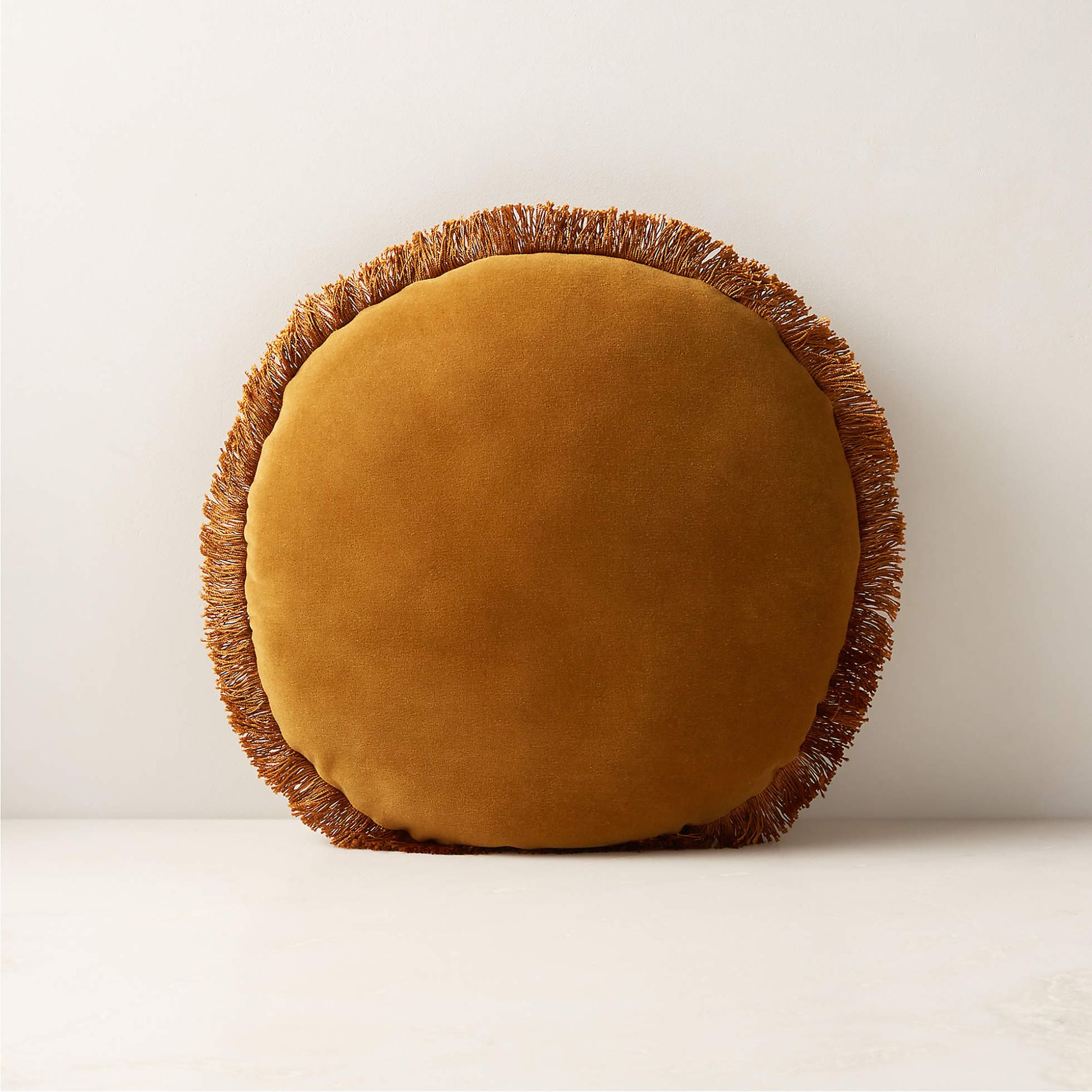
"The issue with many neutral interiors is that all objects in such rooms share similar surfaces and shapes," Olenbush explains. "Antiques introduce elements that cannot be easily mass-produced and thus break up the sterile picture of digital design."
Crucially, experts advise that homeowners do not need to overhaul their entire home to achieve this effect. In fact, minimalism and maximalism can coexist through strategic contrast. Introducing a single antique statement piece—such as a weathered mahogany dining table in a cream-toned kitchen, a dramatic gilt mirror above a contemporary sofa, or a distressed pine cabinet against stark plaster walls—can elevate a room without overwhelming its core character.
Implications: Bringing Lake Como Style Home
While George and Amal Clooney’s sprawling Lake Como sanctuary benefits from centuries of Italian architectural pedigree, design professionals emphasize that achieving this aesthetic does not require a sprawling European villa or a multi-million-dollar property portfolio.

The core takeaway from Villa Oleandra is the power of personal storytelling. By mixing eras, textures, and finishes, homeowners can create spaces that feel grounded, authentic, and entirely unique to their own lives.
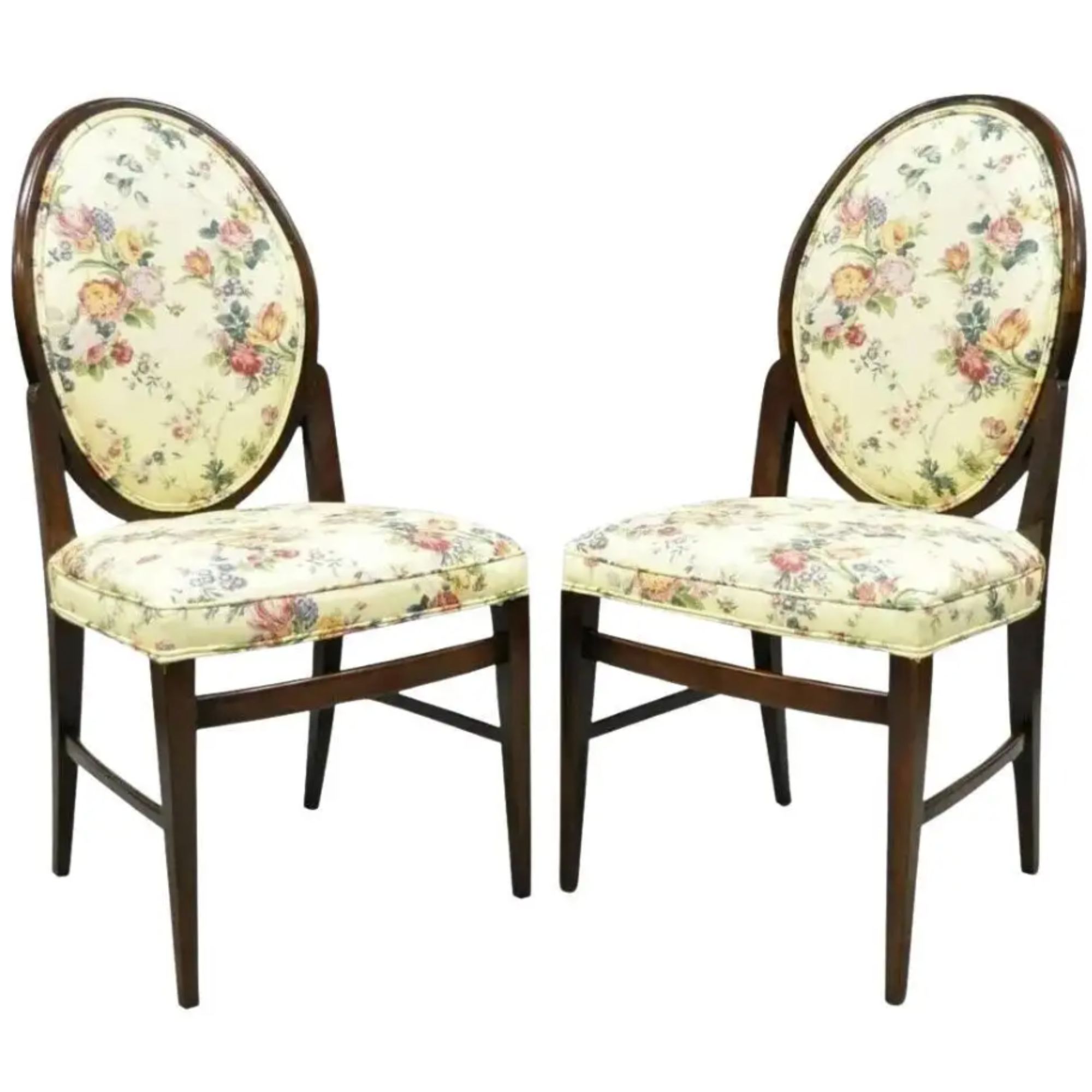
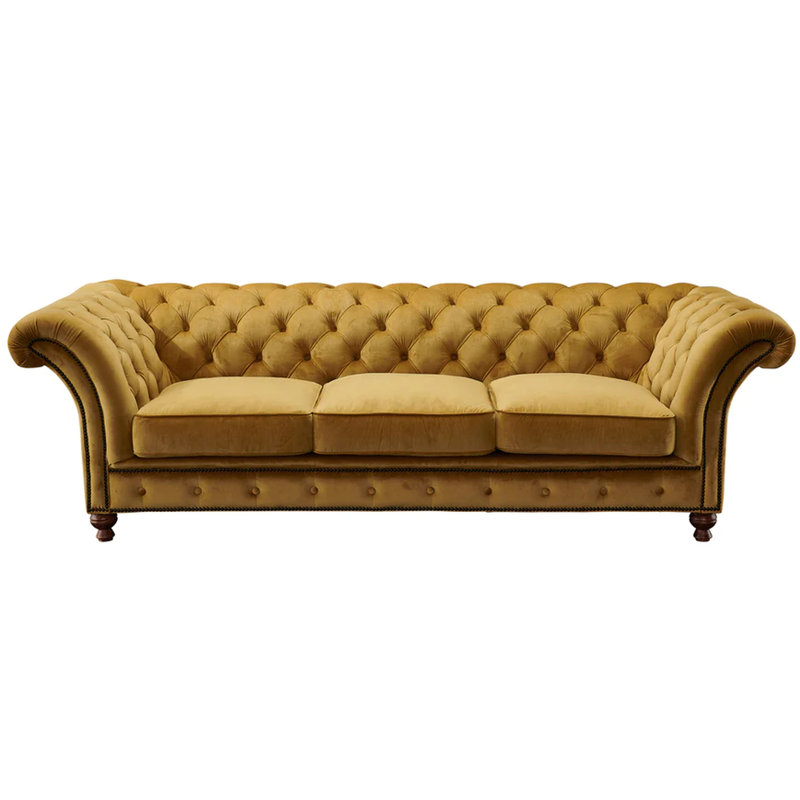
As the design landscape moves further into 2026, the mandate for homeowners is clear: step away from uniformity, embrace the beauty of a well-worn patina, and allow history to find a home in your everyday spaces. Whether through a grand French Art Deco dining chair, a velvet Chesterfield sofa, or an ornate gold-framed painting, the past is proving to be the ultimate luxury for the future of interior design.
