

Main Facts
When it comes to contemporary interior design, the age-old adage "less is more" is frequently cited, but rarely executed with the absolute discipline demonstrated by Nicola Peltz Beckham and Brooklyn Beckham. Their Beverly Hills residence has recently captured the attention of the architectural and interior design communities, serving as a defining case study in how far minimalism can be taken without sacrificing warmth, comfort, or liveability.
At the core of the couple’s design ethos is a deliberate reliance on architecture rather than excess ornamentation. Within their expansive living and dining spaces, the color palette has been strictly restrained to soothing, earthy tones: pale oak, rich taupes, and soft creams. This intentional restriction allows the structural bones of the room—its soaring ceilings, clean lines, and seamless indoor-outdoor transitions—to take center stage.
Rather than relying on heavy furniture arrangements or vibrant, statement-making paint colors, the Beckhams utilize texture, light, and proportion to animate the room. Floor-to-ceiling sheer window treatments filter natural sunlight into a diffused, calming glow, while a curated selection of minimalist furnishings ensures that the spatial flow remains entirely unobstructed. The result is a home that feels simultaneously uber-minimalist and undeniably serene, proving that pared-back interiors do not have to feel cold or sterile.
Chronology of the Aesthetic: Evolution of the Beckham-Peltz Interior Style
To understand how the couple arrived at this masterclass in modern restraint, it is helpful to look at the timeline of their shared real estate journey and evolving design tastes.

The Foundation Years and Early Influences
Both Nicola Peltz and Brooklyn Beckham grew up surrounded by high-profile, meticulously designed properties. Brooklyn, having spent his formative years moving between sprawling estates in the UK, Spain, and the United States with his parents, David and Victoria Beckham, was exposed early on to a blend of traditional English heritage and sleek, modern luxury. Similarly, Nicola’s background introduced her to grand architectural spaces marked by contemporary art and sophisticated interior curation.
Transition to Independent Curation
When the couple first established their independent living arrangements, their style leaned toward a transitional aesthetic—mixing contemporary pieces with cozy, lived-in elements. However, over the past few years, their shared design philosophy has undergone a refined distillation process. The clutter of transitional trends has been systematically stripped away, giving way to the pure, quiet luxury that defines their current Beverly Hills home.
The Beverly Hills Reveal
The unveiling of their current living space marked a pivotal moment in celebrity interior design discourse. By posting glimpses of their sun-drenched, neutral-toned living areas on social media, the couple inadvertently sparked a widespread interior design trend. Interior enthusiasts and design publications quickly homed in on the way the couple utilized vertical space, natural light, and textural layering—proving that their minimalist approach was not merely a superficial aesthetic choice, but a deeply intentional lifestyle framework.
Supporting Data and Spatial Mechanics: The Anatomy of a Minimalist Room
Achieving a minimalist interior that feels inviting rather than empty requires an acute understanding of spatial mechanics, materials, and proportion. In the Beckham-Peltz residence, every single element—from the weave of a curtain to the contour of a decorative bowl—has a distinct purpose.
1. The Power of Verticality and Window Treatments
In a room devoid of heavy wall art or saturated accent walls, window treatments must carry a heavy visual load. Renowned interior designer Tori Murphy notes that curtains are far more than mere functional barriers against the sun.
"They are more than just window coverings; they are a way to add texture, warmth and personality to a room. They can accentuate architectural features or draw the eye to a view outside, or quietly retreat into the background," Murphy explains.
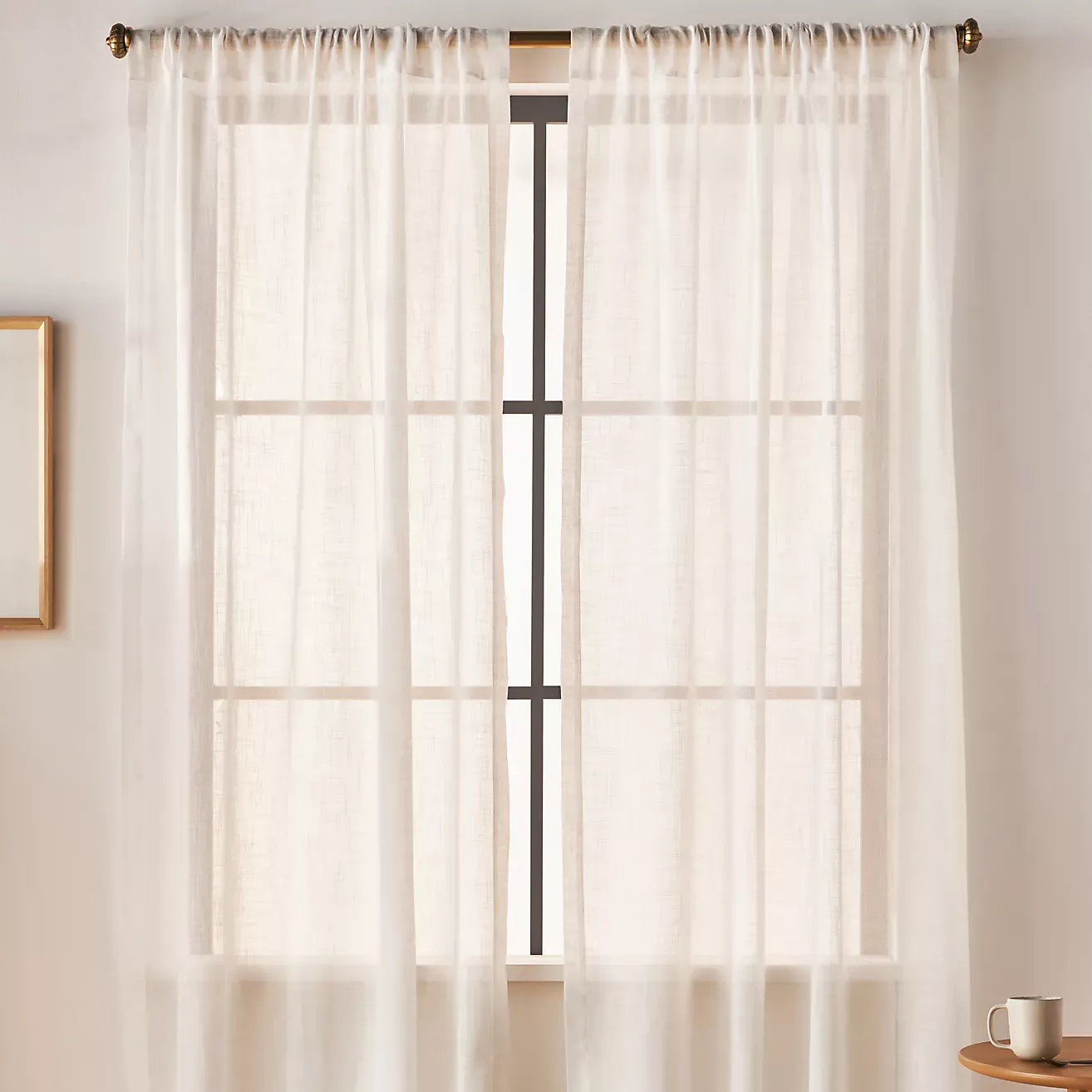
In the Beckham-Peltz living room, the window treatments successfully achieve the latter. Hung from discreet ceiling tracks, the sheer floor-to-ceiling drapery stretches upward, drawing the eye vertically and accentuating the impressive height of the room. The subtle vertical folds introduce structural rhythm without cluttering the visual field.
2. Texture as a Substitute for Color
When color is restricted to a monochromatic palette of creams and taupes, texture becomes the primary tool for creating depth. The couple’s living space relies on a careful juxtaposition of tactile surfaces:

- The Sheer Drapes: Diffuse natural light while softening hard architectural edges.
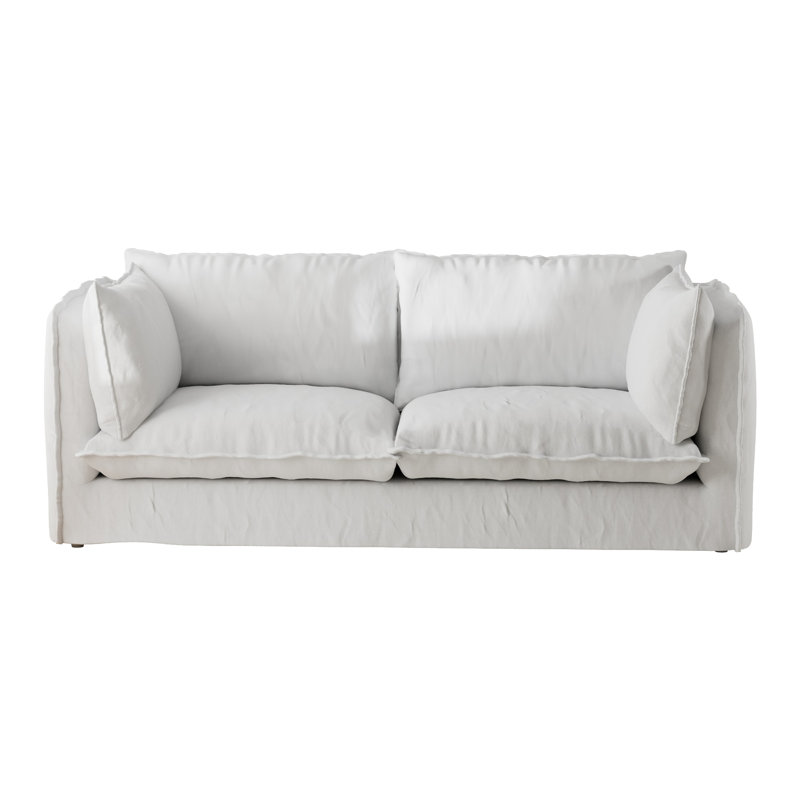
- The Upholstery: Slipcovered, down-filled sofas introduce organic, relaxed silhouettes that invite physical relaxation.
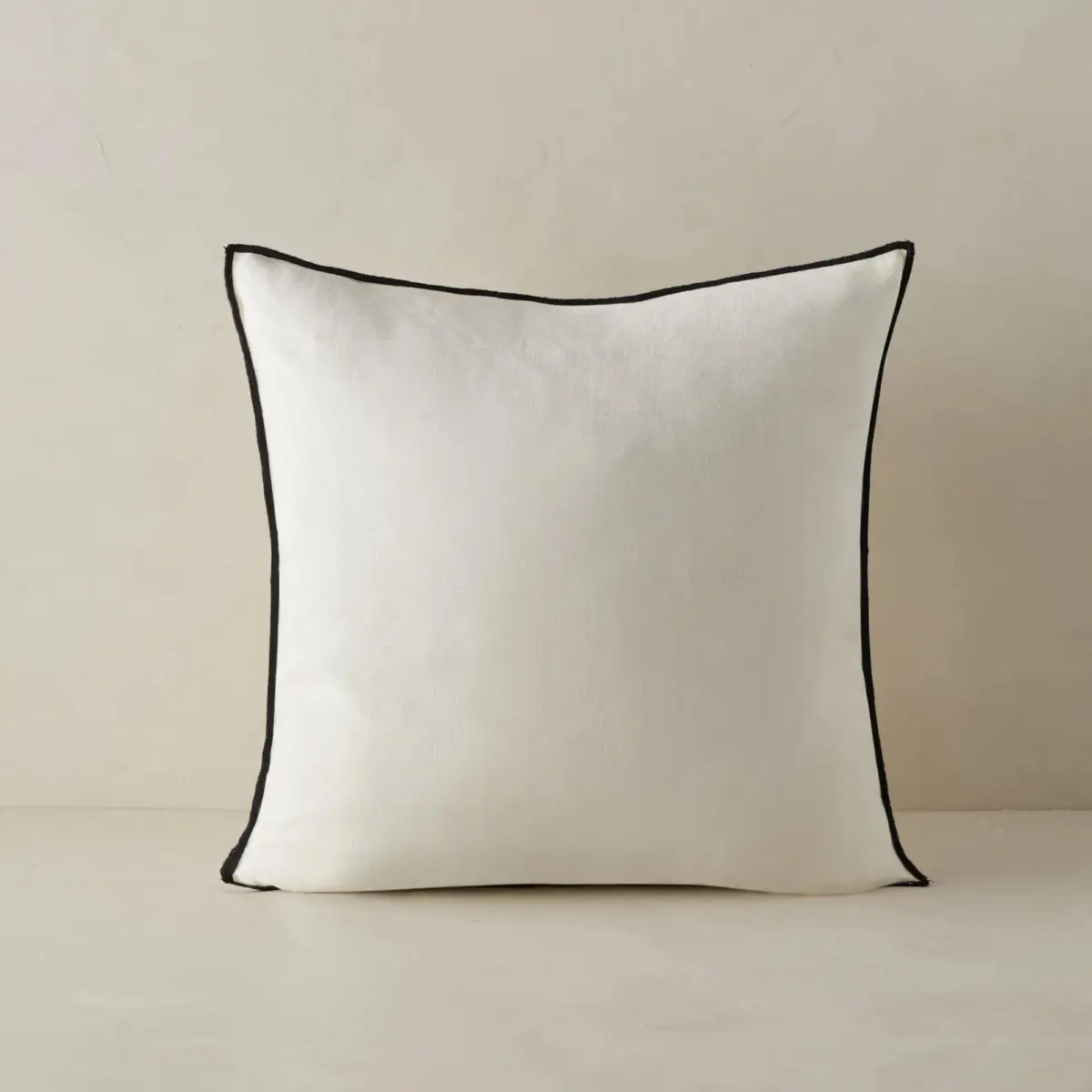
- Accent Pieces: Subtle textiles, such as linen pillows with tailored contrast piping or hand-loomed rugs with distressed foliage patterns, provide micro-details that reward close inspection without disrupting the overarching calm.
3. Curated Minimalism on a Budget
While celebrity homes often feature bespoke, museum-quality pieces that are out of reach for the average homeowner, the core principles of the Beckham-Peltz aesthetic can be easily translated using accessible market alternatives. Interior experts have identified several key elements that capture this exact look:
- Sheer Woven Curtains: Options like the Lena Sheer Woven Curtains from Anthropologie or semi-sheer linen back-tab panels offer the same airy, light-filtering softness.
- Sculptural Decor: Organic, undulating ceramic bowls under $50 can anchor a coffee table, adding an artistic touch without visual heaviness.
- Neutral Seating: Low-profile, slipcovered sectionals in bright white or cream provide both ergonomic comfort and a clean visual anchor for open-plan layouts.
Expert Perspectives and Professional Insights
The minimalist design choices implemented in the Beverly Hills residence have drawn praise and analysis from leading voices in the global interior design community.
Interior specialists emphasize that minimalism is often misunderstood as a lack of effort, when in reality, it requires far more rigorous editing than maximalist design. When a room contains only a handful of items, every single flaw is exposed. The alignment of a curtain hem, the drape of a sofa fabric, and the placement of a rug become critical anchor points for the human eye.
Tori Murphy highlights the importance of header styles and fabric movement in achieving a professional finish. According to Murphy, the choice between a playful "flop-over frill" and a classic "pinch pleat" dictates the character of the room. In the case of the Beckham-Peltz home, the clean, uninterrupted vertical lines align perfectly with the modern, unpretentious ethos of the inhabitants.
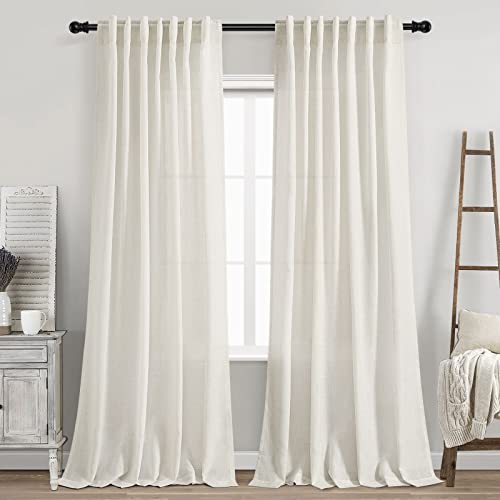
Furthermore, design theorists point out that minimalist spaces act as psychological sanctuaries. In an era dominated by digital overstimulation and urban density, homes designed with restrained palettes and unobstructed sightlines offer cognitive rest. By minimizing visual noise, the architecture and the natural environment—such as the California sunlight filtering through sheer linen—become the primary luxuries of the home.
Implications for Modern Interior Design and Celebrity Real Estate
The widespread fascination with Nicola Peltz Beckham and Brooklyn Beckham’s minimalist aesthetic carries several broader implications for the future of interior design and celebrity real estate branding.
The Shift Toward "Quiet Luxury" in Decor
The aesthetic championed by the couple is an extension of the broader "quiet luxury" or minimalist wealth movement sweeping fashion and lifestyle sectors. Consumers are increasingly turning away from ostentatious branding, loud logos, and trend-chasing maximalism. Instead, there is a growing desire for timeless, high-quality materials—linen, oak, neutral ceramics, and artisanal textiles—that age gracefully and promote wellness.
Redefining Celebrity Homes
Historically, celebrity real estate was often characterized by over-the-top opulence: gold leaf, massive chandeliers, and hyper-personalized, theatrical thematic rooms. The Beckham-Peltz home signals a generational shift among younger high-profile figures. Today’s cultural icons are curating spaces that prioritize personal sanctuary, mental peace, and understated sophistication over sheer shock value.
Practical Takeaways for Everyday Homeowners
Ultimately, the viral success of the Beckham-Peltz living room proves that high-end design is no longer defined by how much you own, but by how thoughtfully you curate what remains. Homeowners looking to replicate this look do not need a Beverly Hills estate; they simply need to apply the core tenets of the style:
- Maximize Natural Light: Clear heavy window blockages and opt for light-filtering sheers.
- Embrace Negative Space: Allow architectural features and blank walls room to breathe.
- Invest in Texture: Layer neutrals using tactile fabrics like linen, wool, and raw wood rather than relying on bright colors or busy patterns.
By stripping away the unnecessary, Nicola Peltz Beckham and Brooklyn Beckham have created a blueprint for modern living that is as inspiring as it is achievable—proving that true style often speaks in a whisper.
