

NEW YORK — Gone are the days when the primary bathroom was treated as a purely utilitarian, sterile white box designed solely for quick routines. In contemporary interior design, a profound paradigm shift is underway, trading hard minimalism and clinical palettes for spaces rich in texture, warmth, and personality. At the forefront of this movement are Hollywood power couple Blake Lively and Ryan Reynolds, whose New York en-suite bathroom has recently emerged as a masterclass in modern, cozy luxury.
Moving away from the stark aesthetics that dominated high-end residential architecture over the past decade, Lively and Reynolds have opted for an immersive, deeply sensory environment. By blending rustic structural woods, dark diamond-patterned tiles, gleaming brass fixtures, and curated framed artwork, the couple has redefined what a high-end personal sanctuary can—and should—look like.
Design experts note that this thoughtful approach is symptomatic of a broader cultural movement in interior architecture heading toward late 2026 and 2027. Homeowners are no longer segregating the bathroom as a cold, functional necessity; instead, they are lavishing the same meticulous design attention on their en-suites as they traditionally reserve for gourmet kitchens and formal living rooms.
Main Facts: Deconstructing the Lively-Reynolds Aesthetic
The design philosophy behind Blake Lively and Ryan Reynolds’ bathroom centers on tactile contrast and historical grounding, often referred to in contemporary design circles as the "old money" or heritage aesthetic.

Rather than relying on cold porcelain slabs and seamless, minimalist white surfaces, the couple’s space incorporates raw, foundational elements:
- Exposed Timber Beams: Natural wood elements stretch across the ceiling and architectural points, introducing organic warmth and breaking up the verticality of the room.
- Moody, Patterned Tiling: Richly hued, dark diamond-patterned tiles anchor the space, creating a dramatic, sophisticated counterweight to the lighter wood tones.
- Warm Metallic Hardware: Brass fixtures replace the chrome and matte-black finishes of previous decades, casting a soft, inviting glow when hit by natural or artificial light.
- Residential Artistry: Framed landscape artwork and thoughtful accessories blur the line between a traditional bathroom and a refined parlor or sitting room.
This shift signals a departure from hyper-modernism toward spaces that feel collected over time, deeply personal, and inherently comforting.
Chronology: The Evolution Away from Clinical Minimalism
To understand the significance of Lively and Reynolds’ design choices, it is helpful to trace the evolution of modern interior aesthetics over the last fifteen years.
Phase 1: The Reign of the All-White Box (2010–2018)
Following the post-financial crisis design movements, clean lines, glossy white subway tiles, and stark chrome fixtures dominated luxury real estate. The goal was an illusion of clinical cleanliness and maximum light reflection. Bathrooms were viewed as machines for washing rather than spaces for restorative relaxation.
Phase 2: The Industrial and Minimalist Wave (2018–2023)
Matte black hardware, concrete-look porcelain, and frameless glass showers took over. While sleeker, these spaces frequently felt cold and impersonal, lacking the tactile depth required to truly unwind.
Phase 3: The Sensory Revival & The "Kitchenification" of Bathrooms (2024–Present)
As living trends increasingly blurred work, rest, and wellness at home, interior designers began advocating for "sanctuary spaces." Kitchens were the first to pivot toward rich woods, artisanal backsplashes, and furniture-style islands. By 2025 and moving into the 2026–2027 design cycles, this philosophy officially crossed the threshold into the bathroom. Homeowners began demanding ambient lighting, antique accents, wood paneling treated with modern moisture-resistant finishes, and statement art pieces—a trend brilliantly captured in the New York home of Lively and Reynolds.
Supporting Data & Expert Analysis: Why Wood Belongs in the Bathroom
For decades, conventional wisdom dictated that organic wood had no place in high-moisture environments like bathrooms due to warping, rotting, and water damage. However, material science and modern engineering have upended these old-school assumptions.
Keeley Sutcliffe, design manager at BC Designs, highlights how consumer behavior and material capabilities have converged:
"We are seeing people design bathrooms with the same level of thought that would once have been reserved for a kitchen or living room," notes Sutcliffe. "Every detail matters, from how light moves across the surface of a freestanding bath, to the tone of the brassware or the warmth of the timber. It is a more intelligent, sensory approach to design."
According to interior architecture data, inquiries regarding moisture-resistant hardwoods—such as specially treated oak, walnut, and ash—have surged by over 40% across high-end residential renovation projects.
- Bridging Hard and Soft: Sutcliffe explains that wood acts as a crucial visual mediator. "Wood bridges the gap between hard and soft. It stops bathrooms feeling clinical and introduces the visual comfort of furniture, creating a link between bathing spaces and the rest of the home. There is a strong desire for bathrooms that feel connected rather than separate, and timber helps achieve that."
- Acoustic and Thermal Benefits: Beyond aesthetics, wood absorbs sound better than tile and stone, reducing harsh echoes in cavernous en-suites while providing a warmer tactile experience underfoot or against paneling.
Official Responses and Curated Design Inspiration
The ripple effects of celebrity endorsements like Lively and Reynolds’ bathroom layout have spurred major home decor brands to curate specific collections mimicking the look. Industry analysts have dubbed this the "Old Money Bathroom Edit," characterized by pieces that invoke history, craftsmanship, and quiet luxury.
Design editors and curators recommend several signature pieces to replicate this high-end aesthetic without requiring a complete gut renovation:
1. Statement Lighting: Milk Glass Sconces
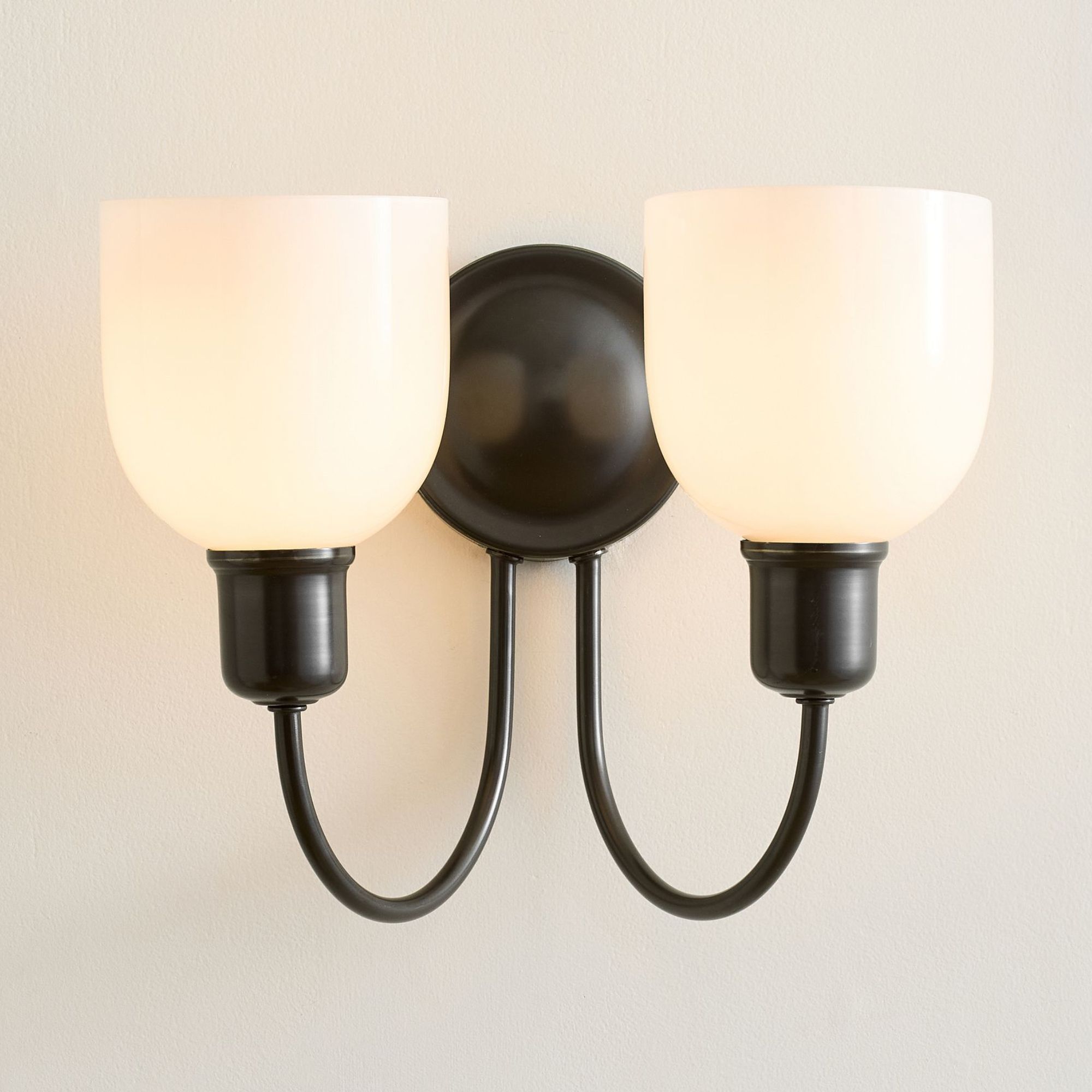
Moving away from recessed ceiling cans or ultra-modern LED strips, traditional multi-bulb sconces with milk glass and bronze finishes—such as the Holmes Milk Glass Double Sconce—soften illumination. This creates a flattering, candle-lit ambiance reminiscent of historic townhouses.
2. Functional Decor: Solid Wood Blanket or Towel Ladders
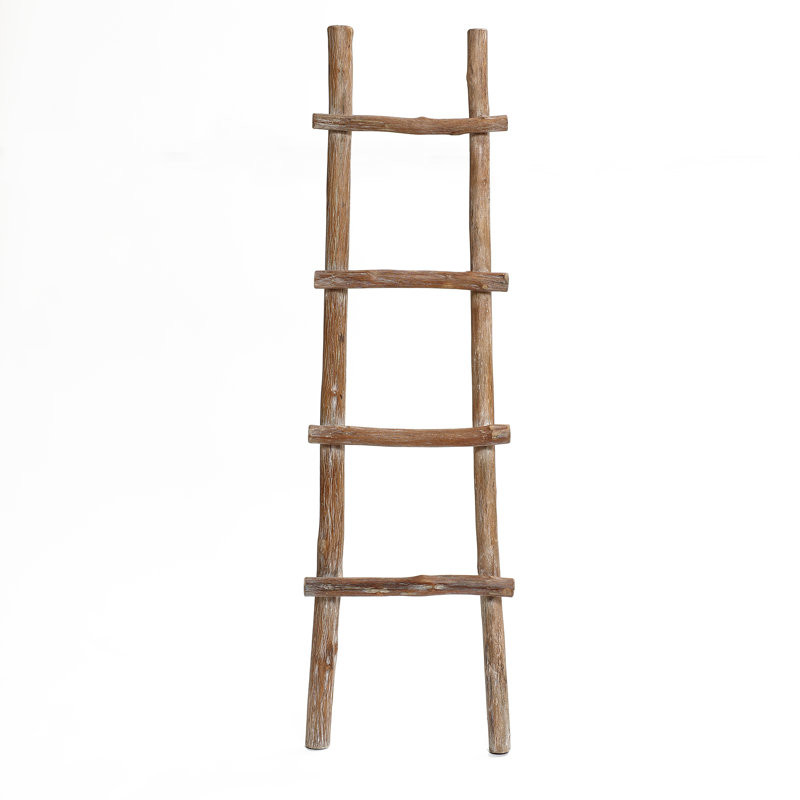
Instead of built-in chrome towel bars, utilizing a natural wood ladder (like the Millwood Pines Solid Wood Blanket Ladder) introduces vertical rustic texture while offering practical storage. It softens hard tile walls with organic grain patterns.
3. Vanity Styling with Pedestals and Trays
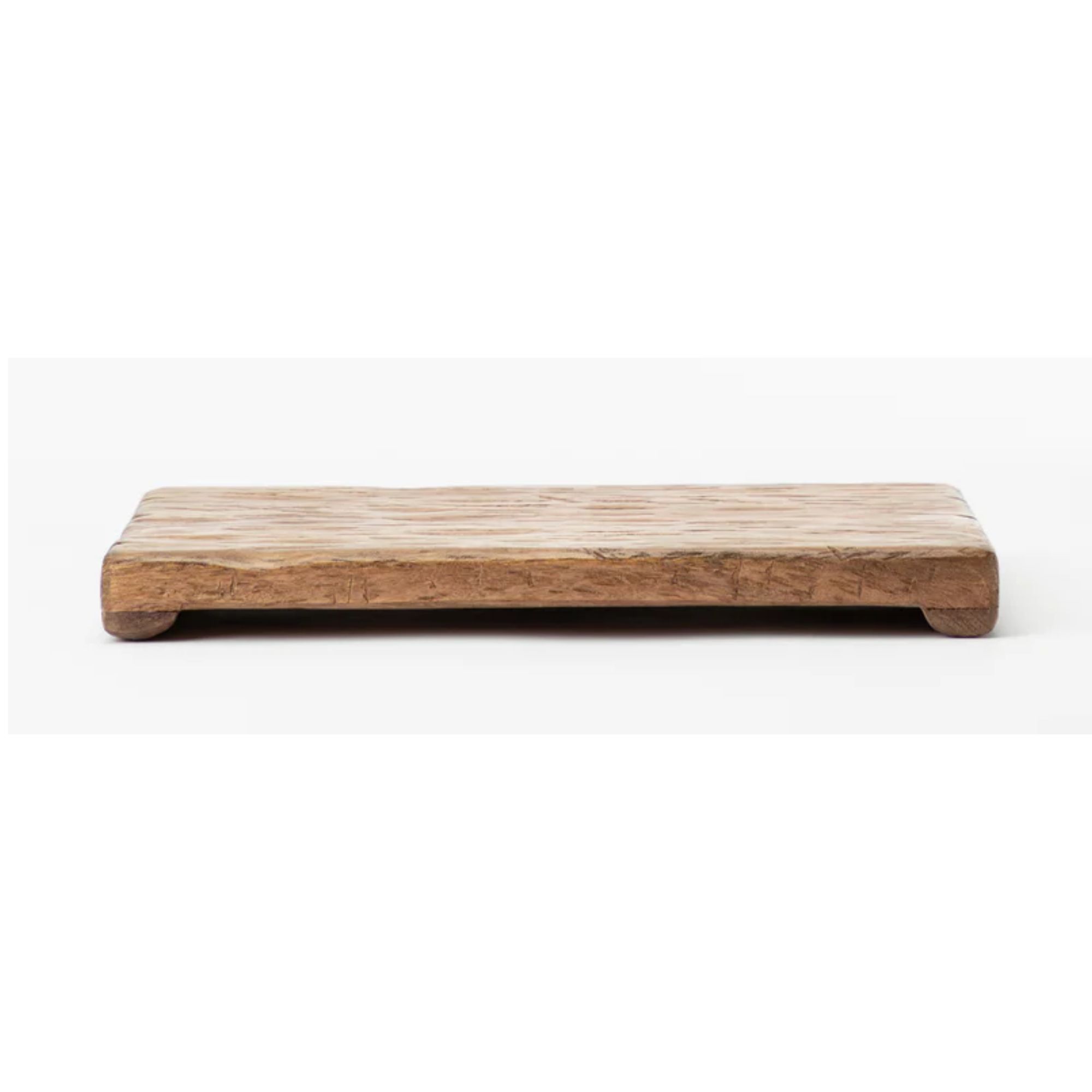
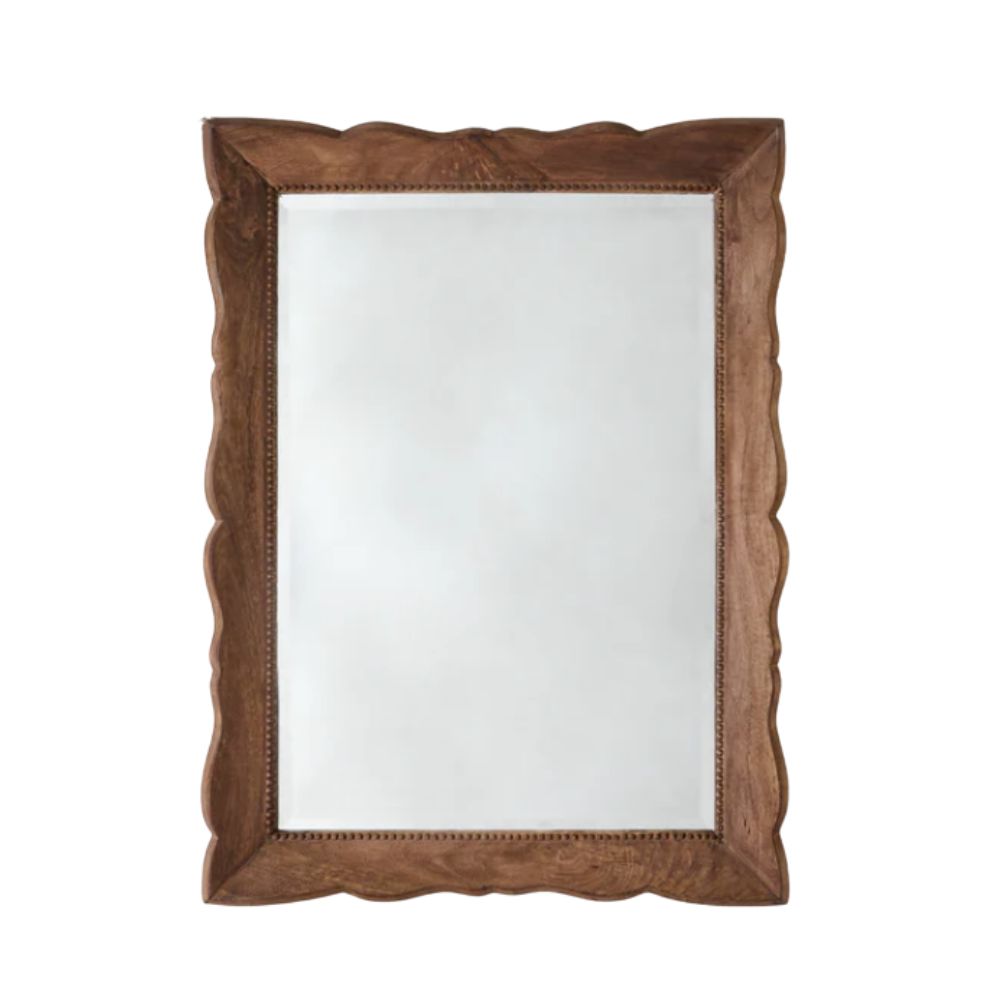
Introducing carved wooden pedestals or mango wood trays onto vanity counters breaks up the monotony of stone countertops. It provides a dedicated, earthy stage for everyday essentials like perfume bottles, vintage soap dispensers, and rolled hand towels.
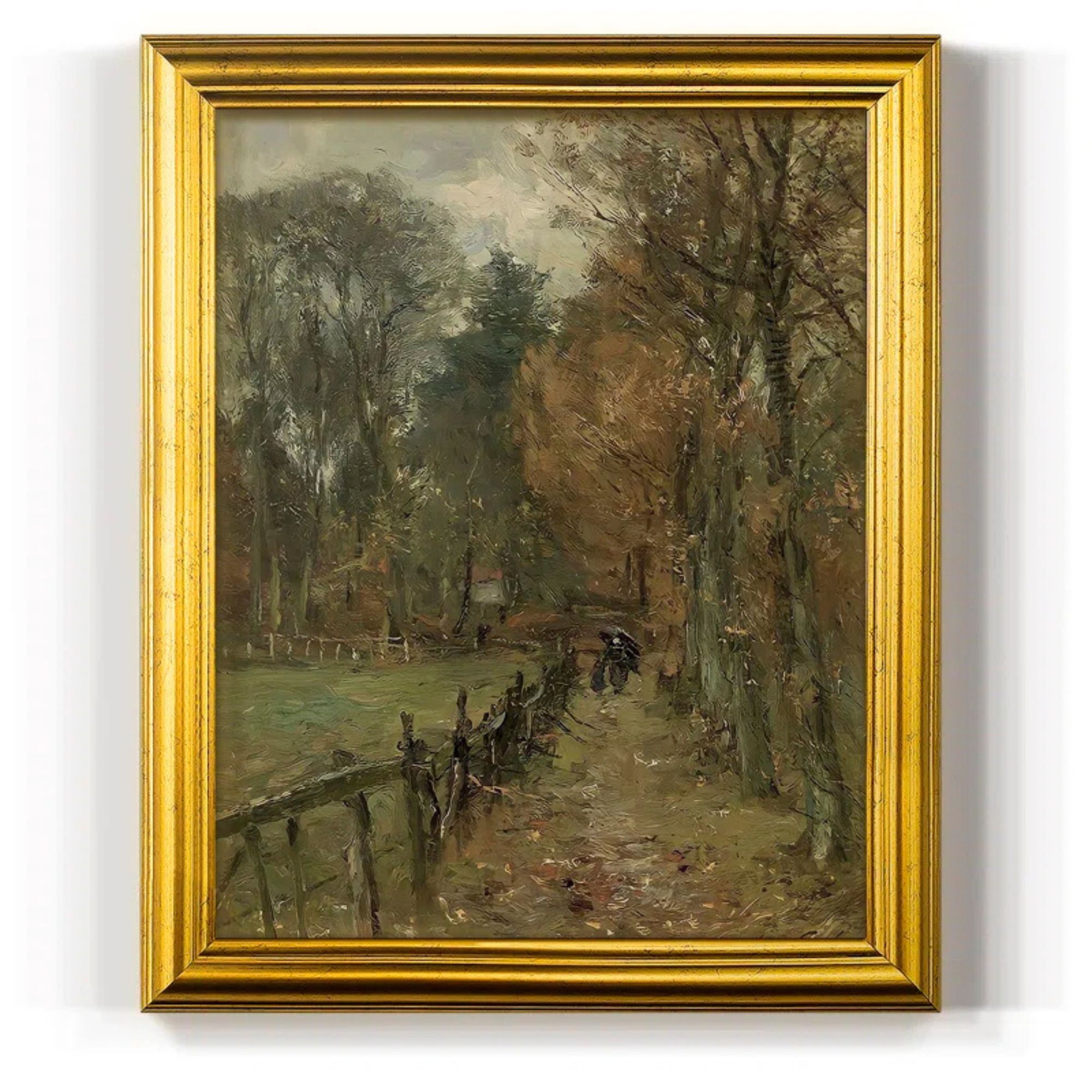
4. Framed Vintage Landscapes
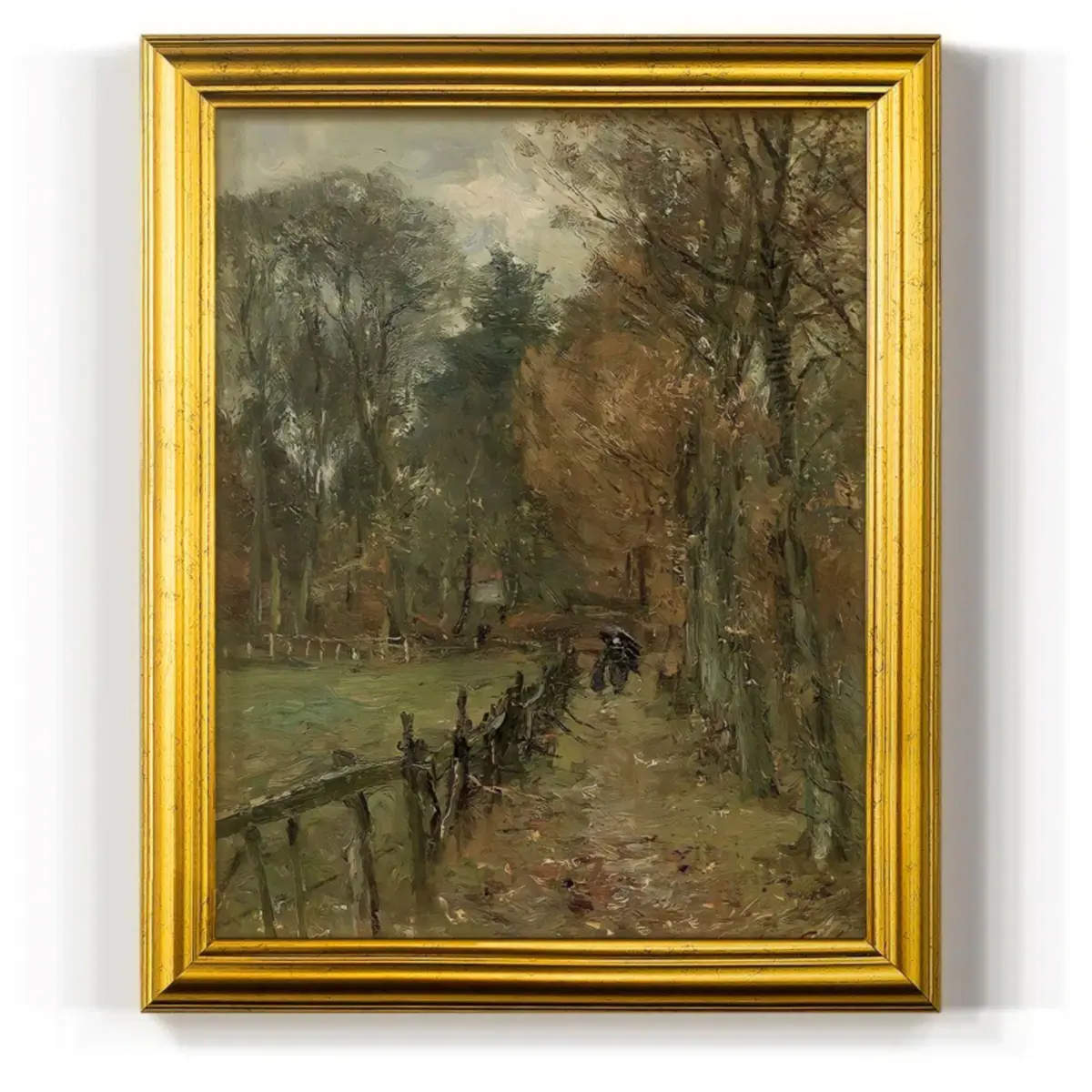
Hanging water-resistant framed landscape oil paintings or vintage prints directly in the bathroom—a practice once deemed risky due to humidity—instantly transforms the space from a functional washing zone into a gallery-esque retreat.
Implications: The Future of Residential Real Estate and Interior Wellness
The design choices championed by Blake Lively and Ryan Reynolds point to a much deeper shift in consumer psychology regarding home wellness. As modern life becomes increasingly digitized, fast-paced, and screen-reliant, the home is evolving into a psychological refuge.
1. Holistic Spatial Continuity
Interior designers are moving away from thematic compartmentalization (where every room has a drastically different style) toward continuous, flowing narratives. When a bathroom echoes the rich woods and layered warmth of the living room or library, it fosters a deeper sense of psychological safety and calm.
2. Longevity Over Fast Trends
The backlash against sterile minimalism is fundamentally tied to sustainability. Clinical, stark white plastic-composite or fast-trend fixtures have a high turnover rate because they lack soul. By contrast, heritage elements like natural timber, brassware that develops a living patina over time, and classic artwork are investments designed to age gracefully.
3. The Re-Enchantment of Daily Routines
Ultimately, a bathroom styled like Lively and Reynolds’ transforms mundane hygiene habits into mindful rituals. Brushing one’s teeth or soaking in a tub becomes an elevated sensory experience when framed by organic textures, warm lighting, and thoughtful artistry.
Looking Ahead
For homeowners looking to pivot away from the cold, clinical spaces of the past, the Lively-Reynolds New York en-suite serves as an accessible blueprint. By introducing elements of nature, historical depth, and uncompromised comfort, the modern bathroom has officially claimed its place as the ultimate sanctuary within the home.
