

Introduction and Main Facts
What is truly captivating the nation’s most visionary design minds right now? To answer this, leading voices in the United States interior architecture and decorative arts landscape—including luminaries such as Lori Weitzner, William Cullum, Steven Gambrel, Joan Craig, Ellen Hamilton, and Marco Credendino—have opened up about the spaces, objects, cultural touchstones, and overarching philosophies currently shaping their creative worldviews.
Far from a monolithic trend report dictated by corporate forecasting agencies, this snapshot of the American design zeitgeist is wonderfully specific, deeply personal, and culturally significant. It spans everything from fragile Victorian majolica garden seats and centuries-old tile games to cinematic Italian hotels, architectural getaways in Los Angeles, and a profound industry-wide shift away from homogenized trend-chasing toward authentic, uncompromised self-expression.
Taken together, these expert insights reveal a design community eager to invest in depth over superficiality, material longevity over fast furniture, and experiential retail over digital convenience.
Chronology of an Evolution: From Trend-Chasing to Authentic Self-Expression
To understand where American design stands today, it is helpful to trace how the industry has arrived at its current inflection point over the past several decades.
Phase 1: The Rise of Modern Uniformity (Late 1990s – 2010s)
For years, interior design across the United States was heavily influenced by rapid globalization, mass-market digital retail platforms, and viral digital aesthetics. Homes frequently leaned toward stark minimalism, neutral color palettes, and easily replicable "looks" popularized on early social media channels. The emphasis was largely placed on visual impact for digital consumption, often at the expense of tactile richness, historical context, or individual idiosyncrasy.
Phase 2: The Pandemic Reevaluation (2020 – 2022)
As global populations spent unprecedented amounts of time confined to their living spaces, the psychological relationship with the home transformed. The superficiality of fast trends began to wear thin. Designers and homeowners alike started craving comfort, sanctuary, and objects imbued with personal meaning, patina, and historical narrative. Sourcing shifted inward, and an appreciation for artisanal craftsmanship surged.
Phase 3: The Present Renaissance of Character (2023 – Present)
Today, the design landscape is experiencing a profound pivot. As prominent interior designer Corey Damen Jenkins notes, the exhausting performance of following fleeting trends has officially given way to "courage"—the desire to develop an independent, authentic eye. Concurrently, the industry is seeing a resurgence in experiential sourcing, physical markets, and a cross-pollination between historical preservation and modern living.
Supporting Perspectives: Objects, Spaces, and Fixations
The current American design movement is anchored by individual fixations and inspiring environments. Here is a closer look at what is occupying the thoughts of top designers today.
1. The Enduring Allure of Garden Seats (William Cullum)
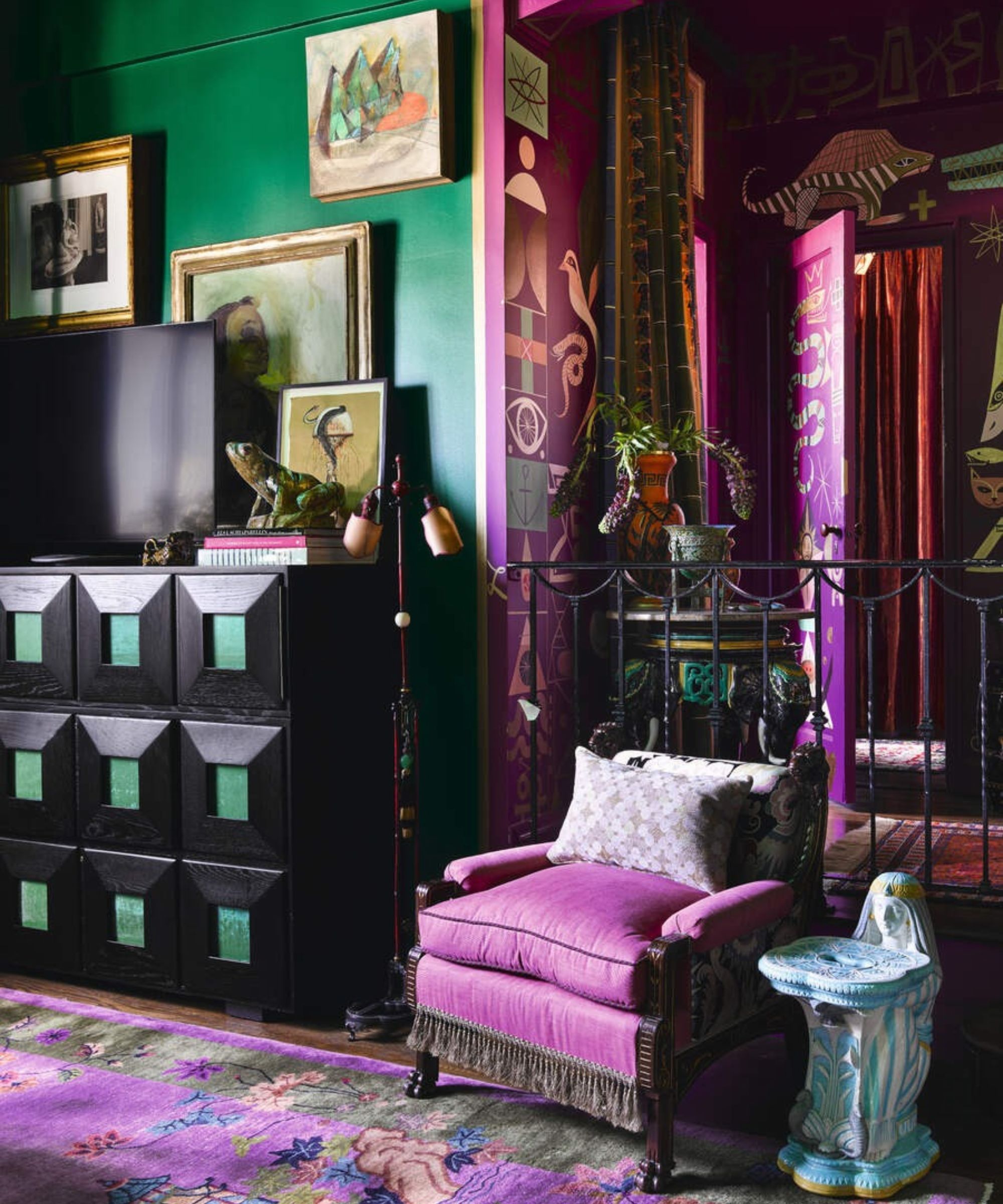
For William Cullum, a ten-year fascination with garden seats has evolved into an impassioned study of material history. Encompassing rich glazes, extraordinary patterns, and fantastical shapes—ranging from elegant Chinese ceramic barrels to kitschy Egyptian Revival princesses—these pieces occupy a unique place in decorative arts.
- The Fragility of History: Pieces like yellow Minton stools or 1830s Mason’s Ironstone possess an inherent fragility. Their survival through generations of use—and the occasional boisterous garden party—adds to their romantic appeal.
- Historical Precedent: Icons of design have long collected them; Madeleine Castaing integrated Victorian stools into her interiors, Cecil Beaton kept Chinese versions in his conservatory, and collectors like Joan Stacke Graham built floor-to-ceiling bookcases specifically to display them.
- Modern Continuation: Contemporary ceramic artists like Reinaldo Sanguino continue the tradition, producing luster-glazed and graffiti-adorned stools that prove maximalist accumulation—such as the seven historical pieces in Cullum’s Chelsea studio—trumps minimalist limitations.
2. The Getty Villa: A Classical Respite in Los Angeles (Aldous Bertram)
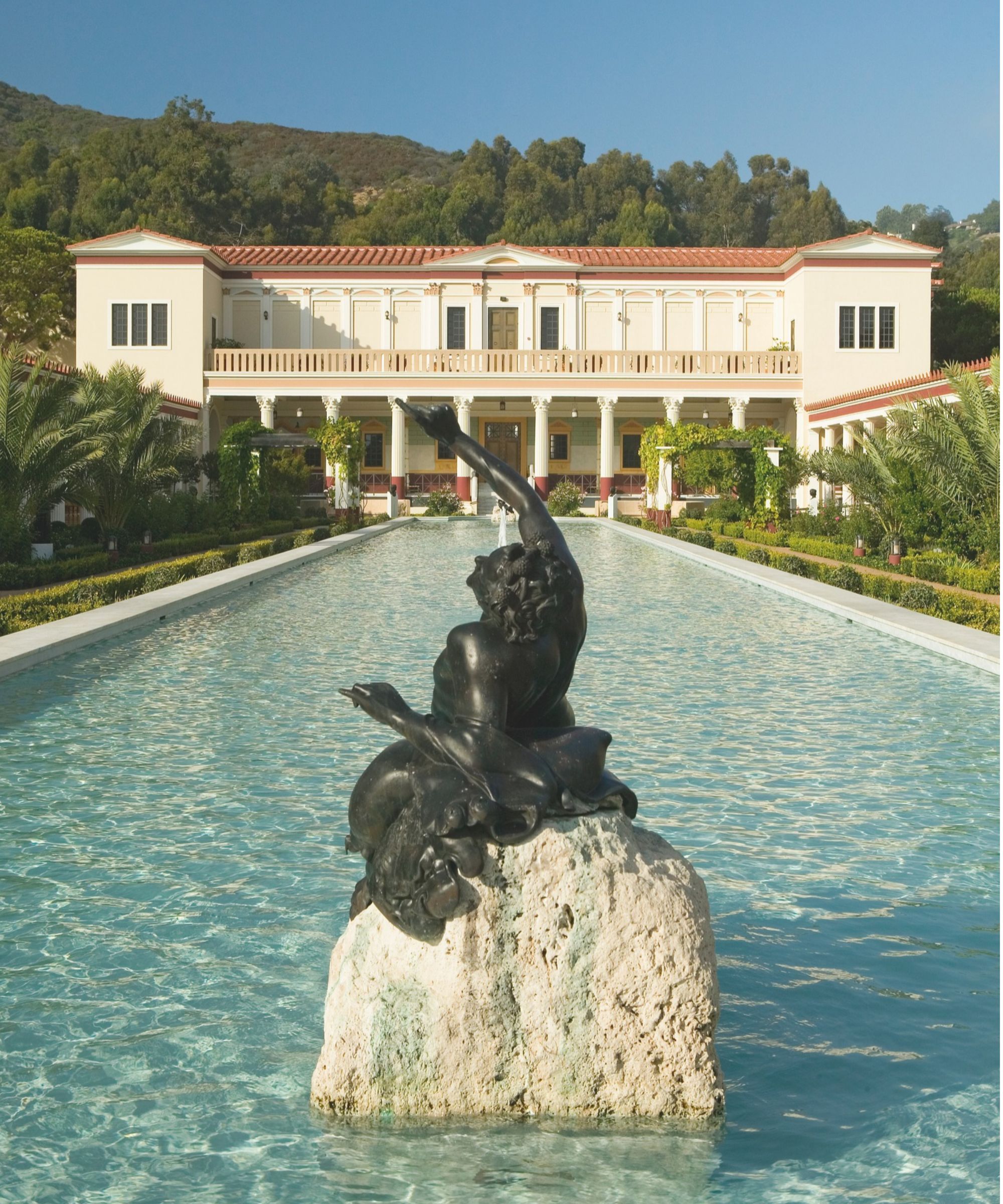
For a masterclass in transportative architecture, designer Aldous Bertram points to the Getty Villa in Los Angeles. Opened in 1974 and commissioned by J. Paul Getty, the institution meticulously recreates the Villa dei Papiri, a luxurious first-century Roman country house in Herculaneum that was buried by the eruption of Mount Vesuvius in AD 79.
- Sensory Immersion: Complete with classical bronze figures, splashing courtyard fountains, and the aromatic scent of pine trees and ancient herbs, the villa houses a world-class collection of Greek, Roman, and Egyptian antiquities.
- An Architectural Sanctuary: Because it is often overshadowed by its flashier counterpart, the Getty Center, the Villa offers a peaceful, uncrowded environment where visitors can spend an afternoon reflecting on classical history against a Pacific backdrop that easily mimics the Mediterranean.
3. The Renaissance of Mahjong (Lori Weitzner)
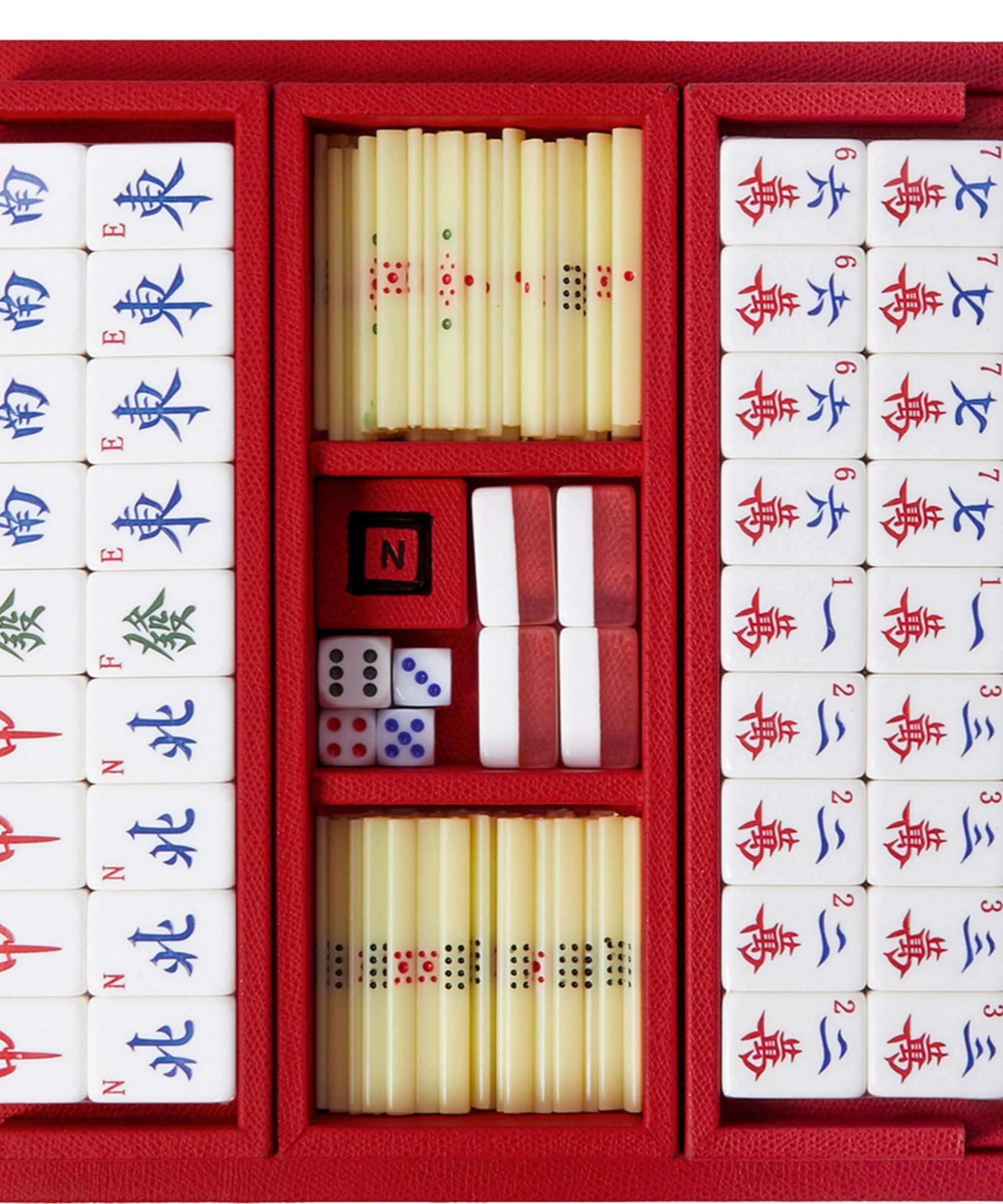
Textile and pattern designer Lori Weitzner highlights the unexpected cultural revival of Mahjong—the traditional Chinese tile game—as a defining aesthetic movement of the moment.
- Tactile Community: In an era defined by technological isolation and digital fatigue, Mahjong offers a tactile visual vocabulary through beautifully carved, heavy tiles.
- Bespoke Integration: Major design houses are now producing high-end, bespoke kits that coordinate seamlessly with luxury interiors. Devotees are even carving out dedicated game rooms in their residences, bridging the gap between social ritual and interior decoration.
4. Cinematic Theater in Milan and Verona (Steven Gambrel & Marco Credendino)
Italy continues to serve as an emotional and creative touchstone for American designers seeking narrative-driven environments.
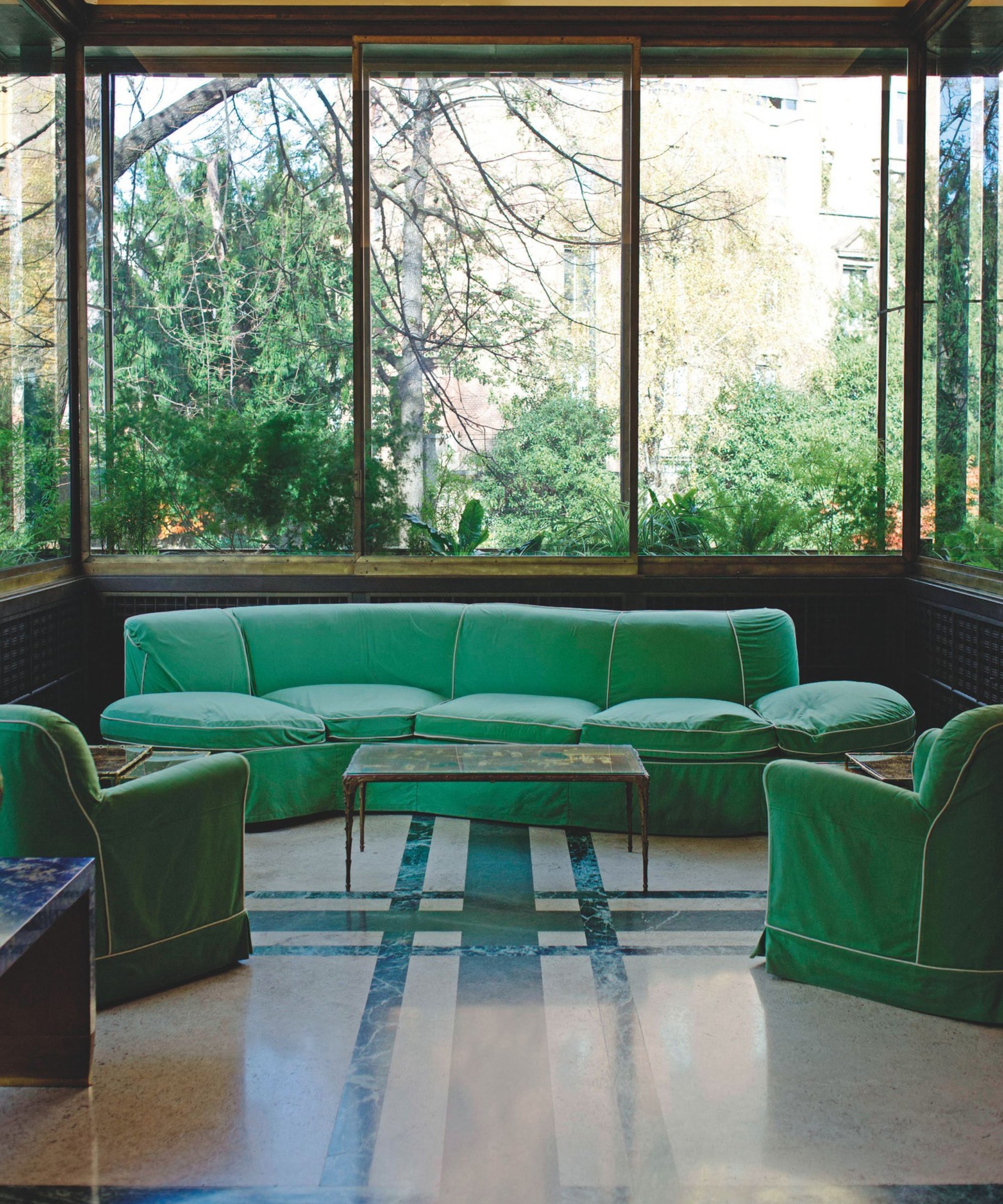
- Villa Necchi Campiglio (Steven Gambrel): Gambrel describes revisiting Milan’s iconic Piero Portaluppi-designed villa as stepping directly into a classic Federico Fellini film. The sage-green veranda, polished green marble, and seamless blending of architecture and lush landscaping evoke a sense of pure, theatrical elegance.
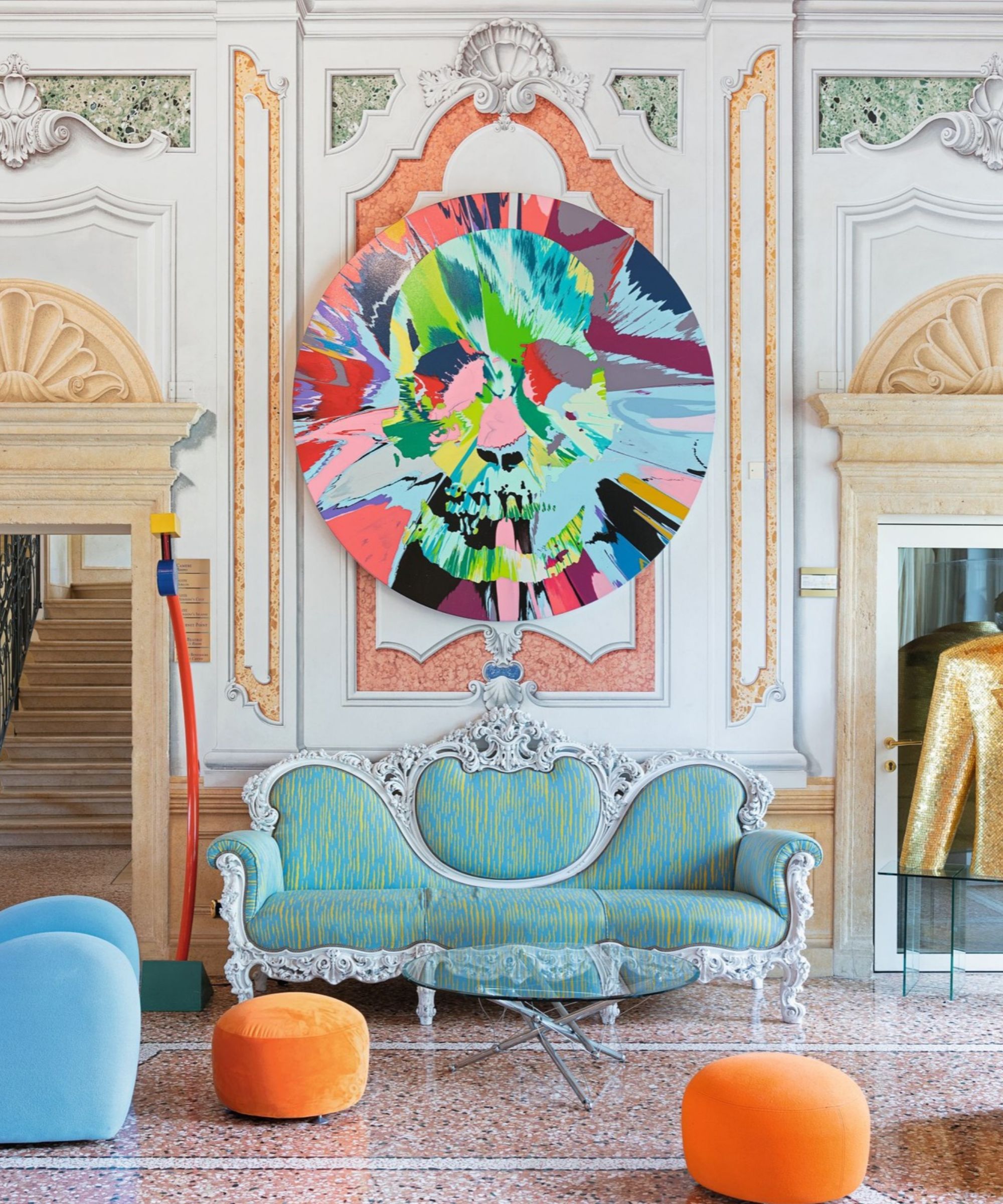
- Byblos Art Hotel (Marco Credendino): Artemest founder Marco Credendino champions the Byblos Art Hotel near Verona—a 16th-century Venetian villa transformed into a living gallery where historic architecture coexists with contemporary works by Damien Hirst, Vanessa Beecroft, and Alessandro Mendini, alongside postmodern furniture by Gaetano Pesce and Ron Arad.
5. Urban Explorations: The Architectural Depth of Chicago (Joan Craig)
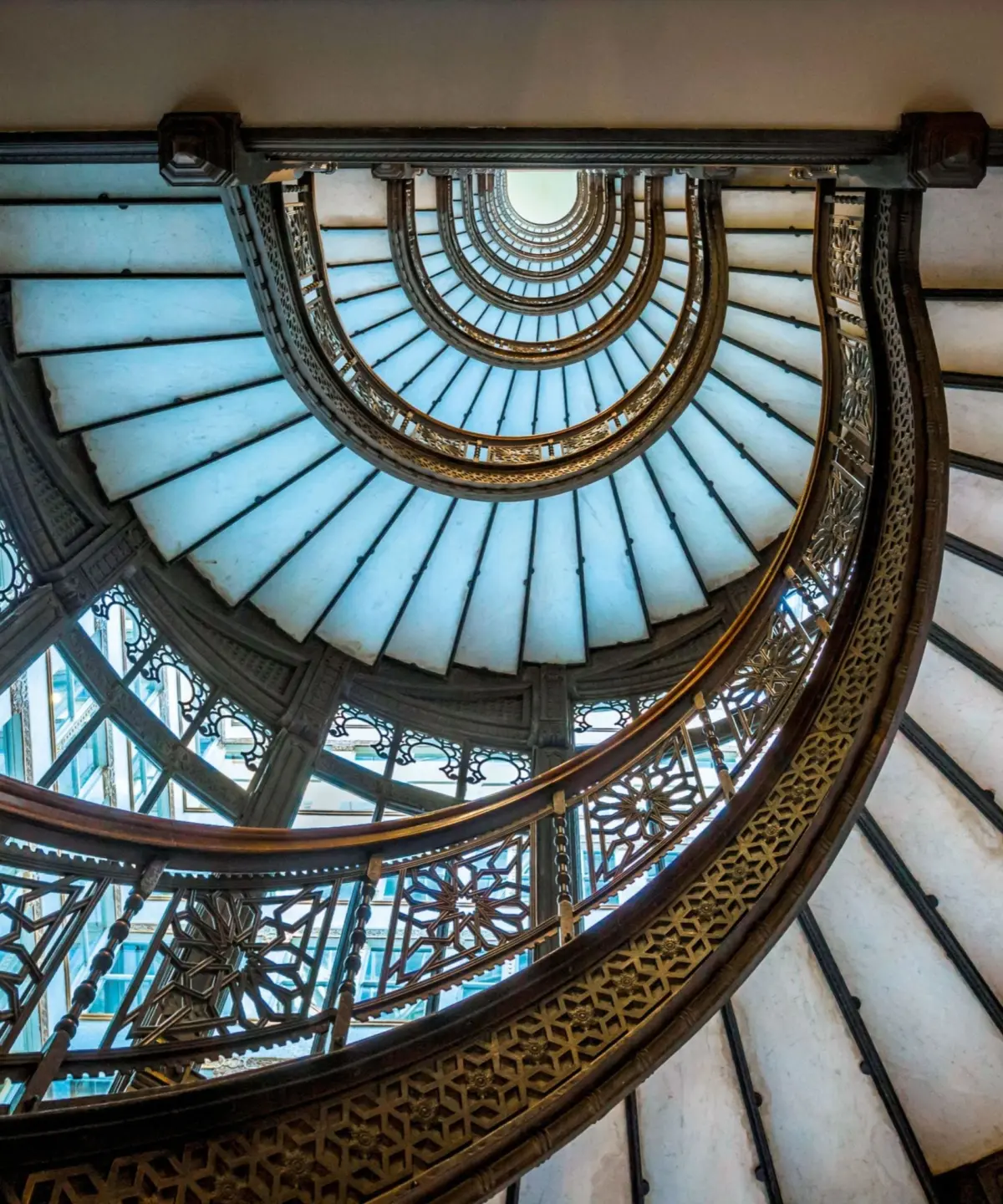
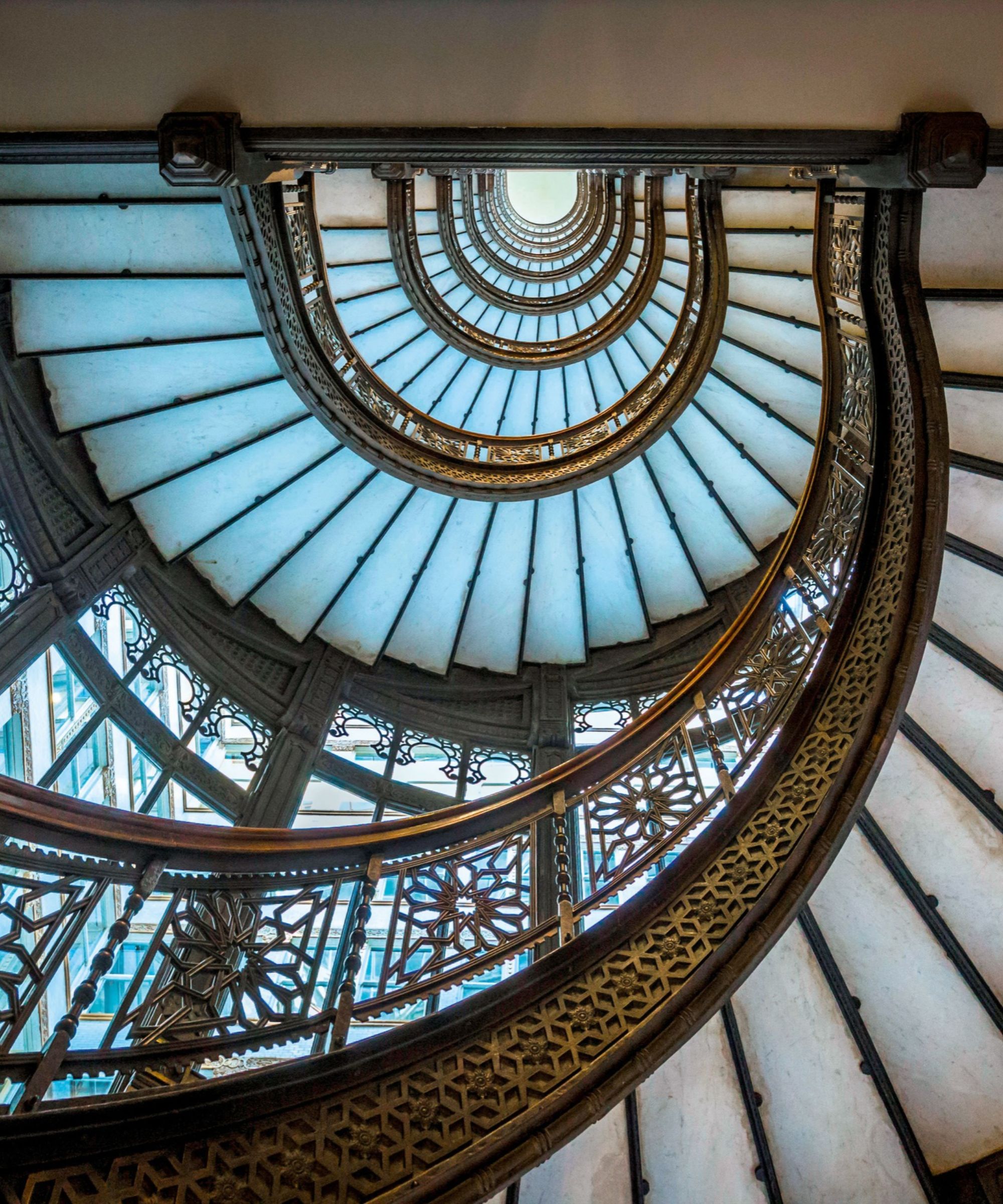
Reflecting on her move from New York to Chicago, designer Joan Craig emphasizes the Midwest metropolis as a premier destination for design aficionados. Beyond its celebrated canon—ranging from Frank Lloyd Wright prairie houses and Mies van der Rohe towers to Frank Gehry bandshells and Renzo Piano museum wings—Chicago harbors deep artisanal roots. Craig directs creators toward hidden gems such as Simes Studios (headed by Jorge and Cindy Simes in decorative arts), the metal and cast-glass foundry at West Supply, and the globally sourced antiquities trove at Right | Proper.
6. The Evolution of Retail: Experiential Sourcing (Ellen Hamilton)
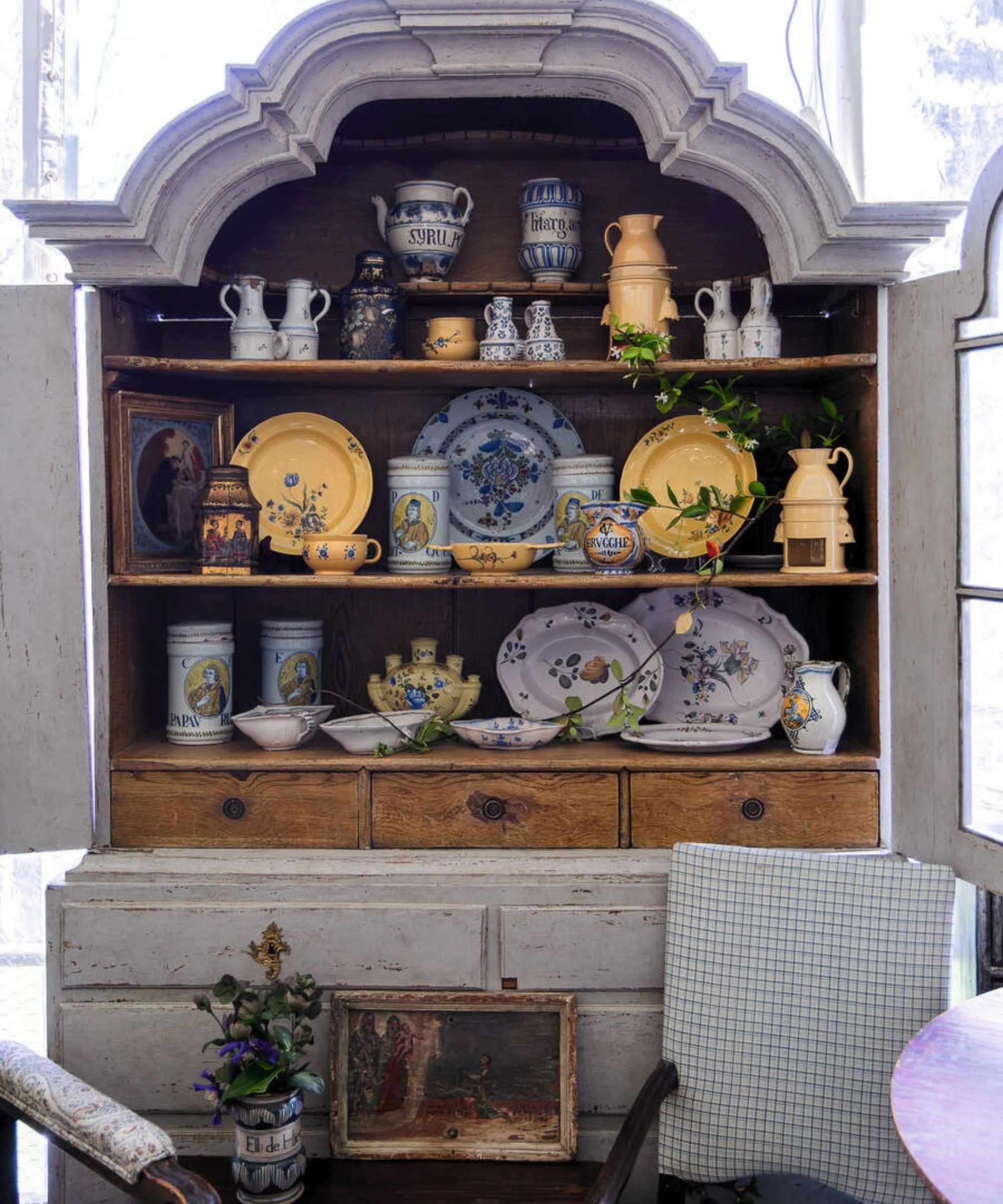
With brick-and-mortar antique shops dwindling in major metropolitan centers like New York, designer Ellen Hamilton points to curated, brocante-style design markets like The Ticking Tent as the future of retail. These immersive events bring together international antiques, independent artisans, and rare textiles, fostering vital, face-to-face industry relationships and offering the genuine thrill of unexpected discovery.
7. The Great Escape: Palazzo Avino in Ravello (Zoë Feldman)
For a masterclass in coastal Italian grandeur, designer Zoë Feldman looks repeatedly to Palazzo Avino in Ravello. Perched nearly 1,000 feet above the Mediterranean along the Amalfi Coast, the 12th-century residence features Gothic arches, marble mosaic floors, and Moorish details that offer a timeless, character-rich blueprint for modern luxury.
Official Responses and Industry Sentiment
The collective consensus emerging from these industry leaders points to a structural maturation within the American home furnishing and interior design sectors.
- Moving Away from Uniformity: Major trade voices emphasize that clients are no longer asking for showroom replicas or social-media-driven micro-trends. Instead, briefs increasingly prioritize heirlooms, provenance, and personal storytelling.
- Embracing Imperfection: The fascination with delicate antique garden seats, weathered patinas, and artisan-made glass and metalwork highlights a broader industry acceptance of imperfection as a hallmark of luxury.
- Experiential Engagement: Retailers and curators are responding to the digital fatigue of consumers by investing heavily in physical, tactile, and experiential events—proving that the future of interior design commerce relies on physical connection and community building.
Implications for the Future of American Design
As the design zeitgeist shifts toward courage, authenticity, and historical depth, several long-term implications are becoming clear for professionals and enthusiasts alike:
- A Valuation of Provenance: Objects with history—whether 19th-century majolica stools, mid-century postmodern chairs, or bespoke artisanal castings—will hold stronger cultural and financial capital than mass-produced replicas.
- The Rise of Maximalist Individualism: As Corey Damen Jenkins predicts, homes will increasingly reflect quirky, highly specific personal narratives (such as wallpapered ceilings, eclectic auction finds, and curated game rooms) rather than standardized aesthetic rules.
- Revitalization of Regional Craft Guilds: Designers are looking beyond major coastal hubs to unearth local foundries, independent workshops, and specialized guilds, ensuring that regional craftsmanship remains a vital component of contemporary high-end interiors.
- The Synergy of Travel and Domestic Space: Experiences gained through international travel—whether absorbing the theatrical atmosphere of a Venetian villa hotel or walking the classical gardens of the Getty Villa—will continue to serve as foundational inspirations for residential architecture across the United States.
Ultimately, the American design mind is no longer looking outward for validation from fleeting digital trends; it is looking inward, backward, and laterally across history to build spaces of enduring emotional resonance.
