

FLORIDA KEYS — For a brief, surreal window during the early days of the COVID-19 pandemic, the Florida Keys became an isolated sanctuary. While traditional tropical hubs across the globe shuttered their borders, locked down their beaches, and braced for economic collapse, this 113-mile-long string of coral and limestone islands offered an irresistible escape. Travelers flocked south via the iconic, two-lane Overseas Highway to indulge in white-sand beaches, crystal-clear blue waters, and a laid-back island lifestyle that felt entirely insulated from global uncertainty.
Yet, as the world gradually reopened and international travel restrictions melted away, the Keys faced a predictable post-pandemic hangover. Pent-up demand shifted outward, sending the local hospitality market into a sharp, multi-year slump characterized by declining occupancy, softening room rates, and sliding revenues.
Now, the pendulum is swinging back. A powerful market rebound is officially underway, and institutional hotel investors have taken notice. In a staggering show of confidence, three major Florida Keys properties—spanning Islamorada and Key West—have changed hands in the span of just two months, commanding a combined price tag exceeding half a billion dollars.
For an archipelago where land is fiercely protected, development is heavily restricted, and new supply is practically non-existent, this wave of acquisitions marks a dramatic new chapter for one of the most exclusive hospitality markets in the United States.
Main Facts: The Anatomy of a Red-Hot Market
The recent surge in high-value transactions did not happen in a vacuum. It follows a stellar performance period that propelled the Florida Keys past traditional luxury powerhouses to claim the top spot in Florida for revenue per available room (RevPAR).
According to Chantal Wu, senior director of hospitality market analytics at CoStar, the Keys comfortably outpaced both Naples and West Palm Beach over a recent 12-month stretch. This achievement represents a dramatic turnaround from the preceding years.
"For all of last year, I had to write very sad market reports for the Florida Keys just because performance results were down," Wu admitted. "This year, at least it’s some positive news to deliver."
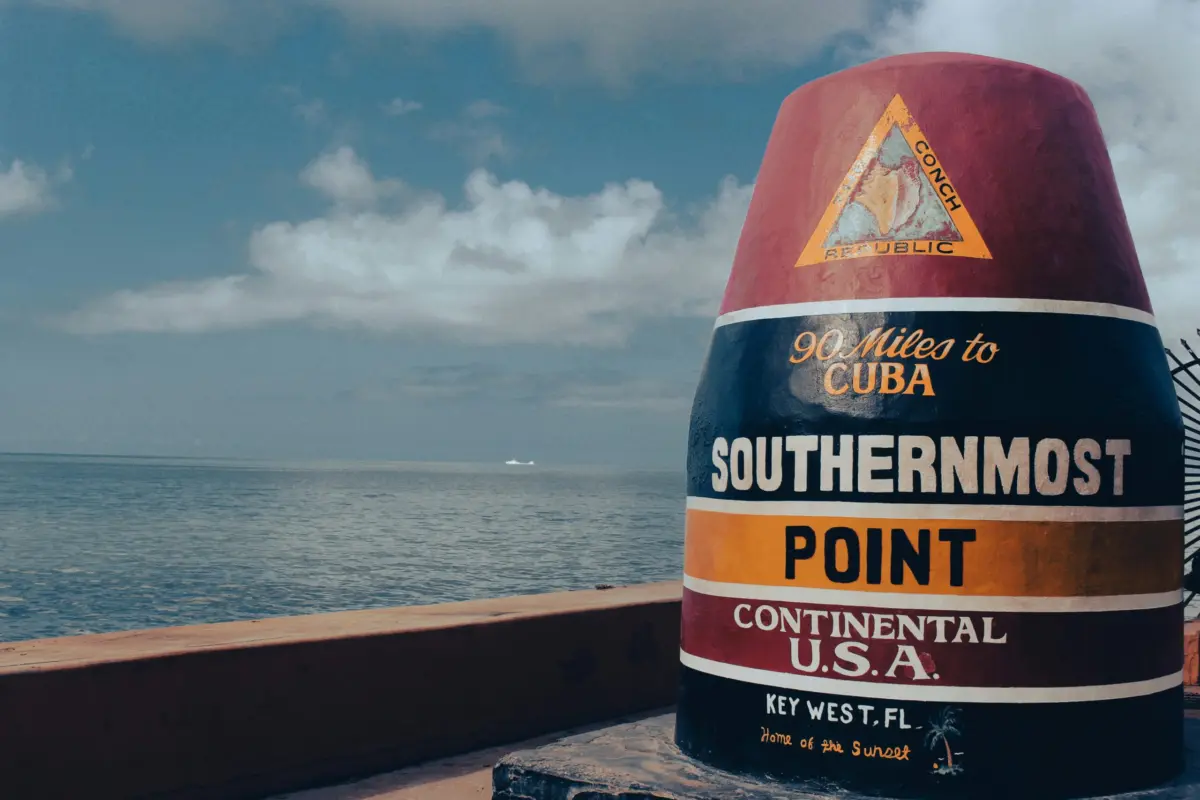
The core drivers of this market dominance are rooted in the geography and regulatory landscape of the islands. Stretching from the southern tip of Miami-Dade County down to the continental United States’ southernmost point in Key West, the Keys are divided into the Upper, Middle, and Lower chains. Driving the length of the region takes roughly three hours under optimal conditions—barring accidents that routinely choke the single-lane Overseas Highway.
Travelers are eternally drawn to the region’s nostalgic island escapism: deep-sea fishing, swimming with dolphins and manatees, and indulging in slices of authentic key lime pie. However, the very factors that preserve the Keys’ natural charm also strangle commercial expansion.
State and local governments tightly control what can be built, heavily restricting new construction to protect fragile local ecosystems. Consequently, the region’s inventory of hotels has actually shrunk. CoStar data indicates that the Keys had 209 hotels in March 2020; by the summer of this year, that number had contracted to 206.
"You can’t just come here, find land, and just get approval to build a 300-room resort," said Daniel Samess, CEO of the Marathon Chamber of Commerce, representing the 13-island city in the Middle Keys. "No. 1, we don’t have much vacant land anymore. And No. 2, you’ve got to have those state entitlements to do it. So it’s a high barrier to entry."
With new supply effectively choked off, existing hoteliers enjoy a protected moat, allowing them to command some of the highest average daily room rates (ADRs) in the nation. During the first six months of the year, the average daily rate across the Keys hovered at a lofty $409—putting the island chain on par with massive metropolitan centers like New York City during peak global events.
Chronology of a Rebound: Summer 2024’s Blockbuster Deals
For several years following the post-pandemic boom, the transaction market for Keys real estate remained relatively quiet. Owners who captured record profits were content to hold their assets, while prospective buyers faced a severe shortage of available inventory.
That stalemate broke wide open during the summer months, kicking off a flurry of institutional activity:
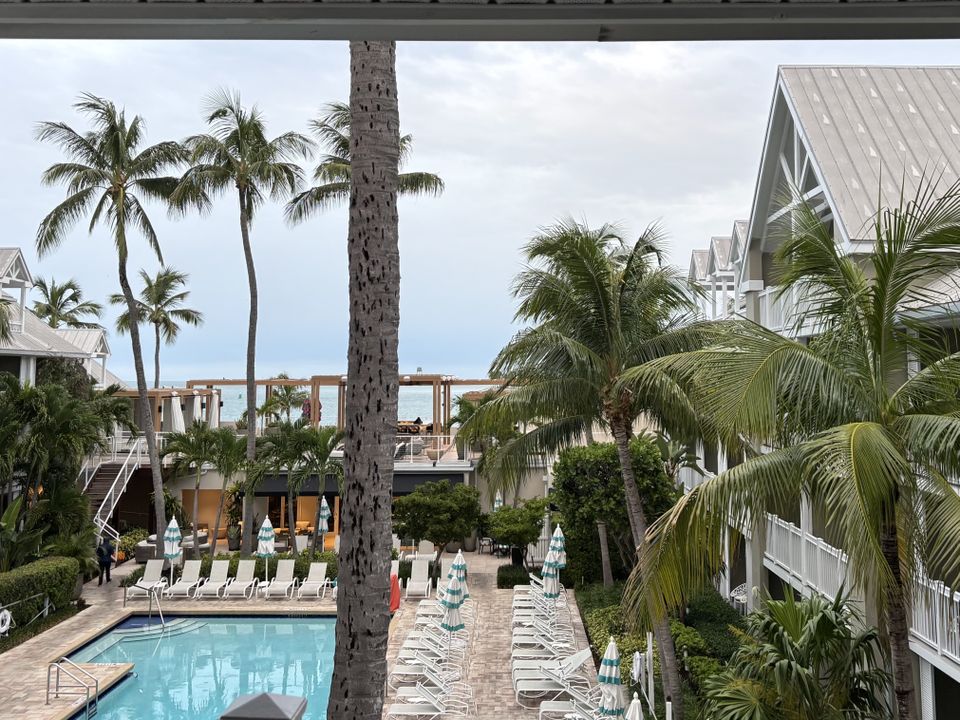
- June: Retail and outdoor giant Bass Pro Shops made waves by agreeing to acquire the legendary Cheeca Lodge & Spa in Islamorada—widely celebrated as the "Sport Fishing Capital of the World"—from Northwood Investors for more than $300 million, or over $1 million per key. Spanning 26 buildings across an 80-year history, the 254-room resort boasts a 525-foot fishing pier, three restaurants, a nine-hole golf course, a spa, three swimming pools, and a storied guest registry that includes U.S. Presidents George H.W. Bush and Harry Truman, alongside literary icon Ernest Hemingway.
- Early July: Braemar Hotels & Resorts announced the sale of the historic Pier House Resort & Spa in Key West to an affiliate of Sixth Street for $190 million. Braemar had owned the property for 12 years, investing $12 million into its evolution from a modest 50-room motel built in 1967 into a premier 142-key waterfront resort and spa.
- Mid-July: Just a week later, Miami-based developer Mast Capital and Dallas-based Koch Real Estate teamed up to acquire the Islands of Islamorada Resort for $38 million from the Frisbie Group, which originally developed the property in 2020.
According to industry insiders, the massive blockbuster deal for Cheeca Lodge served as the catalyst that unlocked the broader market.
"Equity funds and institutional investors see that, and so sometimes you then see other properties come up for sale now because it was a good comp," Samess explained.
For Northwood Investors, the sale of Cheeca Lodge was simply a matter of timing. Dan Peek, president of JLL Hotels and Hospitality Group, who helped broker the transaction, noted that the property had reached the natural end of its hold period after 15 years of ownership.
"When you own a really nice asset in the Keys, it’s sort of hard to convince yourself to sell it," Peek said. "In this case so far, Cheeca Lodge was sort of up against its hold period… That’s a long time."
Supporting Data: From Pandemic Peaks to Steady Recovery
To understand the current investment fervor, one must look at the financial rollercoaster the Keys experienced over the last half-decade.
When Florida became one of the earliest states to lift pandemic-era restrictions, the Keys reaped an immediate windfall. In 2021, revenue per available room (RevPAR) skyrocketed to $308—a staggering 45% increase compared to pre-pandemic baseline figures from 2019, according to a March hotel report compiled by Tourism Economics.
"We definitely broke any and all records as far as tourism here," Samess noted. "We’ve kind of come back down to earth since then, slowly but surely."
As international destinations reopened and consumer travel habits normalized, the inevitable cool-down arrived. In 2023, RevPAR slid by 17% down to $256.
However, pessimistic forecasts were short-lived. Hotel demand bounced back with a 3.3% increase, snapping a three-year slide of consecutive declines. Momentum continued into the early months of the year, posting an additional 4% year-over-year increase in demand.
Current financial models project that ongoing growth will push total Florida Keys hotel revenues past the milestone $1B threshold for the first time since 2023. This financial resilience is further supported by broader macroeconomic shifts across South Florida. As an influx of ultra-wealthy executives, corporations, and corporate HQs relocate to Miami and surrounding coastal areas, a massive talent pool of affluent domestic travelers is now within a short weekend drive of the archipelago.
Official Responses and Perspectives from the Ground
Local leaders and institutional buyers alike view these multi-million-dollar transactions as a sign of long-term economic stability rather than a speculative bubble.
Jordan Kornberg, chief investment officer at Mast Capital, emphasized that his firm’s acquisition of the Islands of Islamorada Resort—their first regional move since 2022, complementing their existing ownership of the ultra-exclusive Little Palm Island Resort & Spa—was opportunistic and strategically calculated.
"A new opportunity circled around, and we were excited to be able to get another price that makes sense and buy it this time around," Kornberg said. Reflecting on the extreme scarcity of developable land in the region, he added: "If we could do a deal in the Keys every year, we probably would, knowing what we know now. It’s just a matter of having this opportunity."
Chantal Wu of CoStar underscored that institutional capital views the Keys as a secure, high-yield haven precisely because new competition is legally and physically barred from entering the market.
Broader Implications: The Scarcity Trap and Future Outlook
The most profound takeaway from the Florida Keys’ hospitality renaissance is the stark reality of supply and demand. While major metropolitan centers across the Sun Belt grapple with overbuilding and looming room gluts, the Keys face the exact opposite dilemma: a near-total freeze on new inventory.
Data from CoStar reveals that a mere 110 hotel rooms have entered the construction pipeline across the entire island chain since last June. By stark contrast, urban centers like Miami-Dade County are bracing for an influx of more than 20,000 new rooms over the coming years.
This structural supply constraint transforms existing Keys resorts into irreplaceable trophies. For private equity funds, institutional real estate trusts, and deep-pocketed developers, buying an established property is not merely an operational investment—it is the only ticket to entry in one of the nation’s most resilient leisure markets.
As domestic leisure travel spending expands and affluent travelers continue seeking domestic luxury escapes, the Florida Keys hospitality sector has firmly transitioned from its post-pandemic readjustment into a high-stakes arena of elite real estate acquisition. For better or worse, the keys to the Keys are now firmly in the hands of major institutional players, ensuring that the archipelago’s famous island lifestyle will remain an exclusive—and increasingly expensive—commodity for years to come.
