

By Dana Slone | Senior Editor, The ACHR NEWS
Enriched and Expanded Report
Main Facts
The heating, ventilation, air conditioning, and refrigeration (HVACR) industry is facing a significant labor disruption in the Mid-Atlantic region. United Air Temp, a prominent regional HVAC contractor with a nearly century-old operational history, has officially announced sweeping layoffs and the impending closure of its corporate headquarters. More than 130 employees—spanning field technicians, certified plumbers, customer service representatives, and operational supervisors—will lose their jobs this fall as the company contracts its footprint in Virginia and Maryland.
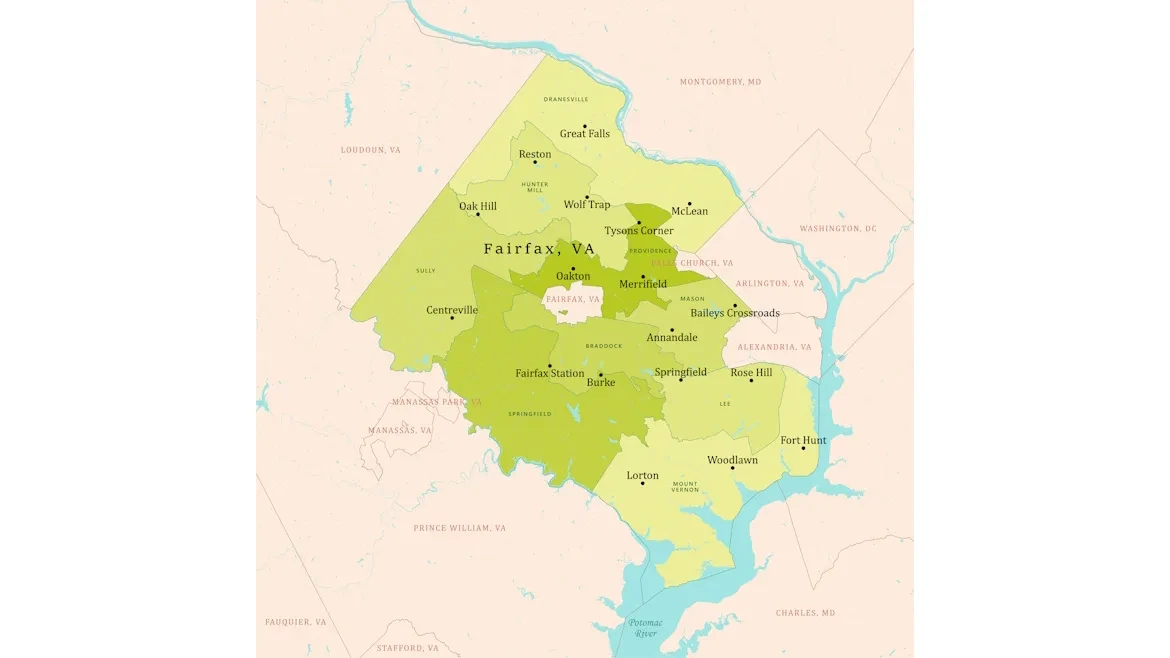
According to official state filings submitted on September 10, the company will shutter its main corporate facility and operational hub located at 6900 Hill Park Drive in Lorton, Virginia, effective November 10. This single closure will eliminate 96 positions. Concurrently, a Worker Adjustment and Retraining Notification (WARN) notice filed with the Maryland Department of Labor confirmed an additional 39 layoffs targeting remote service workers across the state.
The combined total of approximately 135 job cuts represents an immense contraction for the enterprise. In Virginia alone, the 96 eliminated positions account for nearly one-third of United Air Temp’s total estimated workforce of 300 employees based out of the Lorton site. Technical and field service roles make up roughly half of the Lorton reductions, directly impacting the boots-on-the-ground workforce that services residential HVAC systems throughout the Greater Washington, D.C., metropolitan area.
State regulatory documents classify the Virginia action as a permanent facility closure, while the Maryland cuts are designated as a permanent mass layoff with no option for employee recall. The affected workers are not represented by a labor union, according to the state filings, and management has not publicly disclosed a definitive strategic or financial rationale for the sudden downsizing.
Chronology of Events and Corporate Evolution
To understand the trajectory that led to the November 10 mass layoffs, it is necessary to examine both the timeline of the recent state notifications and the complex corporate history of United Air Temp.
The Immediate Timeline
- September 10: United Air Temp files formal separation notices simultaneously with Virginia Works (the commonwealth’s workforce development agency) and the Maryland Department of Labor. These filings establish the November 10 effective date for the Lorton headquarters closure and the Maryland remote workforce downsizing.
- September: Regional business publications, including the Washington Business Journal, break the news, detailing that nearly a third of the Lorton staff faces termination, with technicians, plumbers, and supervisors forming the core of the cuts.
- November 10 (Scheduled): The official closure of the Lorton, Virginia, facility takes effect, alongside the execution of the Maryland mass layoffs.
Historical Evolution and Private Equity Ownership
Founded originally in Pennsylvania in 1931, United Air Temp spent decades building a reputation as a reliable residential service provider, eventually expanding its footprint into Virginia by opening an office in Falls Church in 1979. Over the subsequent decades, the company established itself as a household name for HVAC repair, maintenance, and plumbing services across the Mid-Atlantic and parts of the Southeast.
However, the company’s structural governance has shifted dramatically over the past several years through private equity acquisitions:
- 2021: Private equity firm Summit Park orchestrates a recapitalization of United Air Temp, injecting capital to fuel regional expansion and operational scaling.
- 2024: Summit Park exits its investment, selling United Air Temp to another private equity firm, Littlejohn & Co.
- Present Structure: Littlejohn & Co. manages its holdings through United Comfort Group, an umbrella organization that presently lists United Air Temp among its eight distinct home-services partner companies.
Despite operating under a broader corporate umbrella that advertises service coverage stretching from Baltimore and Washington, D.C., to Atlanta and multiple markets across Florida, the localized restructuring in Virginia and Maryland highlights the profound pressures facing regional service providers under private equity stewardship.
Supporting Data and Workforce Breakdown
The scale of the United Air Temp downsizing is illuminated by regional labor statistics and the precise breakdown of the terminated roles.
Workforce Metrics
- Total Job Losses: ~135 positions (96 in Lorton, Virginia; 39 remote positions in Maryland).
- Lorton Headcount Impact: The 96 cuts represent roughly 33% of the roughly 300 individuals employed at the Fairfax County facility.
- Composition of Cut Positions: Field technicians, installation specialists, licensed plumbers, customer service representatives, and operational supervisors make up the affected roster.
- Geographic Reach: While the company’s broader marketing footprint claims operations across multiple states (including Florida and Georgia), these specific layoffs are concentrated squarely in the Mid-Atlantic, threatening the company’s core legacy markets.
The Regulatory Landscape of WARN Notices
Under federal and state labor laws, companies exceeding specific employee thresholds are required to provide advance notice ahead of mass layoffs or plant closures. The filings with Virginia Works and the Maryland Department of Labor provided the requisite 60-day warning to local governments, allowing workforce development agencies a brief window to prepare intervention strategies for displaced personnel.
Official Responses and Community Support
The sudden displacement of more than 130 skilled tradespeople and administrative professionals has drawn a swift response from local municipal authorities in Northern Virginia.

Fairfax County officials have stepped forward to offer transitional assistance, recognizing the severe strain that sudden corporate closures place on local families and the regional economy. A Fairfax County spokesperson released a formal statement addressing the situation:
"We recognize that layoffs can have a significant impact on workers, their families, and the surrounding business community. We want to ensure that affected employees are aware of the support available to them."
To mitigate the fallout, Fairfax County has mobilized its economic development and workforce services departments:
"Fairfax County has compiled resources on our website that include employment services, training opportunities, and financial assistance programs. Although these materials were originally developed for recently impacted federal employees, much of the information may be helpful to anyone experiencing a job loss."
Displaced United Air Temp workers are being directed to county portals where they can access rapid-response unemployment counseling, resume-building workshops, and connections to other regional contractors currently facing acute labor shortages.
Industry Implications and Future Outlook
The contraction at United Air Temp reverberates beyond the company’s immediate corporate ledger, casting light on broader trends within the residential HVAC and private equity-backed home services sectors.
Private Equity and Aggressive Restructuring
In recent years, private equity firms have poured billions of dollars into acquiring independent HVAC, plumbing, and electrical contractors across the United States. The playbook typically involves rolling up smaller regional players under a unified parent organization to achieve economies of scale, standardize operations, and drive profit margins.
However, macroeconomic headwinds—including fluctuating consumer discretionary spending, rising equipment and supply chain costs, and shifting residential housing markets—can trigger aggressive course corrections. When projected growth targets are not met, private equity sponsors often resort to swift, deep operational restructuring. The closure of United Air Temp’s historic Lorton headquarters and the elimination of a third of its local workforce serve as a stark reminder of the volatility inherent in private equity-owned trade businesses.
Impact on the Regional HVAC Labor Market
The timing of these layoffs introduces both a challenge and an opportunity within the Mid-Atlantic HVAC landscape. On one hand, 135 skilled technicians, plumbers, and support staff face sudden unemployment heading into the winter heating season—a traditionally busy period for the industry. On the other hand, the broader HVACR industry has battled a persistent, severe labor shortage for over a decade.
Competitor contracting companies operating throughout the Washington, D.C., and Baltimore metropolitan areas are expected to aggressively recruit the displaced United Air Temp technicians and plumbers. Certified field personnel with experience in residential service and maintenance remain in high demand, meaning many of the impacted technical workers may find rapid re-employment, even if administrative and supervisory roles prove scarcer.
As the November 10 closure date approaches, former employees, local labor agencies, and industry analysts will closely monitor how United Comfort Group and Littlejohn & Co. manage the remainder of their regional assets, and whether further consolidation lies ahead for the storied 93-year-old brand.
