

By the Home Improvement Editorial Desk
Published: September 2026
Main Facts
Window screens are a critical first line of defense for any residential home, serving the dual purpose of maximizing natural ventilation while barring insects, outdoor pollutants, and large debris. However, exposure to harsh ultraviolet rays, severe weather, aggressive pets, and accidental impacts inevitably leads to wear and tear. When snags, tears, or structural holes compromise a screen’s integrity, its functionality plummets.
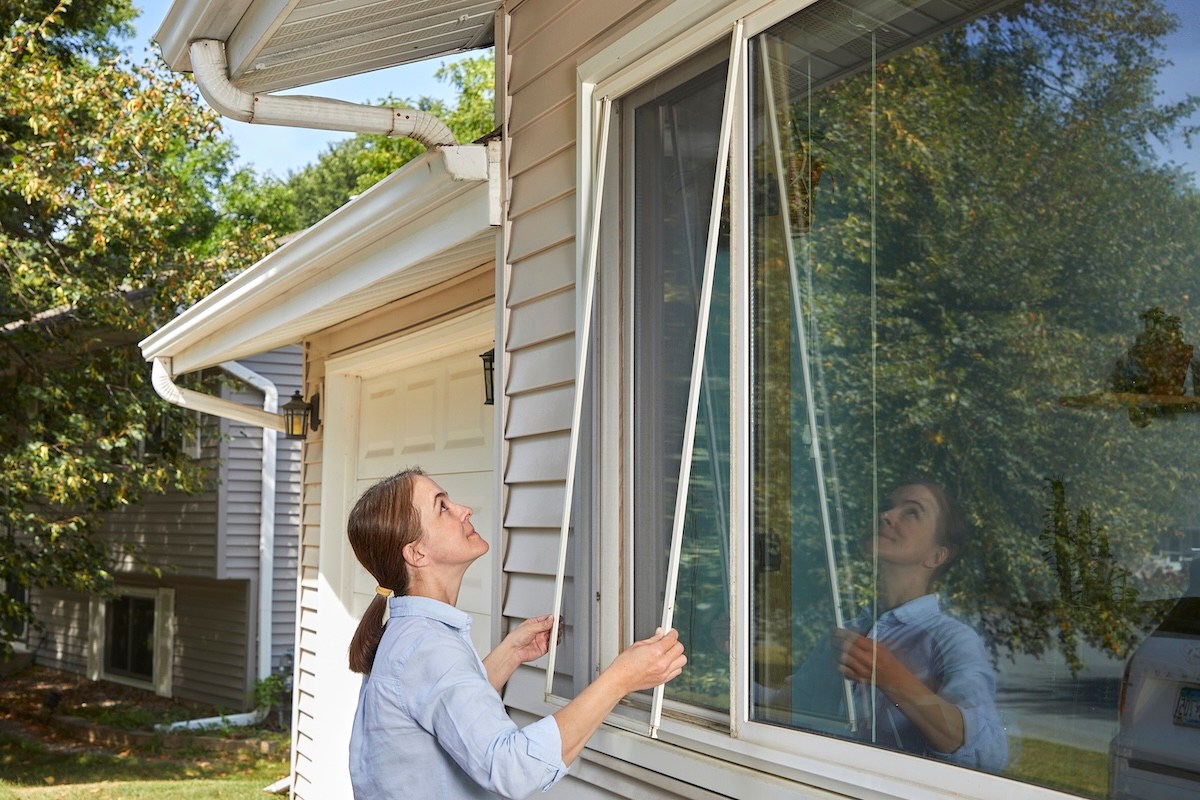
Fortunately, homeowners do not need to replace entire framed window units or hire expensive professional services to restore their views. Replacing a damaged window screen is a straightforward, budget-friendly DIY project that typically requires less than an hour of labor, minimal material investment, and a few basic tools. By understanding the step-by-step process—ranging from removing old spline to trimming modern fiberglass or specialty mesh—homeowners can successfully maintain their own window systems and extend the overall lifespan of their home’s fenestration.
Chronology: The Evolution of Screen Repair and Modern Best Practices
While window screens have been a staple of American residential architecture for well over a century, the methods for repairing and replacing them have evolved significantly.
- Early Innovations: Historically, early window screens consisted of heavy metal wire meshes (such as iron or galvanized steel) nailed directly into wooden window frames. Replacing them meant pulling out rusted tacks and manually stretching rigid wire.
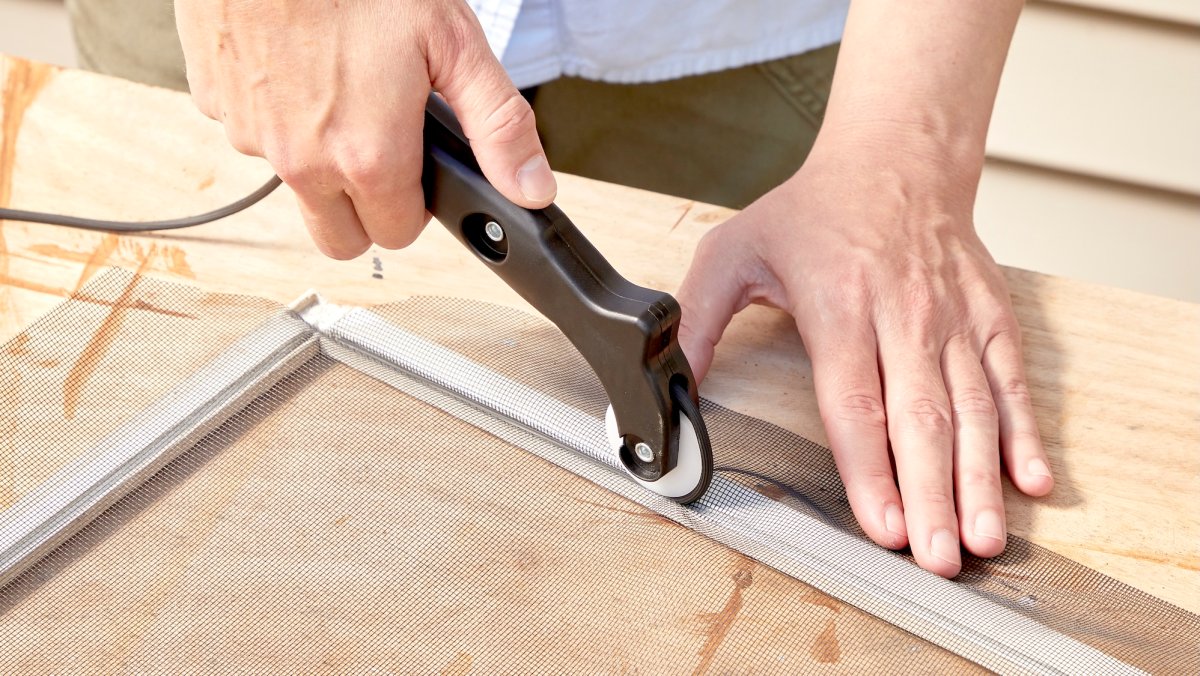
- The Introduction of Spline Systems: The mid-20th century revolutionized screen manufacturing with the introduction of extruded aluminum frames and vinyl/rubber cords known as "splines." This system allowed mesh to be friction-fit securely into a designated channel using specialized rolling tools, dramatically speeding up manufacturing and repair times.
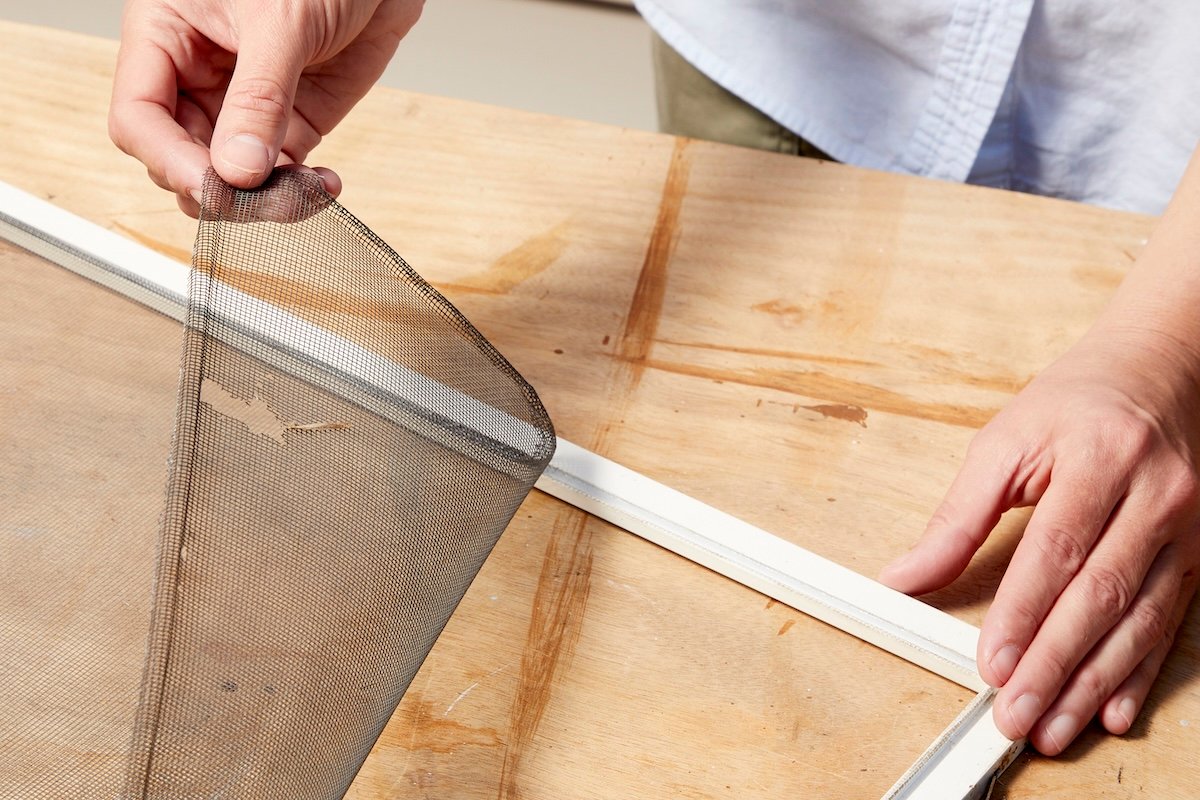
- Modern Material Advancements: Today, screening is predominantly manufactured from flexible fiberglass or heavy-duty polyester, reducing rust, corrosion, and injury hazards. The fundamental five-step replacement methodology has been streamlined for the modern homeowner: removing the old spline, sizing the new fabric, positioning the material, rolling in the new spline, and trimming the excess.
Supporting Data and Financial Insights
Investing in DIY window screen replacement yields significant financial returns when compared to professional handyman services or full-unit replacements.
- Cost Projections: According to home improvement cost aggregates from industry data providers like HomeAdvisor, hiring a professional or purchasing entirely new pre-framed custom window screens ranges anywhere from $20 to $100 per window, depending on the size, frame material, and glass type.
- The DIY Advantage: By contrast, purchasing a roll of standard fiberglass screening material and replacement vinyl spline costs a fraction of that price—frequently totaling less than $15 for multiple windows if the metal frames are salvaged and reused.
- Sizing Parameters: Standard window screens generally adhere to traditional window archetypes, including single-hung, double-hung, sliding, picture (fixed), and casement windows. When measuring for replacement materials, industry best practices dictate measuring the width of the screen opening from corner to corner and subtracting approximately 1/8 of an inch to ensure smooth clearance during installation. Height is calculated by measuring from the top channel under the window sash down to the bottom mounting lip.
Official Recommendations and Expert Guidelines
Home improvement authorities and master craftsmen emphasize that proper technique is essential to achieving a taut, professional-looking screen that will not sag or pull loose under environmental stress.
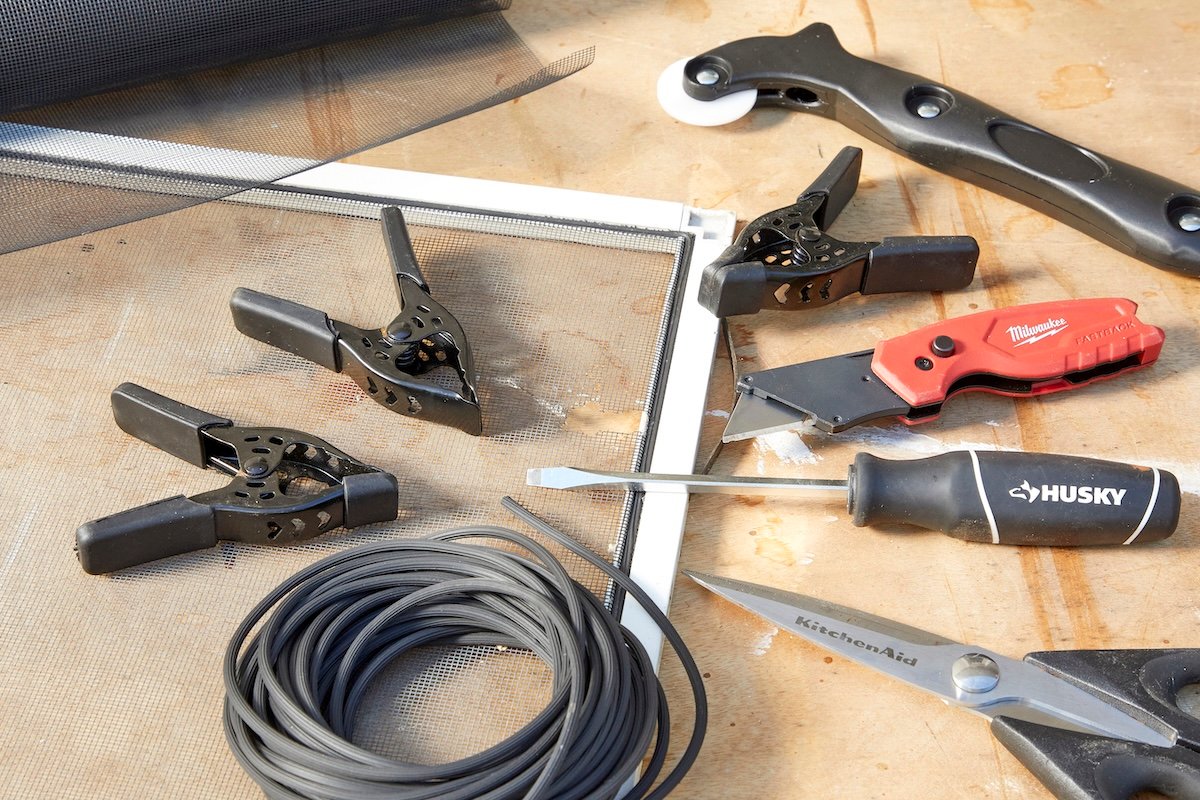
- Frame Preparation: Experts recommend thoroughly washing and drying the aluminum frame after removing the old screen and spline. This prevents trapped dirt and grime from corroding the metal or interfering with the new spline channel.
- Material Selection for Households: Standard fiberglass is adequate for most environments; however, families with pets (cats and dogs) are officially advised to upgrade to heavy-duty, pet-resistant vinyl-coated polyester. These specialty meshes resist claw punctures and heavy snags. Additionally, solar screens are heavily recommended for south-facing or sun-drenched rooms to block up to 90% of solar heat gain, substantially lowering indoor cooling costs.
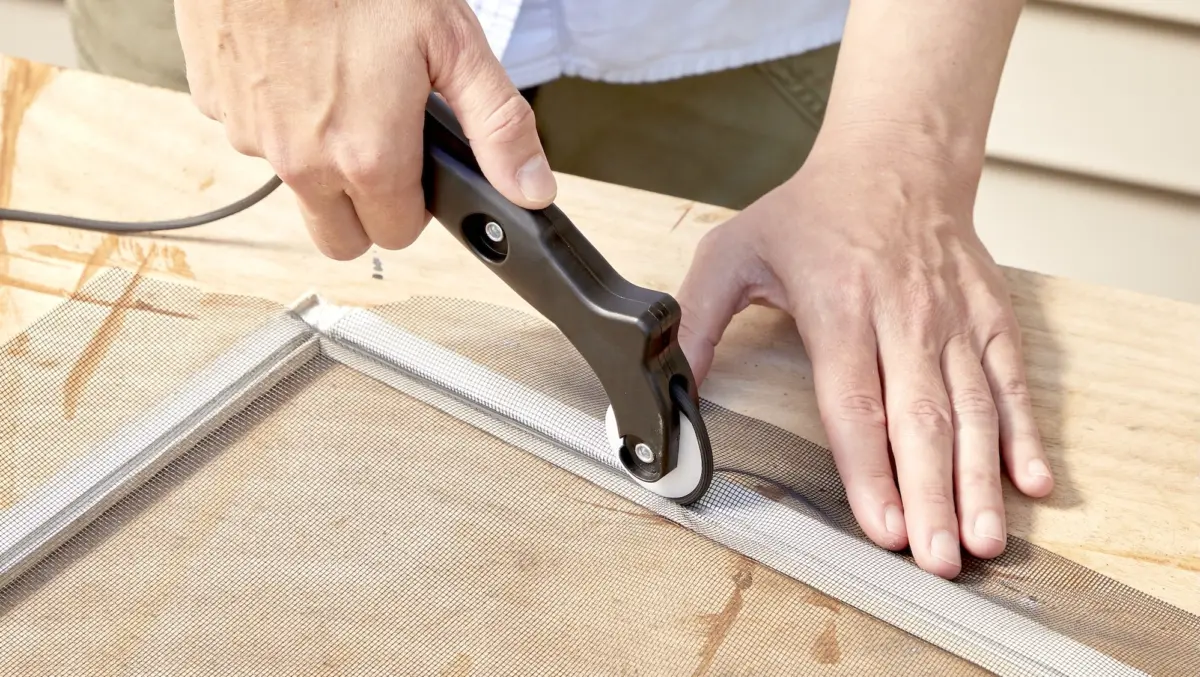
- Tool Handling: When installing new spline, professionals stress utilizing both sides of the screen rolling tool correctly—the convex wheel is used first to press the loose fabric evenly into the aluminum channel, while the concave wheel secures the rubber spline directly over the mesh. When trimming the final product, the utility knife blade must be angled strictly outward, away from the spline, to prevent accidental slicing of the retention cord.
Implications: Energy Efficiency, Curb Appeal, and Seasonal Maintenance
The decision to maintain and repair window screens rather than neglecting them carries broad implications for household comfort, energy efficiency, and property value.
Enhanced Energy Efficiency and Comfort
Damaged screens are frequently abandoned by homeowners who simply keep their windows closed to avoid pests. By restoring functional screens, residents can safely leave windows open during temperate seasons, reducing reliance on central air conditioning units and lowering monthly utility expenditures. Furthermore, upgrading to solar-specific screening materials directly mitigates indoor thermal loading, creating a more climate-stable interior environment.
Preserving Curb Appeal and Structural Integrity
While curb appeal is often associated with major exterior renovations like siding or landscaping, clean and taut window screens play a vital subtle role in how a home is perceived from the street. Sagging, discolored, or torn screens instantly age a property. Regular maintenance ensures that the home’s exterior remains crisp and well-kept.
Seasonal Storage and Longevity
To maximize the lifespan of replacement window screens, experts strongly advise implementing a seasonal maintenance routine. Removing screens before the onset of harsh winter weather, gently scrubbing them with mild detergent and water on a flat surface, and storing them safely indoors prevents winter ice damage, wind warping, and premature frame degradation. By taking these proactive steps, homeowners ensure that a single afternoon investment in screen replacement will pay dividends for years to come.
